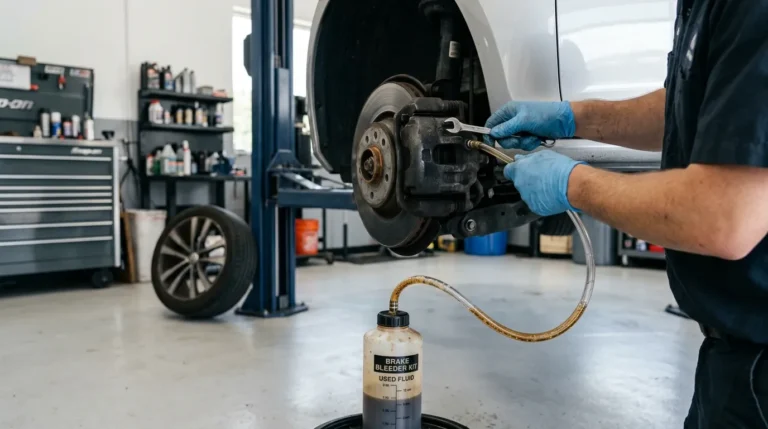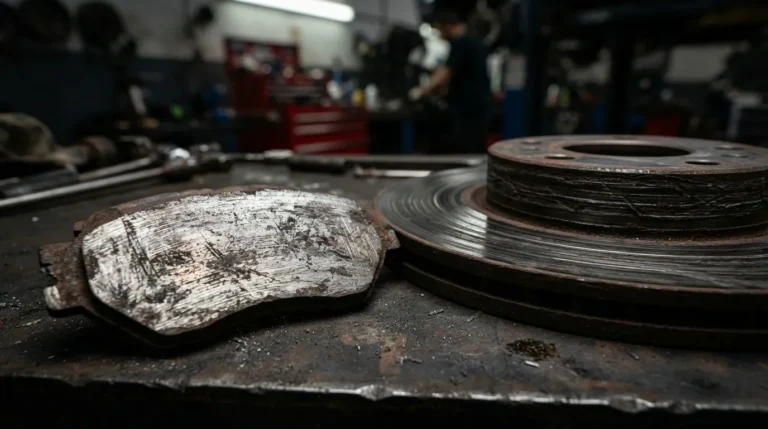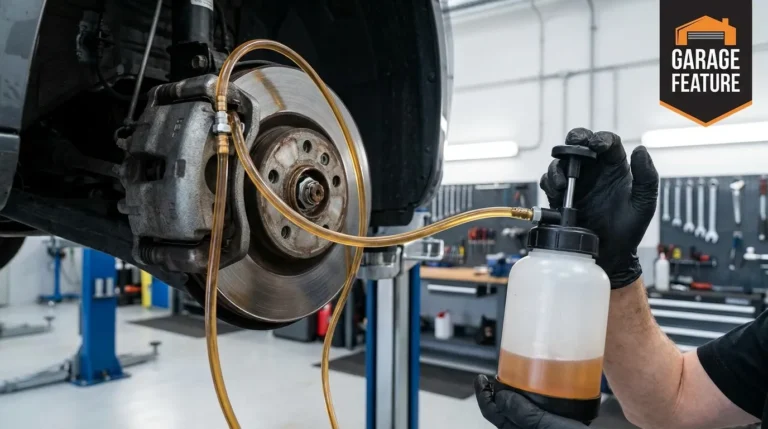
Most brake pads last 30,000 to 70,000 miles, based on use and type.
If you want a clear, real-world answer to how long do brake pads last, you are in the right place. I’ve spent years around shops, test loops, and DIY garages. I’ll break down the numbers, the why behind them, and the simple habits that stretch pad life. Stick with me and you’ll leave knowing exactly how long do brake pads last for your car, your roads, and your driving style.
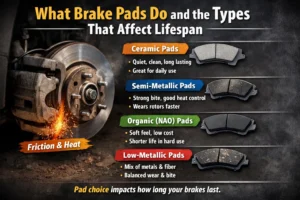
What brake pads do and the types that affect lifespan
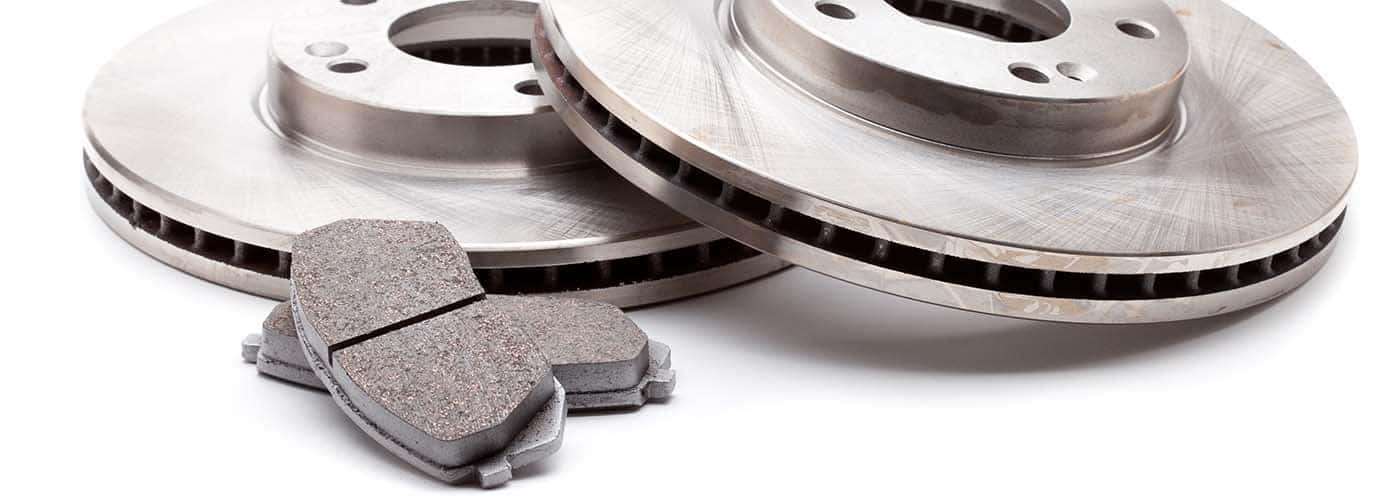
Brake pads clamp your brake rotors to slow the car. Heat and friction do the work. Over time, the pad material wears down.
Common pad types include:
- Ceramic pads. Quiet, clean, and long lasting. Great for daily use.
- Semi-metallic pads. Strong bite and good heat control. Often wear rotors faster.
- Organic or NAO pads. Soft feel and low cost. Shorter life in hard use.
- Low-metallic pads. Middle ground with a bit of metal for better bite.
The pad type has a big say in how long do brake pads last. So your brand, mix, and hardware matter before you even touch the road.
Source: marinechevy.com
How long do brake pads last on average
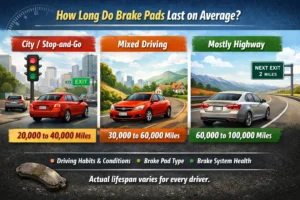
For most drivers, brake pads last 30,000 to 70,000 miles. I see highway commuters reach 80,000 to 100,000 miles with light feet. I also see city drivers hit the wear bars at 20,000 to 25,000 miles.
Quick rules I use with customers:
- City or stop-and-go use. Plan for 20,000 to 40,000 miles.
- Mixed driving. Expect 30,000 to 60,000 miles.
- Mostly highway. 60,000 to 100,000 miles is common.
Your results depend on how you drive, where you drive, pad type, and the health of your brake system. That is why how long do brake pads last will never be one number for all.
Key factors that change pad life
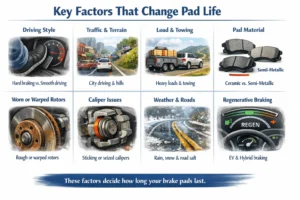
The same car can get very different results. These are the big levers that decide how long do brake pads last:
- Driving style. Hard stops kill pads fast. Smooth lifts and coasting save them.
- Traffic and terrain. Hills and heavy city traffic mean more heat and wear.
- Load and towing. Extra weight needs more brake force and shortens life.
- Pad material. Ceramic lasts longer. Semi-metallic can wear faster in town.
- Rotor condition. Warped or rough rotors chew pads down.
- Caliper health. Sticking slides or seized pistons keep pads rubbing.
- Weather. Water, grit, and road salt add friction and corrosion.
- Transmission use. Downshifting and engine braking reduce pad use.
- Regenerative braking on EVs and hybrids. Uses the motor to slow, so pads last longer but can rust if not used.
When readers ask how long do brake pads last, I ask about these factors first. Your answers often predict the number better than any chart.
Signs you need new brake pads soon
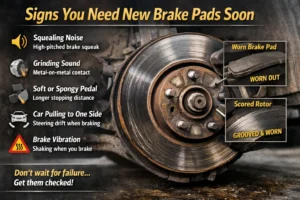
Do not wait for metal-on-metal sounds. Watch and listen for these cues:
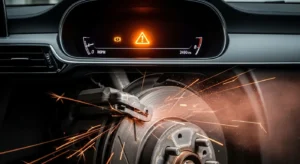
- Squeal when braking. The wear indicator is touching the rotor.
- Grinding. Pad is likely gone and the backing plate is hitting the rotor.
- Longer stops or a soft pedal. Heat fade or fluid issues may be at play.
- Steering pull or uneven wear. A caliper may be sticking.
- Vibration under braking. Could be pad deposits or rotor runout.
If you notice more than one sign, plan a check now. This is where how long do brake pads last meets how safe your next trip will be.
How to check brake pad thickness at home
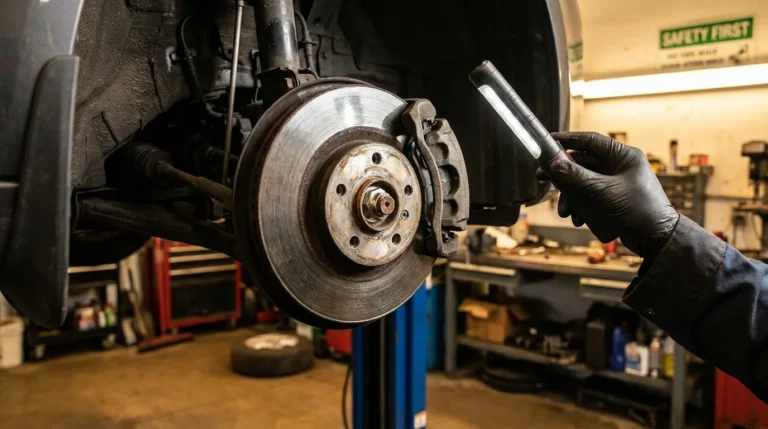
You can spot-check pads in minutes with a flashlight.
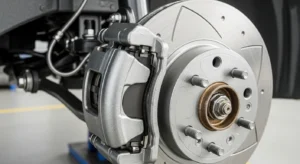
- Look through the wheel spokes. Find the pad against the rotor. The friction material should be thicker than the steel backing.
- Use a small ruler or a pad gauge if you can. Over 6 mm is fine. Around 4 mm is a plan-soon zone. At 3 mm or less, replace now.
- Many pads have wear indicators. When they start to chirp, you are in the last stretch.
I get asked how long do brake pads last once they hit 4 mm. My simple answer is not long. Plan your parts and date now.
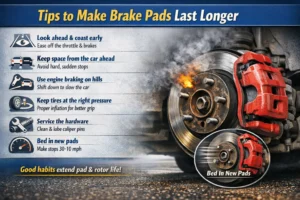
Tips to make brake pads last longer
Small habits save real money. These tips add thousands of miles to pad life.
- Look ahead and coast early. Use the throttle less and the brakes less.
- Keep space from the car ahead. Fewer panic stops mean cooler pads.
- Use engine braking on hills. A lower gear slows the car without heat on pads.
- Keep tires at the right pressure. Better grip means smoother stops.
- Service the hardware. Clean and lube caliper slide pins every pad change.
- Bed in new pads. Make 6 to 8 medium stops from 30 to 10 mph. Let them cool between stops. This lays an even film on the rotors.
When you follow these, how long do brake pads last jumps fast, and rotor life improves too.
Costs, timing, and when to change rotors
Waiting too long can double the bill. Here is how I plan service with owners.
- Replace pads at 3 mm front or 2 to 3 mm rear. Many shops suggest 4 mm to avoid a rush.
- Replace or resurface rotors if they are warped, grooved, below minimum thickness, or rusted at the edges.
- Typical pad-only jobs cost less than pads plus rotors and hardware. But skipping rotors when they are done wastes new pads.
A smart schedule keeps the total cost lower across years. Knowing how long do brake pads last on your route helps you book service before damage starts.
Real-world examples and what I learned in the shop
I once tracked a rideshare driver who did 90% city miles. He asked how long do brake pads last for him. With semi-metallic pads and heavy traffic, he needed fronts at 24,000 miles. We switched to ceramic pads and coached smoother stops. His next set went 42,000 miles.
On the flip side, a highway commuter asked the same question. He hit 92,000 miles on factory ceramics. We changed pads and left the rotors since they were clean, thick, and true. Two drivers, same car, very different answers.
How long do brake pads last on EVs and hybrids
Regenerative braking changes the game. The motor slows the car first, so pads see less work. I see 80,000 to 120,000 miles often.
There is a catch. Pads and rotors can corrode if you never use them. Do a few firm stops each week to wipe the rotors clean. That keeps the system healthy and quiet.
Bedding, break-in, and avoiding early wear
New pads need a good start. Skipping bedding can cause noise and hot spots.
- Make several medium stops from 30 to 10 mph. Space them out to cool.
- Avoid long holds with hot brakes right after a fresh install.
- After 100 miles, braking will feel smoother and more even.
Do this, and how long do brake pads last will trend to the high end for your setup.
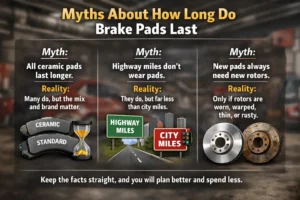
Myths about how long do brake pads last
Let’s clear a few common myths.
- Myth: All ceramic pads last longer. Reality: Many do, but the mix and brand matter.
- Myth: Highway miles do not wear pads. Reality: They do, but far less than city miles.
- Myth: New pads always need new rotors. Reality: Only if rotors are worn, warped, thin, or rusty.
Keep the facts straight, and you will plan better and spend less.
Frequently Asked Questions of how long do brake pads last
How long do brake pads last in stop-and-go traffic?
In heavy city driving, expect 20,000 to 40,000 miles. Short trips, hills, and full loads push it to the low end.
How long do ceramic brake pads last compared to semi-metallic?
Ceramic pads often last longer and run cleaner in daily use. Semi-metallic pads can shine in high heat but may wear rotors faster.
How long do brake pads last on EVs and hybrids?
Many EVs and hybrids reach 80,000 to 120,000 miles on pads due to regen braking. Do routine firm stops to keep rotors clean.
Do rear brake pads last longer than front pads?
Front pads usually wear faster since weight shifts forward under braking. Some cars with strong rear bias or regen can even it out.
Can I drive with 3 mm of pad left?
You can, but you should plan a pad change soon. 3 mm is near the end, and delays risk rotor damage and higher costs.
How long do rotors last with new pads?
Rotors often last 50,000 to 100,000 miles if kept cool and clean. Replace them if they are thin, warped, or deeply grooved.
How often should I inspect brake pads?
Check every 6 months or at each tire rotation. Inspect sooner if you hear noise, feel vibration, or tow.
Conclusion
You now have a clear, real-world view of how long do brake pads last. The big drivers are where you drive, how you brake, and the pad type you pick. With smart habits and simple checks, your pads can last longer, stop better, and cost less over time.
Take five minutes today to look through your wheels and plan your next check. If this helped, share it with a friend, subscribe for more car care guides, or drop a question in the comments.