Most brake squeaks come from pad vibration, wear tabs, moisture, glazing, or loose hardware.
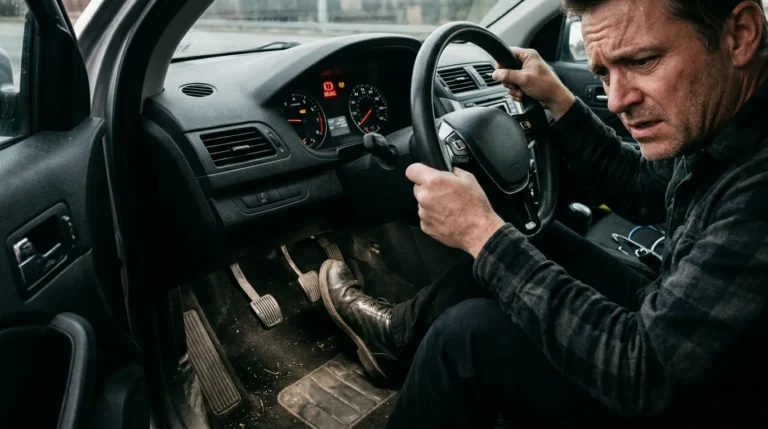
If you have wondered why are my brakes squeaking, you are not alone. I have diagnosed thousands of squeals in shops and on test drives. This guide breaks down every common cause and gives you clear, safe fixes. Read on to learn what the sound means, when to worry, and how to stop it for good.
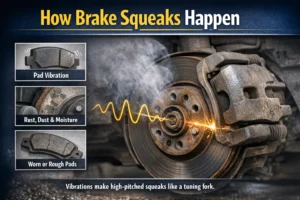
How brake squeaks happen
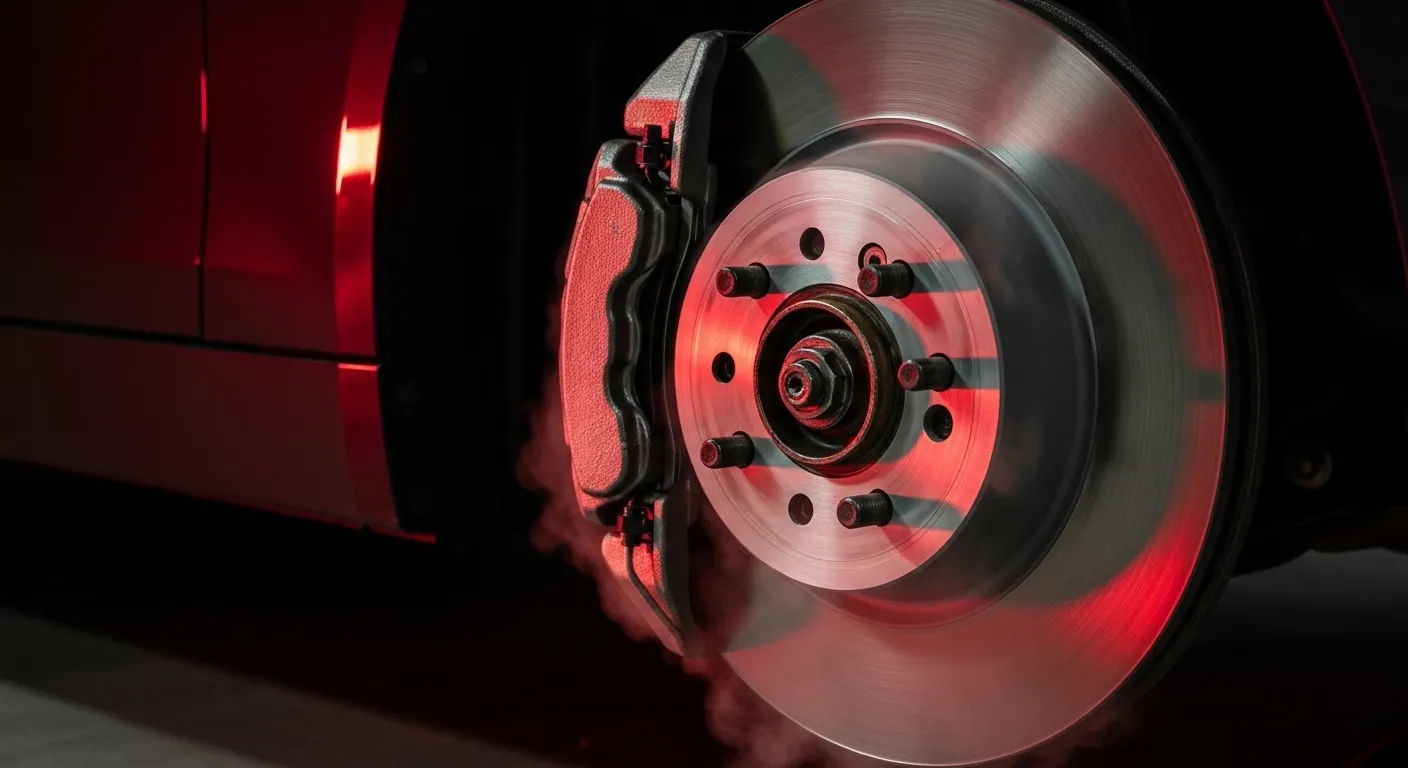
Brakes turn motion into heat. Pads squeeze the rotor. That squeeze can vibrate at a high pitch. Your ears hear that as a squeak.
The most common reason people ask why are my brakes squeaking is pad vibration. Tiny gaps or rough spots let pads sing like a tuning fork. Moisture, dust, or rust can make it worse.
Most squeaks are high frequency. They can be light and short. They can also be loud and sharp if parts are worn or dry.
The most common causes of squeaky brakes
If you are wondering why are my brakes squeaking, start with these usual suspects.
Wear indicators touching the rotor
Pads have a small metal tab. When pads get thin, the tab rubs the rotor and chirps. That is a built-in warning.
Signs
- Squeak at low speed that comes and goes
- Sound gets worse over days or weeks
Moisture and light surface rust
Overnight rain or a wash leaves a film on rotors. The first few stops scrape it off. A short squeal is normal.
Signs
- Noise only on the first stops of the day
- Fades after a few brake uses
Glazed pads or rotors
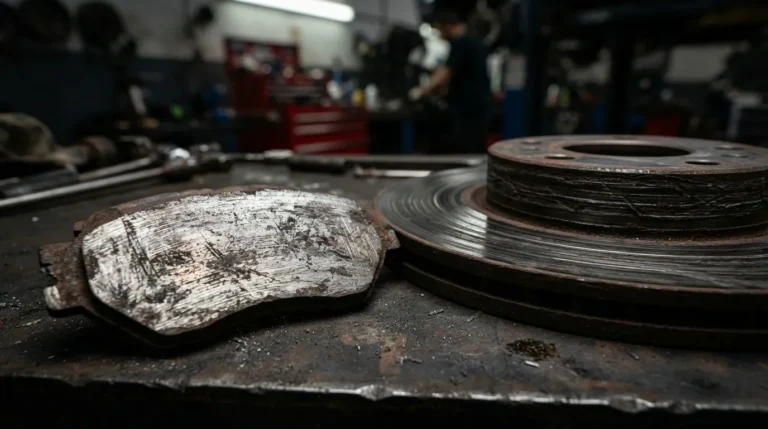
Heat can harden pad faces and rotor skin. That slick surface vibrates more. Hard stops or heavy loads can cause it.
Signs
- Sharp squeal at many speeds
- Brakes still feel firm, but noise stays
Cheap or mismatched friction material
Very hard semi‑metallic pads can squeak more. Some budget pads lack shims or proper chamfers. Mix-and-match parts raise noise risk.
Signs
- New brakes squeak from day one
- Noise better or worse with light pedal pressure
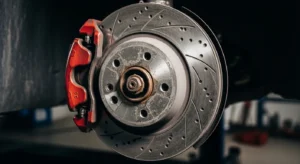
Missing or rusty hardware
Clips, shims, and springs control pad movement. When they rust or fall off, pads rattle and squeal. Dry slide pins also bind.
Signs
- Random squeak or click over bumps
- Uneven pad wear or hot smell
Rotor issues and wheel torque
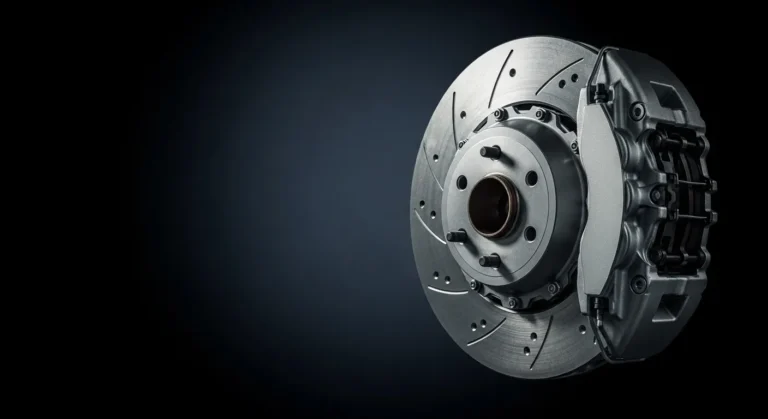
Grooved rotors, heavy runout, or uneven lug nut torque can make pads chatter. A dirty hub face can also tilt the rotor.
Signs
- Pulsing pedal plus squeak
- Noise after tire service
Performance pads when cold
Track or tow pads need heat to bite. When cold, they squeal. Once hot, they quiet down.
Signs
- Loud at first, quiet after a few hard stops
- Little brake dust, very firm pedal feel
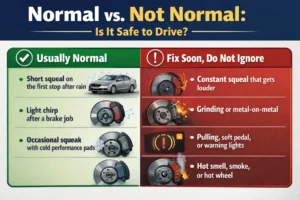
Normal vs not normal: Is it safe to drive?
Some sounds are harmless. Some are not. Here is how I advise drivers who ask, why are my brakes squeaking?
Usually normal
- Short squeal on the first stop after rain
- Light chirp right after a brake job before bedding
- Occasional squeak with cold performance pads
Fix soon, do not ignore
- Constant squeal that gets louder
- Grinding or scraping like metal on metal
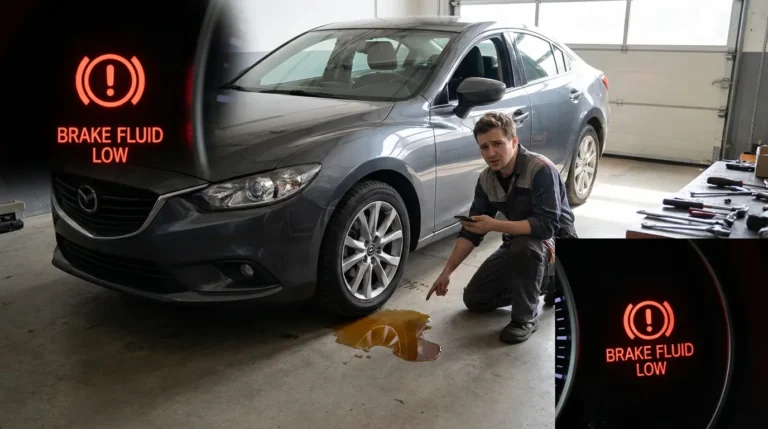
- Pulling, soft pedal, or warning lights
- Hot smell, smoke, or one wheel much hotter than others
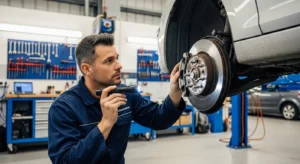
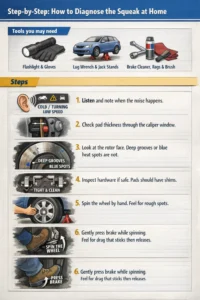
Step-by-step: How to diagnose the squeak at home
Tools you may need
- Flashlight and gloves
- Lug wrench and jack stands
- Brake cleaner, rags, and a small wire brush
Steps
- Listen and note when the noise happens. Cold, hot, turning, or only at low speed helps narrow causes.
- Check pad thickness through the caliper window. If you see 3 mm or less, plan a pad swap soon.
- Look at the rotor face. Light rust is normal. Deep grooves or blue heat spots are not.
- Inspect hardware if safe. Pads should have shims. Clips should be tight and clean.
- Spin the wheel by hand (off the ground) to feel for rough spots.
- Gently press the brake while spinning. Feel for drag that sticks then releases.
If you still wonder why are my brakes squeaking after this check, move to simple fixes next.
Fixes that actually work
Quick wins
- Bed the brakes. Do 6 to 8 medium stops from 40 to 10 mph. Let them cool between runs. This evens pad transfer and can stop a squeak.
- Clean the hardware. Use brake cleaner. Brush off dust and rust from clips and pad ears.
Parts and setup
- Replace worn pads and hardware as a set. Choose quality ceramic or low-noise pads for street use.
- Resurface or replace rotors if they are thin, grooved, or blue. Often, new rotors are best.
- Lube slide pins with high-temp silicone brake grease. Lube only pad contact points. Keep grease off friction surfaces.
- Use new shims or apply a thin layer of anti-squeal compound to pad backs if the design allows.
Install best practices
- Clean the hub face until shiny. Rust here causes rotor wobble and noise.
- Torque lug nuts in a star pattern to spec. Uneven torque can warp rotors and make pads sing.
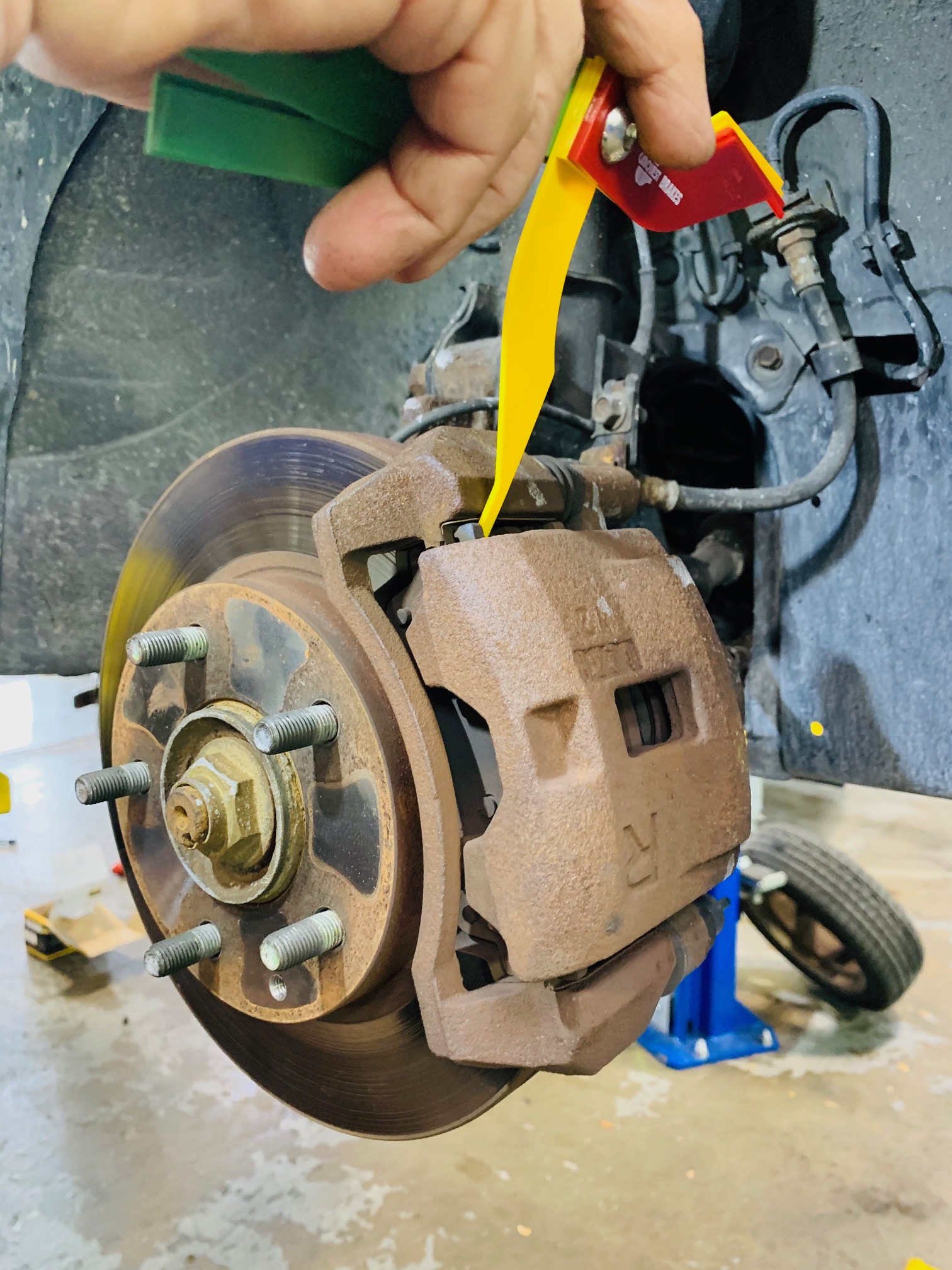
If you still ask why are my brakes squeaking after these steps, the caliper may stick, or the rotor may have high runout. A pro can measure both in minutes.
When to see a pro and what it might cost
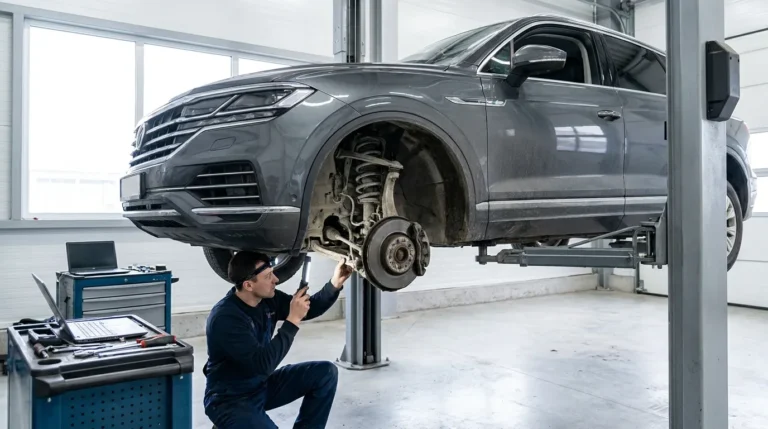
Go right away if you hear grinding, feel a pull, or see a warning light. Stop if there is smoke or a burning smell. Safety first.
Typical price ranges
- Pad and rotor replacement per axle: $250 to $800 depending on car and parts
- Caliper replacement: $200 to $600 per side installed
- Hardware and service (clean, lube, bed): $100 to $250
- Rotor machining: Often skipped now; new rotors are safer and cost-effective
Still saying why are my brakes squeaking after a fresh brake job? Ask the shop to recheck bedding, shims, and torque. Good shops stand by their work.
Pro tips from the bay
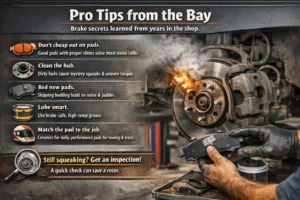
Over the years, I have heard every kind of squeal. Here is what works in real life.
- Do not cheap out on pads. Good pads with proper shims solve most noise calls.
- Clean the hub. Most “mystery squeaks” came from dirty hub faces and uneven torque.
- Bed new pads. Skipping bedding caused many come-backs with noise and judder.
- Lube smart. Only use brake-safe, high-temp grease. A little goes a long way.
- Match the pad to the job. Daily drivers like ceramic pads. Tow and track cars need the right compound and expect some noise.
If you are still asking why are my brakes squeaking after trying these, get a proper inspection. A 20-minute check can save a rotor and a tow.
Frequently Asked Questions of why are my brakes squeaking
Why are my brakes squeaking only in the morning?
Moisture or light rust forms overnight. The first few stops clean the rotors, and the squeak fades fast.
Why are my brakes squeaking after new pads and rotors?
They often need bedding. If noise stays, check for missing shims, dirty hubs, or dry slide pins.
Why are my brakes squeaking when I brake lightly?
Light pressure can let pads vibrate more. Try a few firm stops to bed the pads and see if it helps.
Why are my brakes squeaking at low speeds only?
Low-speed squeals are often wear tabs or pad vibration. Check pad thickness and hardware first.
Why are my brakes squeaking but the pads look fine?
Glazing, dust build-up, or bad hardware can cause noise even with thick pads. Clean and lube the hardware.
Why are my brakes squeaking after rain or a car wash?
Water leaves a film that causes a brief squeal. It should go away after a few stops.
Why are my brakes squeaking when turning?
A bent shield, loose hardware, or uneven rotor contact can rub during turns. Inspect clips, shields, and rotor clearance.
Conclusion
Brake squeaks are messages. Some are harmless. Some warn you to fix things now. You now know the key causes, how to diagnose them, and the fixes that work.
Take action today. Clean the hardware, bed the pads, and choose quality parts. If the noise stays or safety feels off, book a pro inspection. Want more tips like this? Subscribe, share your story, or drop your question in the comments.