Sudden temperature swings, short cycling, no heat or AC, and engine overheating.
If you’re spotting symptoms of bad thermostat in your car or home, you’re not alone. I’ve diagnosed dozens of failures in garages and living rooms. This guide breaks down real-world signs, causes, tests, and fixes so you can pinpoint symptoms of bad thermostat fast and act with confidence. Read on for clear steps, smart tips, and pro-level insights that save time and money.

What a Thermostat Actually Does (Car and Home)
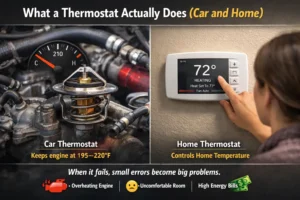
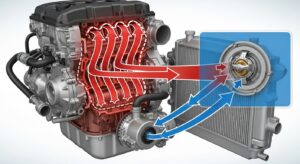
A thermostat is a switch that controls temperature. In cars, it opens and closes to manage coolant flow and engine heat. In homes, it tells your furnace or AC when to run and when to rest.
When it fails, small errors become big problems. Comfort suffers. Bills rise. Engines overheat. The symptoms of bad thermostat can look different in cars and homes, but the cause is the same: a control point that has lost its accuracy.
Key roles:
- Car thermostat: Keeps engine near its ideal range, often around 195–220°F.
- Home thermostat: Measures room temperature, triggers heat or cooling, and maintains your setpoint.
If you know the job, you can spot where it goes wrong. That makes diagnosing symptoms of bad thermostat easier and faster.
Why Thermostats Fail
Thermostats fail due to wear, corrosion, heat, and wiring issues. Age and environment matter. Dust, moisture, and power problems speed up failure.
Common causes in cars:
- Stuck wax pellet or spring fatigue
- Corrosion from old or wrong coolant
- Debris in the cooling system
- Poor-quality parts or incorrect temperature rating
Common causes in home HVAC:
- Dead or weak batteries
- Loose or corroded wires
- Bad placement in drafts, sun, or near lamps
- Software glitches in smart models
- Failed relays or blown fuses in the HVAC control board
These causes shape the symptoms of bad thermostat. Knowing the root helps you pick the right fix, not just a guess.
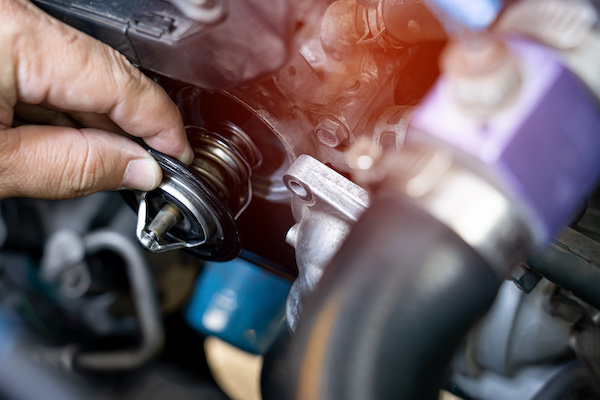
Core Symptoms of Bad Thermostat in Cars
When a car thermostat fails, it often gets stuck closed or stuck open. Each failure shows a different set of warning signs.
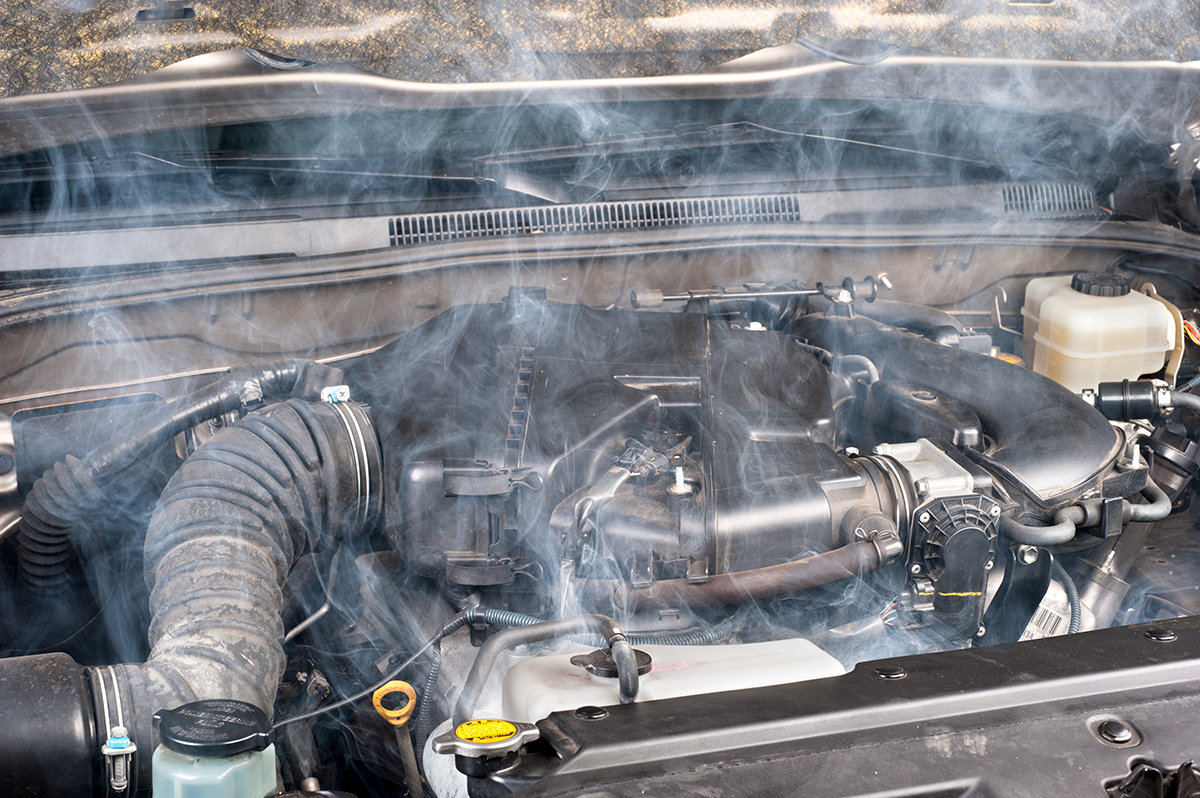
Stuck Closed: Overheating and Pressure Spikes
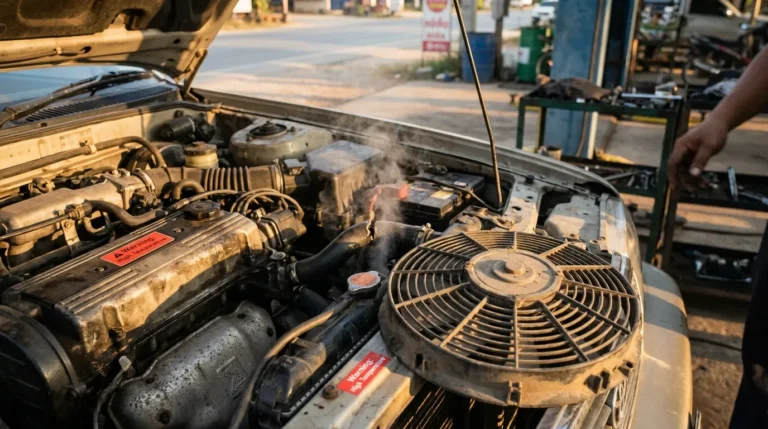
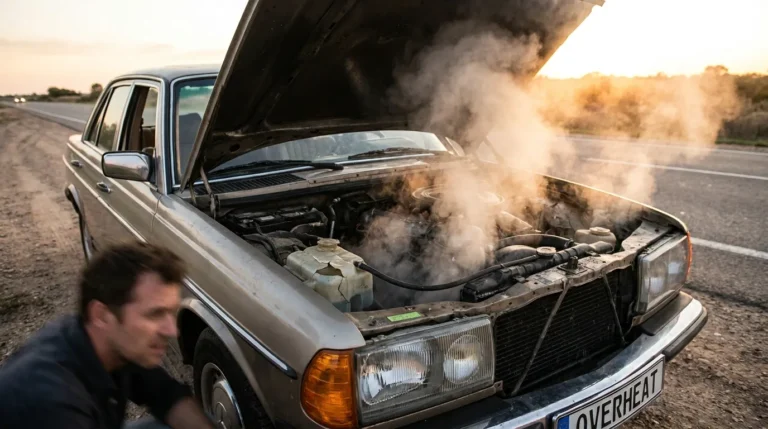
- Temp gauge climbs fast after a cold start.
- Coolant boils or you smell a sweet odor.
- Heater blows cold even while gauge is hot.
- Warning lights, possible steam, and rough running.
Stuck Open: Runs Too Cool and Wastes Fuel
- Engine warms very slowly, or never reaches normal.
- Weak cabin heat at idle or in winter.
- Poor fuel economy and rich running.
- Check engine light with codes like P0128.
Intermittent or Erratic Behavior
- Gauge swings up and down without load changes.
- Heat is hot at speed but cool at idle.
- Fan runs often, even on cooler days.
Real-world note: I’ve seen a simple stuck-open thermostat trigger months of poor MPG. One Civic kept throwing P0128. A $30 OEM thermostat fixed the code, restored heat, and bumped MPG by 10%.
These patterns are classic symptoms of bad thermostat in a vehicle. Catch them early to prevent engine damage.
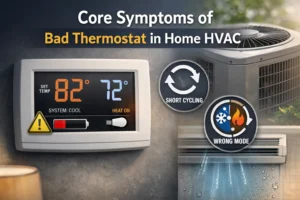
Core Symptoms of Bad Thermostat in Home HVAC
A home thermostat can fail in subtle ways. Look for control issues, false readings, and odd run patterns.
Power and Display Problems
- Blank screen or fading display
- Random resets after short cycling
- Needs frequent battery changes
Temperature Mismatch and Comfort Issues
- Room feels too hot or too cold vs. setpoint
- One area swings while others feel stable
- Thermostat near sun, vents, or lamps skews readings
Short Cycling or Long Cycling
- System starts and stops every few minutes
- Runs forever but struggles to hit setpoint
- Higher humidity and sticky indoor air
Unresponsive or Wrong Mode
- Heat runs when set to cool, or vice versa
- Buttons lag or Wi-Fi app shows delays
- Schedule doesn’t stick or changes on its own
When these show up together, they are strong symptoms of bad thermostat in a home system. Fixing placement, power, or the device itself often solves it.
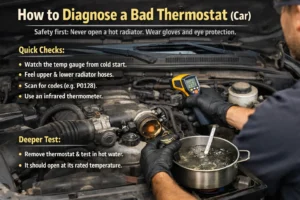
How to Diagnose a Bad Thermostat (Car)
Use a step-by-step approach. Safety first: never open a hot radiator. Wear gloves and eye protection.
Quick checks:
- Watch the temp gauge from a cold start. Normal warm-up is steady, not spiky.
- Feel upper and lower radiator hoses with caution. Stuck closed: upper gets very hot, lower stays cool. Stuck open: both warm too soon.
- Scan for codes. P0128 often points to a thermostat stuck open or running too cool.
- Use an infrared thermometer on the thermostat housing and radiator.
Deeper test:
- Remove the thermostat and test in hot water with a thermometer. It should start opening at its rated temp and fully open a few degrees later.
These steps confirm symptoms of bad thermostat rather than a bad sensor, low coolant, or a weak water pump.

How to Diagnose a Bad Thermostat (Home)
Work from simple to advanced. Turn off power at the breaker before opening panels.
Easy wins:
- Replace batteries with fresh, name-brand cells.
- Clean dust from vents and the thermostat’s sensor area.
- Move heat sources away: lamps, TVs, space heaters.
- Check settings: heat/cool mode, schedule, hold, and offsets.
Wiring and control:
- Inspect low-voltage wires for corrosion or breaks.
- Tighten loose terminals gently.
- Jumper test (R to W for heat, R to Y for cool) to see if equipment starts. If it does, the thermostat may be at fault.
Smart thermostat checks:
- Update firmware.
- Verify Wi‑Fi strength and power via a C‑wire or a compatible adapter.
These tests separate system faults from real symptoms of bad thermostat in a home.
Risks of Ignoring Symptoms of Bad Thermostat
Ignored issues grow expensive. The risk depends on the system.
Car risks:
- Head gasket failure from overheating
- Warped head, coolant loss, and breakdowns
- Extra fuel use, fouled plugs, and catalytic damage
Home risks:
- High electric or gas bills
- Compressor and blower wear from short cycling
- Poor humidity control and comfort complaints
If you see clear symptoms of bad thermostat, act. Small parts protect big systems.
Fixes, Costs, and When to Call a Pro
You can solve many issues fast with the right part and method.
- Replace the thermostat with an OEM-rated unit.
- Install a new gasket or O‑ring; torque bolts to spec.
- Refill with the correct coolant and bleed air.
- Typical parts cost: 20–80 dollars. Labor: 1–3 hours.
Home fixes:
- Replace batteries or re-seat wiring.
- Relocate a poorly placed thermostat.
- Replace with a modern programmable or smart model.
- Typical thermostat cost: 20–300 dollars. Pro install: 100–250 dollars.
Call a pro when:
- The car overheats fast or you see coolant leaks.
- You suspect head gasket damage.
- Your home system short cycles after a new thermostat.
- You see tripped breakers or burnt wiring.
These solutions address the root causes and the symptoms of bad thermostat without guesswork.
Prevention and Maintenance Tips
Small habits prevent big headaches.
For cars:
- Change coolant on schedule and use the right type.
- Replace the thermostat when doing major cooling work.
- Avoid cheap parts that drift off spec.
- Bleed the system after service to prevent hot spots.
For homes:
- Replace batteries every year, even if they seem fine.
- Keep the thermostat clean and away from heat or drafts.
- Use schedules that match your routine.
- Update smart thermostat firmware and check Wi‑Fi.
These habits cut the odds of future symptoms of bad thermostat and keep comfort steady.
Quick PAA-Style Answers
What are the first symptoms of bad thermostat in a car?
A temp gauge that rises too fast or never warms up is common. Weak cabin heat and code P0128 are early flags.
Can a bad home thermostat cause short cycling?
Yes. Wrong placement, bad sensors, or poor wiring can trigger rapid starts and stops. This raises bills and wear.
How do I know if it’s the thermostat or the sensor?
Cross-check with an infrared thermometer or scanner data. If readings disagree with the gauge, test the thermostat and the sensor separately.

Frequently Asked Questions of symptoms of bad thermostat
What are the most common symptoms of bad thermostat in a car?
Fast overheating, weak heat, and a temp gauge that won’t stabilize are top signs. A check engine light with P0128 also points to a thermostat issue.
What are the most common symptoms of bad thermostat in a house?
A room that feels off from the setpoint, short cycling, and a blank or laggy display are common. High bills and humidity swings add to the clue list.
Can symptoms of bad thermostat mimic a failing water pump?
Yes. Overheating and poor cabin heat overlap. Check for coolant flow, leaks, and impeller damage to be sure.
Will a bad thermostat damage my engine or HVAC?
It can. Engines can warp heads from heat. HVAC systems can burn out compressors from constant cycling.
How often should I replace a car thermostat?
Many last 7–10 years, but it depends on coolant quality and heat cycles. Replace it during major cooling service as cheap insurance.
Are smart thermostats more reliable?
They can be, but placement and power matter. A C‑wire and proper location boost accuracy and uptime.
Is it safe to drive with symptoms of bad thermostat?
If the car is overheating, no. If it runs cool, it may be drivable short-term, but fix it soon to avoid damage.
Conclusion
Catching symptoms of bad thermostat early protects engines, comfort, and your wallet. Watch for temp swings, short cycling, weak heat, and poor fuel or energy use. Test smart, replace the right parts, and set up simple maintenance.
Take the next step today. Check your gauges or display, run the basic tests, and plan a fix. Have a question or a story to share? Drop a comment, subscribe for more guides, and get ahead of the next repair.