Yes, you can mix synthetic and regular oil, but it’s best as a backup.
If you’ve ever stared at the shelf and wondered can you mix synthetic and regular oil, you’re not alone. I’ve helped many drivers make the right call in real garages and on long road trips. In this guide, I’ll explain when it’s safe, when it’s not, how it affects your engine, and how to do it the right way. We’ll use clear steps, real examples, and expert tips so you feel confident the next time the low-oil light pops on.
What it really means to mix synthetic and regular oil
Synthetic oil is made with engineered base stocks and high-grade additives. It flows better in the cold, stays stable when hot, and keeps engines cleaner. Regular oil, often called conventional oil, starts with refined crude and has a simpler additive package.
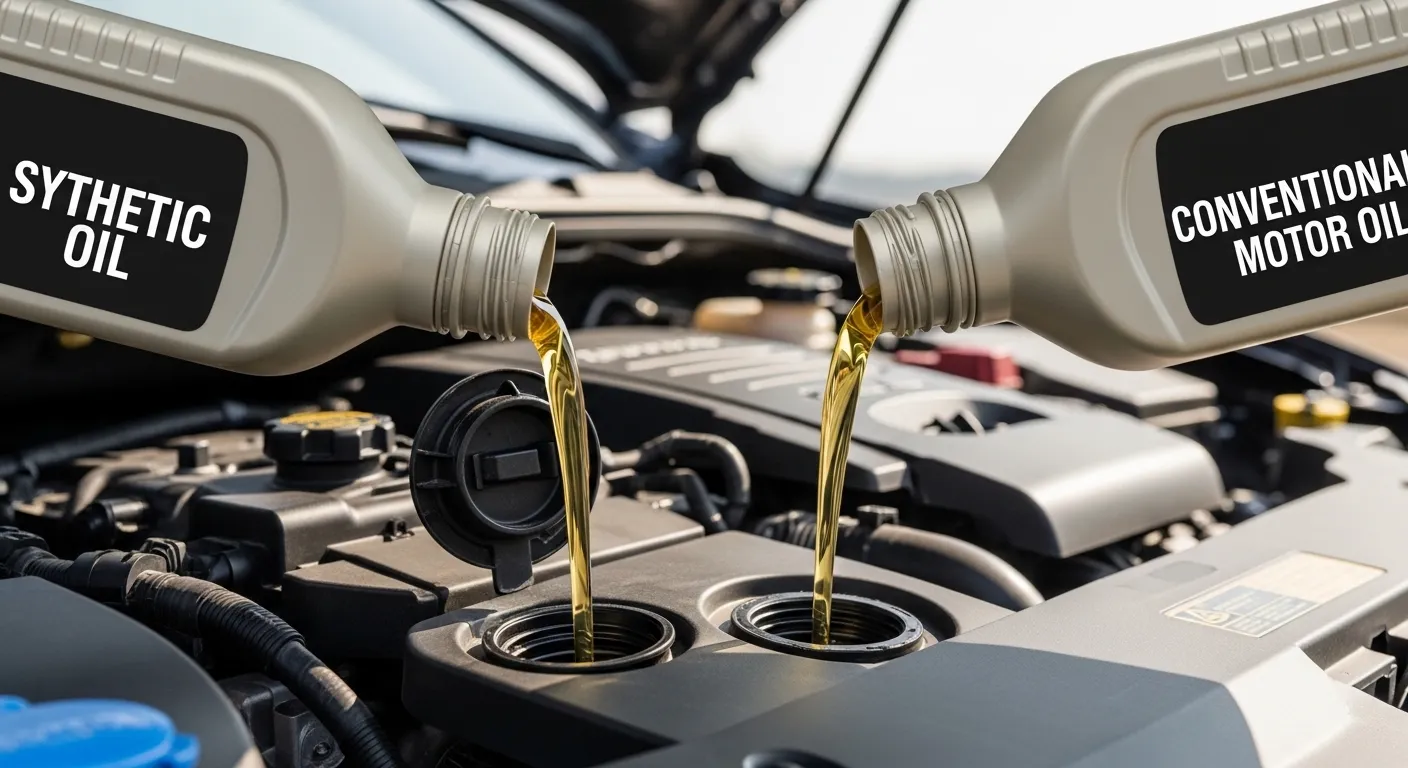
When you mix them, you blend two different base oils and two additive sets. The good news: modern motor oils are designed to be compatible. API and ILSAC standards require oils that meet the same grade to work together. That means they are miscible and stable when combined.
Keep this in mind:
- You can top off with synthetic or regular oil if the grade matches.
- The result acts like a synthetic blend.
- Performance depends on the ratio and the weakest oil in the mix.
This sets the stage for the key question many ask online: can you mix synthetic and regular oil without hurting your engine? In most cases, yes, if you match the viscosity and certification on the label.

Is it safe to mix them? The short and honest answer
Yes, you can mix synthetic and regular oil safely for top-offs or in a pinch. The mix will not gel or damage seals. It will not cause instant harm if the oils meet your car’s required spec.
When it’s usually fine:
- Topping off between oil changes when you only have one type on hand.
- Mixing brands, as long as the bottle shows the right API and viscosity grade.
- Seasonal changes, when you are moving from one grade to another.
When it’s not a good idea:
- Your owner’s manual calls for a very specific spec (for example, a European ACEA grade) and the other oil doesn’t meet it.
- Engines with special needs, like some high-performance turbos, motorcycles with wet clutches, or diesel engines needing DPF-safe oil. Use the right spec only.
- You plan to stretch the oil change interval after mixing. Do not do that.
Quick checks before you pour:
- Match viscosity (for example, 5W-30 with 5W-30).
- Match specs (API SP or ILSAC GF-6 for most modern gas engines).
- If you can’t match both, use it only as an emergency top-off and change soon.
PAA-style quick answers:
- Can you mix synthetic and regular oil temporarily? Yes, it’s okay as a short-term solution.
- Will the mix hurt seals or gaskets? No, modern oils are designed to be seal-compatible.
- Do you need to flush after mixing? No, just return to your normal oil at the next change.

Pros and cons of mixing synthetic and regular oil
Benefits:
- Convenience. You can top off anywhere with what’s on the shelf.
- Cost control. Mixing can lower the cost of a full oil change in a pinch.
- Engine protection right now. Any correct oil is better than running low.
Drawbacks:
- Weaker performance. The mix lowers the top-end benefits of full synthetic.
- Shorter life. The drain interval should match the weakest oil in the blend.
- Less consistent cold start and high-heat protection.
- Additives can be different. While compatible, optimal balance may shift.
Bottom line: Can you mix synthetic and regular oil? Yes. But you give up some protection and longevity. Think of it like wearing running shoes with dress socks. It works, but it’s not ideal.

How to mix the right way (practical steps and scenarios)
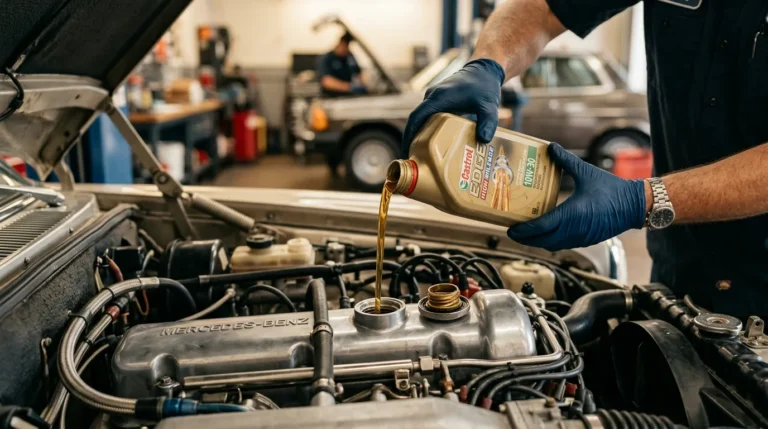
If you must mix, do it with care. Here’s how I advise drivers:
For an emergency top-off:
- Check the dipstick. Add the amount needed to reach the safe mark.
- Use the same viscosity if possible.
- Use oil that meets your manual’s API/ILSAC/ACEA spec.
During an oil change with leftovers:
- If you blend oils, aim for at least 50% synthetic for better stability.
- Do not extend the oil change interval. Follow the schedule for conventional oil.
If you mixed viscosities:
- Stay close (5W-30 with 10W-30 is better than 5W-30 with 20W-50).
- Expect mid-range behavior. Cold starts may be slower. Hot protection may vary.
What not to mix:
- Gasoline oil with diesel-only oil unless it also lists your gas spec.
- Racing or break-in oils with street oils unless the label says it’s okay.
- Random aftermarket additives. These can upset the additive balance.
Simple rule I teach:
- If you can match both viscosity and spec, you’re safe.
- If you can match only one, keep it short-term and change sooner.

Does mixing affect warranties, oil change intervals, and engine life?
Warranties: Automakers care that you use the right grade and certification. If both oils meet your manual’s spec, mixing should not void a warranty. Keep receipts and note the viscosity and API rating.
Oil change intervals: Can you mix synthetic and regular oil and still go long? Play it safe. Follow the interval for conventional oil or your car’s oil-life monitor. Do not stretch beyond the weaker oil’s limits.
Engine life: Consistent use of full synthetic offers better long-term protection. But a short-term mix will not doom an engine. I’ve seen fleet cars run hundreds of thousands of miles with the right spec and on-time changes, even after the occasional mixed top-off.
Pro tips for trust and tracking:
- Keep a simple log with date, miles, and what you added.
- If you mix often, switch to a true synthetic blend or full synthetic next change.
- Use used-oil analysis if you want data on wear metals and interval length.

Source: paulsautorepair.com
What I’ve seen in the shop (real stories and lessons)
On a mountain trip, a customer’s turbo sedan flashed the oil light at a gas stop. We topped one quart of conventional 5W-30 into a full synthetic fill. The light went out, the car ran smooth, and we changed the oil 300 miles later. No harm done.
Another case: A small turbo GDI engine came in with rough idle and timing codes in winter. The owner had mixed a thick 10W-40 with 0W-20 synthetic. The cold cranking was slow, and the VVT system was unhappy. Fresh 0W-20 that met the API spec fixed it. Lesson learned: match viscosity and spec first.
My simple take: Can you mix synthetic and regular oil? Yes. But respect viscosity, spec, and intervals. When in doubt, treat the mix as a bridge, not a destination.

Related concepts you should know
Synthetic blend vs full synthetic:
- A synthetic blend is a controlled mix made by the blender. It’s balanced and tested.
- DIY mixing creates a similar idea, but with unknown ratios and outcomes.
Mixing viscosities:
- Blending 5W-30 and 10W-30 yields a mid behavior. It’s okay short-term.
- Avoid mixing thin 0W-20 with thick 20W-50. Systems like VVT may not like it.
Additives and boosters:
- Extra additives can clash with the package in your oil. Skip them unless the maker approves.
- High-mileage oils have seal conditioners. You can mix them, but results vary.
Special engines:
- Motorcycles with wet clutches need JASO MA/MA2. Use only the right oil.
- Some European cars need ACEA or OEM specs like VW, BMW, or MB. Follow them.
Key takeaway: Can you mix synthetic and regular oil across all engines? Not always. Follow the label on your oil cap and in the owner’s manual.

Frequently Asked Questions of can you mix synthetic and regular oil
Can I switch back and forth between synthetic and regular?
Yes. You can switch either way as long as you use the right viscosity and spec. It will not harm seals or gaskets.
Will mixing void my warranty?
No, not if both oils meet your manual’s required specification. Keep receipts and note what you used.
How soon should I change the oil after mixing?
At your next normal interval if specs match. If specs or viscosity do not match, change it sooner.
Is synthetic blend the same as mixing at home?
Not exactly. A bottled blend is engineered and tested. A home mix works, but performance is less predictable.
Can I mix different brands?
Yes, as long as the grade and spec match. The result will act like a synthetic blend.
What happens if I mix 0W-20 with 5W-30?
You get a mid-range outcome. Short-term it’s okay, but return to the correct grade at the next change.
Does mixing affect fuel economy?
It can, slightly. Off-grade mixes may reduce efficiency until you return to the recommended oil.
Conclusion
You asked, can you mix synthetic and regular oil? Yes, you can, and it’s often the smart move when you need a quick top-off. Just match the viscosity and the spec, keep records, and follow the shorter interval. For the best long-term protection, go with full synthetic at your next full change.
Take action today: check your owner’s manual, note the correct oil grade, and keep a spare quart in your trunk. Want more hands-on guides like this? Subscribe, share your questions, or drop a comment with your make and model.