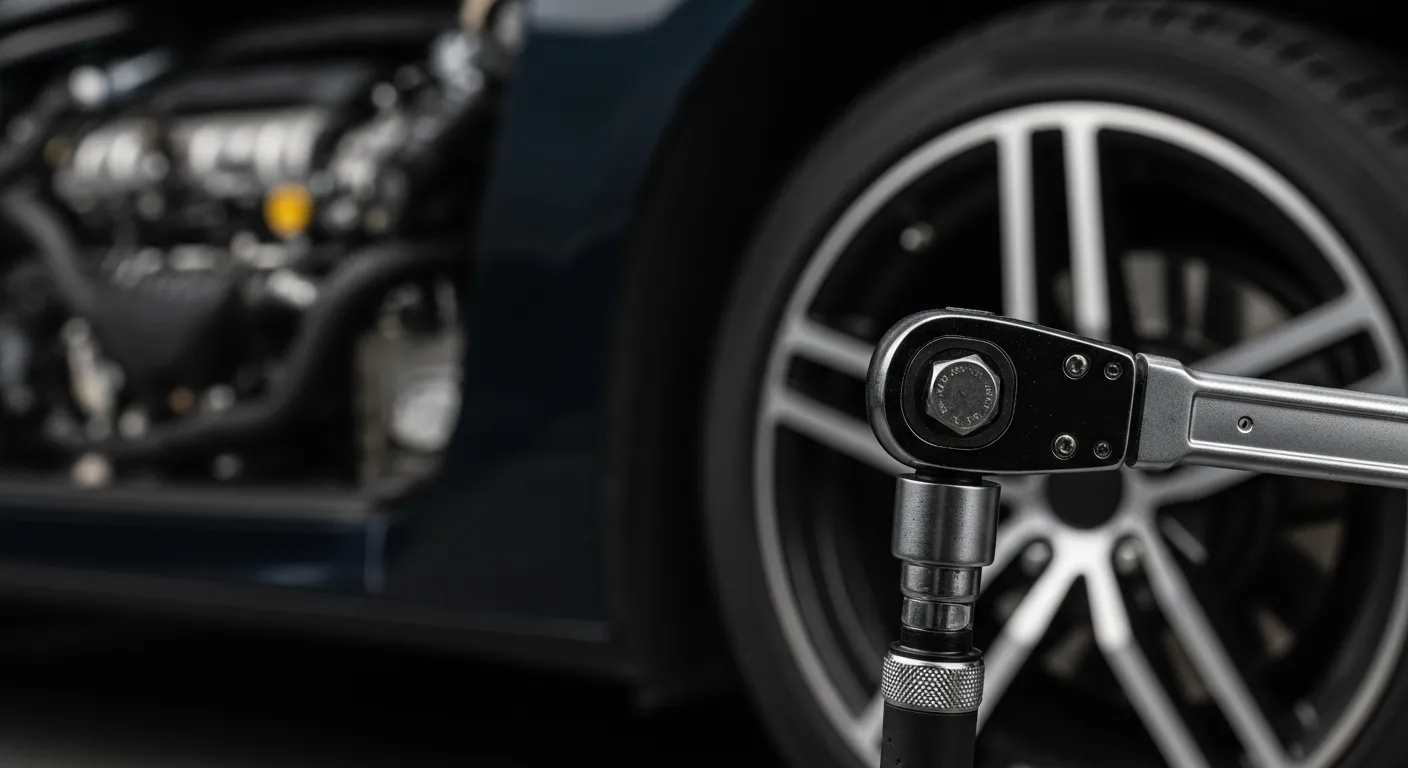
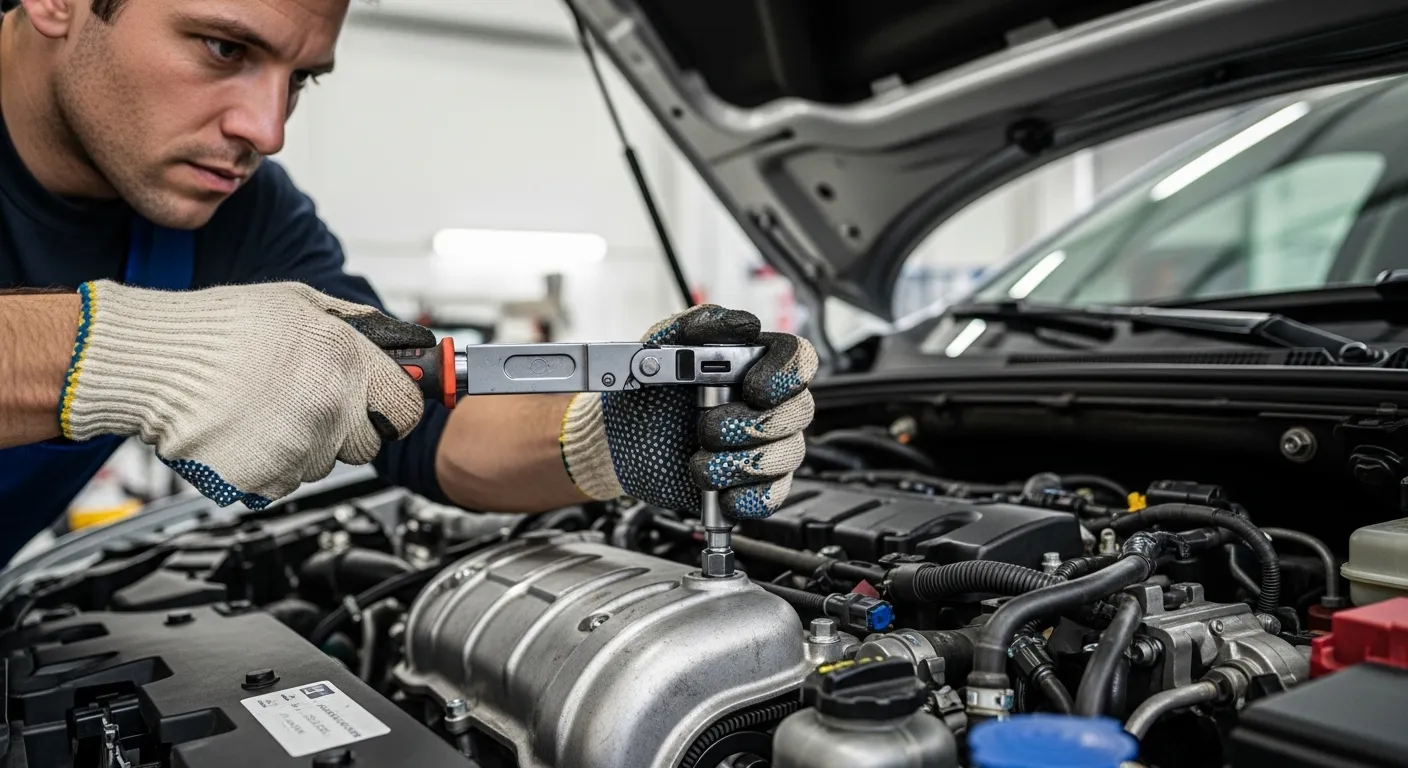
A torque wrench is used to tighten bolts and nuts to a precise value.
If you have ever snapped a bolt or watched a wheel come loose, you know why control matters. In this guide, I will show you exactly what is torque wrench used for, how it works, and when to use it. I have used these tools in garages, job sites, and home projects. You will learn the best methods, avoid common mistakes, and see clear examples that answer what is torque wrench used for in real life.
What Is a Torque Wrench?
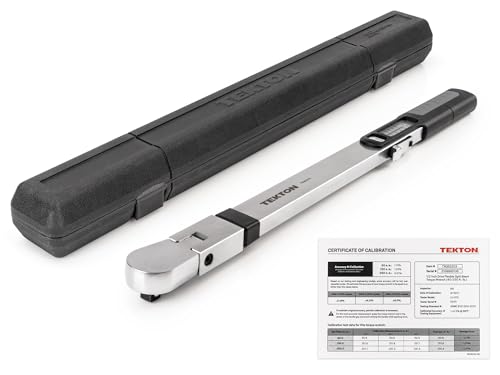
A torque wrench is a hand tool that lets you set and apply a specific torque. Torque is a twisting force. It is the product of force and the length of the lever. The wrench clicks, beams, or displays when you reach the target.
You use it when the clamping force matters. That means when a joint must be tight, but not too tight. If you ask what is torque wrench used for, the simple answer is safe, repeatable, and accurate tightening.
Most tools measure in newton-meters or foot-pounds. Many models have a reversible ratchet. Some add angle features for torque-to-yield bolts.
Why Proper Torque Matters
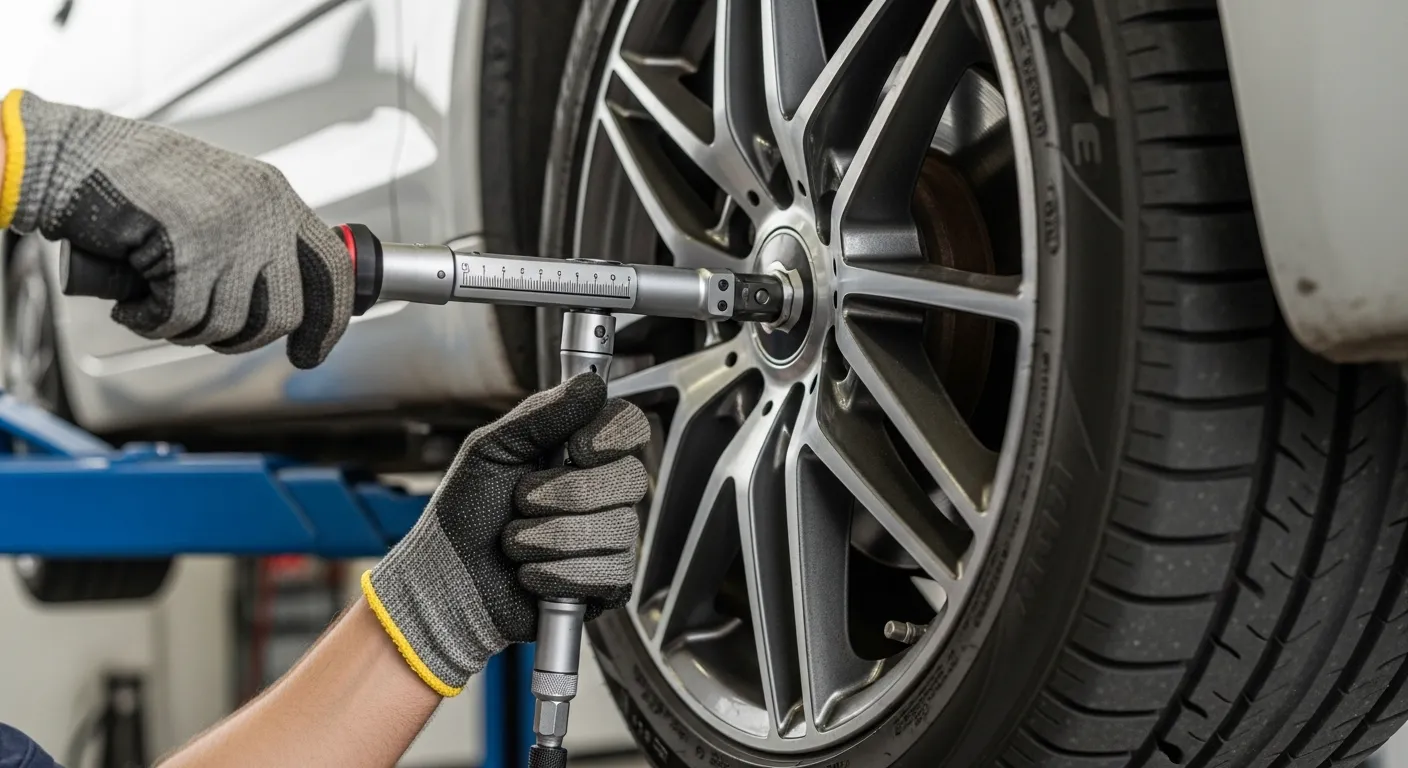
Torque creates clamping force across parts. Too little torque and joints loosen. Too much torque and threads stretch, studs snap, or parts warp.
I have seen warped brake rotors from uneven torque. I have also seen oil leaks from over-tightened drain plugs. If you ever wonder what is torque wrench used for, it is to hit the sweet spot that the maker calls for.
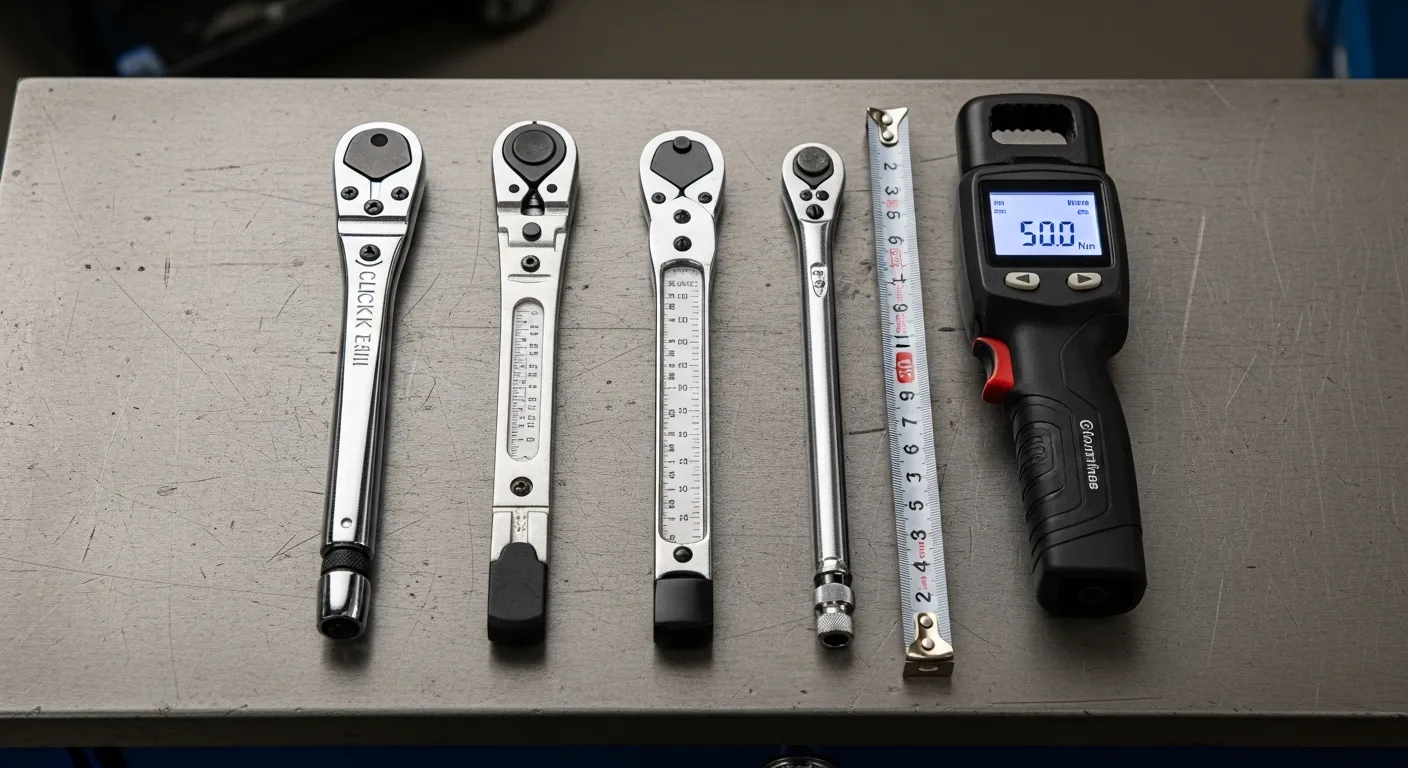
Types of Torque Wrenches
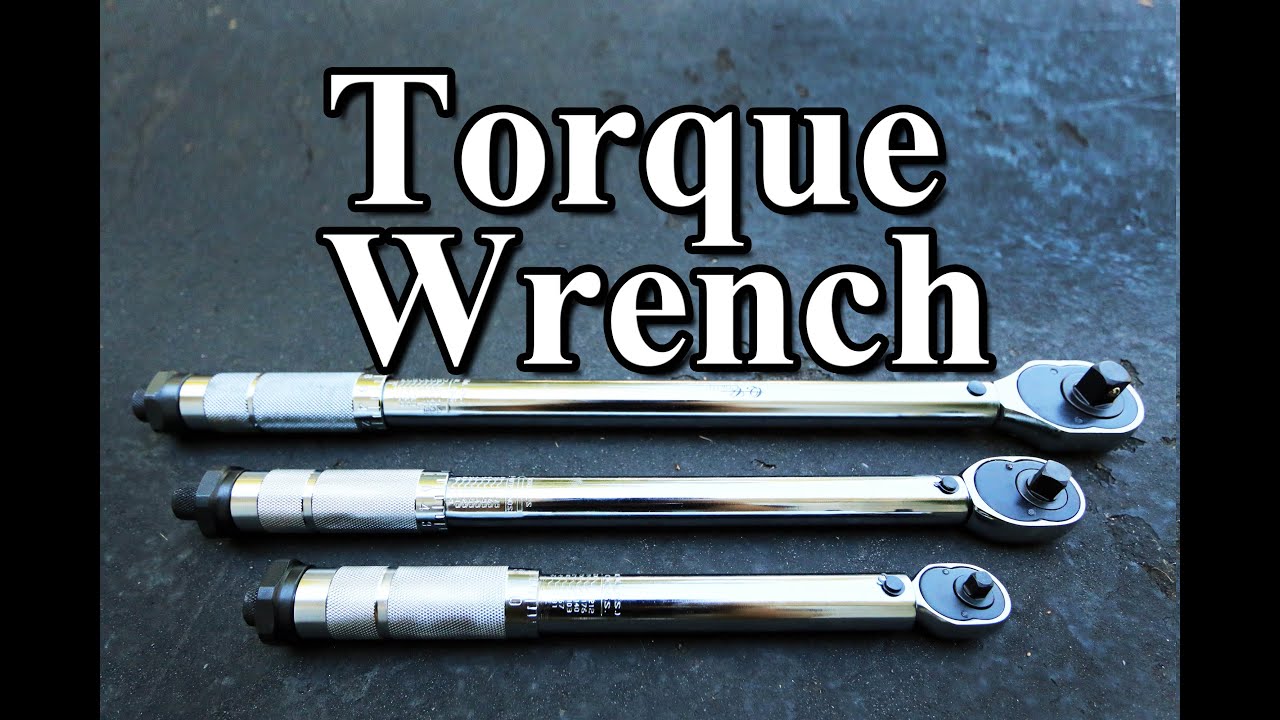
Picking the right type helps you work faster and safer.
- Click type. Set the value. Pull until you feel and hear a click. Great for general work.
- Beam type. A pointer moves on a scale. Simple, durable, and does not need batteries.
- Split-beam. Similar to click, with lower friction and stable calibration.
- Digital/electronic. Shows torque on a screen with beeps and lights. Can log data.
- Dial type. High accuracy with a dial face. Common in labs and quality control.
- Torque screwdriver. For small fasteners in electronics or optics.
- Hydraulic/industrial. For very high torque on large bolts, like flanges.
All can answer what is torque wrench used for, but each shines in its own range and setting.
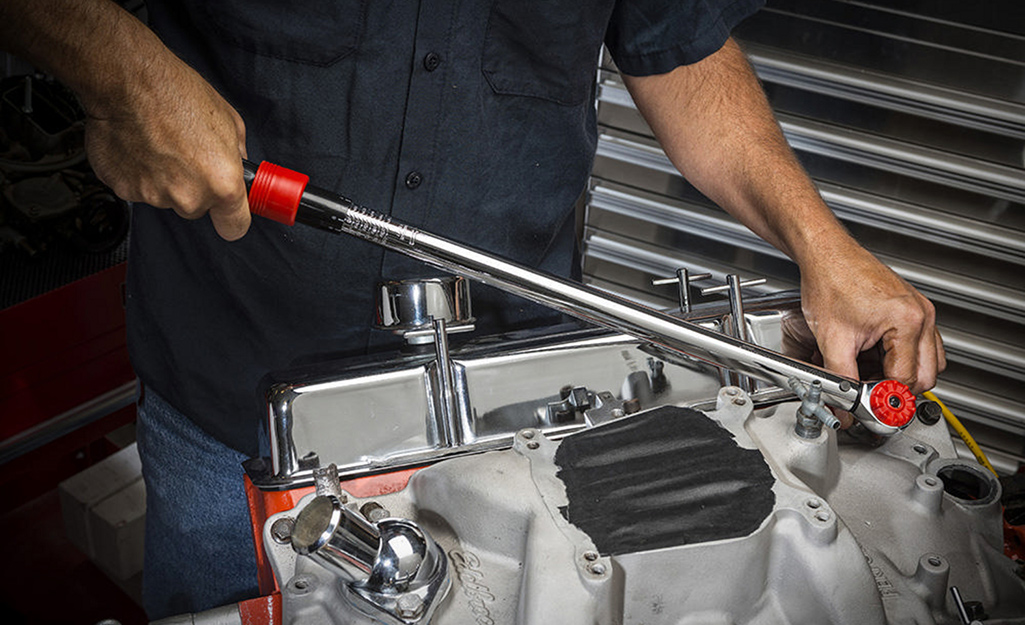
Real-World Uses: what is torque wrench used for?
You will use a torque wrench any time the spec matters. Here are common jobs and ballpark values. Always follow the maker’s spec.
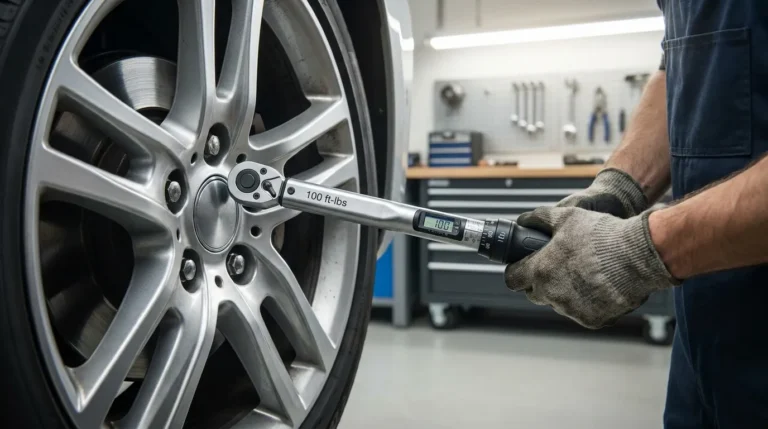
- Automotive wheels. Many cars use 80 to 100 ft-lb. Trucks can be higher. Tighten in a star pattern.
- Engine work. Cylinder heads use staged torque and often torque-plus-angle. Spark plugs are often 13 to 25 ft-lb.
- Bikes. Stems, seat posts, and carbon parts use 4 to 6 N·m. Over-torque can crush carbon.
- Oil drain plugs. Often 20 to 30 ft-lb on many cars. Too much torque strips pans.
- Brake parts. Caliper bracket bolts are often 65 to 80 ft-lb. Check your manual.
- Plumbing and HVAC. Flanges and compression fittings call for set torque to avoid leaks.
- Aerospace and industrial. Critical joints use calibrated tools and records.
- Firearms and optics. Scope rings and action screws use low torque to keep zero.
In my shop, I once over-tightened an alloy stem by hand. It cracked. Since then, when friends ask what is torque wrench used for, I say it protects parts, wallets, and pride.
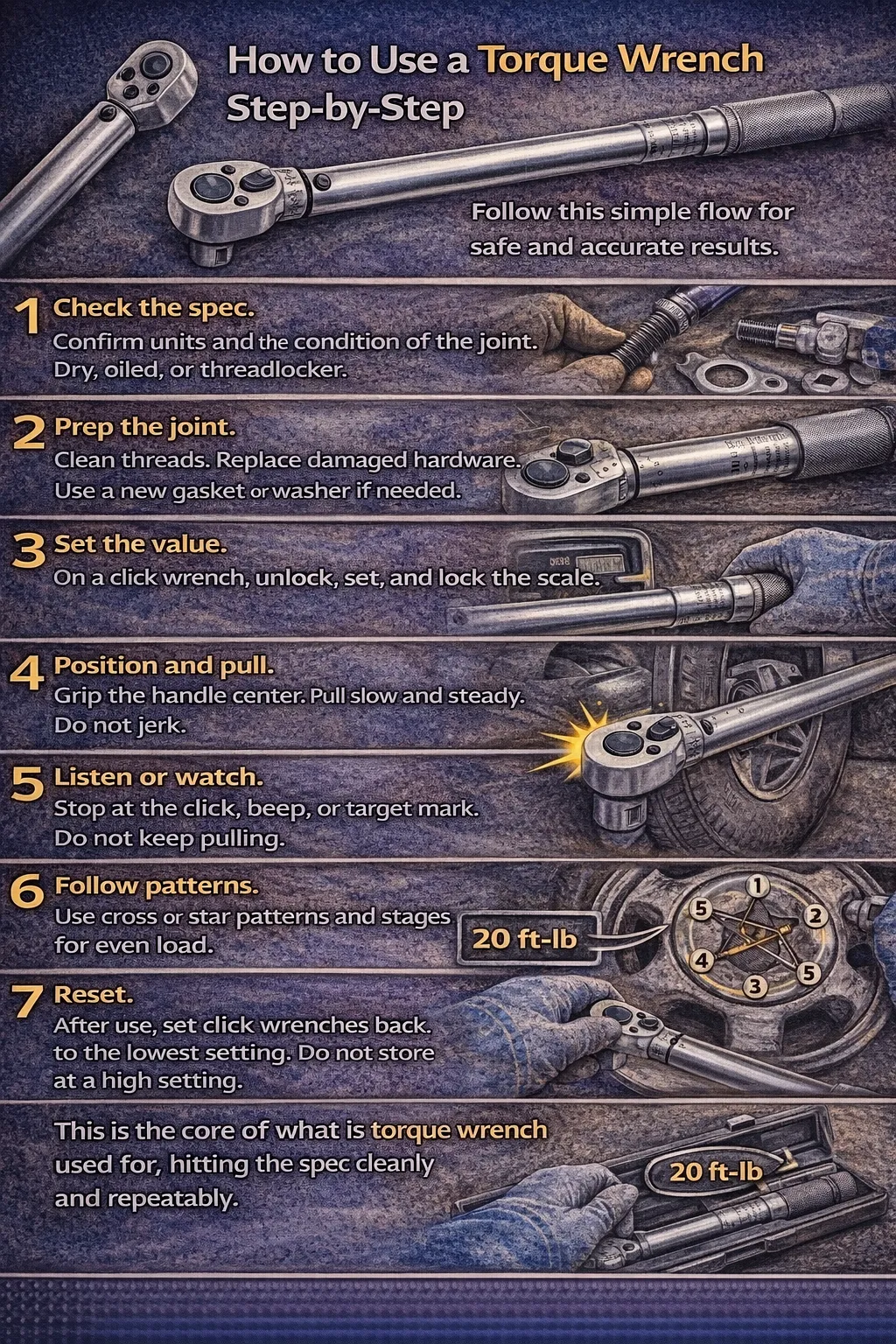
How To Use a Torque Wrench Step-by-Step
Follow this simple flow for safe and accurate results.
- Check the spec. Confirm units and the condition of the joint. Dry, oiled, or threadlocker.
- Prep the joint. Clean threads. Replace damaged hardware. Use a new gasket or washer if needed.
- Set the value. On a click wrench, unlock, set, and lock the scale.
- Position and pull. Grip the handle center. Pull slow and steady. Do not jerk.
- Listen or watch. Stop at the click, beep, or target mark. Do not keep pulling.
- Follow patterns. Use cross or star patterns and stages for even load.
- Reset. After use, set click wrenches back to the lowest setting. Do not store at a high setting.
This is the core of what is torque wrench used for: hitting the spec cleanly and repeatably.
Calibration, Care, and Accuracy
Quality tools claim about ±3% to ±4% accuracy clockwise in the mid-range. Keep it that way with care.
- Calibrate yearly, or every 5,000 cycles, or after a drop. Use a certified lab per ISO 6789 or ASME B107.300 practices.
- Store at the lowest setting for click types. Do not leave them loaded.
- Do not use torque wrenches to break loose stuck bolts. That can damage the mechanism.
- Keep the tool clean and dry. Avoid solvents on the handle or scale.
If you depend on traceable results or audits, this is non-negotiable. It supports trustworthy answers to what is torque wrench used for in quality-critical work.

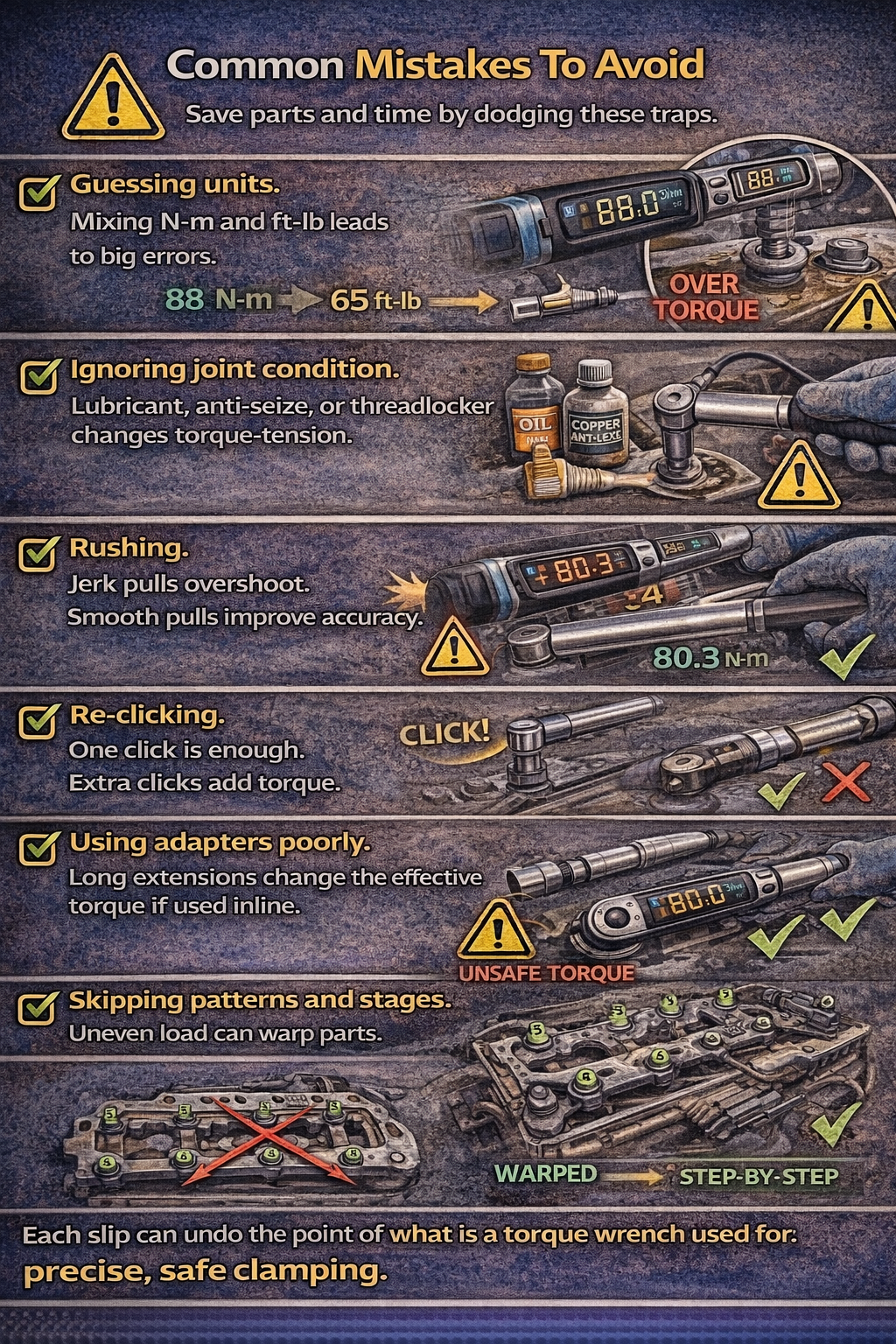
Common Mistakes To Avoid
Save parts and time by dodging these traps.
- Guessing units. Mixing N·m and ft-lb leads to big errors.
- Ignoring joint condition. Lubricant, anti-seize, or threadlocker changes torque-tension.
- Rushing. Jerk pulls overshoot. Smooth pulls improve accuracy.
- Re-clicking. One click is enough. Extra clicks add torque.
- Using adapters poorly. Long extensions change the effective torque if used inline.
- Skipping patterns and stages. Uneven load can warp parts.
Each slip can undo the point of what is torque wrench used for: precise, safe clamping.
Buying Guide: Choosing the Right Torque Wrench
Match the tool to the job for best results.
- Range. Aim for your target to sit in the middle 40% to 80% of the scale.
- Drive size. Use 1/4 inch for small fasteners, 3/8 inch for mid-size, 1/2 inch for wheels, 3/4 inch or 1 inch for heavy work.
- Accuracy and certificate. Look for ±3% to ±4% and a calibration cert.
- Length and comfort. Longer handles reduce effort at higher torque.
- Readability. Clear scales or bright digital screens help in low light.
- Click vs digital. Click is rugged and simple. Digital adds alerts and data.
- Service and parts. Choose brands with support, parts, and easy recalibration.
If your top question is what is torque wrench used for in your home garage, a 1/2 inch click wrench for 30 to 150 ft-lb plus a 3/8 inch for 10 to 80 ft-lb covers most needs.
Safety and Standards
Work safe and follow standards for repeatable results.
- Specs and procedures. Use the maker’s torque spec and the correct sequence.
- Torque plus angle. Many head bolts use a torque-to-yield method. Use a digital angle gauge if needed.
- Thread condition. Clean, dry, or lubricated changes the outcome. Follow the spec note.
- Threadlocker. Use the grade the maker calls for. Blue for serviceable joints is common.
- PPE. Wear eye protection and gloves. Keep hands clear if the tool slips.
- Standards. Follow practices in ASME B107.300 and ISO 6789 for accuracy and calibration.
These habits back up every claim you make about what is torque wrench used for and keep your work safe and consistent.
Frequently Asked Questions of what is torque wrench used for
What is torque wrench used for?
It is used to tighten bolts and nuts to a precise torque value. This protects parts, keeps joints secure, and meets the maker’s specs.
Do I need a torque wrench for wheels?
Yes. It helps avoid warped rotors and loose wheels. Tighten in a star pattern and recheck after a short drive.
Can I use a torque wrench to loosen bolts?
No. Use a breaker bar to loosen first. Using a torque wrench to break loose can damage its mechanism.
How often should I calibrate my torque wrench?
Calibrate yearly or every 5,000 uses, or after a drop. Professional or audited work may need more frequent checks.
What units should I use, N·m or ft-lb?
Use the units in the manual. Many tools switch units, but never mix them when reading a spec.
Why does lubrication change the torque needed?
Lubrication lowers friction, so the same torque gives more clamping force. Always match the spec to the joint condition.
Is a digital torque wrench better than a click type?
Digital offers alerts, data, and angle. Click types are rugged, cheaper, and accurate enough for most home and shop work.
Conclusion
A torque wrench brings control to every joint. It prevents loose parts, stops stripped threads, and delivers the clamping force the engineer planned. Learn the specs, follow the steps, and your work will look and feel pro.
Put it to use today. Pick one task, check the spec, and torque it right. If this helped, share it with a friend, subscribe for more guides, or drop your questions in the comments.