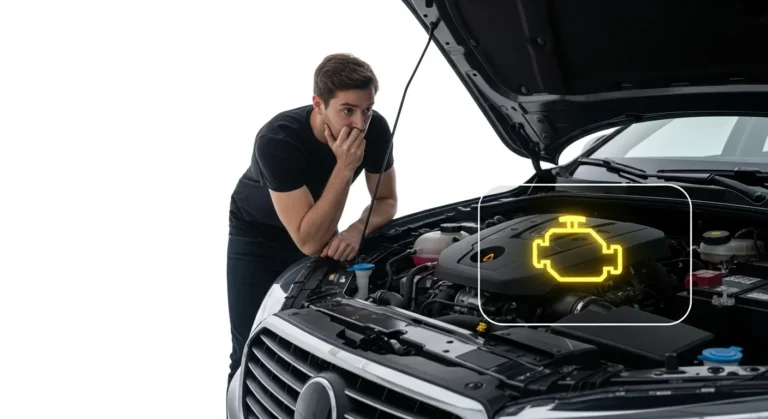

The car battery warning light means the charging system or battery is not working properly.
I’ve spent years repairing cars and helping drivers diagnose dashboard warnings. In this guide I explain the car battery warning light meaning in clear, practical terms. You will learn what the light signals, common causes, safe steps to take, how to tell battery problems from alternator or wiring faults, likely costs, and maintenance tips. Read on to get confident answers and simple actions you can use the next time that light appears.
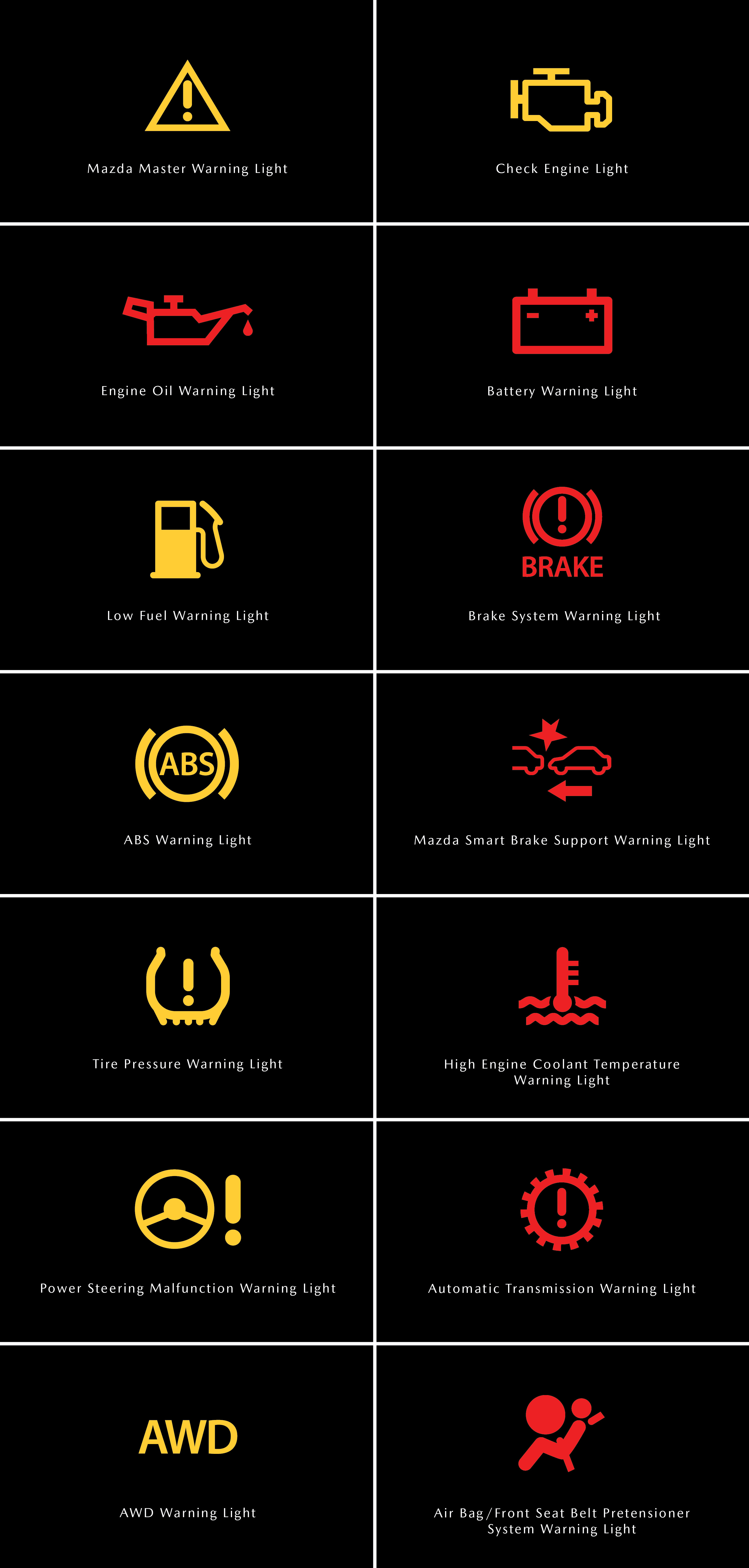
What the car battery warning light means
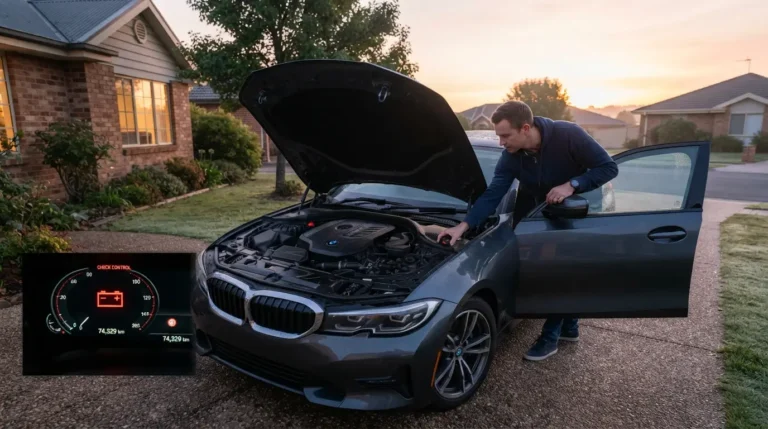
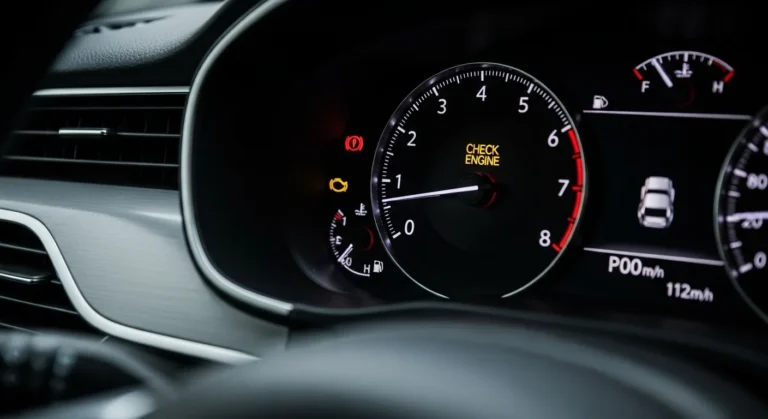
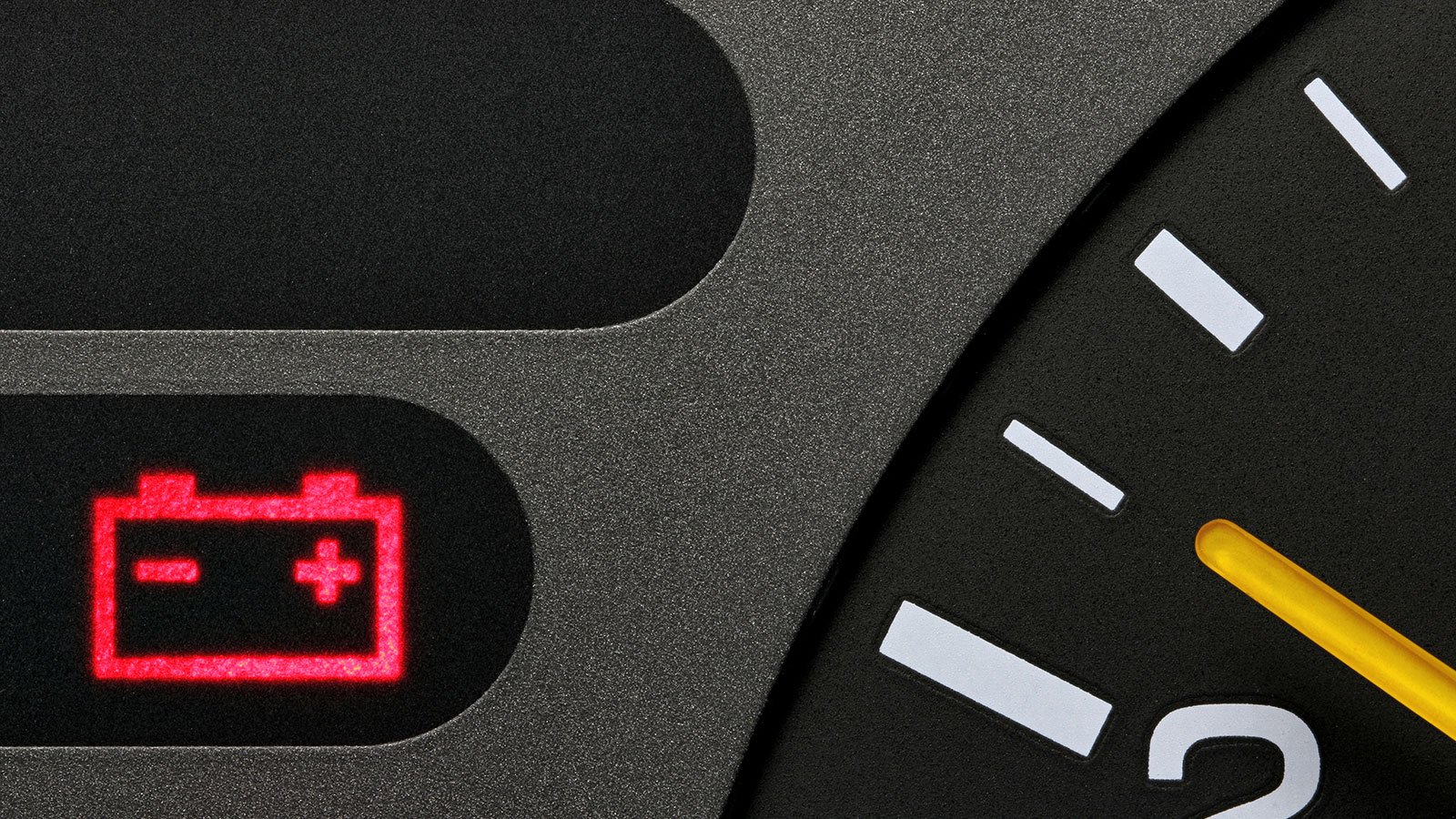
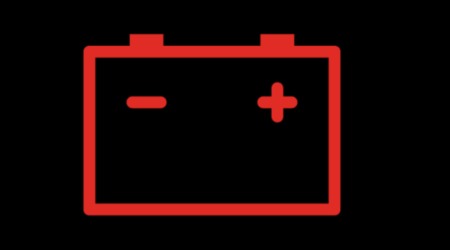
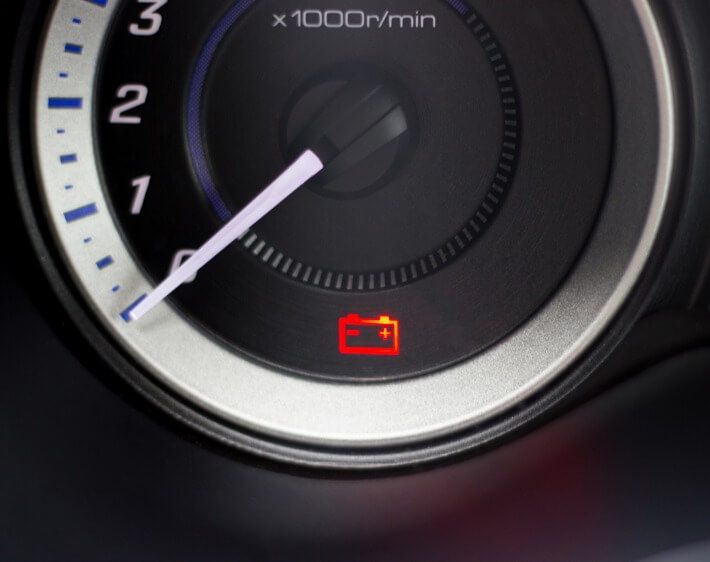
The car battery warning light is a dashboard alert that usually looks like a battery icon. It warns that the vehicle’s charging system is not keeping the battery charged. That can mean a weak battery, a failing alternator, loose cables, or other electrical faults.
The light signals a problem in the charging loop. If ignored, you risk losing power to lights, electronics, and the engine. Knowing the car battery warning light meaning helps you decide what to do next and whether to keep driving.
People also ask
What does a steady battery light mean?
A steady battery light means the charging system is not charging the battery correctly. It often points to alternator or belt issues rather than the battery itself.
What does a flashing battery light mean?
A flashing battery light may indicate intermittent charging problems or a loose wire. It can mean a connection is failing and needs quick inspection.
Can a battery light come on if battery is new?
Yes. A new battery can still trigger the car battery warning light if the alternator or wiring fails. The light points to the entire charging system, not just the battery.
Common causes of the car battery warning light
Battery or alternator failure
- Battery is old, sulfated, or has a bad cell.
- Alternator is failing to produce voltage or current.
Connection and belt problems
- Loose, corroded, or broken battery cables.
- Worn or slipped serpentine belt that drives the alternator.
Electrical faults and accessories
- Faulty voltage regulator or diode within the alternator.
- High-draw accessories or aftermarket electronics overloading the system.
Sensor and ECU issues
- Bad battery sensor or charging control module.
- Software glitches in modern vehicles that monitor charging.
I’ve seen cars where a corroded clamp looked fine but cut charging by half. Small signs often point to bigger issues. The car battery warning light meaning often narrows to one of these causes, but good diagnosis matters.

Immediate steps to take when the battery light comes on
Stay calm and act safe. Follow these steps:
- Turn off nonessential accessories such as the radio, heated seats, and A/C to reduce load.
- Check dash lights and instrument brightness for changes that show electrical drain.
- If safe, pull over and open the hood to inspect battery terminals and belt for obvious damage or looseness.
- Avoid a long drive. If the vehicle stalls or electronics fail, you could be stranded.
If the battery light comes on while driving, monitor for dimming lights or poor engine performance. These signs mean the alternator may not be charging and you should find a safe place to stop.
How to diagnose battery vs alternator vs wiring issues
Quick checks you can do:
- Visual inspection looks for loose clamps, corrosion, frayed belt, or burned wiring.
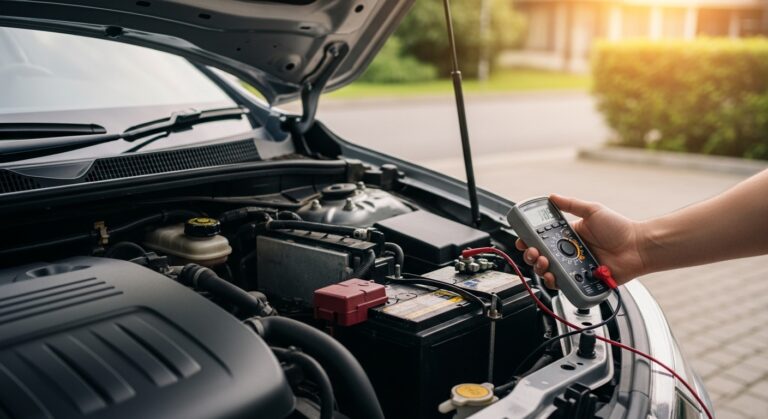
- Voltage check with a multimeter: measure battery voltage with the engine off and then running.
- Engine off: proper battery voltage is about 12.4–12.7 volts.
- Engine running: charging voltage should be about 13.8–14.6 volts.
- Load testing and parasitic draw tests reveal weak batteries or excessive current draw.
When I diagnose, I use a simple meter first. It’s fast and tells you if the alternator is producing charging voltage. If the reading is low with the engine running, the car battery warning light meaning likely points to the alternator or regulator.
Repair options and typical costs
Common fixes and expected price ranges (approximate):
- Clean or tighten battery terminals
- Low cost, often free if you do it yourself.
- Replace battery
- Small to midsize cars $80–$200 depending on battery type.
- Replace alternator
- $300–$800 including parts and labor for many vehicles.
- Replace serpentine belt or tensioner
- $50–$200 depending on model and labor.
- Fix wiring, sensors, or control modules
- Costs vary widely; small repairs can be $50, complex module work can exceed $500.
Costs depend on your car, region, and whether you use OEM parts. Repairs often save time and money versus repeated jump starts or roadside assists.

Preventive maintenance to avoid the battery light
Simple habits that cut risk:
- Inspect battery terminals every 3 months for corrosion and tightness.
- Test battery health yearly after three years of service.
- Replace the battery proactively at 4–6 years, depending on climate and use.
- Keep belts and pulleys in good condition and replace when worn.
- Limit high-draw accessories and avoid leaving electronics on when the engine is off.
I learned this the hard way after a winter where I let a battery sit weak. A cheap yearly test would have prevented a tow. Regular care keeps the car battery warning light from surprising you.
When to call a professional
Call a mechanic or roadside service if:
- The engine stalls or electrical systems fail while driving.
- You cannot safely check battery connections or lack tools.
- Voltage readings show a charging problem but you can’t locate the cause.
- You prefer a fast, guaranteed fix and a trained diagnosis.
A professional can run a full charging system test, inspect the alternator under load, and clear any electrical codes. Getting it checked early avoids being stranded and protects other electronics.

Frequently Asked Questions of car battery warning light meaning
What should I do if the battery light turns on while driving?
Safely reduce electrical load and head to a safe stop. Check belts and connections if you can, and have the charging system tested promptly.
Can a weak battery trigger the car battery warning light?
Yes. A weak or failing battery can cause the light to come on because the system senses low voltage or poor charge retention.
Is it safe to drive with the battery light on?
Short drives may be possible, but it’s risky. If the alternator has failed, the car can stall and leave you stranded.
How long can I drive with the battery light on?
There’s no fixed time. If the alternator is not charging, the battery will drain in minutes to a few hours depending on load. Drive only to a safe repair location.
Will jump starting fix the car battery warning light?
A jump start can get you moving but it does not fix the root cause. If the alternator or charging circuit is bad, the light will likely come back.
Conclusion
The car battery warning light meaning points to a problem in the charging system. It may be the battery, alternator, cables, or a wiring or sensor fault. Act quickly by reducing load, checking visible connections, and getting a voltage test. Small checks and yearly battery tests prevent many issues and save time and money. If you see the light, don’t ignore it—get a proper diagnosis or professional help. Share your experience, subscribe for updates, or leave a comment about a time the light saved you or surprised you.