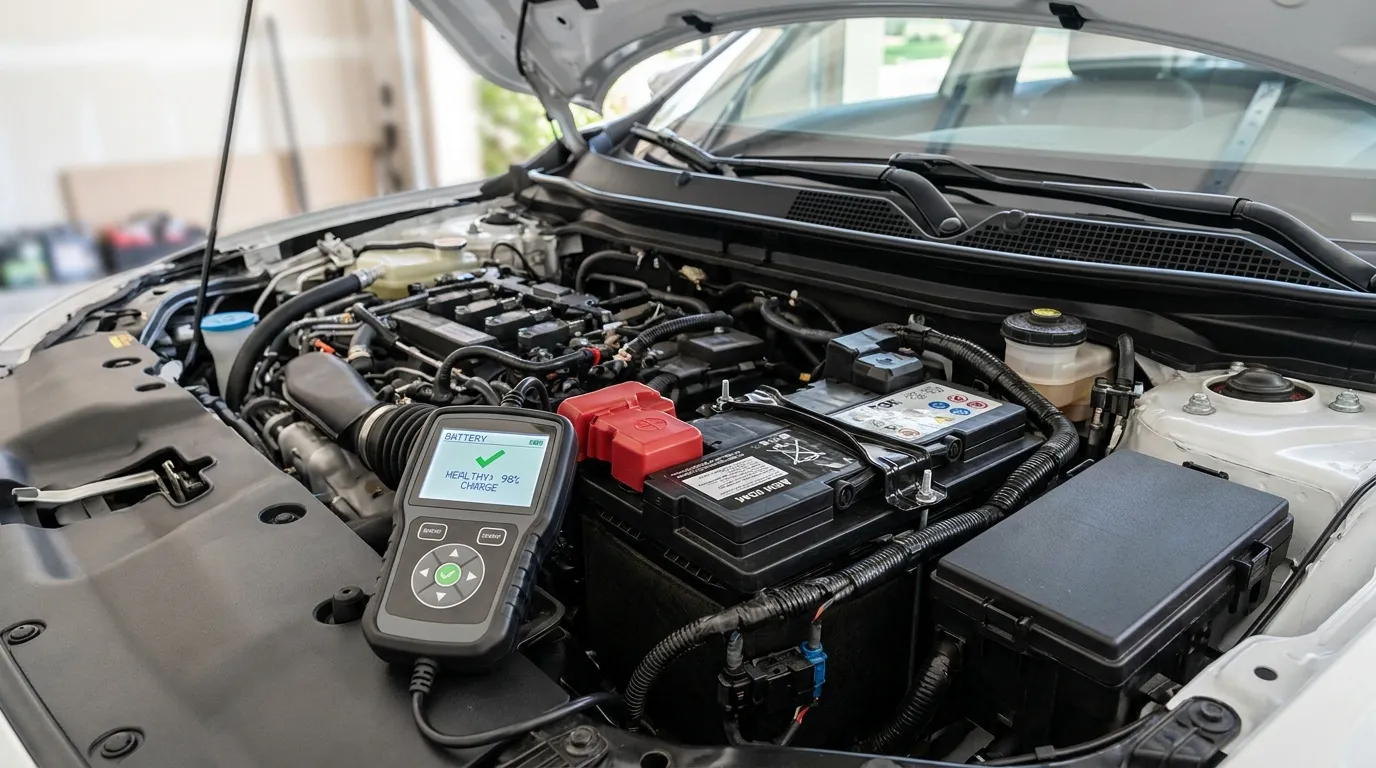
Keep your battery healthy by regular charging, cleaning, and avoiding deep discharge.
I have spent years fixing cars and helping friends with dead batteries, so I know what works. This guide on how to maintain car battery charge breaks down simple habits, testing steps, charging best practices, and storage tips. Read on for practical, proven steps you can apply today to extend battery life, avoid roadside surprises, and save money.
Why car batteries lose charge and what that means
Batteries lose charge for several clear reasons. Age wears down internal plates and reduces capacity over time. Heat speeds up chemical breakdown, and cold cuts available power. Electrical drains, bad charging systems, and loose connections also cause loss.
Knowing why a battery discharges helps you fix the cause and keep it charged. I often see batteries fail after short trips where the alternator never fully charges the battery. The main goal is to prevent deep discharge and to keep the battery topped up regularly so it lasts its rated life.
Daily and weekly habits to maintain car battery charge
Small habits make a big difference. Check these routines and add the ones you’re missing.
- Drive longer at times to let the alternator fully charge the battery. Short trips leave the battery undercharged.
- Turn off lights and accessories when the engine is off. Modern cars still have parasitic draws from alarms and modules.
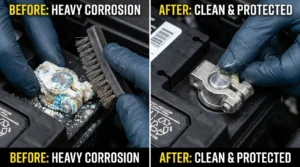
- Keep battery terminals clean and tight. Corrosion blocks current and causes charging problems.
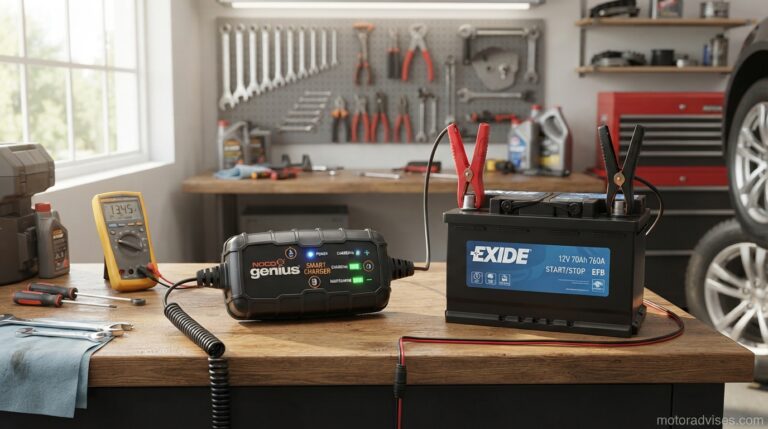
- Use a battery maintainer if you park for days or weeks. A maintainer keeps voltage at safe levels without overcharging.
My tip from experience: carry a small wire brush and battery terminal protector spray. A 10-minute clean every few months prevented three roadside calls for me in one year.
Charging best practices and safe chargers to use
Charge smart to avoid damage and extend life.
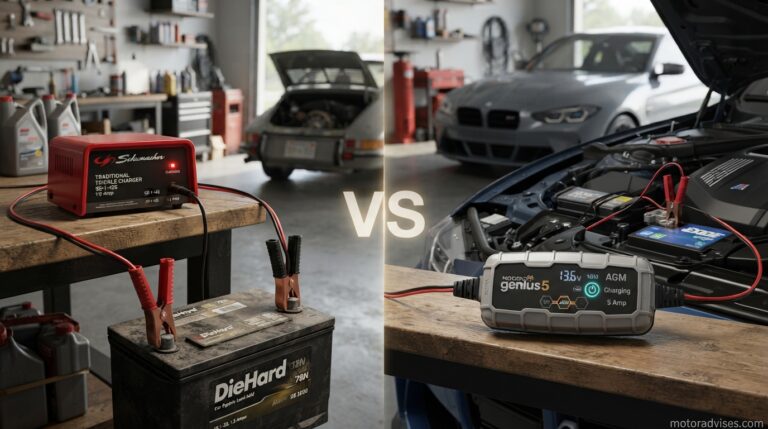
- Use a smart charger or maintainer with automatic voltage regulation. These avoid overcharge.
- For a dead battery, use a charger rated to give a slow, controlled charge. Fast high-amp charging can heat and stress old batteries.
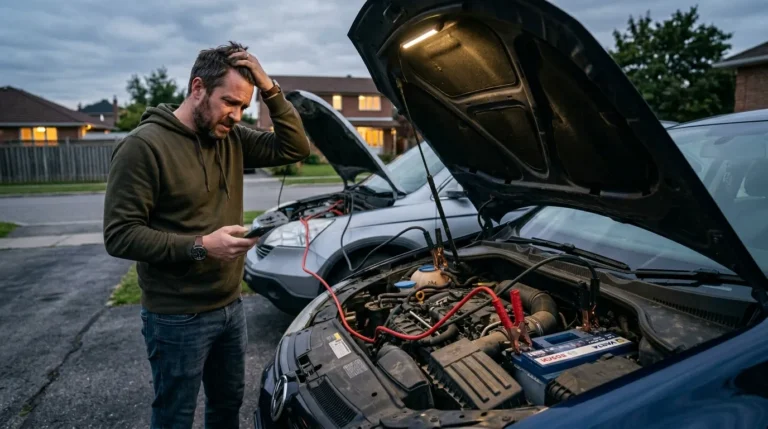
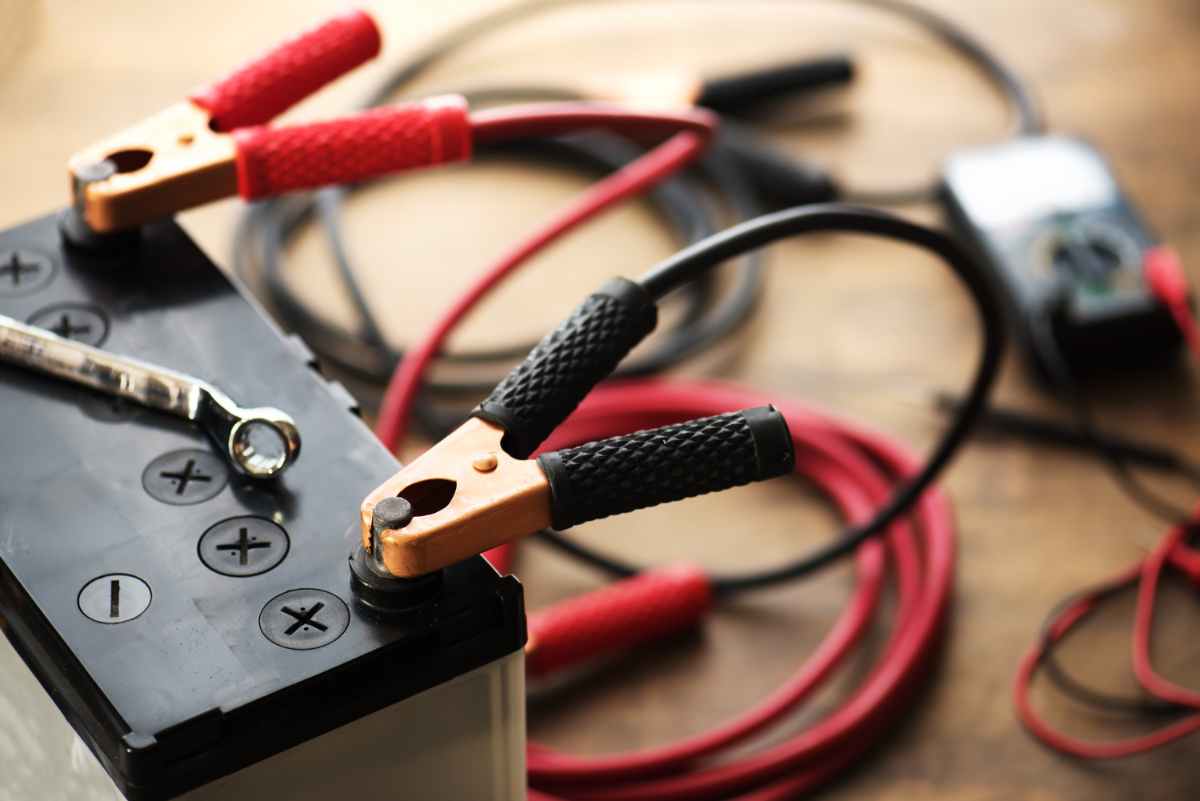
- Avoid jump-starts with improper connections. Follow a safe sequence and use clamps that fit clean metal surfaces.
- If your car sits a lot, plug in a trickle charger during storage. It replaces slow drains and keeps the battery healthy.
Quick answers to common charging questions
How long should I charge a dead battery?
Charge time depends on battery size and charger rate. A slow 2-10 amp charger can take several hours to fully recharge a depleted battery.
Can I charge a frozen battery?
No. If a battery is frozen, thaw it safely first and inspect for damage. Charging a frozen battery can be dangerous and cause rupture.
Is it okay to leave a smart charger on all winter?
Yes, most maintainers are designed for long-term connection and will switch to float mode to prevent overcharging.

Storage and long-term care for parked vehicles
Long storage needs different care than daily driving.
- Disconnect the negative terminal if you will leave the car unused for more than a month and no anti-theft or clock functions are needed. This reduces parasitic drain.
- Place the battery on a maintainer or move it to a warm, dry spot if possible. Cold reduces charge and speeds sulfation.
- Check voltage periodically with a meter. Below 12.4 volts indicates partial discharge and needs attention.
- Inspect mounts and hold-downs. A loose battery vibrates and can suffer internal damage or short circuits.
From my experience storing classic cars, batteries kept on maintainers lasted years longer than those left to sit. Small upfront effort saves a full battery replacement.
Testing, tools, and diagnosing charging problems
Track battery health with simple tools.
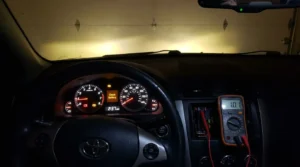
- Use a digital multimeter to read resting voltage. 12.6V is full for a healthy lead-acid battery. 12.4V is about 75% charged.
- Load-test or use a battery analyzer for capacity checks. These tests reveal weak cells and internal resistance.
- Test alternator output with engine running. Typical charging voltage is 13.5–14.7 volts. Lower or higher readings indicate alternator or regulator faults.
- Look for parasitic drain by measuring current with everything off. Draws above 50–100 mA usually need troubleshooting.
When I diagnose electrical drains, I remove fuses one at a time to find the circuit causing the draw. That method finds hidden accessories or faulty modules quickly.
Common mistakes to avoid when maintaining a battery
Some habits actually harm batteries. Avoid these.
- Don’t repeatedly jump-start instead of fixing the root cause. That masks a bad battery or charging system.
- Don’t overcharge with basic chargers. Simple chargers can fry a battery if not monitored.
- Don’t ignore corrosion or loose cables. Bad connections mimic dead batteries.
- Don’t store a partially charged battery for long periods. Sulfation reduces the battery’s capacity over time.
Once I replaced a battery that looked fine but failed load tests. The owner had used frequent quick charges and never cleaned terminals. Fixing both issues would have extended the old battery’s life.
Source: mach1services.com
Practical maintenance checklist you can follow weekly and seasonally
Use this checklist to keep things simple and effective.
Weekly
- Check for lights or accessories left on. Start engine and let it run if needed.
- Quick visual check of terminals and case for damage.
Monthly
- Measure resting voltage with a multimeter.
- Clean and tighten terminals if needed.
Seasonally
- Test alternator output and battery capacity.
- Use a maintainer over winter or long storage.
This checklist kept my shop customers’ cars reliable and cut out many emergency calls. Small checks prevent big problems.

Frequently Asked Questions of how to maintain car battery charge
How often should I charge my car battery if I drive rarely?
Charge or run the car weekly for 20–30 minutes at highway speeds when possible. If not, use a smart maintainer to keep the battery topped up.
What voltage means my battery is fully charged?
A resting voltage around 12.6 volts usually means a full charge for a 12V lead-acid battery. Slightly lower values indicate partial charge.
Can modern cars drain a battery overnight?
Yes. Modern electronics draw small amounts of current even when off. A weak battery or multiple short trips can lead to overnight drain.
Is a trickle charger the same as a maintainer?
No. A trickle charger supplies a low continuous current and can overcharge older batteries. A maintainer uses smart charging to hold voltage safely.
How long do car batteries typically last?
Most lead-acid car batteries last between 3 and 5 years under normal conditions. Extreme heat, deep discharges, and poor charging shorten life.
Conclusion
You can prevent most battery problems with simple care. Clean terminals, steady charging, and routine testing are key to how to maintain car battery charge and keep your car reliable. Start with the easy checklist, use a smart charger when needed, and fix charging system issues promptly. Take action today: check your battery, pick one small habit to add, and share this guide with friends who hate dead batteries. Leave a comment with your battery questions or tips.