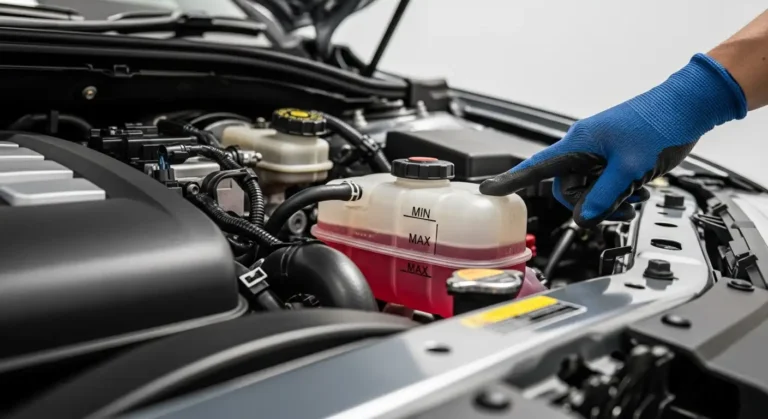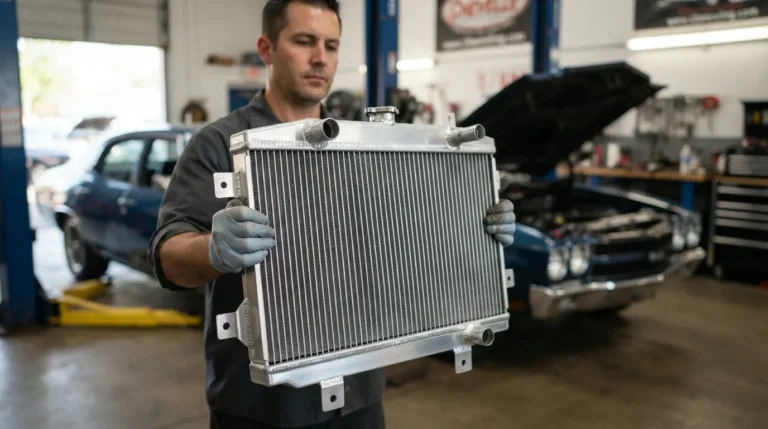
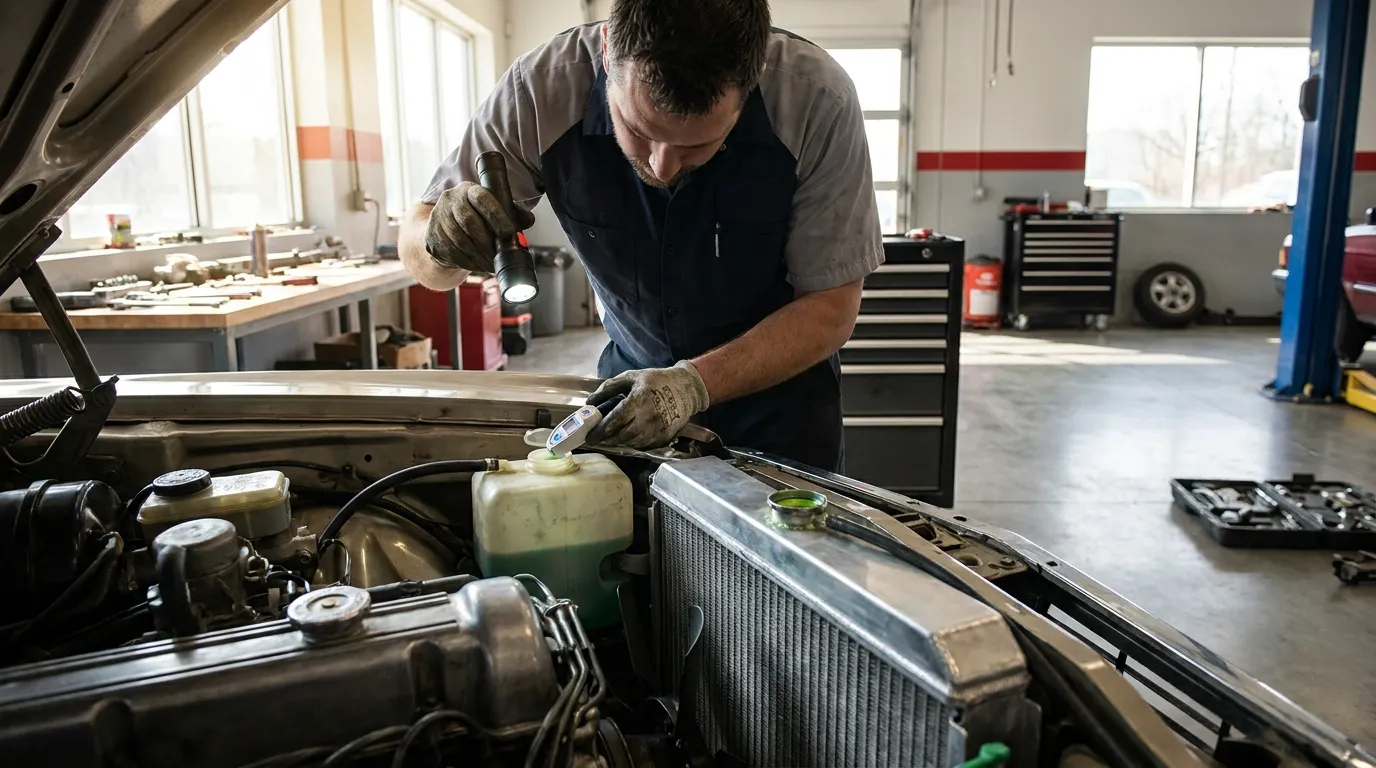
Regular checks, bleeding, and periodic flushing keep radiators efficient and trouble-free.
I’ve spent years servicing home heating systems and writing about easy fixes. This guide on radiator maintenance tips explains what to do, when to act, and how to save energy and money. You’ll get clear steps, safety notes, and real-life lessons so you can keep your radiator working well all year.
Why radiator maintenance matters
Routine care keeps a radiator running longer and heats your home more evenly. Neglect can cause cold spots, leaks, higher bills, and expensive repairs.
Good radiator maintenance tips help cut energy waste and avoid emergency calls. I’ve seen small fixes stop big problems. Regular checks also improve comfort and safety in your home.
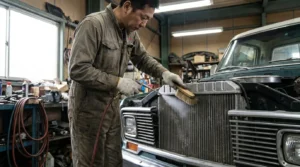
Essential radiator maintenance tips
Follow these radiator maintenance tips to prevent common issues. Each step is simple and can be done with basic tools.
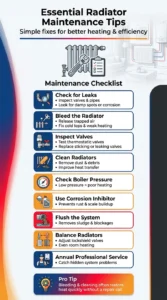
- Check for leaks visually and feel for dampness around valves and pipes. Even small drips can mean corrosion or loose fittings.
- Bleed radiators to remove trapped air. Use a radiator key, open the valve until water appears, then close it. Bleeding fixes cold tops and improves flow.
- Inspect and test radiator valves. Make sure thermostatic and lockshield valves move smoothly. Replace valves that stick or leak.
- Clean radiator surfaces and behind units. Dust reduces heat transfer. A quick vacuum or brush keeps heat moving into the room.
- Check boiler pressure and system pressure gauges. Low pressure often causes poor heating and cold radiators.
- Use corrosion inhibitor during a flush or when topping up the system. Inhibitors slow scale and rust that cause blockages.
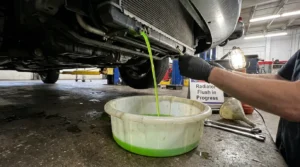
- Flush the system when needed. A power or chemical flush removes sludge and rust. This is a key radiator maintenance tip for old systems.
- Balance radiators by adjusting lockshield valves so each room heats evenly. Balancing often fixes rooms that are too hot or cold.
- Schedule an annual service for the boiler and a full system check by a certified engineer. Professional checks catch issues DIY cannot.
From my experience, bleeding and cleaning are the most effective regular radiator maintenance tips. They often restore heat without a service call.
Seasonal maintenance checklist
Tackle these radiator maintenance tips at the right time of year to avoid surprises.
- Autumn: Bleed all radiators, test valves, and run the heating briefly to find cold spots.
- Winter: Monitor pressure and listen for unusual noises. Top up coolant only if system is cool.
- Spring: Flush and clean if you noticed sludge during winter. Inspect for leaks after long use.
- Summer: Turn off the heating and inspect radiators for paint flaking, rust, and dust. Use this downtime for deeper work.
Doing these seasonal radiator maintenance tips prevents peaks in energy bills and keeps the system reliable when you need it most.
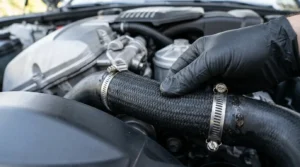
Troubleshooting common radiator problems
Here are quick fixes and when to seek help for common issues.
- Cold spots on radiator
- Cause: Trapped air or sludge.
- Fix: Bleed radiator and, if still cold, consider a system flush.
- Radiator making banging or gurgling noises
- Cause: Air in system or poor circulation.
- Fix: Bleed radiators and check pump settings.
- Leaks near valves or joints
- Cause: Worn seals or loose fittings.
- Fix: Tighten fittings when cool, replace faulty valves, or call a pro if corrosion is visible.
- Low heat overall
- Cause: Low boiler pressure, faulty thermostat, or blocked pipes.
- Fix: Check boiler pressure, reset thermostat, and bleed radiators.
- Radiator rust or paint flaking
- Cause: Moisture and age.
- Fix: Sand and treat rust, repaint with radiator-safe paint, and monitor for leaks.
These radiator maintenance tips help you spot root causes fast. If repairs need draining the system or soldering, hire a licensed technician.
DIY vs professional service
Decide which radiator maintenance tips you can do and what should be left to pros.
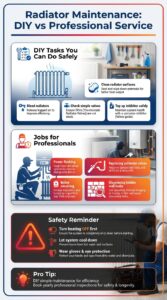
- DIY tasks you can do safely
- Bleeding radiators, cleaning, simple valve checks, and topping up inhibitor.
- Tasks for professionals
- Power flushing, replacing valves soldered to pipes, boiler servicing, and diagnosing leaks inside walls.
- Safety note
- Always turn off the heating and let the system cool before working on radiators. Wear gloves and eye protection when needed.
My tip: handle simple radiator maintenance tips yourself, but book an annual pro inspection. It catches hidden problems and maintains warranties.
Cost-saving and safety considerations
Smart radiator maintenance tips save money and reduce risk.
- Lower bills: A clean, balanced system uses less energy. Small acts like bleeding often lower boiler run-time.
- Fewer repairs: Early detection of leaks and sludge avoids large repair bills. Preventive care extends component life.
- Safety: Regular checks prevent overheating, leaks, and pressure-related failures. Boilers and radiators can be hazardous if ignored.
- Budget tips
- Combine services with neighbors if possible to reduce callout costs. Keep a simple toolkit on hand for small jobs.
I once saved a homeowner hundreds by spotting a slow leak during a routine bleed. That small radiator maintenance tip prevented pipe damage to the floor.
Source: tractortoolsdirect.com
Tools and supplies for radiator maintenance
Keep these items ready for common radiator maintenance tips and quick fixes.
- Radiator key for bleeding valves.
- Adjustable wrench and pliers for valve nuts.
- Soft brush or vacuum tool for cleaning dust.
- Towels and a container to catch water while bleeding.
- Inhibitor fluid for preventing corrosion.
- Replacement valve seal kits and PTFE tape.
- Pressure gauge or guide to interpret boiler pressure.
Having these on hand makes radiator maintenance tips easier and faster to carry out.
Proven timeline and maintenance schedule
A simple schedule helps you keep on top of radiator maintenance tips without stress.
- Monthly
- Visually inspect radiators and valves. Check for leaks or cold spots.
- Every season
- Bleed radiators, clean surfaces, and test thermostat settings.
- Annually
- Full boiler and system service. Consider flushing if older than 10 years.
- As needed
- Address noises, leaks, or poor heat immediately.
Stick to this plan and you will notice fewer problems and steadier heat across your home.
Frequently Asked Questions of radiator maintenance tips
How often should I bleed my radiators?
Bleed radiators at least once a season or whenever you notice cold spots. Frequent bleeding may indicate a deeper issue that needs professional attention.
Can I add inhibitor myself?
Yes, you can add inhibitor when the system is cool and partially drained, following product instructions. If you’re unsure, have a technician add it during a service.
What causes radiator cold spots?
Cold spots are usually caused by trapped air or sludge buildup inside the radiator. Bleeding fixes air; a flush may be needed for sludge.
Is power flushing necessary for old systems?
Power flushing helps when many radiators have sludge or poor heat transfer. It is often recommended for older systems but should be done by a professional.
When should I replace a radiator valve?
Replace a valve if it leaks, sticks, or shows corrosion at the joint. Faulty valves often lead to inefficient heating and should be fixed promptly.
Can radiator maintenance improve my energy bills?
Yes. Regular radiator maintenance tips like bleeding, cleaning, balancing, and using inhibitors improve efficiency and lower run times. Small steps add up to real savings.
Conclusion
Good radiator maintenance tips save money, improve comfort, and reduce emergency repairs. Start with simple habits: bleed radiators, clean surfaces, check valves, and schedule an annual service. Take one small action this week—bleed a radiator or check your boiler pressure—and make maintenance a habit. Share your results, ask questions, or subscribe for more home heating tips.