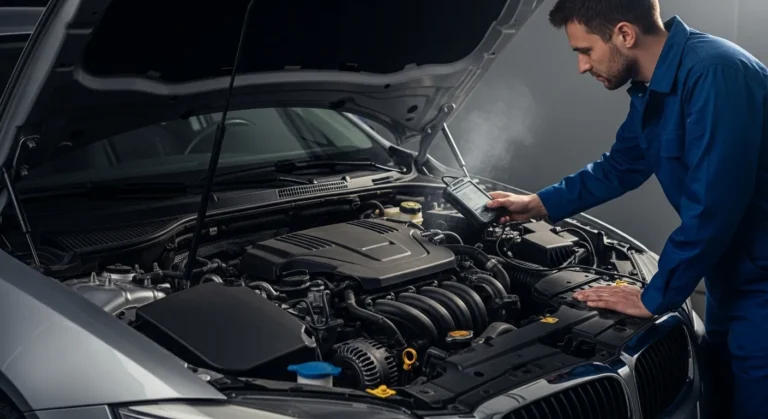

Cleaner throttle bodies restore smooth idle, sharper throttle response, and better fuel economy.
If you want a quick win for drivability, throttle body cleaning benefits are hard to beat. I’ve cleaned hundreds in shops and in my own garage, and the payoff is real. Stay with me as we break down throttle body cleaning benefits, how buildup happens, what to expect, and the safe steps to do it right.
What a Throttle Body Does (And Why It Gets Dirty)
The throttle body controls how much air enters the engine. It works with the accelerator pedal and sensors to set airflow. Your engine computer then adds fuel to match that air.
Over time, oil vapor and soot coat the throttle plate and bore. Modern engines use PCV systems and EGR flow that push residue into the intake. That sticky film upsets airflow at idle and light throttle, where precision matters most. Understanding this helps explain throttle body cleaning benefits.

How Carbon Buildup Hurts Performance
Think of the throttle body like a door. When the hinges gum up, the door sticks. A dirty throttle can stick or fail to close in a smooth way. The computer then chases the right idle and fuel mix.
Buildup can lead to common issues:
- Rough or high idle
- Hesitation off the line
- Stalling at stops
- Worse fuel economy
- A throttle that feels laggy or notchy
I have seen fuel trims calm down after a simple clean. In several cases, the check engine light for idle speed cleared once airflow stabilized.

Throttle Body Cleaning Benefits You Can Feel
This is where throttle body cleaning benefits shine. Small changes in airflow at idle have a big effect on how the car feels. A clean bore and plate help the computer control idle air again.
Key throttle body cleaning benefits include:
- Smoother, stable idle that does not hunt
- Quicker throttle response with less hesitation
- Easier cold starts and fewer stalls
- Potential fuel economy gains, often 1–3% in my experience
- Fewer false idle codes and reduced carbon smell
On several late-model, drive-by-wire cars, I measure idle speed drop to spec after cleaning. Many drivers notice the smoother takeoff right away. The sum of these throttle body cleaning benefits shows up on every commute.

Signs Your Car Needs Throttle Body Cleaning
You do not need to guess. Look for these simple tells:
- Idle jumps up and down when stopped
- Light throttle feels jerky or slow
- Black ring of soot around the throttle plate
- Codes like P0507 (idle high), P2111 (stuck open), or P2176 (learn not complete)
- Poor fuel economy without other clear causes
These point to airflow control issues. Clean first before buying parts. You might fix the root cause with a low-cost step and enjoy full throttle body cleaning benefits.
DIY vs. Professional Cleaning: What I Recommend
You can do this at home with care. Spray, wipe, reassemble, and do an idle relearn. If the throttle body is hard to reach or you have a turbo, a pro may save time.
My rule of thumb:
- DIY if you can see and reach the throttle with basic tools
- Pro service if the intake must come off or space is tight
- Pro scan tool needed if the car needs a special relearn
Either way, you still get throttle body cleaning benefits. The choice is about access, time, and risk tolerance.

Step-by-Step: Safe Throttle Body Cleaning
Before you start, read your owner’s manual. Many modern throttles have a protective coating. Use a cleaner that is labeled safe for throttle bodies.
Steps I follow on most cars:
- Park, cool the engine, and disconnect the negative battery terminal if your car needs an idle relearn.
- Remove the intake tube and clamps. Inspect the tube for cracks.
- Hold the throttle plate open by pressing the gas pedal with the key on, engine off. Do not force the plate by hand on drive-by-wire units.
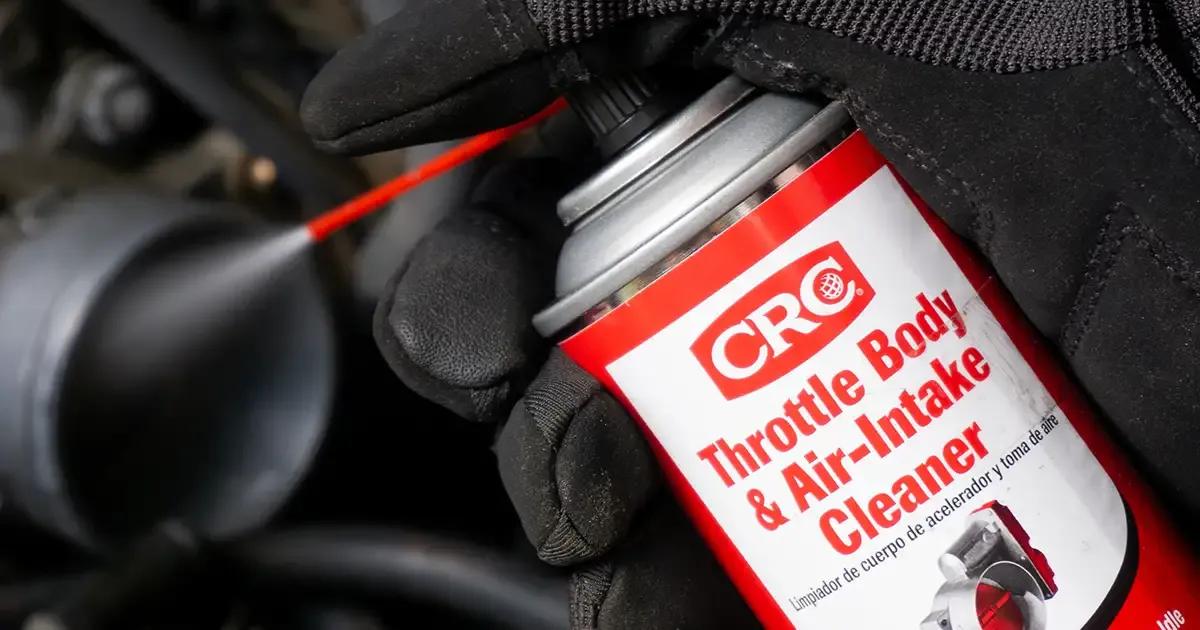
- Spray throttle body cleaner on a lint-free cloth. Wipe the bore and the edges of the plate. Avoid soaking sensors.
- Repeat until the black ring is gone. Do not scrape.
- Reassemble the intake. Check for air leaks.
- Start the engine. It may flare and stumble at first. Let it idle for 5–10 minutes. Then take a short drive with mixed speeds to complete relearn.
Done well, you will feel throttle body cleaning benefits on the first drive. The pedal feels crisp. Idle sits steady. Fuel trims look happier on a scan tool.
Source: crcindustries.com
Common Mistakes, Risks, and Myths
I still see these errors in the bay:
- Forcing a drive-by-wire plate by hand. This can damage gears.
- Using harsh carb cleaner on coated throttles. Coatings can peel.
- Spraying cleaner straight into sensors. That can kill a MAF or MAP.
- Skipping gasket replacement when removing the throttle body. Air leaks cause new problems.
- Forgetting the idle relearn. The car may stall or idle high.
One myth says cleaning always fixes poor MPG. It helps if buildup is the cause. It will not fix worn spark plugs, weak coils, or low tire pressure. Be honest about limits, and the throttle body cleaning benefits will still feel great.

Cost, Time, and ROI
DIY cost is low. A can of cleaner and a cloth are often under $15. Labor time runs 20–60 minutes for easy access. Some cars take longer.
Shop prices vary. Expect $80–$200 depending on access and location. The return comes from better drivability and small fuel gains over time. For ride comfort alone, throttle body cleaning benefits are worth it.

Maintenance Schedule and Prevention Tips
You do not need to clean every oil change. I check at 30,000–50,000 miles, or sooner if idle issues show up. Direct-injection and heavy city driving may need more frequent checks.
Simple ways to reduce buildup:
- Use quality fuel from busy stations
- Keep the PCV system healthy
- Change the air filter on time
- Fix intake leaks right away
- Avoid long idles when you can
With steady care, you lock in throttle body cleaning benefits longer.

Related Systems: When Cleaning Won’t Help
Sometimes the throttle is not the real problem. Fuel delivery, spark, and airflow sensors all play a role. If cleaning does not help, test next steps.
Check these items:
- MAF sensor contamination
- Vacuum leaks at hoses or the intake manifold
- Sticking EGR valves
- Weak ignition coils or worn plugs
- Dirty idle air passages on older cable-throttle cars
Rule out each cause so you get the full throttle body cleaning benefits without chasing ghosts.
Frequently Asked Questions of throttle body cleaning benefits
How often should I clean my throttle body?
Every 30,000–50,000 miles is a good range. If you notice rough idle or hesitation, check sooner.
Will cleaning improve gas mileage?
Yes, if buildup was hurting airflow. Gains are often small but real, and smooth driving feel is the bigger win.
Can I use carb cleaner instead of throttle body cleaner?
Use throttle body cleaner that is coating-safe. Carb cleaner can be harsh and may damage modern throttle coatings.
Do I need an idle relearn after cleaning?
Many cars benefit from a relearn. Let the car idle for several minutes, then drive with mixed speeds to help the computer adapt.
Is it safe to move the throttle plate by hand?
On drive-by-wire systems, avoid forcing the plate. Use the gas pedal with key on, engine off, or follow the service manual.
What symptoms point to a dirty throttle body?
Look for rough or high idle, slow throttle response, stalling at stops, and a black ring in the throttle bore.
Will cleaning clear my check engine light?
If the code was from airflow or idle control issues, it may help. Clear the code after cleaning and see if it returns.
Conclusion
A clean throttle body brings back the feel you bought the car for. You get steady idle, quicker response, and fewer surprises at stoplights. Those throttle body cleaning benefits cost little and pay off daily.
If your car stumbles or idles high, check for buildup and take action. Use the steps here, stay gentle, and do an idle relearn. Ready to go deeper? Subscribe for more simple fixes, or drop a comment with your make and model so I can help you plan your next tune-up.