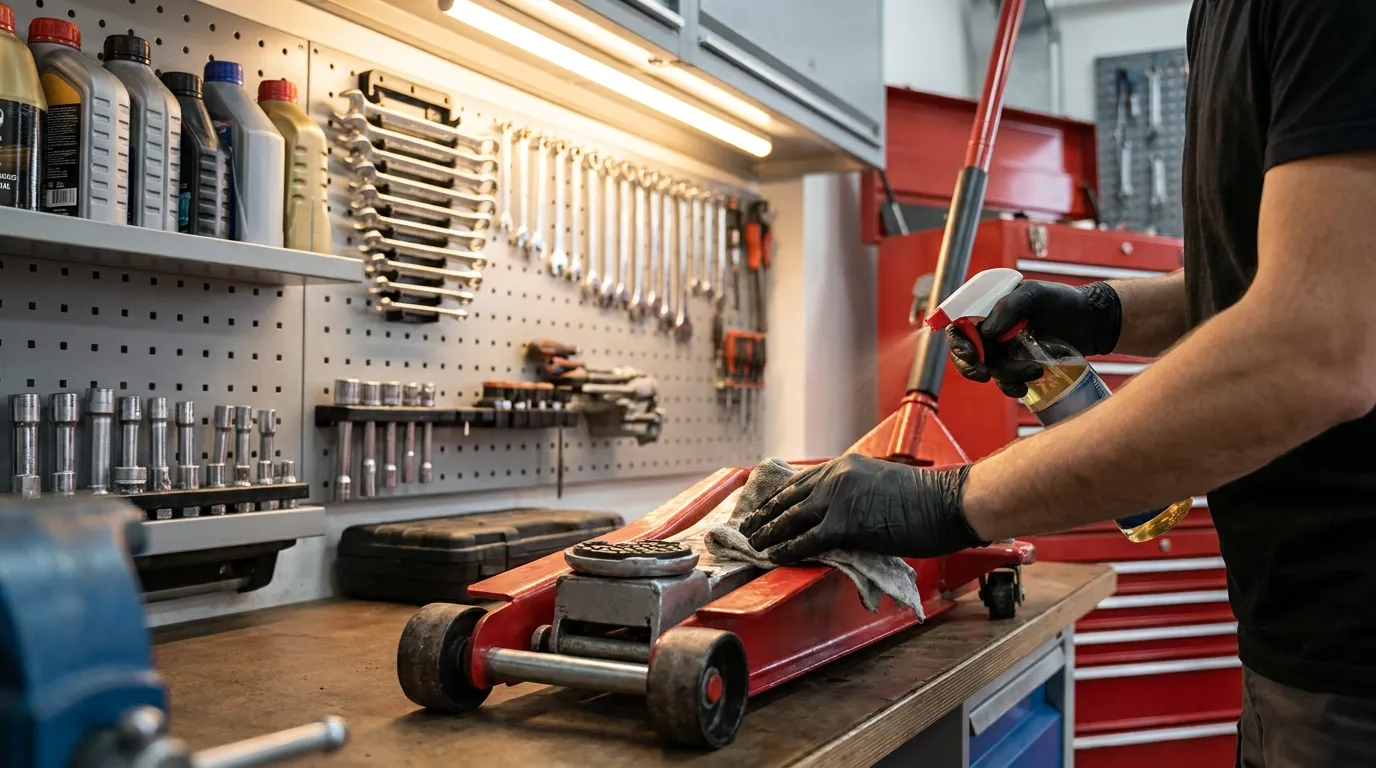
Clean, inspect, lubricate, and test your jack regularly; store it dry and service hydraulic parts annually.
I have worked on cars and maintained tools for years, so I know what is the best way to maintain a car jack. This guide gives clear, practical steps and checks you can use today. You will learn how to inspect parts, fix common problems, and keep safety top of mind. Read on for an easy routine that saves money and keeps you safe.
Why maintain your car jack?
A well‑maintained jack keeps you safe and extends tool life. Regular care prevents failures when you need the jack most. Knowing what is the best way to maintain a car jack helps avoid dangerous slips and expensive repairs.
Maintenance reduces rust, keeps seals intact, and ensures moving parts work smoothly. Small fixes now stop big problems later, and quick checks save time on the road.
Types of car jacks and their maintenance needs
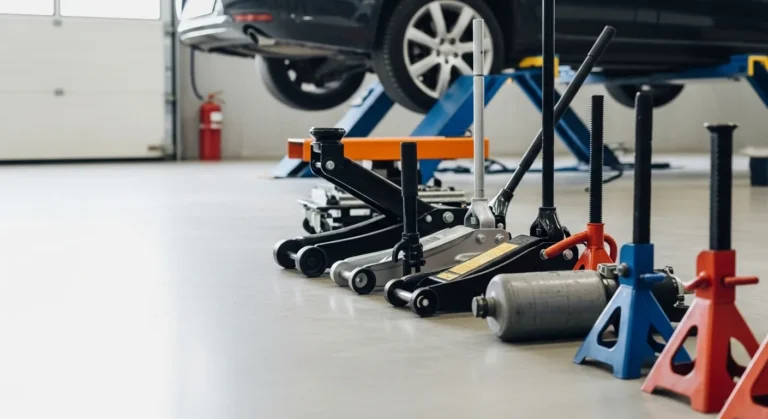
Different jacks need different care. Match the care to the type you own.
- Scissor jacks
- Inspect threads and pivot points. Lubricate screw threads lightly. Keep them clean and free of road grime.
- Bottle jacks (hydraulic)
- Check for fluid leaks and test lift under load. Replace hydraulic fluid and seals when needed.
- Floor jacks (trolley)
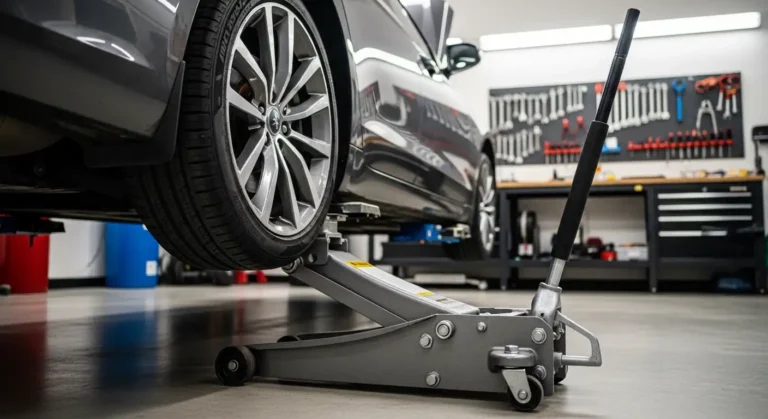
- Grease casters and pump linkages. Inspect the saddle and ram for dents or pitting.
- Hi‑lift jacks
- Keep the lift screw clean and oiled. Check for bent parts and wear on the climbing pins.
Knowing what is the best way to maintain a car jack starts with identifying your jack type. Each has parts that wear in different ways.
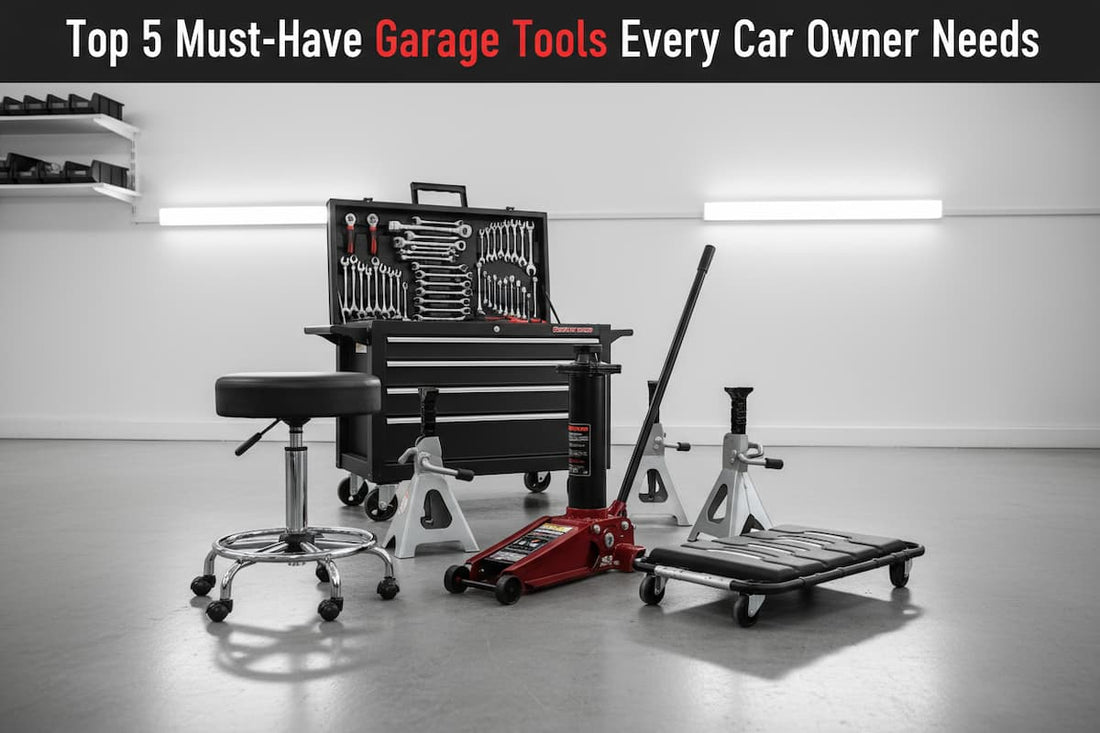
Source: bullsarmor.com
Step-by-step maintenance routine
Follow this routine every few months or before a trip.
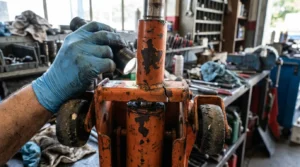
- Visual inspection
- Look for rust, cracks, or bent parts.
- Check welds and pins for damage.
- Clean all surfaces
- Wipe off dirt and road salt with a rag and mild detergent.
- Dry completely to stop corrosion.
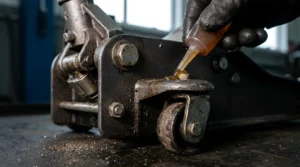
- Lubricate moving parts
- Use a light machine oil on screws and pivots for scissor jacks.
- Use grease on casters and axles for floor jacks.
- Check hydraulic fluid (for bottle and floor jacks)
- Lower the jack and remove the fill plug per the manual.
- Use the correct hydraulic fluid and top up if low.
- Bleed air from hydraulic systems
- Open the release valve and pump slowly to remove trapped air.
- Recheck lift performance.
- Test lift under safe load
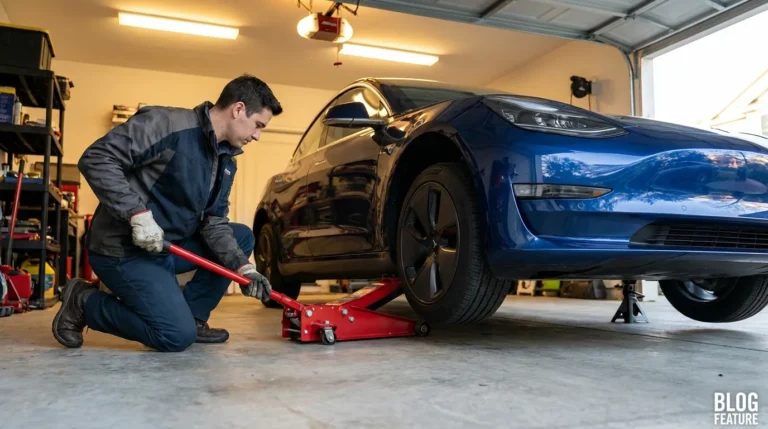
- Use jack stands and lift within the rated capacity.
- Listen for odd sounds and watch for seepage.
- Replace worn parts
- Swap seals, O-rings, and pads at first sign of wear.
- Use manufacturer parts when possible.
Practice the routine and keep a simple log. Writing down dates and repairs helps you track performance and know what is the best way to maintain a car jack over time.
Tools and supplies you need
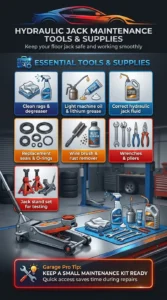
Keep these on hand for proper care.
- Clean rags and degreaser
- Light machine oil and lithium grease
- Correct hydraulic fluid for your jack
- Replacement seals, O-rings, and pads
- Wire brush and rust remover
- Small set of wrenches and pliers
- Jack stand set for testing
Stocking parts and fluids makes maintenance quick. I keep a small kit in my garage. It saved me time when a jack seal began to leak.
Storage, safety, and legal considerations
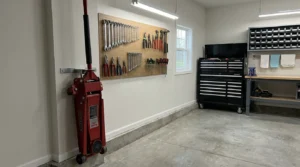
Store jacks clean and dry to prevent rust and seal damage. Keep them off concrete if the floor gets damp. Cover with a tarp or cloth in the garage.
Always follow the jack’s rated capacity label. Using a jack beyond its rating is dangerous and can be illegal in some work settings. Use jack stands, not just the jack, when working under a vehicle.
Label service dates on the jack. This small habit answers the question of what is the best way to maintain a car jack by adding a simple record-keeping step.
Troubleshooting common problems
Here are quick fixes for common issues.
- Jack won’t lift or lifts slowly
- Check hydraulic fluid level and bleed air. Replace fluid if dirty.
- Fluid leaks
- Inspect seals and O-rings. Replace damaged seals and tighten fittings.
- Stiff or seized screw on scissor jack
- Clean threads and apply light oil. If bent, replace the screw or the jack.
- Rusted or frozen casters
- Remove rust with a wire brush and lubricate. Replace caster if damaged.
- Saddle or ram damage
- Replace or recondition parts. Do not use a dented ram; it can fail under load.
These quick steps answer real needs when you ask what is the best way to maintain a car jack during roadside repairs.
Maintenance schedule and checklist
Use a simple schedule and check off tasks.
- Monthly
- Quick visual inspection and wipe down.
- Test lifting action with no load.
- Every 3–6 months
- Clean and lubricate all moving parts.
- Check for surface rust and remove it.
- Annually
- Replace hydraulic fluid and seals as needed.
- Inspect welds and major structural parts. Consider professional service for hydraulic reconditioning.
Keep a small notebook or phone note with dates and actions. This log is a proven way to learn what is the best way to maintain a car jack over years of use.
Frequently Asked Questions of what is the best way to maintain a car jack
How often should I change the hydraulic fluid in a bottle jack?
Change the fluid every 12 months or if it looks dirty or milky. Regular fluid changes keep seals healthy and performance steady.
Can I use WD-40 as a lubricant for my jack?
WD-40 cleans and displaces moisture but is not a long-term lubricant. Use machine oil or grease on moving parts for lasting protection.
Is it safe to use a jack without jack stands?
No. A jack can fail. Always place jack stands under the vehicle after lifting and before working underneath.
How do I know when to replace my car jack?
Replace it if you find cracks, bent parts, major leaks, or repeated failures after repairs. Safety issues mean the jack is no longer reliable.
Can I store a jack outdoors?
Avoid storing outdoors. Moisture speeds rust and damages seals. If you must, use a sealed case and keep the jack off moist ground.
Conclusion
Keeping a jack safe and reliable is simple. Inspect, clean, lubricate, check fluid, test under load, and store dry. These steps tell you what is the best way to maintain a car jack and help you avoid breakdowns and danger. Start a maintenance log today, follow the schedule above, and your jack will last longer and perform better. Try one maintenance cycle this month and leave a comment about your results or questions.