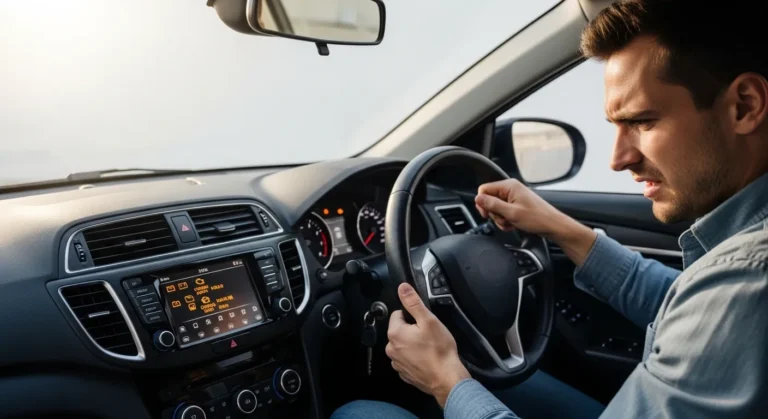
Clicking, grinding, slow cranking, or no crank are common starter motor failure symptoms.
I’ve spent over a decade working on cars and writing guides for drivers and DIYers. This article explains starter motor failure symptoms in plain language. You’ll learn how to spot the signs early, diagnose the issue, and decide whether to repair or replace the starter. Read on for clear steps, real-world tips, and practical checks you can do today.
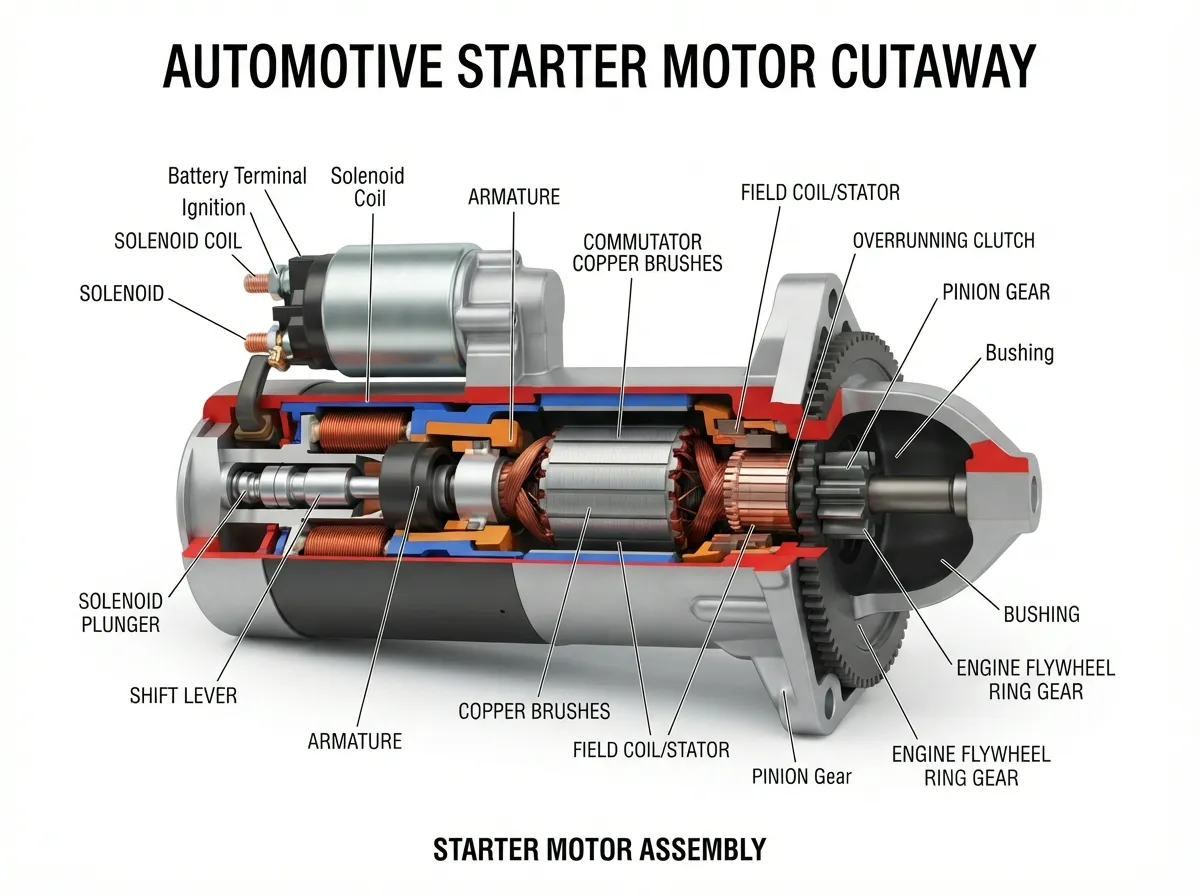
What is a starter motor and why it matters
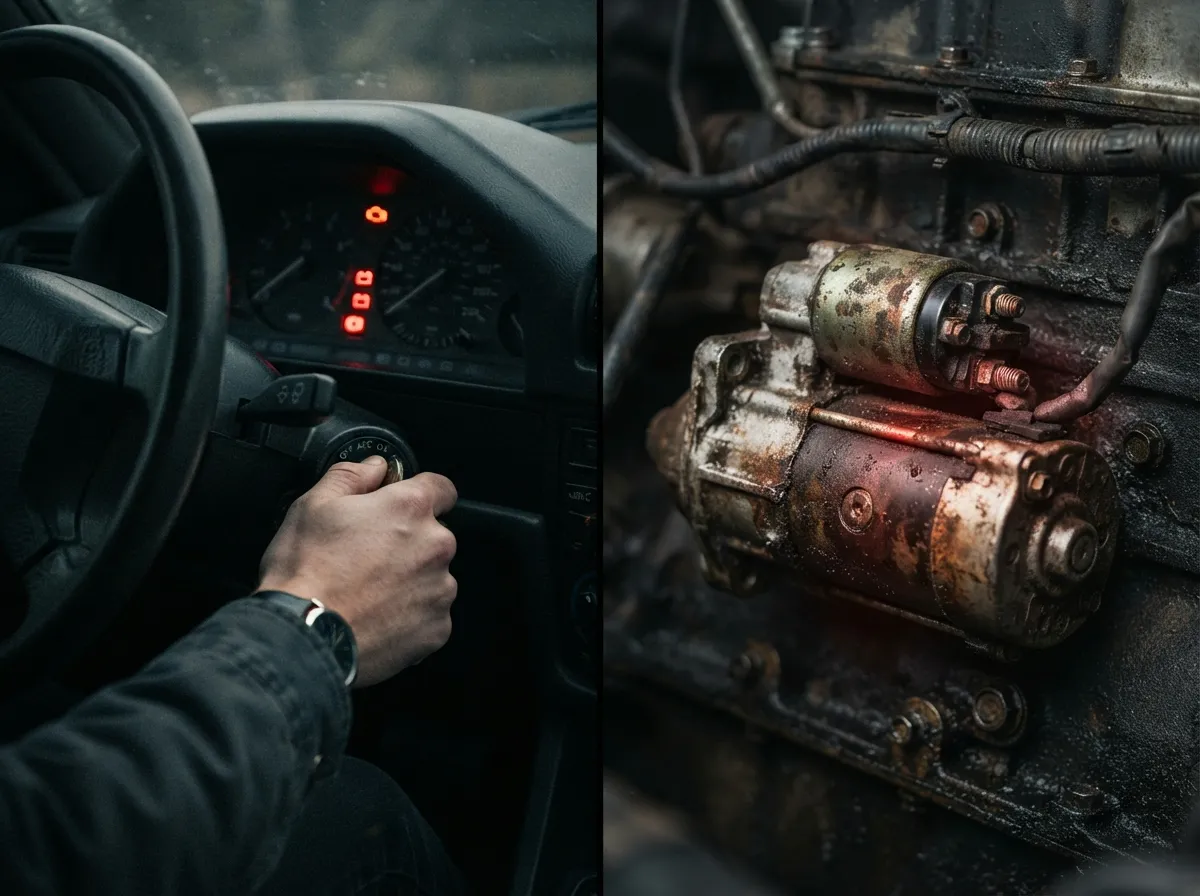
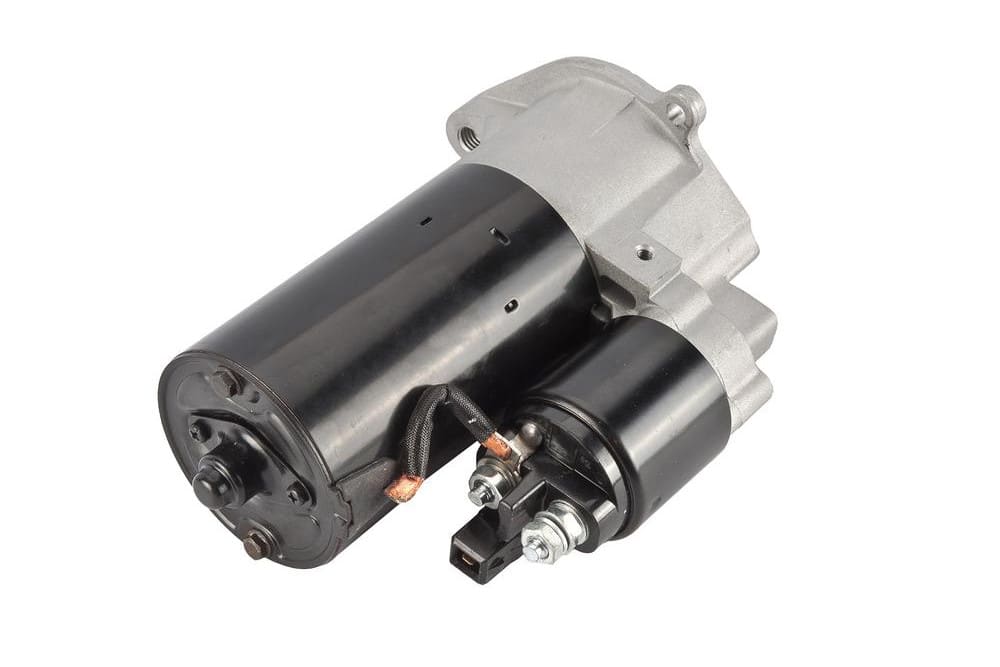
A starter motor is a small electric motor that spins the engine fast enough to start combustion. It draws power from the battery and engages the flywheel to turn the engine over. If the starter fails, the car won’t start even if the battery is fine.
Starter motor failure symptoms often look like electrical faults. Early detection saves time and money. Knowing basic starter motor failure symptoms helps you avoid roadside surprises.
Common starter motor failure symptoms
These are the most frequent starter motor failure symptoms. Spotting them early helps prevent a no-start situation.
- Clicking when you turn the key: Repeated clicks or a single loud click often mean the starter solenoid is not engaging or the starter motor is failing.
- No crank at all: Turning the key produces nothing. If battery and connections are fine, the starter motor is likely dead.
- Slow cranking: The engine turns slowly. This could be a weak starter motor or poor electrical connection.
- Grinding noises: Metal-on-metal grinding when starting indicates worn starter gears or a failing starter drive.
- Intermittent starting: The car starts sometimes but not always. Intermittent starter motor failure symptoms point to worn brushes, bad solenoid, or loose wires.
- Smell of burning or smoke: Overheating starter components can emit a burning odor before complete failure.
- Dashboard lights dim when starting: The lights drop significantly when starting. This can mean the starter is drawing excessive current due to internal faults.
Recognize these starter motor failure symptoms early. They often start mild and get worse. Acting quickly reduces repair costs and avoids getting stranded.
Causes behind starter motor failure
Understanding what causes failure helps you prevent it. Common causes of starter motor failure include:
- Wear and tear: Brushes, commutator, and gears wear out over time.
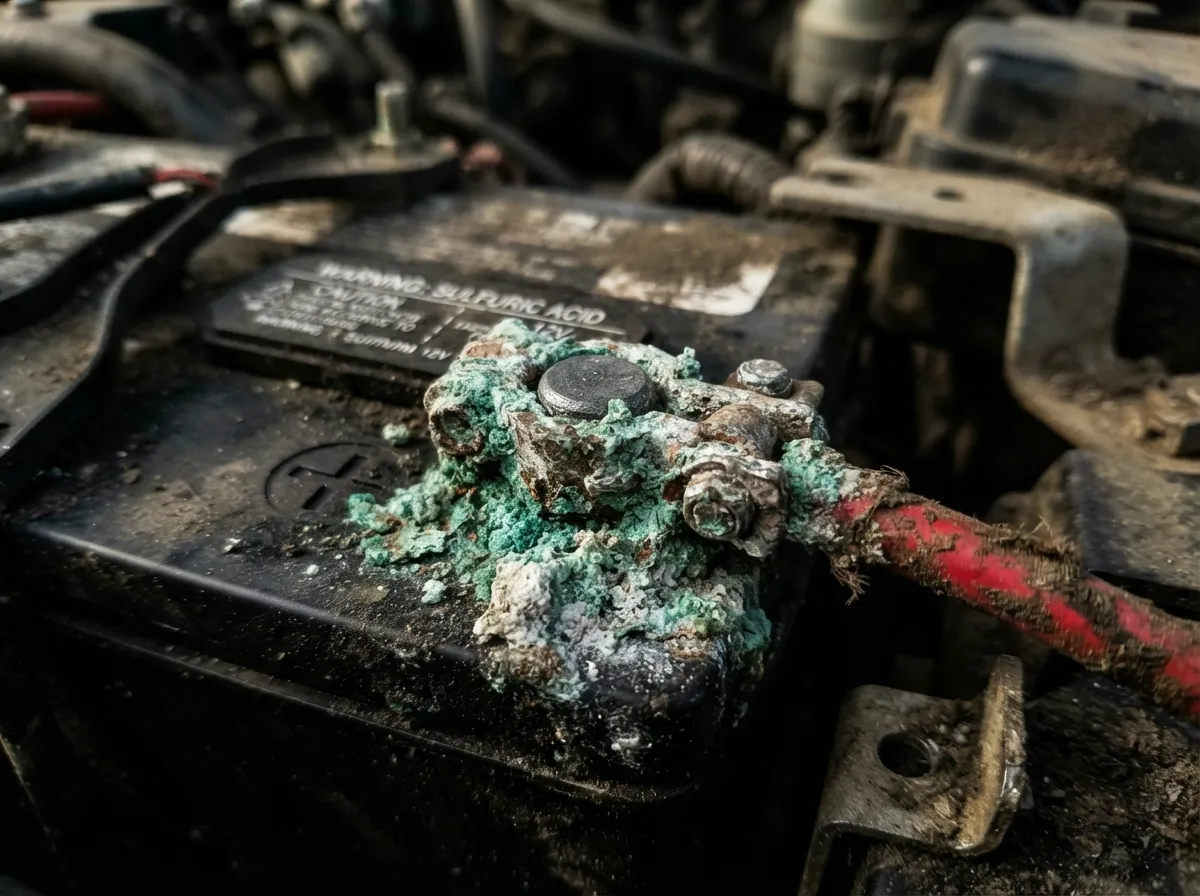
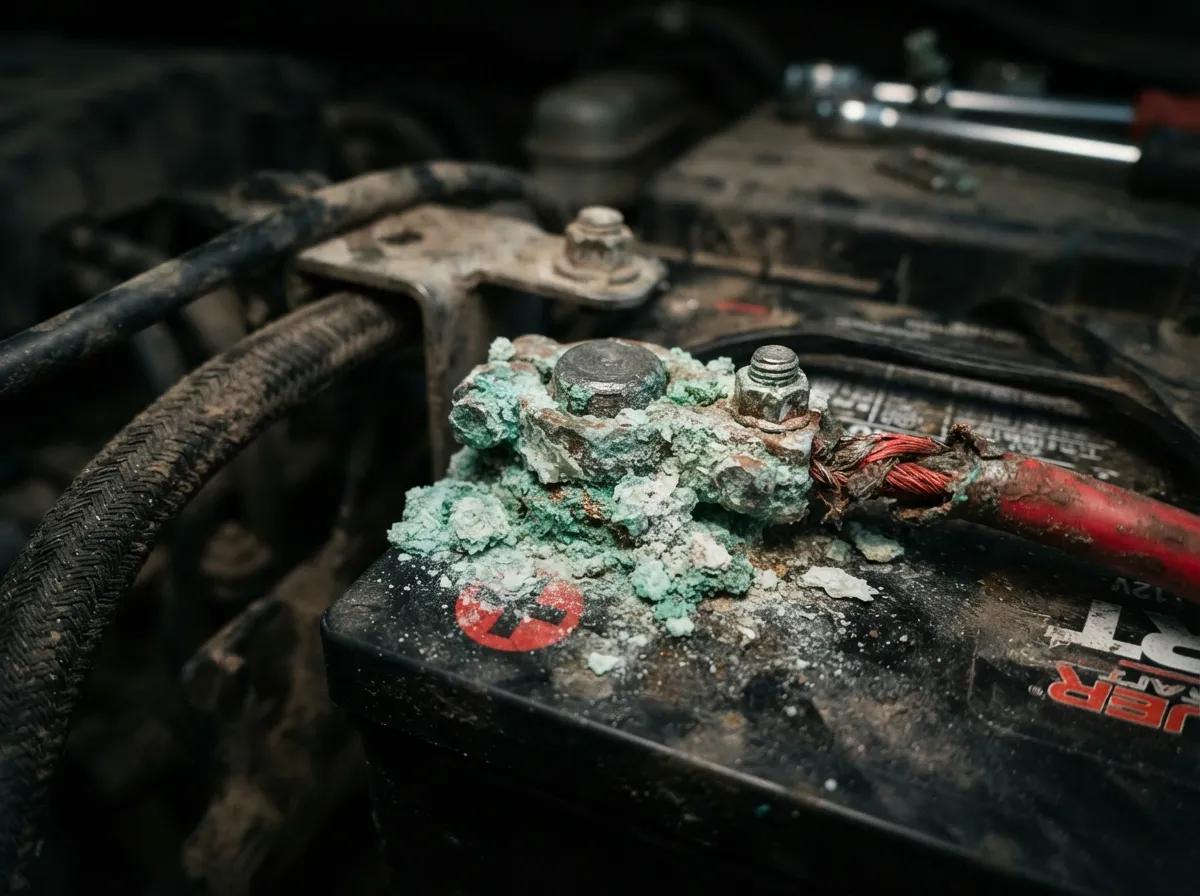
- Poor electrical connections: Corroded battery terminals or loose wires raise resistance and cause starter issues.
- Faulty solenoid: A bad solenoid prevents the starter from engaging the engine.
- Flooding or water exposure: Moisture damages internal starter parts.
- Overheating: Continuous cranking or engine heat can damage the starter.
- Weak battery: Low voltage forces the starter to work harder and fail sooner.
Most starter motor failure symptoms trace back to one or more of these causes. Fix the root cause to prevent repeat failures.
How to diagnose starter motor failure symptoms
Diagnosing is a step-by-step process you can follow safely. Use simple tests to narrow the problem.
- Check battery condition
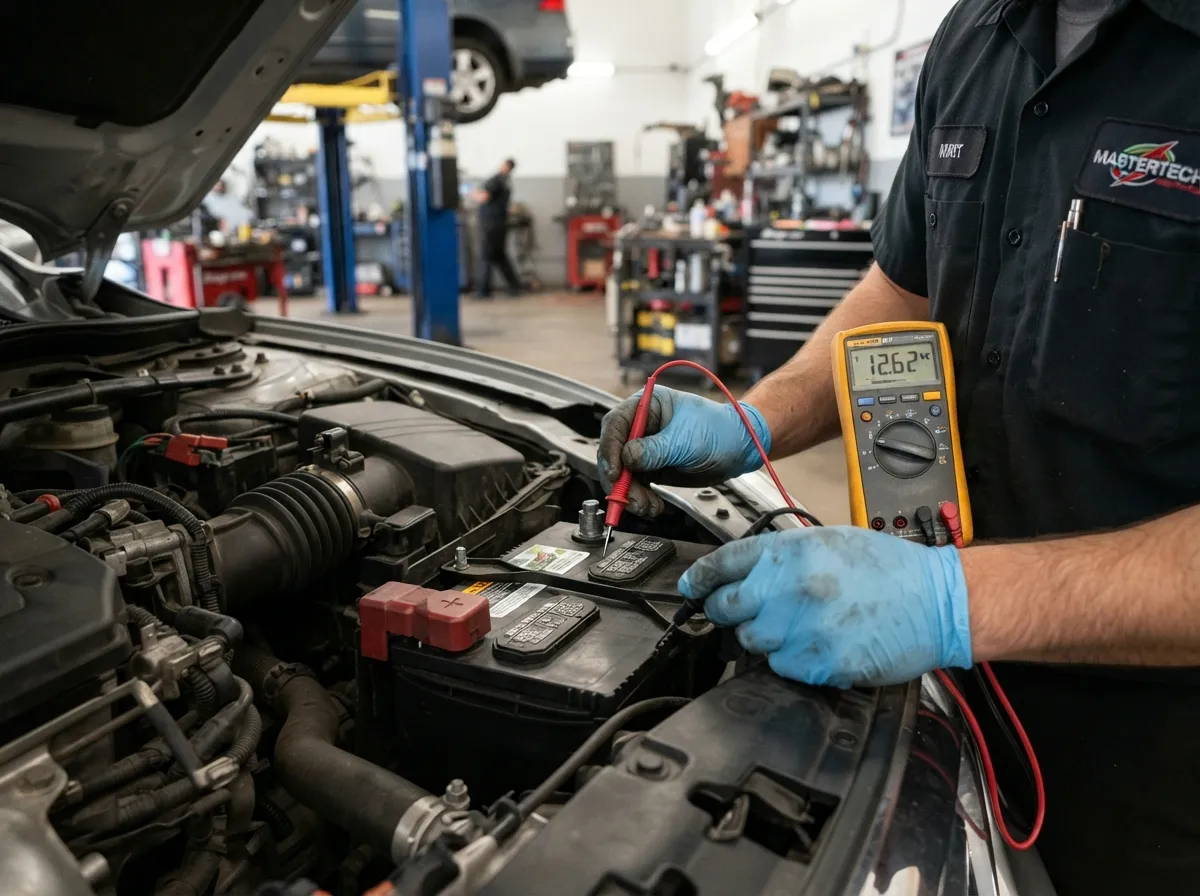
- Test voltage with a multimeter. A healthy battery shows about 12.6 volts at rest.
- Inspect terminals for corrosion. Clean and tighten them.
- Listen for sounds
- Clicking points to solenoid or weak battery.
- Grinding suggests worn pinion or flywheel teeth.
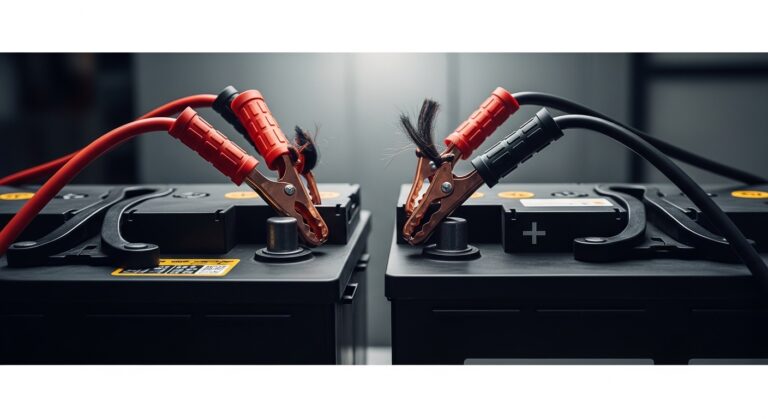
- Try a jump-start
- If jump-start helps, the battery was weak. If not, suspect the starter.
- Tap test
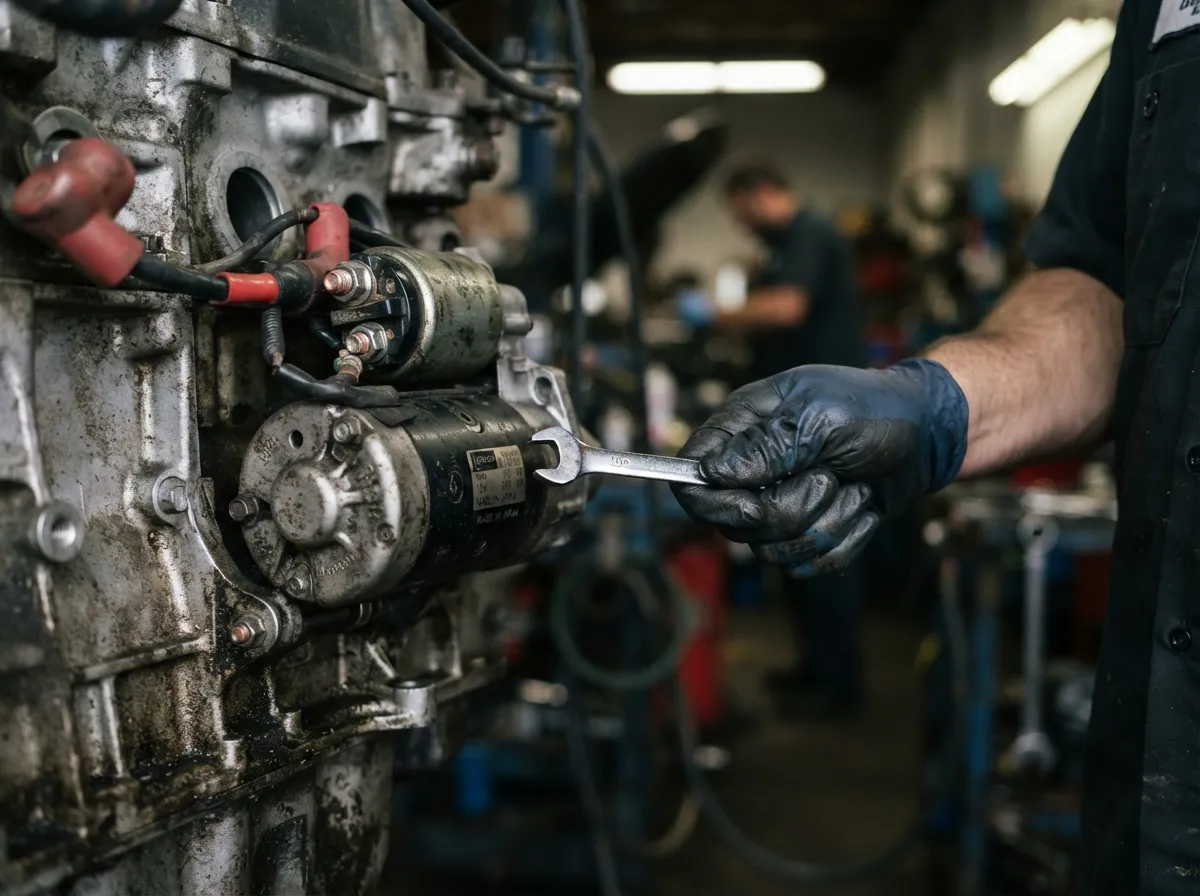
- Lightly tapping the starter with a wrench can sometimes free a stuck solenoid. If it starts after tapping, the starter likely needs service.
- Voltage drop test
- Measure voltage at the starter while cranking. Large drops show wiring or starter problems.
- Bench test the starter
- Remove and test the starter on a bench if you have tools and know-how.
PAA: How do I know if the starter is bad or battery is dead?
- If lights and accessories work but the engine won’t crank, suspect the starter. If lights are dim and cranking is slow, the battery likely needs testing.
PAA: Can a bad starter drain the battery?
- A failing starter can draw extra current and strain the battery. But a weak battery can also make the starter appear faulty. Test both.
Preventing starter motor failure and extending life
Preventive steps are easy and low cost. They reduce the chance of starter motor failure symptoms.
- Keep battery terminals clean and tight. Corrosion raises resistance.
- Service the charging system. A bad alternator shortens starter life.
- Avoid long cranking periods. Wait and try again instead of continuous cranking.
- Protect the starter from water and road spray when possible.
- Inspect starter wiring during routine service.
- Replace worn flywheel teeth or damaged ring gear promptly.
These steps cut risk and lengthen starter lifespan. Small checks go a long way toward avoiding a roadside no-start.
Repair vs replace: making the right choice
Deciding to repair or replace depends on the symptoms and cost.
- Repair may be best when:
- Starter brushes or solenoid fail.
- Internal parts are serviceable and labor cost is reasonable.
- Replace when:
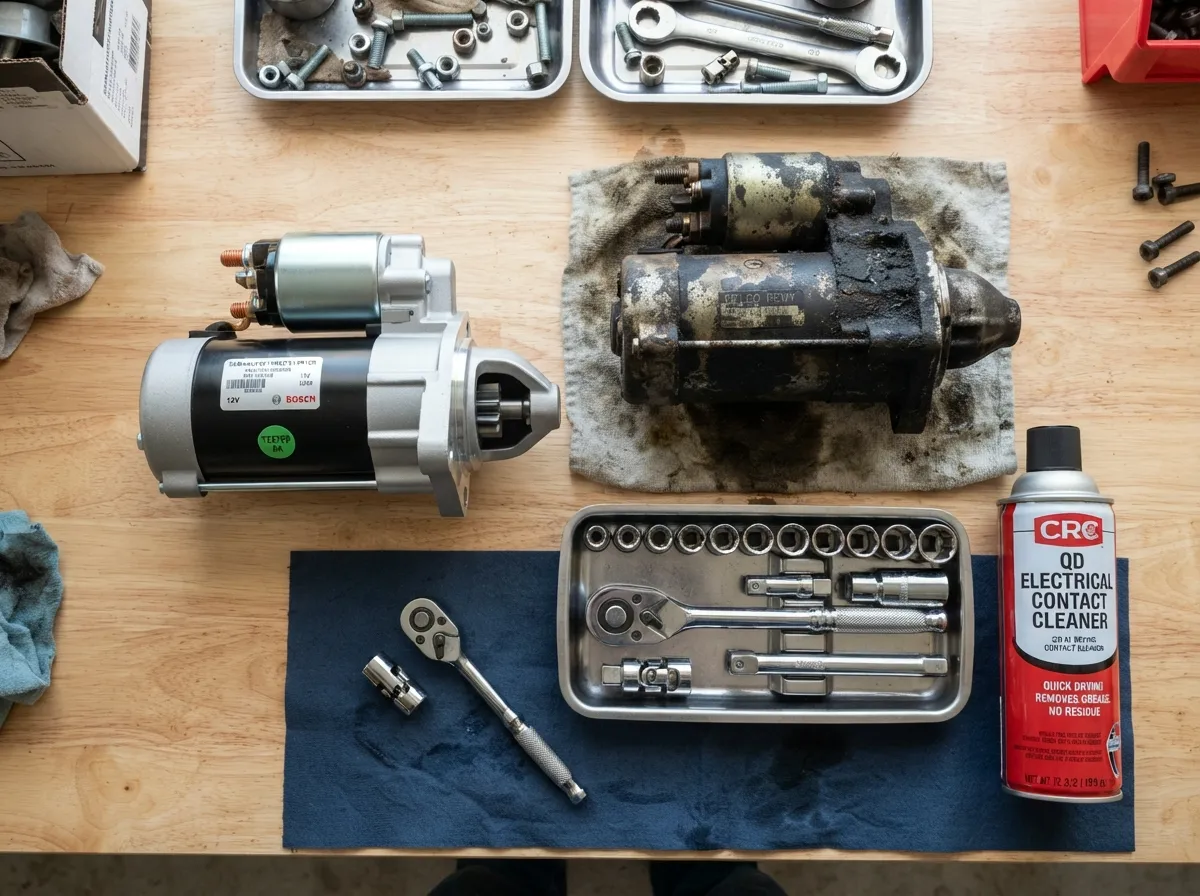
- Starter is heavily worn, corroded, or repeatedly failing.
- Repair costs approach the price of a new or remanufactured starter.
If starter motor failure symptoms include grinding or smoke, replacement is usually safer. Ask for a warranty when you replace or rebuild the starter.
Personal experience and practical tips
As a mechanic, I’ve fixed many starters on the roadside. Once, a family’s SUV would only click. I found a loose battery cable and a worn solenoid. A quick clean and tightened connection fixed it. Later, their starter failed again because the alternator was weak. Lesson learned: check the whole system, not just the starter.
Tips I use daily:
- Carry basic tools: gloves, wrench, multimeter.
- Listen closely to starting sounds. They tell a lot.
- Take photos of wiring before you remove parts.
- If in doubt, get a proper voltage drop test.
These hands-on tips help you solve starter motor failure symptoms faster and with less stress.
Frequently Asked Questions of starter motor failure symptoms
What are the first signs of starter motor failure?
Early signs include clicking when turning the key, slow cranking, or intermittent starts. These starter motor failure symptoms often precede full failure.
Can a bad starter show no symptoms before failing?
Yes. Starters can fail suddenly, though most show progressive symptoms like slow crank or clicking. Regular checks help catch them early.
How long does a starter usually last?
A starter can last 80,000 to 150,000 miles depending on use and maintenance. Poor battery or frequent short trips shorten its life.
Is starter replacement expensive?
Costs vary by vehicle and labor. Rebuilt or reman starters are cheaper, while new OEM units cost more. Compare repair vs replacement based on total cost.
Can I drive with a failing starter?
You might drive for a while if it still starts, but risk getting stranded. Fixing starter motor failure symptoms promptly is safer.
Will jump-starting fix starter motor failure?
Jump-starting helps if the issue is a weak battery. If the starter itself is faulty, jump-starting won’t fix the underlying starter motor failure symptoms.
Conclusion
Starter motor failure symptoms are usually obvious if you know what to listen for. Clicking, slow cranking, grinding, and intermittent starts are red flags that call for action. Test the battery, inspect connections, and perform simple checks before replacing parts. Acting early saves money and hassle.
Takeaway: start with basic checks, listen closely, and prioritize safety. If you’re unsure, get a professional diagnosis. Leave a comment with your starter stories or subscribe for more car care guides.