
Dim lights, battery light on, stalling, whining noises, burning smell, and a dead battery.
If those hit close to home, you’re in the right place. I’ve diagnosed hundreds of charging issues, and this guide breaks down the symptoms of bad alternator in simple terms. You’ll learn how to spot the signs early, test at home with basic tools, and avoid costly breakdowns.

What your alternator actually does
The alternator turns engine motion into power. It feeds your battery and every electric part in the car. The voltage regulator keeps output in a safe range. Most cars target about 13.8 to 14.7 volts when idling.
When parts wear, voltage drops or spikes. Brushes can wear down. Diodes can fail and leak power. Bearings can grind. A loose belt can slip and squeal. Bad wiring or grounds can choke the system. These all create symptoms of bad alternator that grow worse with time.
Most common symptoms of bad alternator
If you search for symptoms of bad alternator, these keep coming up. Here is what they look and feel like in real life:
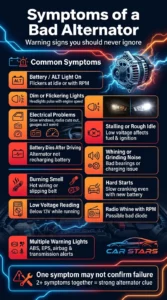
- Battery or ALT light comes on. It may glow at idle and go off with a little throttle. It can also flicker with bumps or RPM.
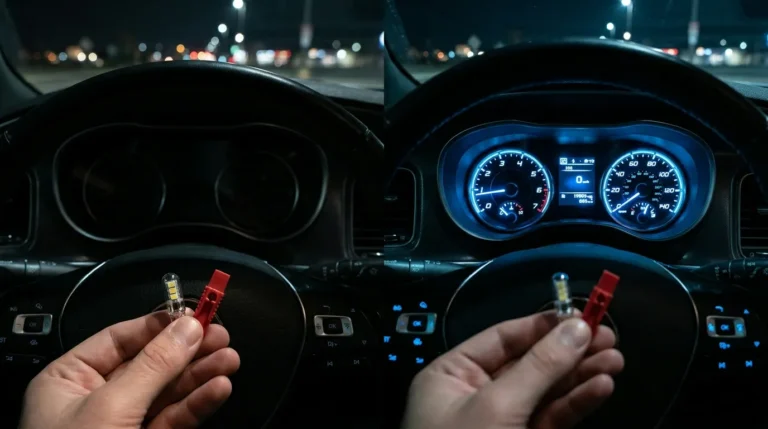
- Dim or flickering headlights. The lights pulse with engine speed. Cabin lights and screens may also flicker.
- Electrical gremlins. Power windows slow, radio cuts out, gauges dance, or the AC fan speeds change on their own.
- Engine stalling or rough idle. Low voltage can starve the fuel pump or coils. The car may buck, then die at a stop.
- Weak or dead battery after a drive. You charge or jump it, drive a bit, and it dies again. The alternator is not refilling the battery.
- Whining or grinding noise. A high-pitched whine rises with RPM. A rough growl can point to bad bearings.
- Burning rubber or hot electrical smell. A slipping belt can overheat. Overworked wiring can get hot and smell sharp.
- Hard starts even with a new battery. Low state of charge keeps cranking slow. Lights dim hard when you turn the key.
- Dash voltage gauge low or erratic. Many cars show the battery icon only. Some show voltage that sits under 13 volts while running.
- Radio whine that follows RPM. This can come from a bad diode in the alternator.
- On modern cars, many warnings at once. ABS, EPS, airbag, and transmission lights can stack up as voltage drops.
A single sign may not prove it. But two or more symptoms of bad alternator together are a strong clue.
Simple tests to confirm an alternator problem
You can do a few safe checks at home. These help you separate a weak battery from symptoms of bad alternator.
- Headlight test. With the engine off, turn on the headlights. Start the car. Lights should get brighter. If they get dimmer, charging may be weak.
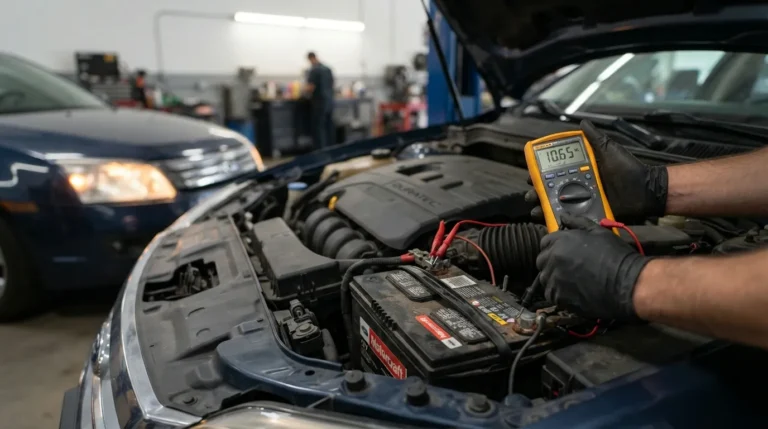
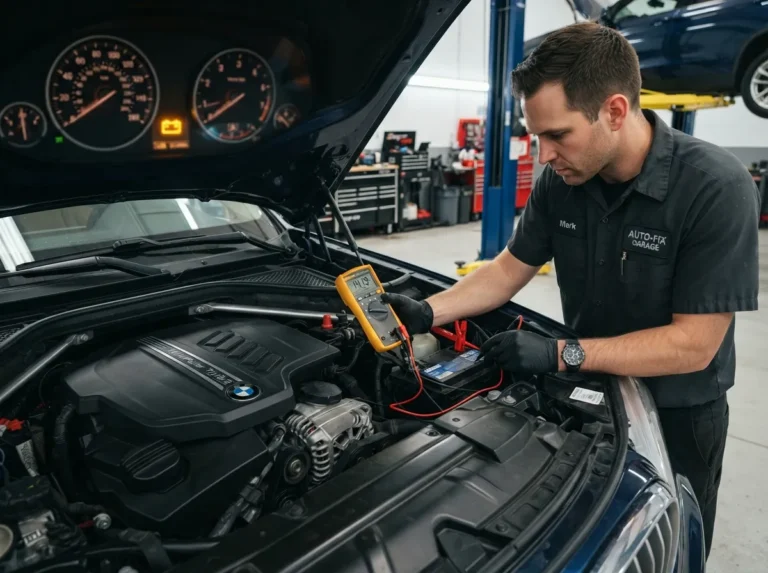
- Voltage test with a multimeter. Battery at rest should read near 12.6 volts. Running voltage should land around 13.8 to 14.7 volts. Under load with lights, rear defrost, and fan on high, it should stay above about 13.2 volts.
- Jump start behavior. If it starts with a jump but dies soon after, the battery is not being charged.
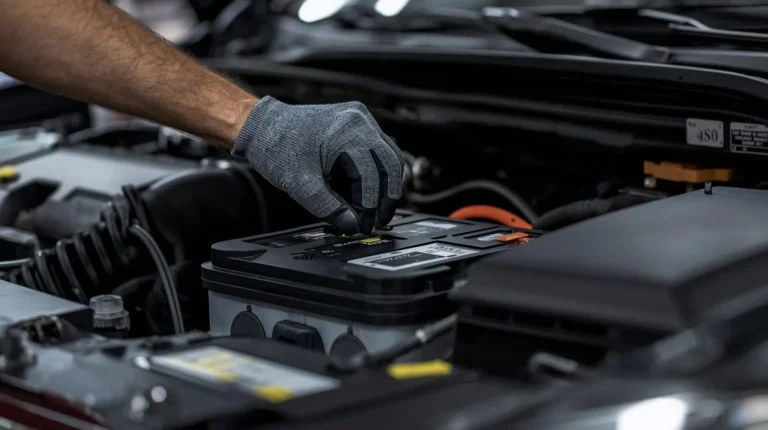
- Belt and connection check. Look for cracks, glazing, or slack in the belt. Tug the main alternator plug and battery cables. Clean corroded terminals and grounds.
Safety tip: Keep loose clothing and hair clear of moving belts. Do not short battery posts. If output is high (over 15 volts) or low (under 13 volts) while running, you likely have symptoms of bad alternator.
Shop stories and lessons learned
I once had a Honda that came in with dim lights and a sweet burnt smell. The owner had replaced the battery twice. The belt was loose and glazing the pulley. The alternator still worked, but heat had cooked a diode. New belt, a rebuilt unit, and clean grounds fixed it for good.
A Subaru came in with random warning lights and a stalling issue. It ran fine cold but died at stoplights. The alternator made 12.9 volts warm. That is below spec. A new regulator would have cost almost as much as a full alternator. We swapped the unit, updated the battery, and the stalling vanished. Both cases started with simple symptoms of bad alternator that the driver missed.

Causes, risks, and what to do on the road
Why alternators fail:
- Age and high miles. Brushes and bearings wear down.
- Heat and oil leaks. Heat kills diodes and regulators. Oil swells the belt.
- Short trips and heavy loads. Lots of starts with little drive time drains the battery and strains charging.
- Big audio amps or extra lights. Poor installs can overload the system.
- Loose or weak belt and tensioner. Slips cause low output and heat.
Risks of driving with symptoms of bad alternator:
- You can stall in traffic with no power steering assist.
- Low voltage can hurt the battery, modules, and sensors.
- Towing and missed work can cost more than a timely fix.
If the battery light comes on while driving:
- Turn off non-essentials like AC, heated seats, and audio.
- Keep RPM a bit higher to boost output in the short term.
- Head for a safe place or a shop. Do not keep driving until the car dies.
Source: ricksautoservice.org
Repair choices, costs, and when DIY makes sense
Costs vary by car. Compact cars often run $300 to $600 total. Many crossovers and trucks hit $450 to $900. Luxury or hard-to-reach units can top $1,000. Parts alone range from about $150 to $900. Labor ranges from 0.7 to 2.5 hours on most cars.
Rebuilt units are cheaper and can be fine from a known brand. New OEM is best for long life. Many failures also need a new belt or tensioner. If the battery went flat many times, test it. It may be weak from deep discharge.
DIY swaps can be easy on some cars. You need hand tools, a belt tool, and safe battery steps. On tight engine bays, special tools and extra time are needed. When in doubt, a pro test can confirm symptoms of bad alternator before you spend money.

Prevention: keep your charging system healthy
A few habits can stop most symptoms of bad alternator before they start.
- Check the belt twice a year. Look for cracks or shine. Listen for chirps and squeals.
- Keep the battery strong. Test yearly. Clean the posts. Replace it before it dies.
- Inspect grounds and main cables. Tight and clean beats shiny but loose.
- Use quality parts. Cheap remans can whine or fail early.
- Plan for extra loads. If you add lights or a sound system, size the wiring and fuses right.
- Avoid lots of short trips. Mix in a longer drive each week to top off the battery.
- Carry a small jump pack. It buys you time if symptoms of bad alternator pop up on the road.

Frequently Asked Questions of symptoms of bad alternator
What does a bad alternator sound like?
You may hear a high-pitched whine that rises with RPM. A rough grinding or rumble often means a bad bearing.
Can a bad alternator drain a battery overnight?
Yes, a failed diode can cause a parasitic draw. The car sits off, but the alternator lets power leak to ground.
How long can I drive with the battery light on?
Sometimes 5 to 30 minutes, but it is a gamble. Turn off extras and head to a safe stop or shop right away.
Will a jump start fix symptoms of bad alternator?
A jump will get you going for a short time. If the alternator is weak, the car will die again once the battery drains.
What voltage means my alternator is good?
Most cars want 13.8 to 14.7 volts at idle with few loads. Under heavy load, staying above 13.2 volts is a healthy sign.
Can a bad alternator make my car stall?
Yes. Low voltage can starve injectors, coils, and the fuel pump. The engine may stumble and quit at low speeds.
Is it the alternator, battery, or starter?
If it cranks slow and dies after a jump, suspect the alternator. If it clicks once and never cranks, the starter or a dead battery is more likely.
Conclusion
Catching symptoms of bad alternator early saves cash and stress. Watch for dim lights, warning icons, odd smells, and random electrical quirks. A quick voltage check and belt look can confirm the issue fast.
Act now if you see two or more signs. Plan a test, price your options, and fix the root cause before it leaves you stranded. Want more real-world car tips like this? Subscribe, share your story in the comments, and tell me what you want covered next.