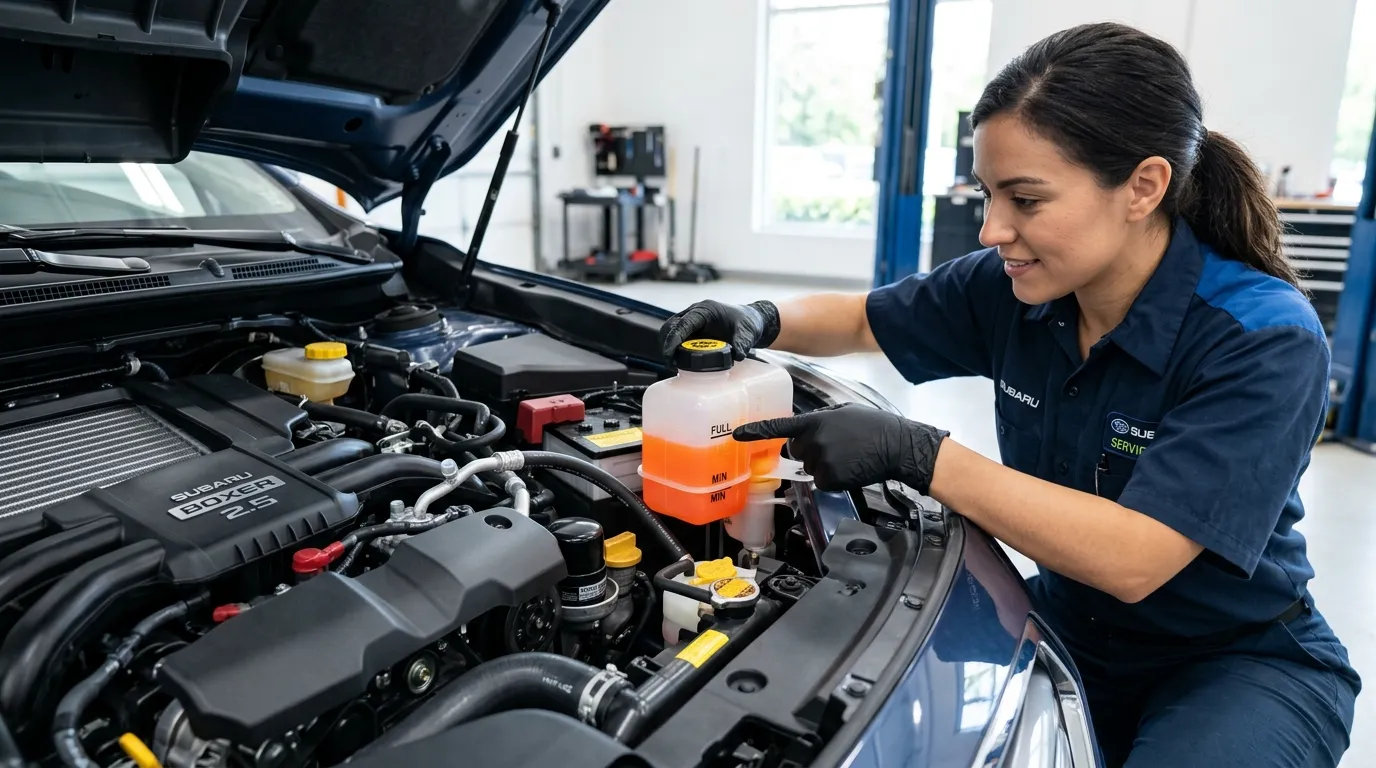
Engine coolant is a liquid mix that keeps an engine at safe temperature and prevents corrosion.
I have worked on cars and written about vehicle care for years. I will explain what is engine coolant in simple terms, why it matters, how it works, and how to choose and maintain it. Read on to get practical tips, safety notes, and real-world advice that you can use today.
What is engine coolant — clear definition and purpose
Engine coolant is the fluid that controls a car engine’s temperature. It stops the engine from overheating in summer and freezing in winter. Coolant also protects metal parts from corrosion and helps transfer heat away from hot engine zones.
Why ask what is engine coolant? Because knowing this can prevent breakdowns and costly repairs. Proper coolant care keeps your engine reliable and efficient.
How engine coolant works — simple mechanics
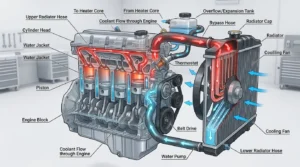
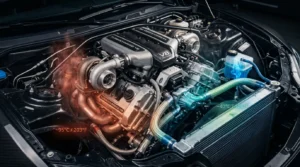
Coolant runs through the engine block and head passages. It picks up heat from the metal. Then it flows to the radiator where air cools it. A thermostat and water pump control flow and temperature.
Key parts involved:
- Water pump. Moves coolant through the system.
- Thermostat. Opens when the engine is warm to allow flow to the radiator.
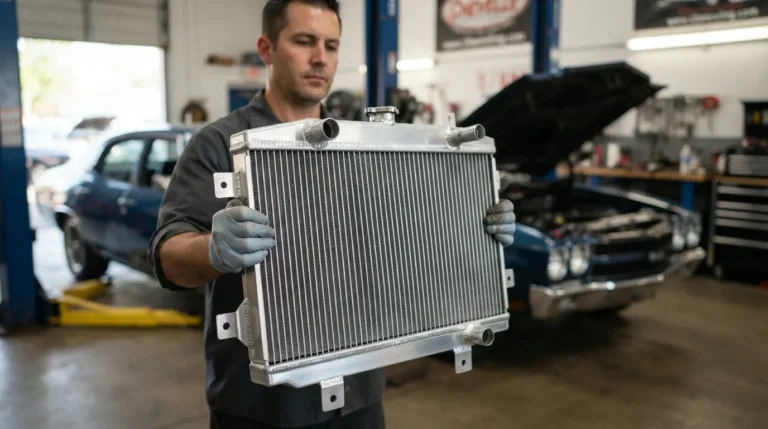
- Radiator. Lets heat escape to the air.
- Hoses and clamps. Carry and seal the coolant.
This cycle is continuous while your engine runs. If coolant is low or wrong, the cycle breaks and the engine can overheat.
Common types of engine coolant
There are several types of coolant. Each uses different base chemicals and additives.
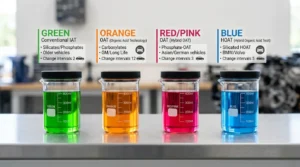
- Inorganic additive technology (IAT). Usually green. Common in older cars. Needs more frequent changes.
- Organic acid technology (OAT). Often orange or dark red. Longer life and used in many modern cars.
- Hybrid organic acid technology (HOAT). A mix of IAT and OAT traits. Many European and Asian cars use HOAT.
- Propylene glycol‑based. Less toxic, used in some specialty coolants and places with safety rules.
When you ask what is engine coolant, type matters. Your car maker usually specifies the right type in the owner’s manual. Using the wrong type can cause deposits, corrosion, or mixing problems.
What coolant is made of — basic composition
Most coolant is a mix of water and glycol plus additives. The two common glycols are:
- Ethylene glycol. Very effective at heat transfer; toxic to humans and pets.
- Propylene glycol. Less toxic and safer around people and animals.
Other components include:
- Corrosion inhibitors. Protect metal parts.
- Anti-foaming agents. Stop bubbles that reduce cooling.
- pH stabilizers. Keep additives working longer.
- Dyes. Help identify the coolant type visually.
Typical mix ratios are 50/50 water to coolant for balanced freeze and boil protection. In hot or cold climates, ratios may change.
Benefits and limitations of engine coolant
Benefits:
- Prevents engine overheating and freezing.
- Protects against rust and corrosion.
- Extends life of hoses, gaskets, and radiator.
- Improves heat transfer for efficient engine performance.
Limitations:
- Degrades over time and loses protection.
- Wrong type or poor mixing can harm the cooling system.
- Toxicity concerns with ethylene glycol.
- Can hide small leaks; low levels might not show until damage starts.
Understanding both sides helps you make better maintenance choices.

Common causes of coolant problems
Problems start small and grow fast. Typical causes include:
- Old, degraded coolant. Additives wear out.
- Leaks in hoses, radiator, or head gasket.
- Contamination from oil or rust.
- Incorrect coolant type or wrong water ratio.
- Faulty thermostat or water pump.
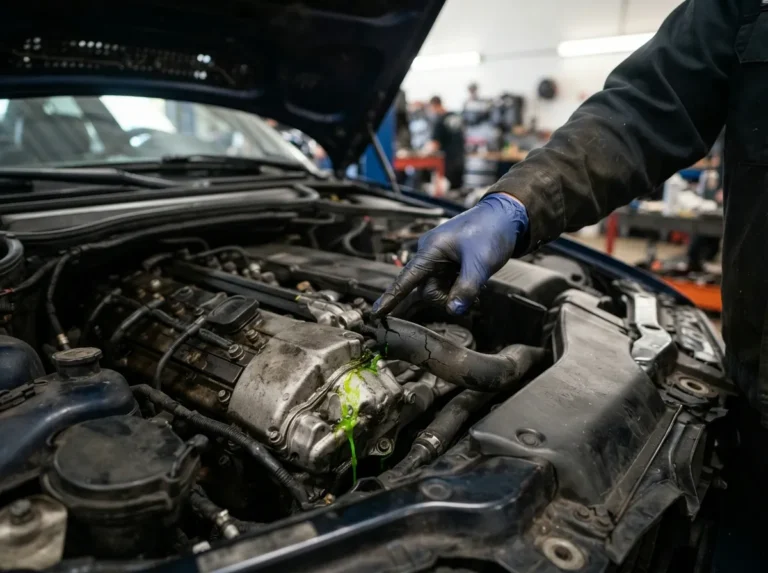
Spotting early signs saves time. Look for colored puddles, a sweet smell, engine temperature spikes, or coolant under the car.
How to check and maintain engine coolant
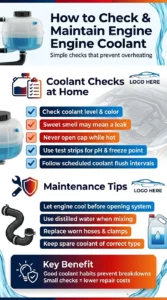
Simple checks you can do at home:
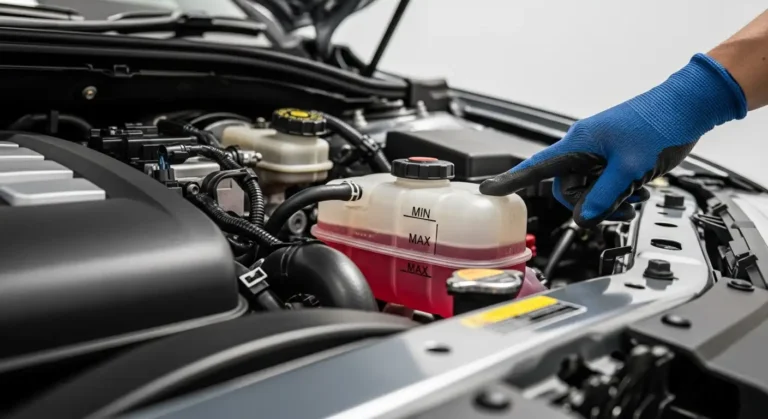
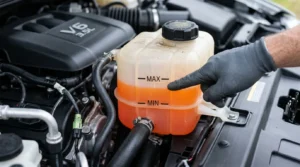
- Visual check. Look in the coolant reservoir for level and color.
- Smell. A sweet smell often means a leak.
- Touch. Never remove the cap while hot. Use gloves and wait.
- Test. Use simple test strips or a tester to check pH and freeze point.
- Scheduled flush. Follow the owner’s guide for replacement intervals.
Maintenance tips:
- Always let the engine cool before opening the system.
- Use distilled water when mixing to avoid mineral buildup.
- Replace hoses and clamps that look worn.
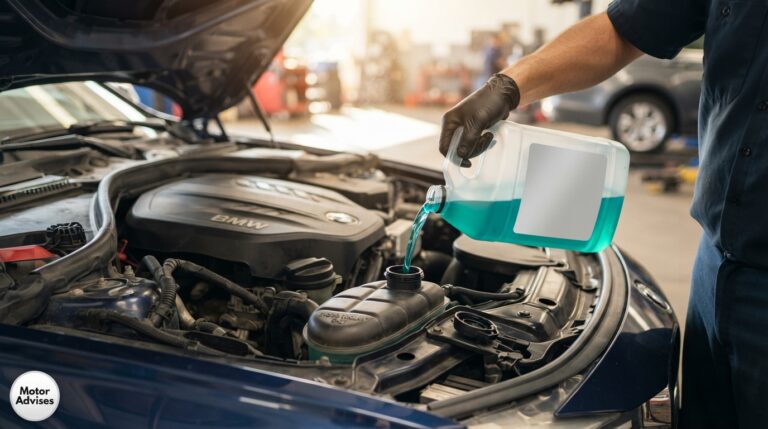
- Keep spare coolant of the correct type for top-ups.
These habits cut repair bills and prevent roadside breakdowns.
Choosing the right coolant for your car
To pick the right coolant:
- Check the owner’s manual first. It lists approved types.
- Match the coolant type and color with factory specs.
- Prefer OEM or high-quality aftermarket brands that meet specifications.
- Avoid mixing different technologies unless the manufacturer allows it.
If you are not sure, ask a trusted mechanic. Picking wrong can cause sludge and blockages.
Environmental and safety considerations
Coolant can be toxic. Handle it carefully.
- Keep coolant away from children and pets.
- Clean spills promptly. Use absorbent material and dispose of waste properly.
- Recycle used coolant at approved centers.
If you use ethylene glycol, be extra careful. Propylene glycol is safer but still should not be dumped into drains or soil.
My hands-on experience and practical tips
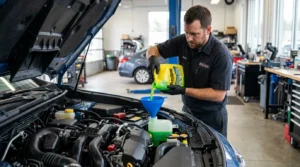
I have changed coolant on many cars and seen common mistakes. One time I inherited a car with mixed coolant types. The system had sludge and needed a full flush. Lesson learned: never mix different coolant technologies.
Tips from my shop days:
- Keep service records of coolant changes.
- Replace the thermostat when doing a full coolant flush.
- Use a pressure tester to find slow leaks.
- If you see white smoke from the exhaust and low coolant, check for a head gasket leak quickly.
These small steps prevented major repairs for me and my clients.

Troubleshooting quick guide
If you see a problem:
- Check levels in the reservoir when cold.
- Inspect hoses and clamps for leaks.
- Test coolant quality with a tester or strips.
- If contaminated with oil, stop driving and seek professional help.
- For overheating, pull off the road, turn off the engine, and let it cool.
A quick, calm approach prevents damage and keeps you safe.
PAA-style questions (People Also Ask)
What happens if I use tap water instead of distilled?
- Tap water has minerals that can build deposits in the cooling system. Use distilled water to avoid scale and corrosion.
Can I mix different coolant colors?
- Color does not always show compatibility. Avoid mixing coolant types unless manufacturer guidance allows it. Mixing can cause gelling.
How often should coolant be changed?
- Most modern coolants last 5 years or 50,000 miles, but check your owner’s manual. Older formulas often need change every 2 years.
Is coolant the same as antifreeze?
- Antifreeze refers to the glycol part that lowers freeze point. Coolant is the final mixed fluid used in the engine.
Can I drive with low coolant?
- Short distances may be possible, but driving with low coolant risks overheating and engine damage. Top up or repair before long trips.
Frequently Asked Questions of what is engine coolant
What is engine coolant made of?
Engine coolant is mostly water mixed with ethylene or propylene glycol and additives that prevent corrosion and boiling. Additives stabilize pH and protect metal parts.
How often should I check my coolant level?
Check coolant level at least once a month and before long trips. Do checks when the engine is cool for safety and accuracy.
Can I use plain water in an emergency?
Plain water can cool the engine short term but lacks corrosion protection and freeze/boil control. Use proper coolant as soon as possible.
Why is my coolant rusty or brown?
Rust or brown color indicates corrosion or old coolant breakdown. It often means a flush and inspection are needed to prevent blockages.
What are signs of a coolant leak?
Signs include puddles under the car, a sweet smell, engine overheating, and low reservoir levels. Address leaks quickly to avoid engine damage.
Conclusion
Engine coolant is a small part of your vehicle system that has a big job. It keeps your engine at a safe temperature, prevents corrosion, and protects against freezing and boiling. Learn what is engine coolant for your car, check it often, and use the right type and mix to avoid costly repairs.
Take action today: check your coolant level, note the type in your manual, and schedule a flush if it’s been years since the last change. If you found this helpful, leave a comment or share your coolant questions and experiences.