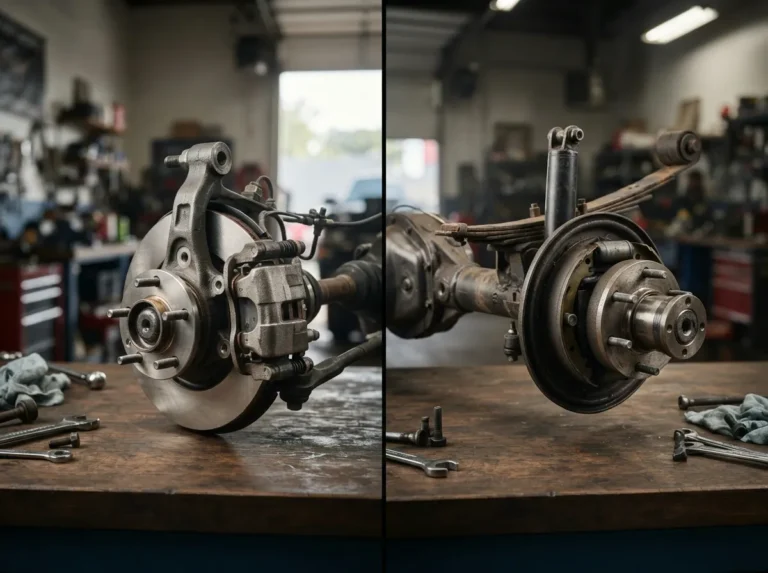
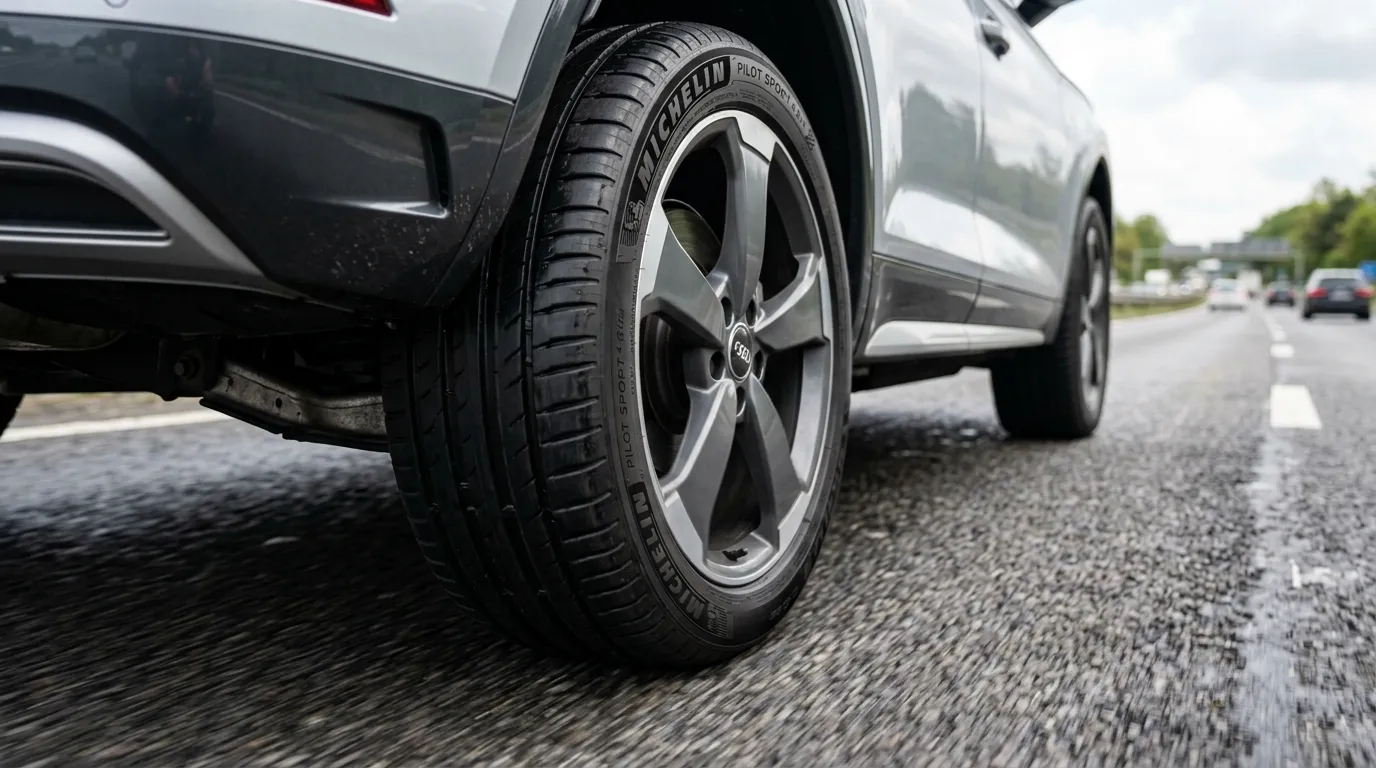
Most car tires last 3 to 6 years or 36,000 to 75,000 miles.
You want a clear, honest answer on how long do car tires last, and you want it from someone who has spent years in the bay talking to drivers and testing tread. In this guide, I break down what affects tire life, how to check your own tires in minutes, and simple steps to add years of service. If you’ve ever asked how long do car tires last in real life, not just on paper, you’re in the right place.
What “tire life” really means
Tire life has two clocks. One is tread wear. The other is age. You should watch both.
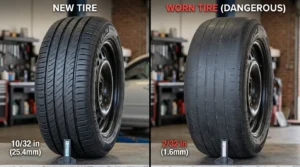
Tread wear is how many miles the rubber can handle before it is too thin. Most states say 2/32 inch is the legal limit. Many safety tests show grip drops fast before that, so 4/32 inch is a smart change point for wet roads.
Age is about time, sun, heat, and oxygen. Rubber hardens and cracks over years. Even with deep tread, old tires can fail. Most makers suggest tire checks at five years and full replacement by six to ten years, based on use and heat. This matters when you ask how long do car tires last in storage or on low-mile cars.
Average lifespan by tire type and use
Use and design set the range. Here is what I see in the shop and on the road.
- All-season touring: 50,000 to 80,000 miles, or 5 to 7 years with normal care.
- Performance summer: 20,000 to 40,000 miles. Soft rubber, great grip, shorter life.
- All-terrain: 40,000 to 60,000 miles. Off-road use can cut that.
- Mud-terrain: 25,000 to 45,000 miles. Big blocks wear fast on pavement.
- Winter/snow: 20,000 to 40,000 miles. Swap off in spring to extend life.
- Run-flat: Often 20,000 to 40,000 miles. Stiff sidewalls, more heat.
- EV-specific: 30,000 to 50,000 miles. Extra weight and torque matter.
Real world note: Highway miles are easy on tires. Stop-and-go, heavy loads, and rough roads are not. This is the heart of how long do car tires last for your setup.
What affects how long car tires last
Many little habits shape big results. Here are the prime factors.
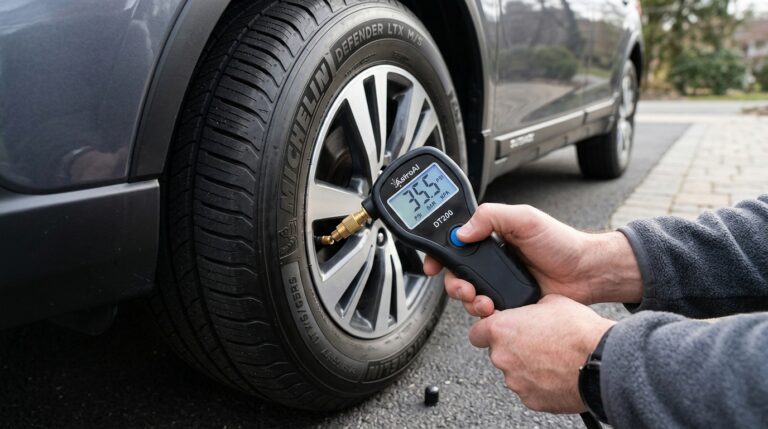
- Inflation: Underinflation builds heat and scrubs edges. Overinflation wears the center. Check monthly and before trips.
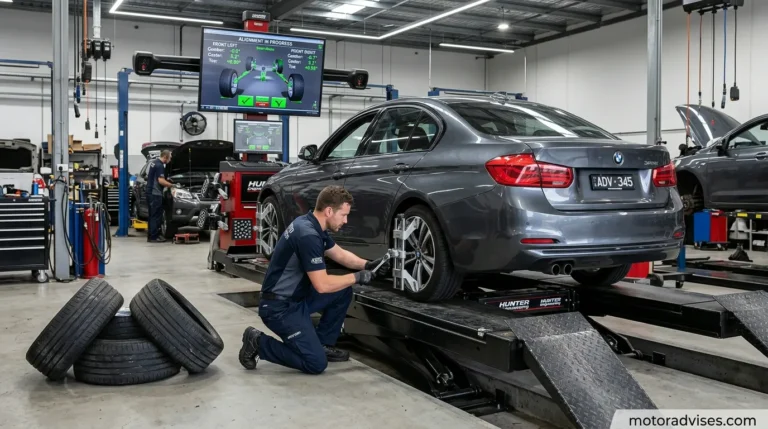
- Alignment: Toe and camber errors eat tread fast. If the wheel pulls or the tread looks scalloped, get an alignment.
- Rotation: Tires wear at different rates. Rotate every 5,000 to 7,500 miles, or at each oil change.
- Load and speed: More weight and high speed add heat. Heat ages rubber.
- Driving style: Hard launches, sharp turns, and late braking shorten life. Smooth wins.
- Climate: Hot sun, road salt, and ozone age tires. Garage storage slows this.
- Road surface: Potholes, gravel, and chip seal grind away tread.
- Vehicle type: EV torque, AWD systems, and heavy SUVs tend to wear faster.
- Materials: Tread compound and design matter. Softer grips more and wears quicker.
Each of these can move the needle on how long do car tires last by years.
How to check your tires today
You can do this in your driveway. It takes five minutes.
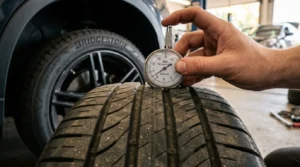
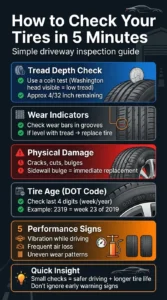
- Check tread depth. Use a quarter. If you can see the top of Washington’s head, you have about 4/32 inch left.
- Look for wear bars. These are raised strips in the grooves. If they are level with the tread, it is time to replace.
- Inspect for cracks, bulges, or cuts. Sidewall bulges mean internal damage. Replace at once.
- Read the DOT date code. The last four digits show week and year, like 2319 for week 23 of 2019.
- Feel for vibration. A shake can mean a bad tire, bent wheel, or balance issue.
- Watch air loss. Frequent top-offs hint at a leak or bead issue.
- Scan wear patterns. Edges worn? Likely underinflation or lack of rotation. Center worn? Overinflation. One side worn? Alignment.
These steps give a fast, honest view of how long do car tires last for your set right now.
Maintenance that extends tire life
Simple care works. Here is the routine I use and teach.
- Set pressures to the sticker in the driver door. Check cold, once a month.
- Rotate on schedule. Front to rear, or as your maker suggests.
- Align once a year, or after pothole hits, curb taps, or new tires.
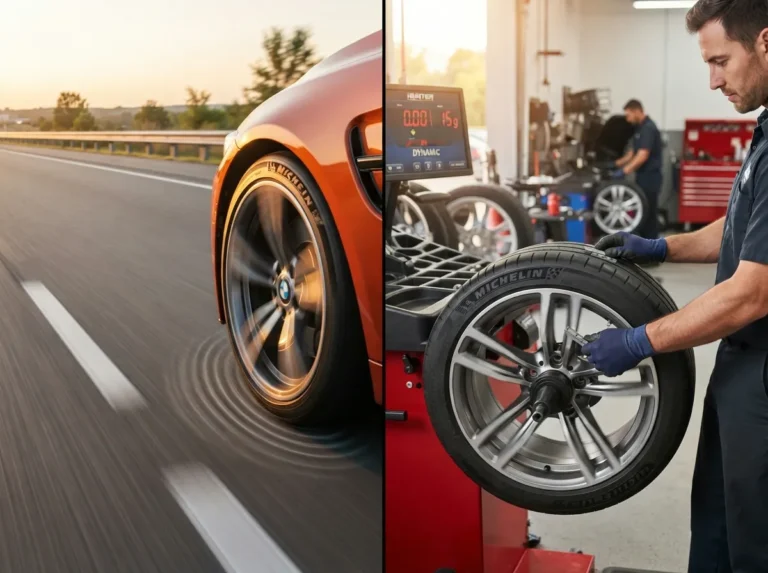
- Balance with each rotation if you feel a shimmy.
- Swap winter tires off in spring. Store in bags, cool and dry.
- Clean with mild soap. Harsh solvents dry rubber.
- Repair punctures the right way, with a patch-plug from the inside.
Do these and you can add 10,000 to 20,000 miles to how long do car tires last.

Source: reddit.com
Warranties, treadwear ratings, and what they really mean
The UTQG treadwear number compares tires within a brand’s own testing. A 600 tire should last longer than a 300 tire in that line. It is not a promise of miles. Heat, roads, and care still rule.
Traction and temperature grades show wet grip and heat resistance. They do not equal snow grip or ice grip. Mileage warranties are pro-rated. You must rotate and keep records. If you ask how long do car tires last by the warranty alone, you may be let down. Use it as a guide, not a guarantee.
Special cases that change the math
Some setups need extra thought. Here is what to expect.
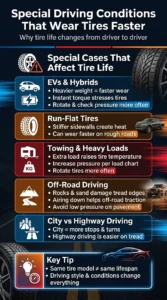
- EVs and hybrids: Higher weight and instant torque raise wear. Rotate more often. Check pressures more often. Expect slightly fewer miles.
- Run-flats: Stiffer sidewalls add heat. They can wear faster on rough roads.
- Towing and hauling: Extra load raises temps. Increase pressure per the load table, and rotate more often.
- Off-road use: Rocks and sand chew edges. Airing down helps off-road but be careful on pavement.
- City vs highway: City driving means more stops and turns. Highway is smoother on tread.
These cases shift how long do car tires last for you, even with the same brand and model.
The real cost and safety risk of stretching tires too far
Worn tires are not just a look issue. They are a safety risk. Wet braking can grow by 30 to 50 percent on tires near the limit. Hydroplaning starts at lower speeds with shallow grooves.
Fuel use can rise with soft, underinflated tires. Vibes and noise grow. In my shop days, most roadside blowouts I saw were old, cracked tires with fine tread left. If you wonder how long do car tires last when they look okay but are old, the answer is shorter than you think.
Frequently Asked Questions of how long do car tires last
How many miles should I expect from a set of tires?
Most drivers see 36,000 to 75,000 miles with good care. Heavy loads, heat, and sporty driving pull that number down.
Do tires expire even if the tread looks fine?
Yes. Rubber ages from heat, sun, and oxygen. Plan checks at five years and replace around six to ten years based on condition.
How often should I rotate my tires?
Rotate every 5,000 to 7,500 miles, or at each oil change. AWD, EVs, and aggressive driving may need shorter intervals.
What tread depth is still safe in the rain?
Replace by 4/32 inch for better wet braking and hydroplaning resistance. The legal minimum is 2/32 inch, but that is not ideal in the wet.
Does tire pressure really change how long do car tires last?
Yes. Low pressure builds heat and wears edges. High pressure wears the center and reduces grip.
Are premium tires worth it for longer life?
Often yes. Better compounds and designs can last longer and grip better. Still, care and alignment matter more than brand alone.
How does climate affect how long do car tires last?
Heat speeds up aging, and sun cracks sidewalls. Cold can stiffen rubber, but storage indoors helps both cases.
Can I mix old and new tires?
Avoid it when you can. New tires on the rear axle keep the car stable in the wet.
Conclusion
Tires age in two ways: miles and years. If you watch both, keep pressures right, rotate on time, and fix alignment, you can stretch how long do car tires last by thousands of miles and stay safer in every season. A five-minute driveway check today could save you a tow, a blowout, or a near miss tomorrow.
Take one action now: check your pressures and tread depth, then set a rotation reminder on your phone. Want more tips like this? Subscribe, share this guide with a friend, or drop your tire questions in the comments.