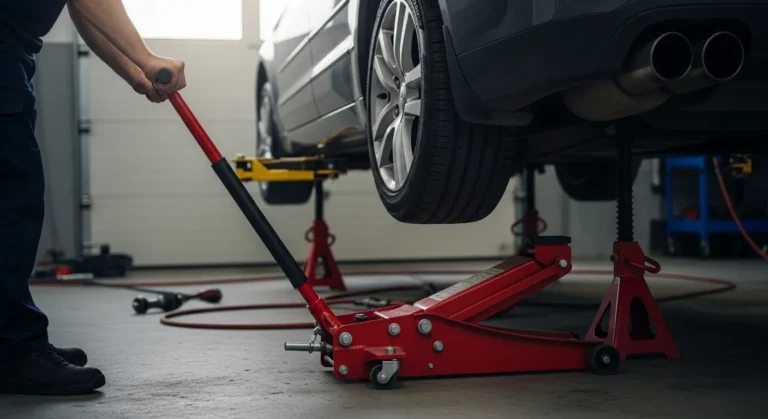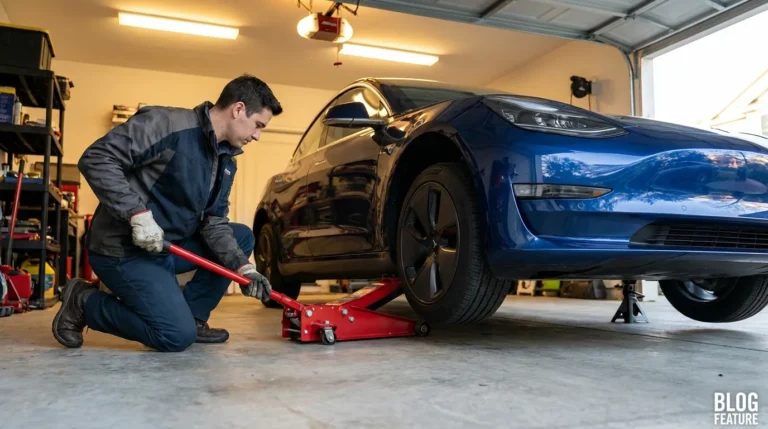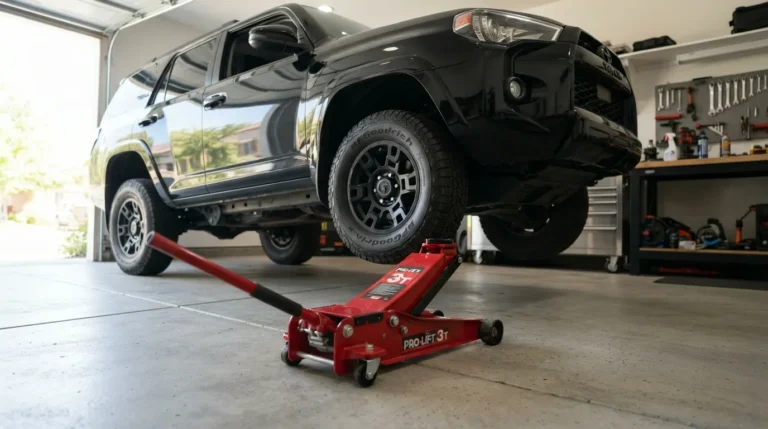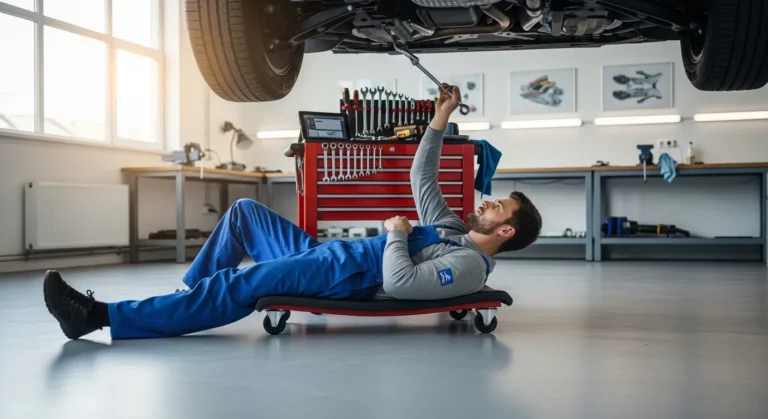
A hydraulic floor jack is a wheeled lifting tool that raises vehicles safely.
If you have ever asked what is hydraulic floor jack, you are in the right place. I have used floor jacks in home garages and busy shops for years. In this guide, I break down what is hydraulic floor jack, how it works, how to choose one, and how to use it without risk. Read on with confidence.
What is a hydraulic floor jack?
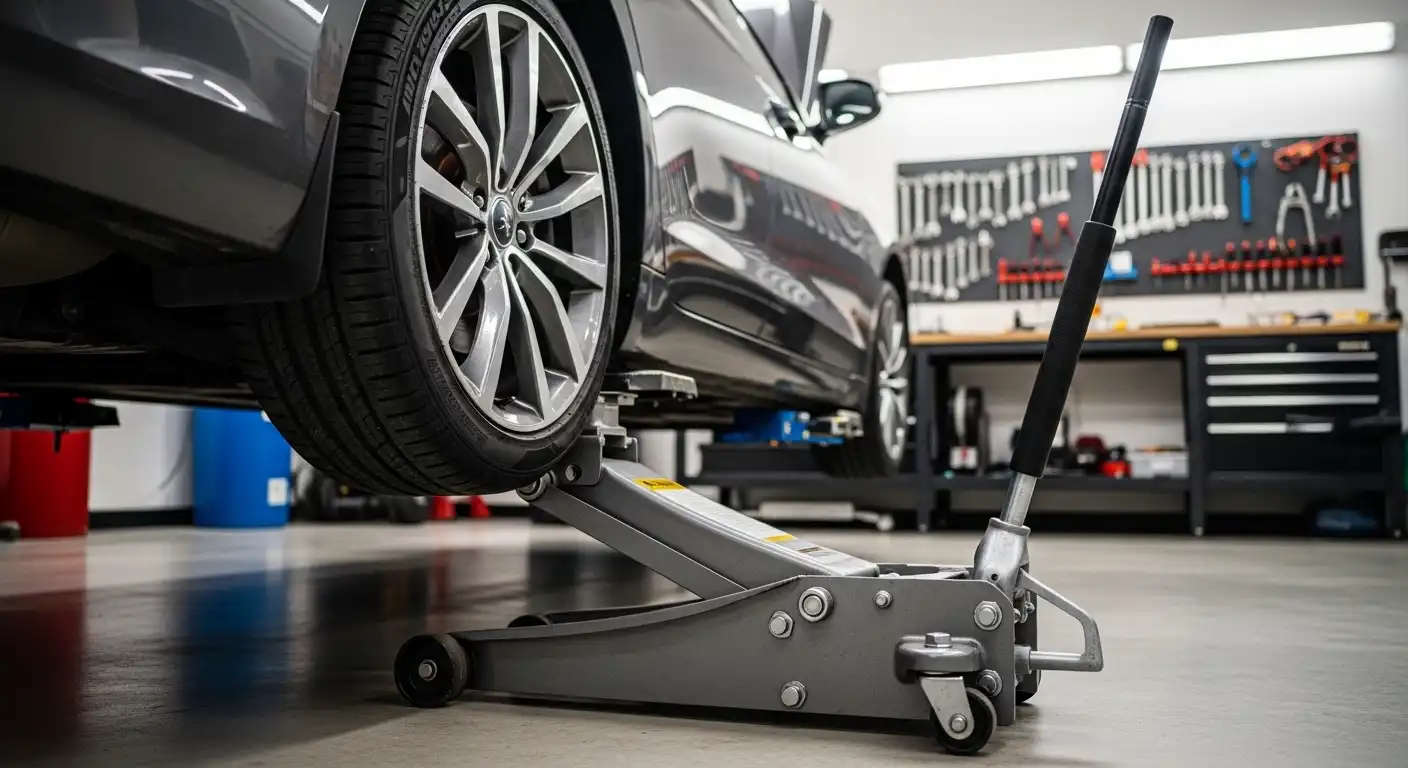
A hydraulic floor jack is a low, wheeled jack that lifts a car by pumping a handle. It uses hydraulic fluid to turn small hand force into big lifting force. The saddle contacts the car at a lift point, and the arm raises the load.
When people search what is hydraulic floor jack, they want a clear, simple line. It is a fast, stable, shop-style jack for daily car work. It rolls under your car, lifts smooth, and holds steady while you place jack stands.
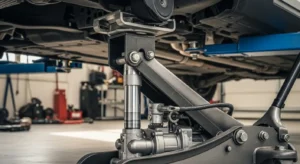 How a hydraulic floor jack works
Hydraulic jacks use fluid under pressure. You pump a small piston. That moves oil into a larger piston. The pressure is the same in all directions, so the big piston pushes up hard.
Here is the simple flow:
- You close the release valve.
- You pump the handle.
- The small piston sends oil into the main ram.
- The ram lifts the arm and saddle.
- You open the valve to lower.
That is the heart of what is hydraulic floor jack: small input, big output, smooth lift.
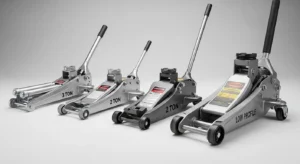
Key parts and what they do
Knowing the parts makes use and care easy.
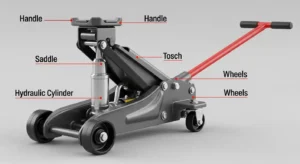
- Saddle. The round pad that contacts the car.
- Lift arm. The long arm that raises the saddle.
- Handle and pump. You pump to move oil.
- Release valve. You twist to lower the car.
- Main ram. The large piston that does the heavy lift.
- Frame and wheels. They keep the jack stable and mobile.
- Bypass and check valves. They protect and control oil flow.
- Side plates and lift points. They add strength and guide the arm.
When someone asks what is hydraulic floor jack, a quick parts tour gives them the full picture.
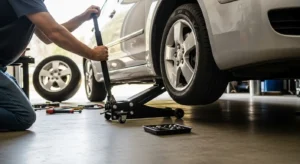
Types and where each shines
Not all floor jacks are the same. Pick what fits your car and space.
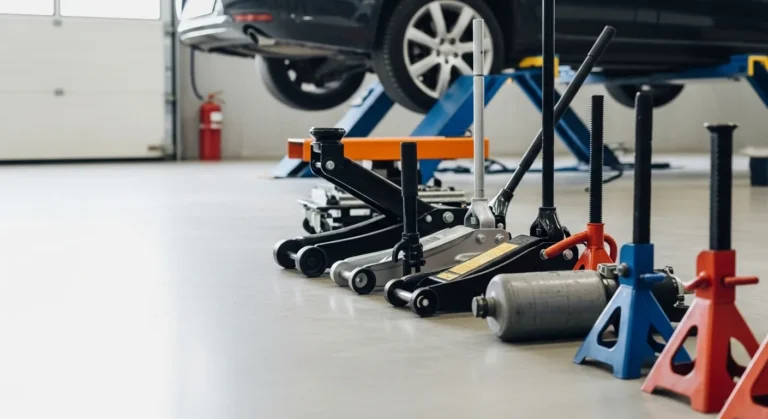
- Low-profile floor jack. Slides under sports cars and lowered cars.
- Standard steel jack. Strong and budget friendly for most sedans.
- Aluminum jack. Light to carry, great for track days or mobile work.
- Long-reach jack. Reaches far lift points on trucks and SUVs.
- Bottle jack vs floor jack. Bottle jacks lift high but need more clearance and are less stable side to side. Floor jacks roll and center better.
If your query is what is hydraulic floor jack, note that “trolley jack” is the same thing in many guides.
Capacity, lift range, and fit
Capacity is the ton rating. Match it to your vehicle class. A 2-ton jack suits compact cars. A 3-ton jack fits many midsize SUVs and trucks. Heavy trucks may need 3.5 to 4 tons.
Lift range is the min and max height. Low cars need a 3 to 3.5 inch start height. Tall trucks may need 20 inches or more at max lift. Always use the car’s marked lift points. When unsure, choose more capacity than you think you need. That is key when learning what is hydraulic floor jack and why fit matters.
Safety rules I never skip
Safety is not a box to tick. It is the whole job.
- Park on flat, solid ground. Set the brake.
- Chock the wheels that stay on the ground.
- Find the right lift point in the owner’s manual.
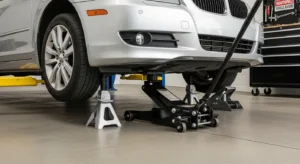
- Lift the car, then place jack stands. Never work under a car held only by a jack.
- Keep hands clear of the arm and saddle.
- Lower slow and watch for movement.
I once rushed and skipped wheel chocks. The car rolled one inch as I set the stand. That was a wake-up call. It takes five seconds to chock and can save your toes. If you ask what is hydraulic floor jack good for, the answer is fast lifts. But speed must never beat safety.

How to use a hydraulic floor jack step by step
- Read your car manual for lift points.
- Park on level ground. Set the brake. Chock wheels.
- Close the jack valve by turning it snug.
- Roll the jack under the lift point. Center the saddle.
- Pump the handle until the car rises above stand height.
- Place jack stands at the support points. Lock them.
- Lower the car onto the stands. Check stability with a gentle push.
- When done, raise the car a bit, pull the stands, then lower slow.
- Open the valve a quarter turn to lower with control.
This is the core of what is hydraulic floor jack in practice. Smooth, sure, repeatable.
Care, maintenance, and storage
A well-kept jack lasts for years and stays safe.
- Keep it clean. Wipe dust and grit after use.
- Check for oil leaks at the ram and fittings.
- Bleed air if the lift feels spongy. Open the fill plug, pump a few strokes, top off fluid, and close.
- Use the right hydraulic oil per the manual.
- Lube the wheels and pivot points lightly.
- Store with the arm lowered and the valve slightly open.
Good care is part of the full answer to what is hydraulic floor jack ownership.
Buying guide: specs that matter
Look for these points when you shop.
- Capacity. 2-ton for small cars, 3-ton for midsize SUVs, more for heavy trucks.
- Min height. Under 3.5 inches for low cars.
- Max height. Over 18 inches for many SUVs.
- Build. Steel for value and strength, aluminum for light carry.
- Pump design. Dual pump gives fast rise with fewer strokes.
- Saddle pad. A rubber pad helps protect pinch welds and frames.
- Standards. Look for jacks that meet current safety standards.
If your main search is what is hydraulic floor jack to buy, these specs will guide a safe pick.
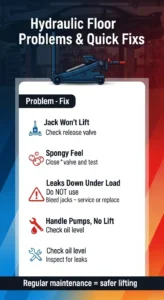
Common problems and quick fixes
Most jack issues are simple to spot and fix.
- Jack will not lift. Check the release valve. It may be open. Close and test.
- Jack feels spongy. Air in the system. Bleed and top off fluid.
- Jack leaks down under load. Do not use. Seals may be worn. Service or replace.
- Handle pumps but no lift. Check oil level and look for leaks.
These tips help when people ask what is hydraulic floor jack maintenance like in real life.
Related tools and how they compare
It helps to know the full kit.
- Jack stands. They support the car once lifted. They are not optional.
- Wheel chocks. They keep the car from rolling.
- Scissor jack. Good for spare-tire changes. Slow and less stable.
- Bottle jack. Strong and compact. Needs more clearance.
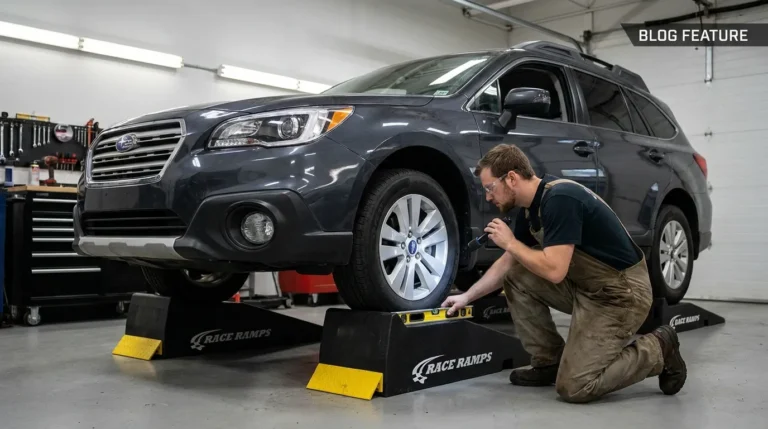
- Portable ramps. Great for oil changes on low cars.
What is hydraulic floor jack in this mix? It is the fast lifter. Stands hold. Chocks lock. Each tool has a clear job.
Real-world tips from the shop
Here are lessons I learned the hard way.
- Test the release valve before you crawl under. A smooth lower is key.
- Place the saddle as close to the lift point center as you can.
- On soft asphalt in summer, use a steel plate under the jack wheels.
- Keep a spare rubber pad. They wear out faster than you think.
- Do a pre-use check: leaks, wheels, handle, and valve.
If a friend asks me what is hydraulic floor jack best practice, these are the first words I share.
Frequently Asked Questions of what is hydraulic floor jack
What is hydraulic floor jack used for?
It lifts part of a car fast so you can change tires, inspect brakes, or do oil work. It is common in home garages and shops.
Is a 2-ton jack enough?
For small cars, often yes. For midsize SUVs or trucks, pick 3 tons or more for margin.
Where do I place the jack?
Use the lift points in your owner’s manual. Typical spots include pinch welds, frame rails, and crossmembers.
Can I work under a car held only by a jack?
No. Always use jack stands on solid ground. A jack is for lifting, not holding your body’s safety.
Why does my jack lower by itself?
It may have air in the system, a loose valve, or worn seals. Bleed it and check for leaks; service if needed.
What’s the difference between a floor jack and a bottle jack?
A floor jack rolls and is very stable side to side. A bottle jack lifts high but needs more clearance and can be tippy on uneven ground.
How often should I change the hydraulic oil?
Check yearly for most home users. Change it if it looks milky, gritty, or if the jack feels spongy.
Conclusion
Now you know what is hydraulic floor jack, how it works, how to choose one, and how to use it well. Keep it simple: pick the right capacity, lift from the right points, set stands, and stay alert. That one safe habit pays off every single time.
Put this guide to work on your next tire rotation or brake job. If you found this helpful, share it, subscribe for more hands-on tips, or drop your questions in the comments.