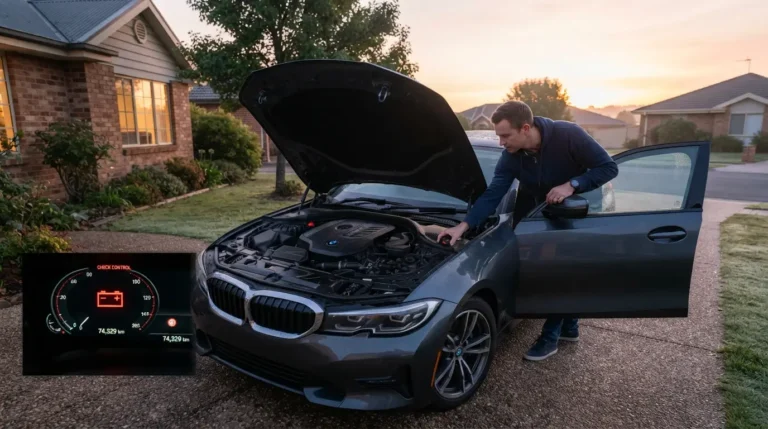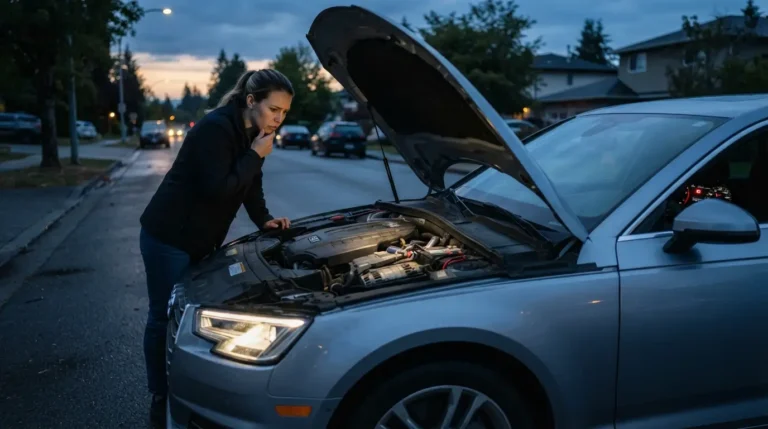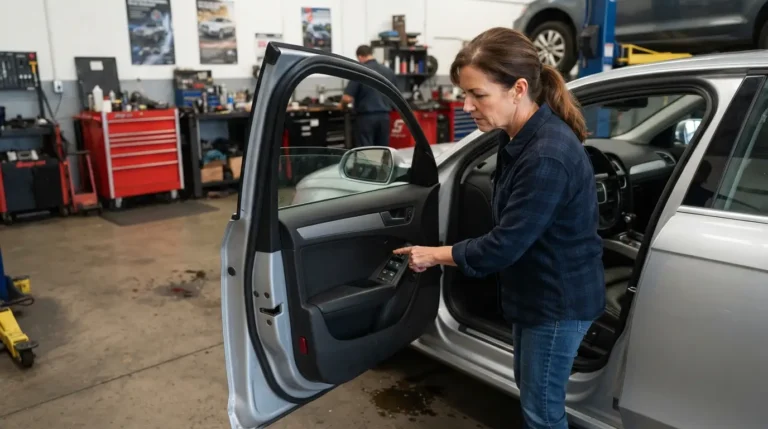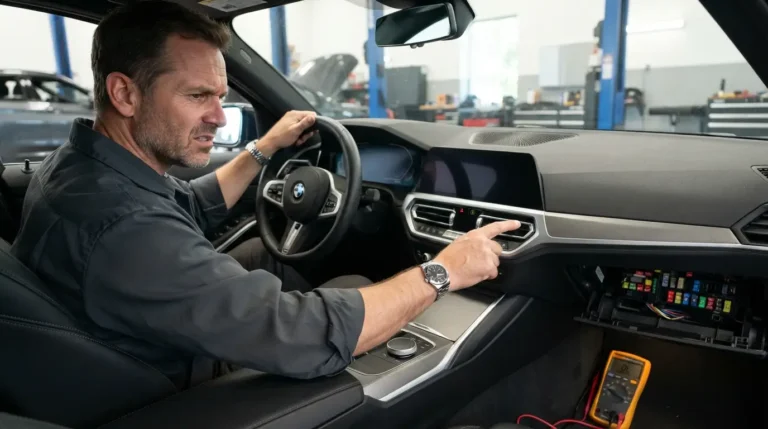
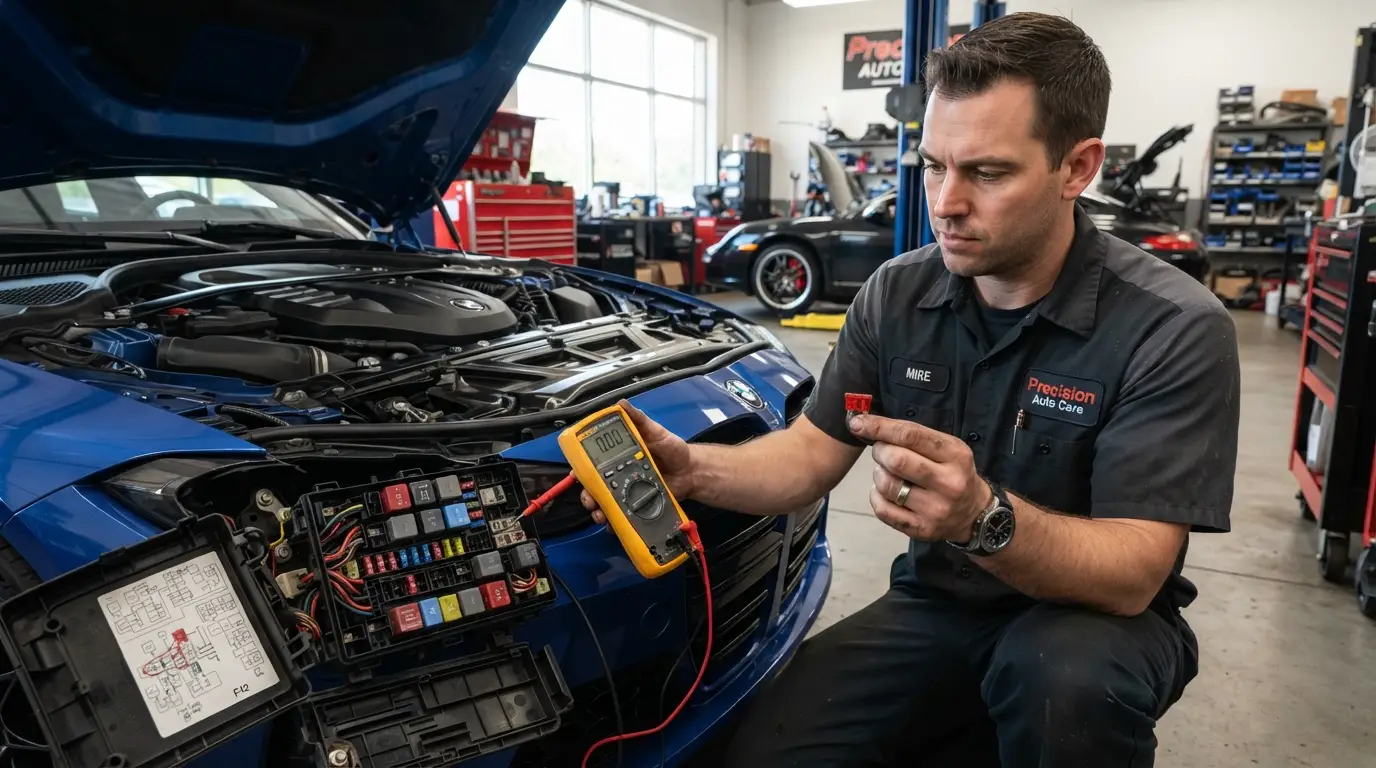
Car fuses keep blowing because of short circuits, overloaded circuits, bad wiring, or faulty parts.
If your fuse pops again and again, you need more than a new fuse. You need a plan. I’ve spent years tracing tough electrical faults in daily drivers and project cars. In this guide, I’ll explain what causes a car fuse to keep blowing, how to test safely, and the fixes that last. You’ll leave with clear steps, real examples, and pro tips you can use today.
How a Car Fuse Works and Why It Blows
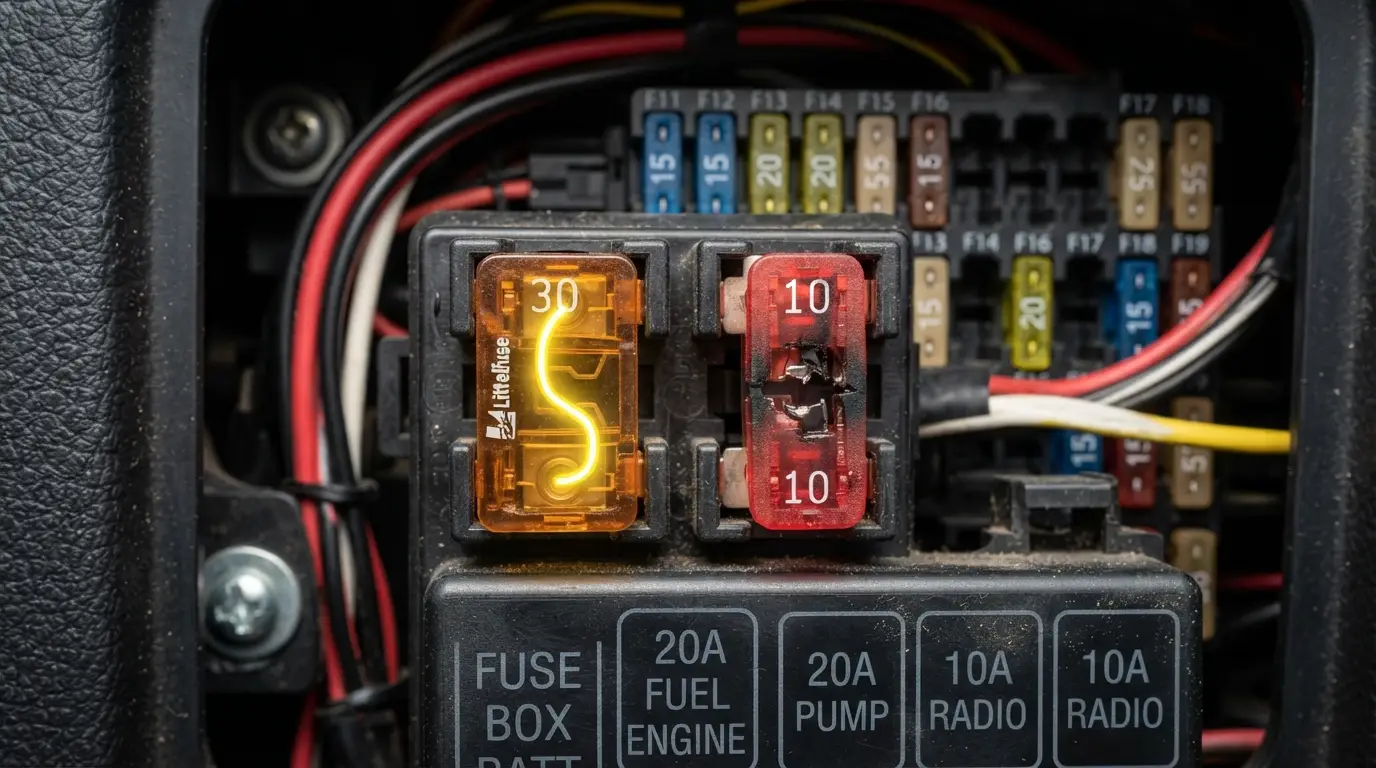
A car fuse is a safety valve for current. It melts when current gets too high. This stops heat and wiring damage.
Each fuse has a set amp rating and a time curve. Short spikes may pass. Long or big spikes will blow it. If a fuse keeps blowing, there is too much current or a fault.
Blade fuses are fast and simple. They protect one circuit or a small group. When they blow, find the root cause before you drive again.
What Causes a Car Fuse to Keep Blowing?
If you ask what causes a car fuse to keep blowing, think about heat and flow. Too much current makes heat. Heat melts the fuse link. Fix the reason, and the fuse will stop popping.
Here are the most common causes I see in the shop:
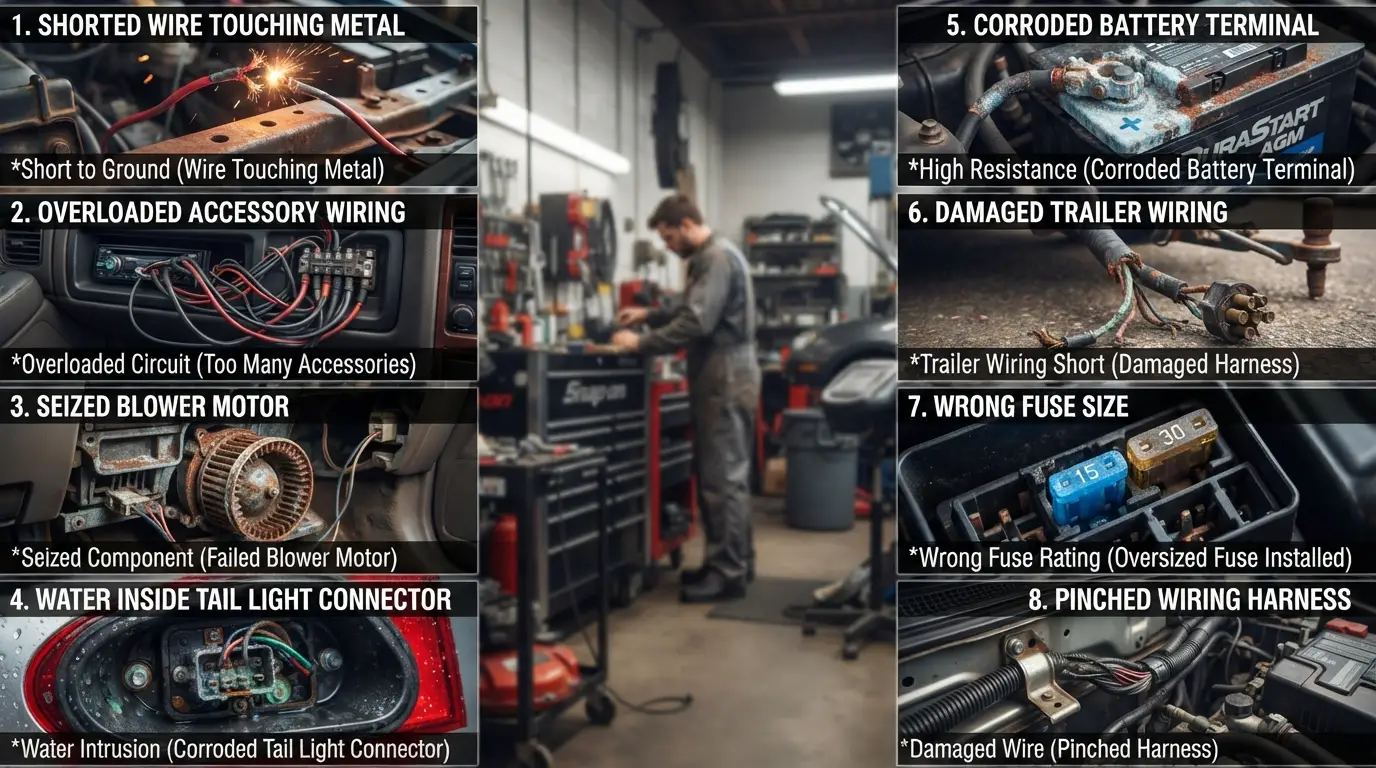
- Direct short to ground. A rubbed wire touches metal and makes a low-resistance path. This is the top answer to what causes a car fuse to keep blowing.
- Overloaded circuit. New add-ons pull more than the fuse rating. LED bars, amps, or seat heaters can do this.
- Failing motors. Blower motors, window motors, or wiper motors can seize. A stuck motor draws far too much current and shows up as what causes a car fuse to keep blowing.
- Wrong bulb or retrofit parts. High-watt bulbs, poor HID/LED kits, or melted sockets can spike current.
- Water in connectors. Moisture in tail lamps or fuse boxes can bridge contacts and cause shorts.
- Corroded or loose terminals. Loose fits make arcing and heat. Heat can melt plastic and expose conductors.
- Bad 12V outlet. Coins, gum wrappers, or shorted USB chargers can blow the fuse right away.
- Trailer wiring faults. Cheap or worn trailer harnesses rub, crack, and short under load. Many drivers learn this is what causes a car fuse to keep blowing after towing.
- Damaged harness near hinges. Trunk and hatch wires flex and break. I’ve fixed many rear light and defroster fuses from this.
- Wrong fuse size. Too small blows early. Too big is unsafe. Use the rating on the cover or manual.
From experience: I once traced a blower fuse that blew only on level 4. The fan motor bearings were dry. On high, it pulled way over spec. A new motor and clean ground fixed it for good. Another case was a taillight fuse that blew when it rained. The lamp seal leaked. Water pooled in the socket, and pop went the fuse. Drying, sealing, and a new socket solved it.
How to Diagnose a Fuse That Keeps Blowing (Step-by-Step)
Start simple, then move deeper. Work safe and slow. Use a wiring diagram when you can.
Follow these steps:
- Verify the fuse rating. Check the panel diagram and manual. Do not “upsize” the fuse.
- Note when it blows. Key on, engine on, bumps, a certain switch, or in rain? This clue points to the fault.
- Unplug loads on that circuit. Lights, motors, modules, chargers. Add them back one by one.
- Use a resettable circuit breaker or fused jumper for testing. This saves fuses while you hunt what causes a car fuse to keep blowing.
- Check for shorts with a test light. Place it in place of the fuse. If it glows bright, there is a short.
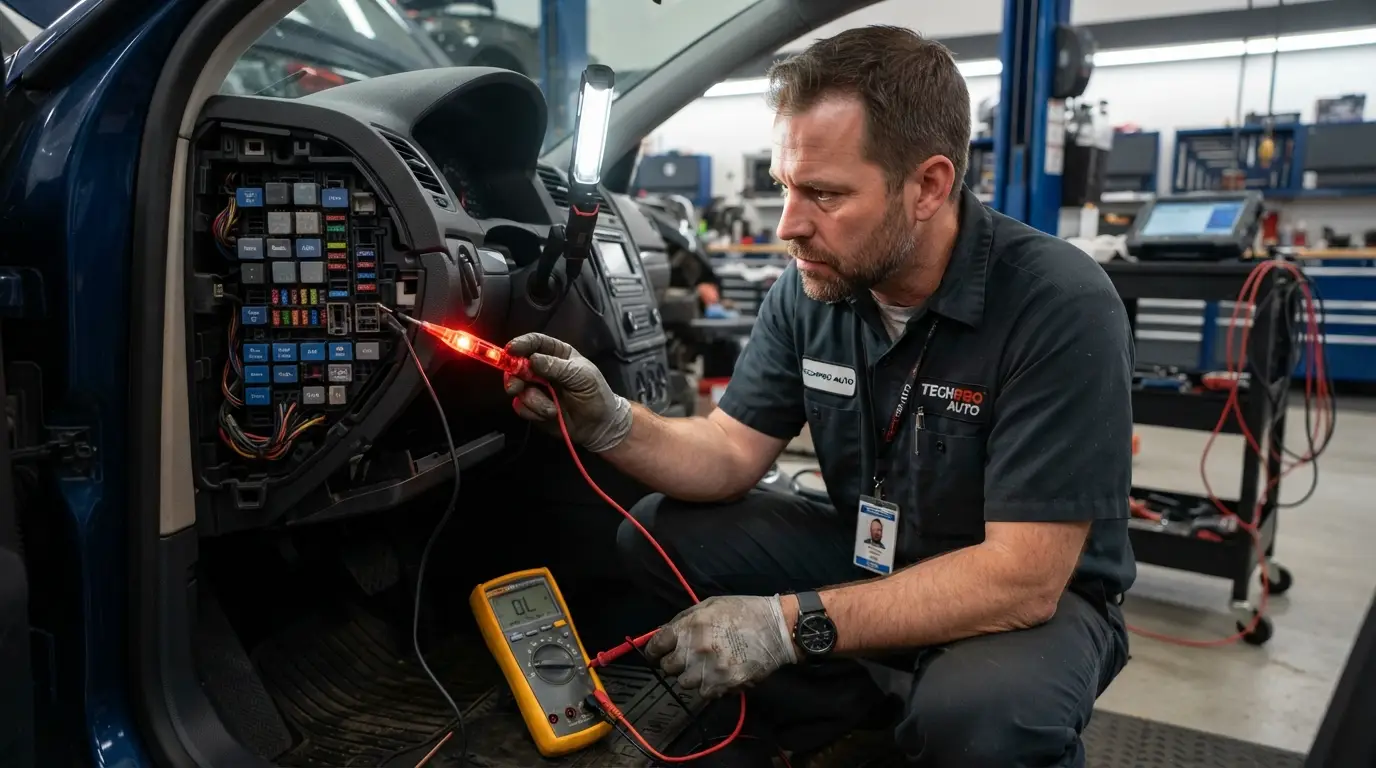
- Wiggle test the harness. Move wires near doors, trunk hinges, and behind the dash. Watch the test light or breaker.
- Inspect grounds. A bad ground can force odd current paths and heat.
- Look for water. Check lamp housings, cowl drains, and the cabin filter area. Dry and seal leaks.
- Measure current draw. Use a clamp meter on the circuit wire. Compare to the spec for that device.
- Repair, then retest. Replace chafed wire with same gauge and color if possible. Use crimp connectors and heat-shrink.
Pro tip: When chasing what causes a car fuse to keep blowing in a blower or pump circuit, jump the device with a fused lead and read current. If it is 2–3× spec, the device is bad, not the wire.
Temporary Fixes vs Proper Repairs
Do not install a bigger fuse. That risks a harness fire. Do not wrap the fuse in foil. That removes safety.
Use these safe test-only tricks:
- A resettable breaker for short tests. It trips and resets while you trace the fault.
- A test light in the fuse slot. It shows when the short is there.
For lasting repairs:
- Replace bad parts. Motors, bulbs, sockets, or chargers that pull too much must go.
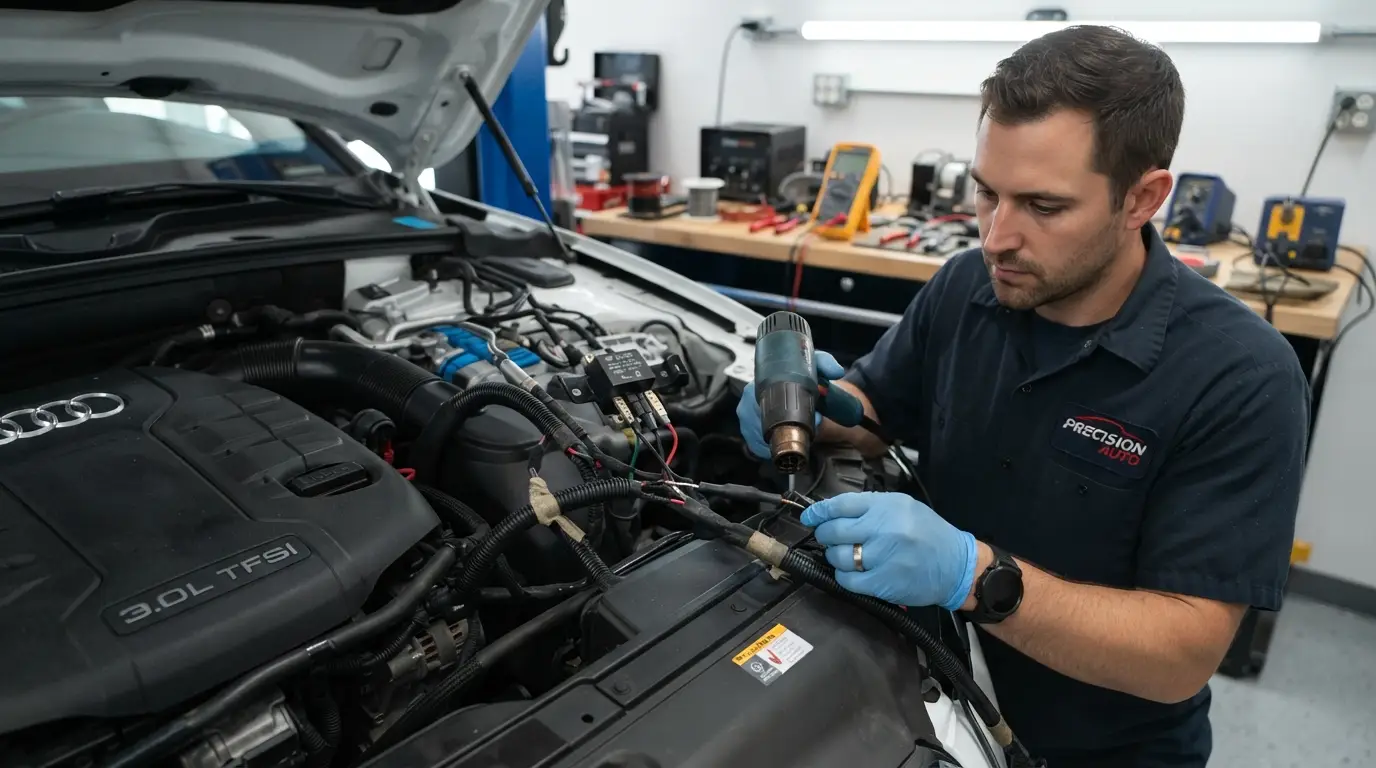
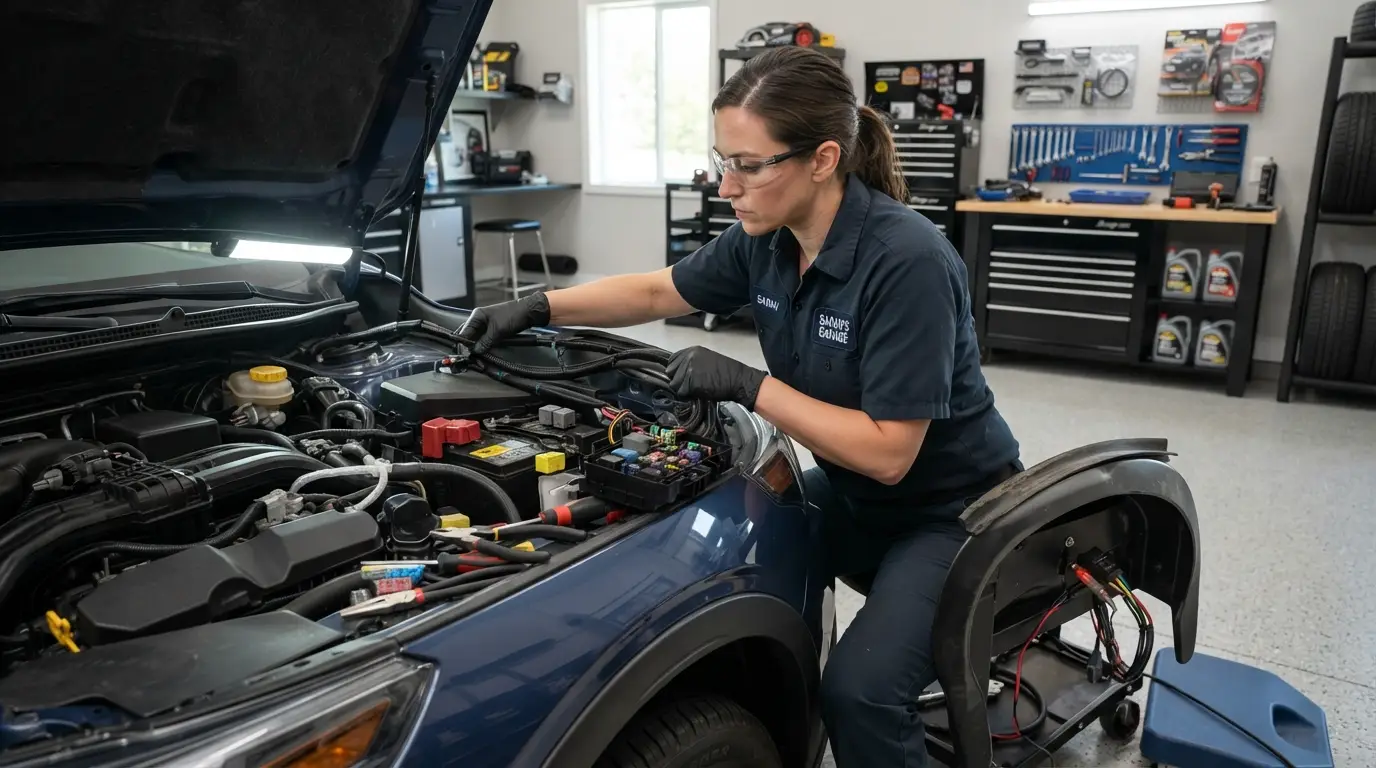
- Fix wiring right. Use correct gauge wire, proper crimps, and heat-shrink. Add loom and grommets.
- Reroute add-on loads. Run a new fused line and relay from the battery for big accessories.
These steps answer what causes a car fuse to keep blowing and fix it the right way.
Prevention and Maintenance Tips
A few habits keep fuses happy and circuits safe.
- Match fuse ratings to the manual. Keep spares in the glove box.
- Secure cables. Use loom and clips. Keep wires off sharp edges.
- Seal the weather. Replace lamp seals and gaskets. Keep drains clear.
- Be picky with add-ons. Use relays, proper gauge wire, and a clean ground.
- Inspect trailer wiring often. Look for rub points and cracked insulation.
- Keep the 12V outlet clear. No coins or debris.
Follow these, and you won’t need to ask what causes a car fuse to keep blowing again.
Costs and When to See a Pro
Costs vary with the fault and car. Fuses cost little. Bulb sockets and small fixes can be under $50. Motors run $100–$300 in parts. Harness repairs can take 1–3 hours of labor. Shops often charge $100–$200 per hour.
Get help fast if:
- A main or charge fuse blows.
- You smell burning or see smoke.
- The fuse blows even with loads unplugged.
- A safety system is dead, like ABS or airbags.
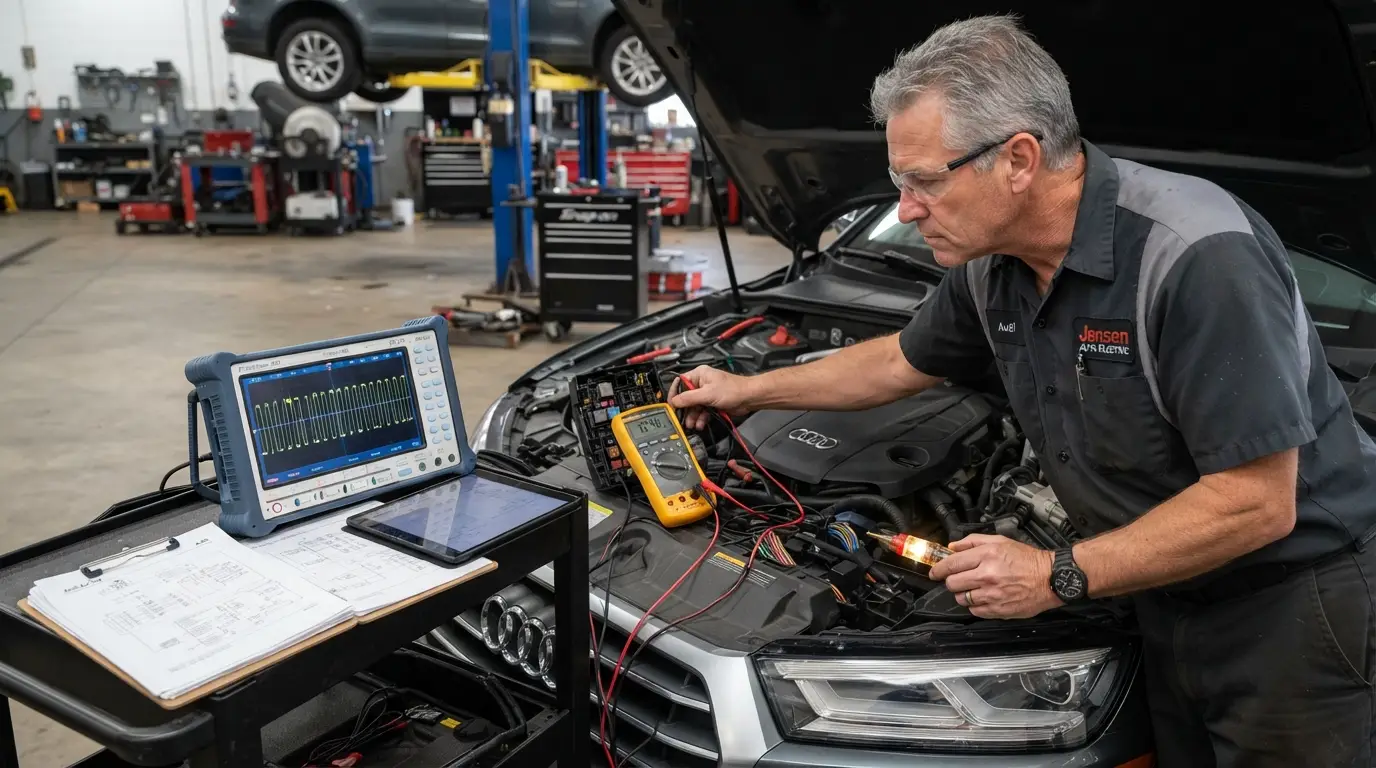
A skilled tech has wiring diagrams, pin-out tools, and load probes. That makes short work of what causes a car fuse to keep blowing.
Frequently Asked Questions of what causes a car fuse to keep blowing
Is it safe to drive if a fuse keeps blowing?
No. A blowing fuse means a live fault. You could lose lights or power while driving, or risk heat and wiring damage.
Why does my fuse blow only when I hit a bump?
A bump can move a loose wire into metal and cause a short. Look near doors, trunk hinges, or areas where the harness can rub.
Can a bad battery or alternator make fuses blow?
Indirectly, yes. Voltage spikes from charging issues can stress parts and wiring. If a main or charge fuse blows, test the battery, grounds, and alternator.
Why does the fuse blow when I turn on the AC or heater?
The blower motor or AC clutch may draw too much current. A seized blower or failing relay is a common cause.
Can I replace a 15A fuse with a 20A?
Do not. Use the rated size only. A larger fuse can let wires overheat and may cause a fire.
I changed the part, but the fuse still blows. What now?
The wiring or connector may be damaged, or there is a second fault. Test the circuit for shorts and verify current draw against the spec.
How do I find which fuse controls a dead device?
Check the owner’s manual and the fuse box cover map. Use a fuse tester or test light to check both sides of each fuse with the key on.
Conclusion
A fuse that keeps blowing is a strong clue, not just a hassle. It points to a short, an overload, or a failing part. With simple tools and a plan, you can find what causes a car fuse to keep blowing, fix it right, and drive with confidence again.
Take action today. Match the fuse size, isolate the load, and inspect the harness. If you’re stuck, call a pro and share your notes. Want more hands-on guides like this? Subscribe or drop your question in the comments—I’m here to help.