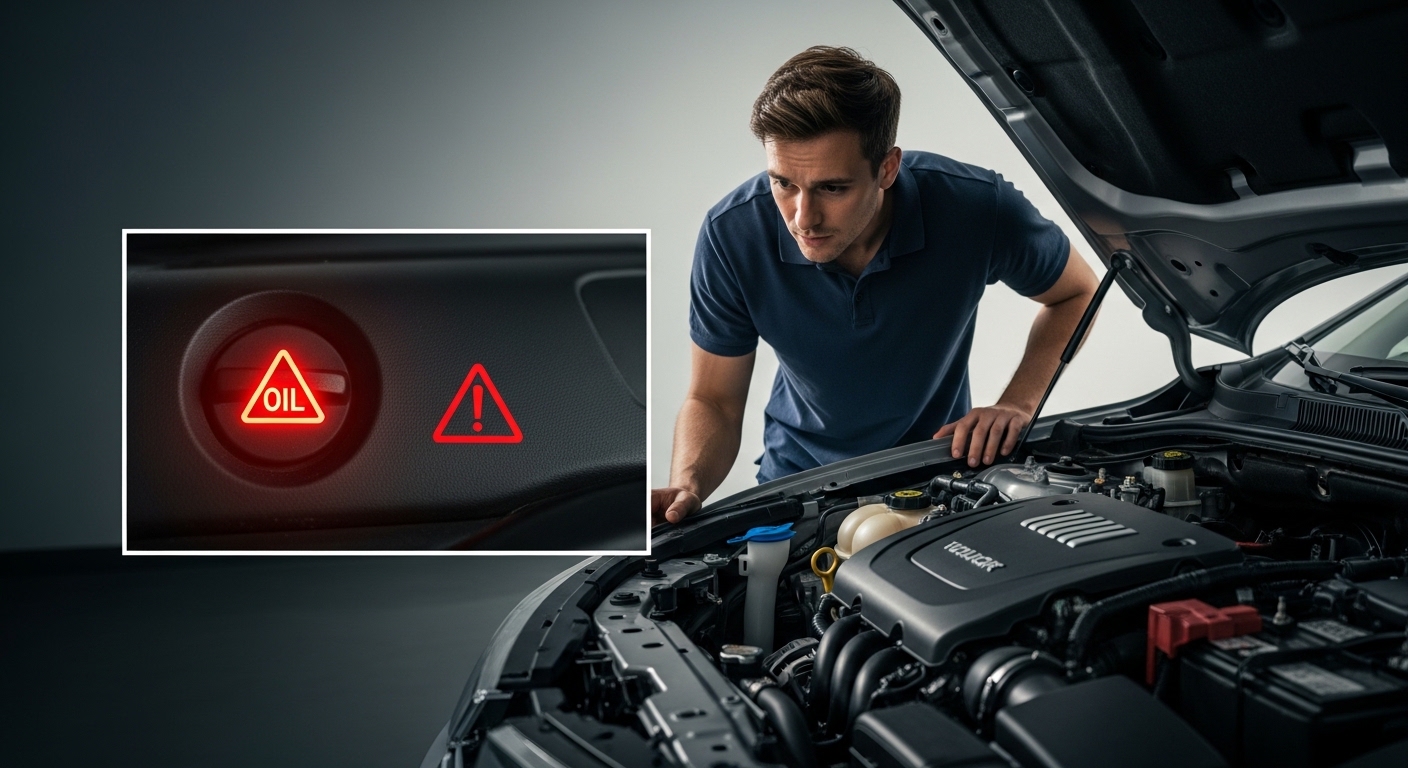
Warning light, ticking engine, burning smell, overheating, poor power, blue smoke.
I’ve spent years diagnosing strange noises and hot engines in busy bays. When drivers know the symptoms of low engine oil, they catch trouble early and save engines. This guide breaks down every sign, why it happens, and what to do next, using real-world tips and clear steps you can trust.
Source: amsoil.com
What engine oil actually does
Engine oil is the blood of your engine. It reduces friction, cools hot parts, cleans away soot, and seals small gaps. It also powers systems like variable valve timing. When oil runs low, metal rubs metal. Heat rises fast. Wear starts in minutes. That is why knowing the symptoms of low engine oil can save your engine and your wallet.
The clear symptoms of low engine oil
Most drivers first see a warning light or hear a new sound. But there are many early signs. Learn them before damage starts. Below are the most common symptoms of low engine oil I see in the shop:
- Oil pressure light on, or flickering at idle or in turns
- Ticking noise at startup or idle from lifters or cam followers
- Knocking under load from worn bearings
- Engine running hotter than usual or overheating
- Burning oil smell after driving, often near the exhaust or firewall
- Blue or gray smoke from the tailpipe, steady or on decel
- Sluggish acceleration, rough idle, or stalling at stops
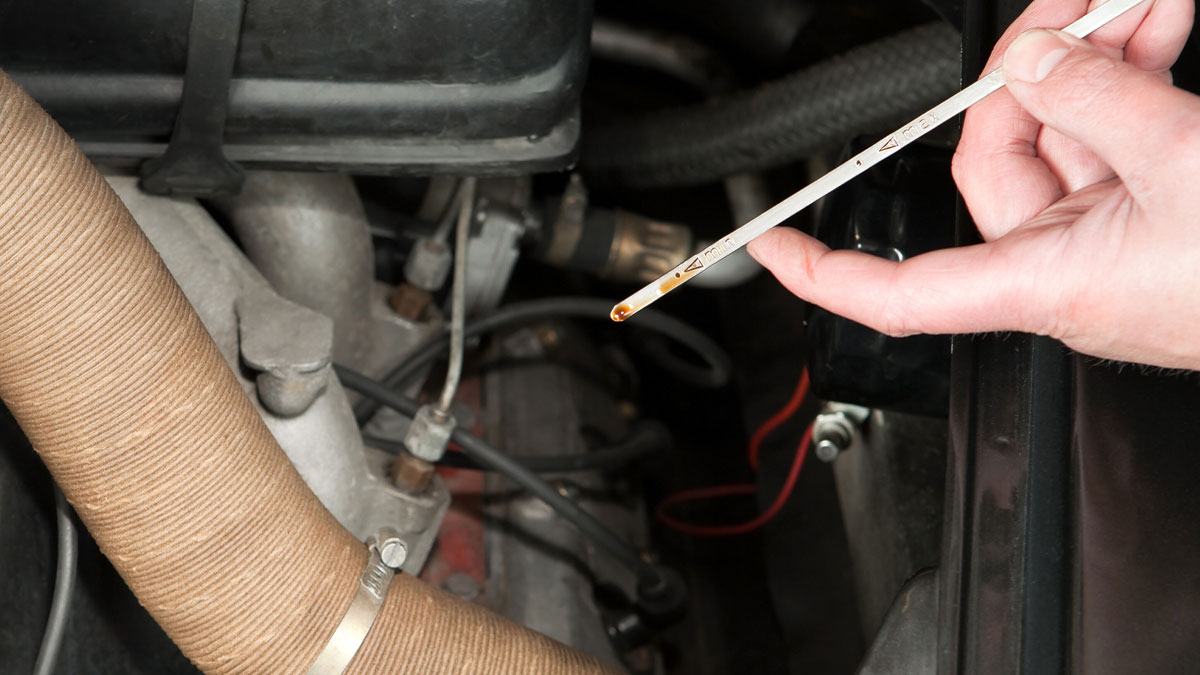
- Oil level below the dipstick’s low mark, or no oil on the stick
- VVT or cam timing codes, and rattle on cold start
- Turbo whine or smoke on turbo cars when oil is low
Each of these is one of the symptoms of low engine oil. One sign may show first. Others can follow as oil starvation gets worse.

Source: fram.com
Dashboard and warning light behavior
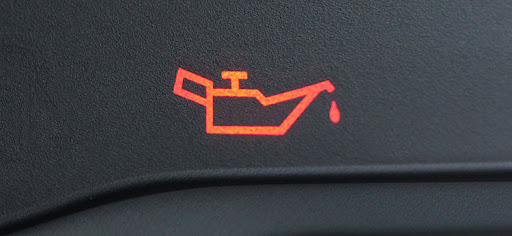
Most cars have an oil pressure light. Some also have an oil level light. Low pressure means the pump cannot feed the engine. Low level means there is not enough oil in the pan. A light that flickers at idle but goes off with revs is a red flag. On sharp turns or ramps, oil can slosh. The light may flash. Treat that as one of the symptoms of low engine oil and check the dipstick at once.
If the oil light stays on while driving, stop the engine now. Running it risks fast and severe damage. A check engine light can also appear due to VVT issues when oil is low.

Sounds and smells you may notice
Your ears and nose are great tools. Light ticking often means the top end is thirsty. Loud knocking means bearings lack oil. A chain rattle at cold start can mean starved tensioners. A hot, sharp oil smell points to oil dripping on hot metal. Blue smoke shows oil is burning in the cylinders.
These are classic symptoms of low engine oil, and they grow louder as oil drops.
Why does my car smell like burning oil?
Oil can leak onto the exhaust or turbo and cook. It can also seep from valve covers or the oil filter and burn off. That smell, plus a warm hood, are strong symptoms of low engine oil or a fresh leak.
Source: columbiatireauto.com
Changes in performance and feel
Low oil can change how the engine runs. You may feel a rough idle. Power may fade. The engine may hesitate when you step on it. This is common when VVT actuators do not get enough oil flow. Heat can also pull timing and reduce power. Any change in feel along with a light or tick is one of the symptoms of low engine oil.
Can low engine oil cause rough idle?
Yes. Low oil can upset hydraulic lifters and VVT control. That leads to unstable timing and a shaky idle, especially when the engine is hot.

Visual checks you can do at home
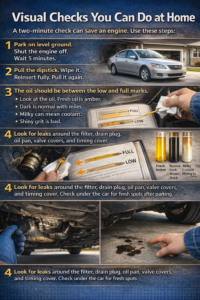
A two-minute check can save an engine. Use these steps:
- Park on level ground. Shut the engine off. Wait 5 minutes.
- Pull the dipstick. Wipe it. Reinsert fully. Pull it again.
- The oil should be between the low and full marks.
- Look at the oil. Fresh oil is amber. Dark is normal with miles. Milky can mean coolant. Shiny grit is bad.
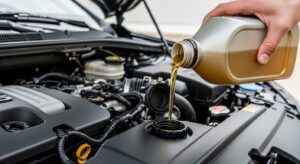
- If low, top up with the exact grade in your owner’s manual. Add slowly. Recheck the stick.
- Look for leaks around the filter, drain plug, oil pan, valve covers, and timing cover.
- Check under the car for fresh spots after parking.
If you keep topping up, track how much you add. High use is a symptom of engine wear or a leak. That is still one of the symptoms of low engine oil. Do not overfill. Too much oil can foam and starve the pump.
Common causes and risk factors
Knowing why oil drops helps you fix the root cause. The most common causes include:
- External leaks from gaskets, seals, oil filter, or drain plug
- Oil burning from worn piston rings, valve guides, or turbo seals
- A stuck or failed PCV system that pulls oil vapor into the intake
- Long oil change intervals that lead to consumption and sludge
- Hard driving, towing, high heat, or track days
- Short trips that never warm the oil, causing fuel dilution
- The wrong oil grade or a cheap filter with poor flow
Many engines use some oil between changes. Some makers say up to about a quart per 1,000 miles can be normal. Track your own trend. If it rises fast, that is one of the symptoms of low engine oil that needs attention.
What to do if you suspect low oil
Act fast and keep it simple:
- If the oil light comes on, pull over safely and shut the engine off.
- Wait a few minutes. Check the oil level with the dipstick.
- If low, add the correct oil grade. Start with half a quart and recheck.
- If the light stays on after adding oil, do not drive. Get a tow.
- If the light goes off, drive gently and get an inspection soon.
- Ask the shop for an oil pressure test and a leak check.
- Scan for codes if the check engine light was on.
Is it safe to drive with the oil light on?
No. That light means low pressure. Even a short drive can damage bearings and cams. Treat it as an emergency stop.
From my own bay experience: a customer drove five minutes with the light on to “make it home.” The rod bearings failed. A $100 top-up became a multi-thousand-dollar engine job. That is the harsh cost hidden in the symptoms of low engine oil.
Damage risks and repair costs
Low oil strips the thin film that protects moving parts. Bearings score. Cams and lifters pit. Turbos overheat. Chains stretch. Heat rises and warps parts. Some studies show wear increases many times over within minutes of oil starvation.
Typical cost ranges vary by car and region:
- Oil and filter service: $60 to $180
- Fixing leaks and gaskets: $150 to $1,000
- Timing chain and tensioners: $800 to $2,500
- Turbo replacement: $1,000 to $2,500
- Engine rebuild or replacement: $3,000 to $8,000+
These numbers show why catching symptoms of low engine oil early matters so much.
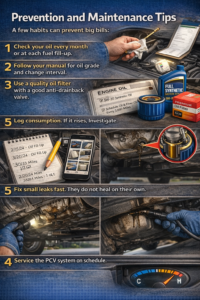
Prevention and maintenance tips
A few habits can prevent big bills:
- Check your oil every month or at each fuel fill-up.
- Follow your manual for oil grade and change interval.
- Use a quality oil filter with a good anti-drainback valve.
- Log consumption. If it rises, investigate.
- Fix small leaks fast. They do not heal on their own.
- Service the PCV system on schedule.
- Warm up gently. Avoid high revs when cold.
- Do not overfill. Aim for the dipstick’s sweet spot.
- Watch for maker bulletins on oil use for your model.
A tip from my bench: put a small piece of tape under the hood and note dates, miles, and how much oil you add. Trends show up fast. If you spot early symptoms of low engine oil, you can act before damage spreads.
Frequently Asked Questions of symptoms of low engine oil
How often should I check my oil level?
Check at least once a month or every 1,000 miles. Check sooner before road trips or after towing, track use, or long high-speed runs.
Can synthetic oil stop oil consumption?
Synthetic oil can reduce burn-off under heat and resist breakdown. But it will not fix worn seals or rings that cause true consumption.
What happens if I overfill the engine oil?
Overfill can foam the oil and starve the pump. It can also raise pressure and push oil past seals, creating new leaks.
Why does my oil level drop with no visible leak?
The engine may be burning oil past rings, valve seals, or turbo seals. A failed PCV can also pull oil into the intake and leave no drip.
Can a clogged oil filter cause low oil symptoms?
Yes. A clogged filter can restrict flow and drop pressure. Many filters have a bypass, but pressure and protection can still suffer.
How far can I drive with the oil light on?
Do not drive at all. Shut it down right away. Even seconds of low oil pressure can cause damage.
Are symptoms of low engine oil the same on hybrids?
Yes, the engine still needs proper oil level. Hybrids cycle the engine on and off, so check oil more often due to short run cycles.
Conclusion
Knowing the symptoms of low engine oil can save your engine, time, and money. Watch for warning lights, new noises, heat, smoke, and smells. Check the dipstick, top up the right oil, and fix the cause fast. A few minutes of care can prevent thousands in repairs.
Take action today: check your oil level, note your mileage, and set a reminder for the next check. Want more simple car care guides? Subscribe, share this with a friend, or drop your question in the comments.