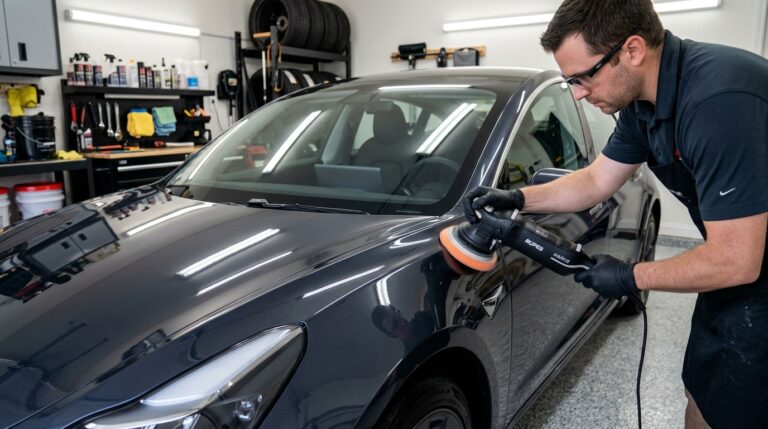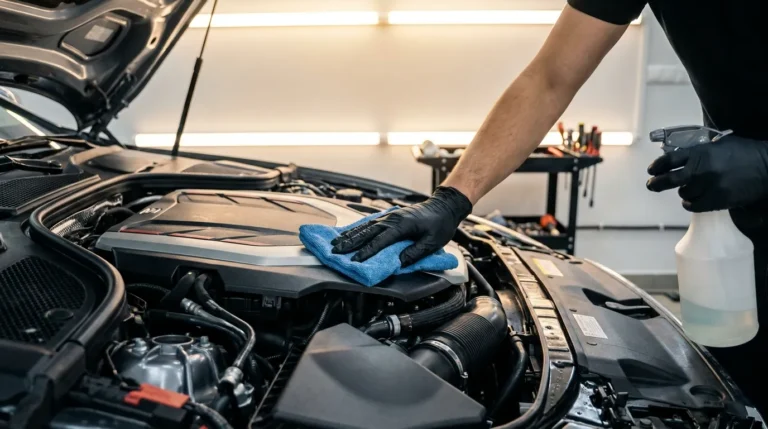
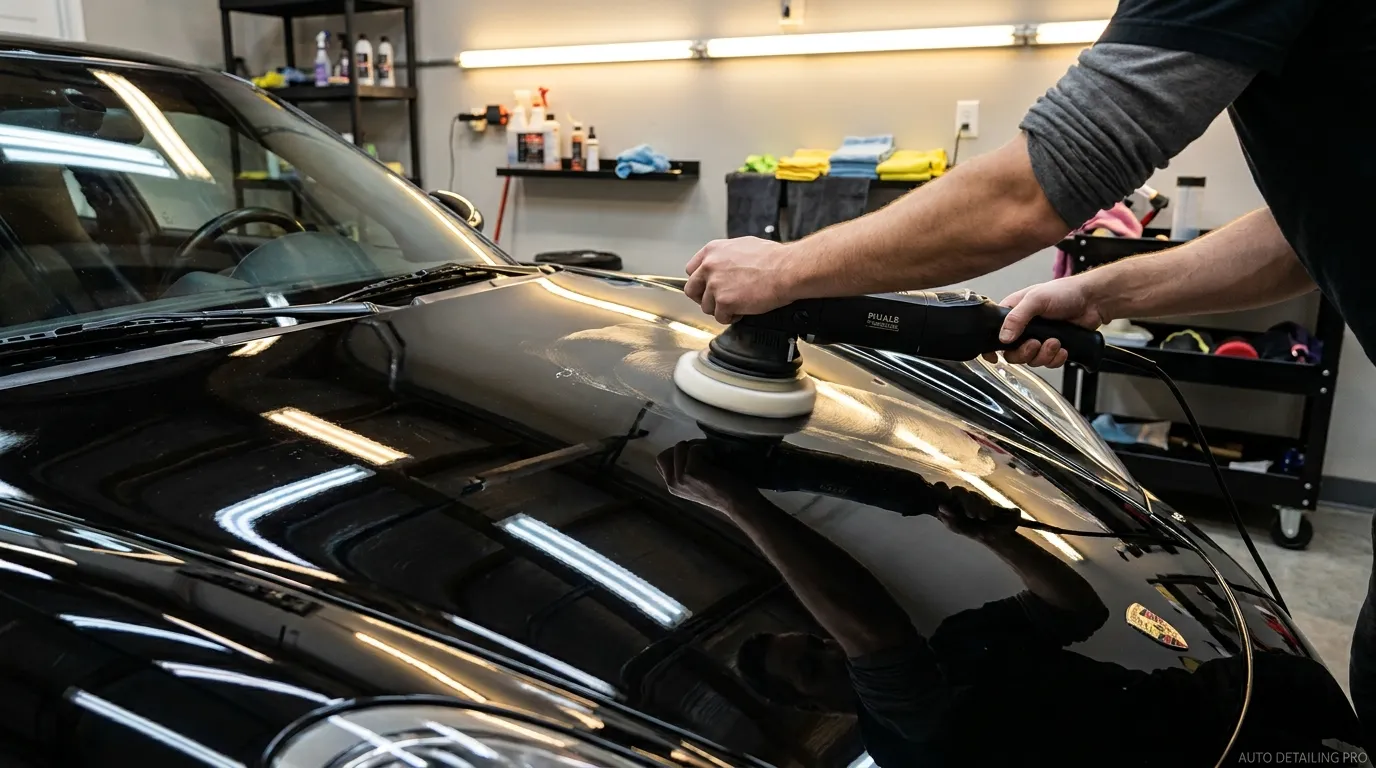
Use a dual-action polisher, the right pad and polish, slow overlapping passes, and proper prep.
I’ve spent years detailing cars for friends and clients. I will walk you through how to use car polisher safely and well. This guide explains tools, step-by-step technique, mistakes to avoid, and maintenance tips so you can get a glossy finish without damage. Read on for clear, tested advice that makes polishing simple and repeatable.
Why use a car polisher?
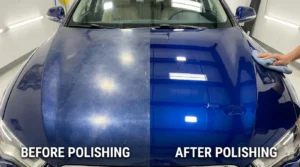
A good polisher saves time and gives a better finish than hand rubbing. It removes light scratches, swirls, and oxidation faster and more evenly. Learning how to use car polisher helps you restore paint clarity, protect the finish, and boost your car’s curb appeal. This tool also helps products work better and last longer after waxing or sealing.
Types of polishers and when to choose them
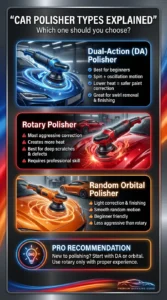
There are a few main polisher types. Each fits different skill levels and tasks.
- Dual-action (DA) polishers
- Safe for beginners. They spin and oscillate to reduce heat and paint risk.
- Best for swirl removal, polishing, and finishing.
- Rotary polishers
- Spins only and creates more heat. Great for heavy defects.
- Requires skill to avoid burning paint.
- Random orbital polishers
- Similar to DA but with different motion. Good for light correction and finishing.
- Less aggressive and beginner friendly.
Knowing which tool to use is a big part of learning how to use car polisher well. Pick a DA or orbital if you are new. Use a rotary only if you have experience or professional training.
Tools and supplies you need
Gather the right kit before you start. Good preparation makes the job faster and safer.
- Polisher
- Dual-action or orbital recommended for most users.
- Pads
- Cutting pads for heavy defects, polishing pads for correction, finishing pads for shine.
- Compounds and polishes
- Start coarse only when needed, then refine with finer polish.
- Clean microfiber towels
- Use several for wiping and buffing.
- Foam pad cleaning brush or pad washer
- Keeps pads working and extends life.
- Masking tape and clay bar
- Tape trim and use clay to remove bonded contaminants.
- Safety gear
- Gloves, safety glasses, and a dust mask if needed.
Having the right kit makes learning how to use car polisher less stressful. Buy quality pads and polish for better results.
Step-by-step: How to use car polisher
Follow these steps for a safe, even polish. Work methodically and keep each move slow and controlled.
- Wash and dry the car
- Remove dirt and grime. Polishing over grit will cause scratches.
- Dry using a clean towel or blower to avoid water spots.
- Decontaminate with clay
- Run a clay bar across the paint to remove bonded debris.
- This makes polish glide and improves results.
- Tape sensitive areas
- Mask plastic trim, rubber seals, and edges to avoid polish stains.
- Taping also protects thin paint near edges.
- Choose pad, polish, and speed
- Match pad aggressiveness to defect severity. Use a cutting compound for deep swirls, a polish for lighter marks, and a finishing polish for gloss.
- Start at low speed and increase only if needed.
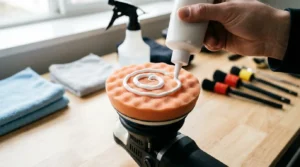
- Apply product to pad
- Place small dots of polish on the pad. Too much product wastes material and makes control harder.
- Spread product by hand or with polisher off
- Dab the pad to spread polish over a 2×2 foot area before switching machine on.
- Turn on polisher and start passes
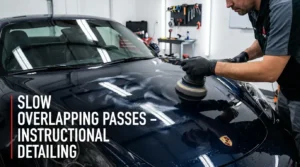
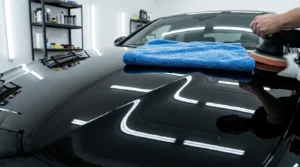
- Use light to medium pressure. Keep the pad flat and move slowly.
- Use overlapping passes and keep the machine moving to avoid heat buildup.
- Inspect and remove residue
- Wipe the area with a microfiber towel. Check results in good light.
- Repeat with a finer polish if needed.
- Finish with sealant or wax
- Lock in the correction with a paint sealant or wax for protection and gloss.
Practice the routine on less visible panels first. Doing one small 2×2 foot area at a time keeps control and consistency while you learn how to use car polisher.

Source: co.uk
Polishing techniques and pro tips
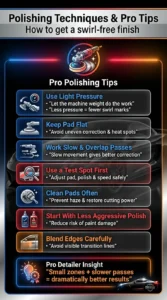
Small habits make big differences in the final look. Use these tips to polish like a pro.
- Use the right pressure
- Let the machine’s weight do work. Light pressure reduces risk of swirl marks.
- Keep the pad flat and level
- Tilting concentrates heat and causes uneven correction.
- Work slower, not harder
- Slow, overlapping passes yield better correction than fast, aggressive moves.
- Use the “test spot” method
- Try settings on a small area. Adjust pad, polish, or speed based on results.
- Clean pads often
- Remove paste and buildup to maintain cutting power and avoid haze.
- Start with less aggressive polish
- You can always step up if needed. This lowers the chance of paint damage.
- Blend edges
- Feather passes into adjacent panels to avoid visible transition lines.
From my experience, the biggest shift came when I learned to slow down and do small zones. That single change improved results across every car I detailed.
Quick questions (PAA-style)
What speed should I use on a DA polisher?
Use a low to medium speed for most jobs. Start slow and raise speed if needed for correction.
Can I polish over wax?
Remove wax before polishing. Wax clogs pads and prevents proper correction.
How often should I polish?
Polish only as needed—typically once a year or when light defects appear. Over-polishing thins clear coat.
Common mistakes to avoid
Avoid these errors to keep paint safe and finishes consistent.
- Using a rotary polisher without experience
- You can burn through paint or create holograms.
- Using wrong pad and polish combo
- Overly aggressive combos cause sanding marks.
- Applying too much pressure
- It raises heat and can damage clear coat.
- Skipping wash or clay
- Dirt on the surface creates more scratches.
- Not masking trim and edges
- Polish can stain or damage plastics if left unprotected.
I once polished a client’s bumper without taping the trim. The result was a stained rubber edge that needed extra work to fix. Learn from my mistake: tape first.
Maintenance and safety
Good care extends tool life and keeps you safe. Follow these basics every time.
- Wear protective gear
- Safety glasses and gloves reduce risk from splatter and fatigue.
- Keep cords clear and tidy
- Avoid trips and accidental cord drag across wet paint.
- Let the pad and polish rest
- Don’t run the machine continuously for long stretches.
- Clean and store pads properly
- Wash pads after use and let them dry fully before reuse.
- Service your polisher
- Check brushes, vents, and mounts regularly for wear.
I maintain two polishers and I clean pads after every job. That routine keeps both tools ready and saves money on replacements.
Frequently Asked Questions of how to use car polisher
How long does it take to polish a car?
Polishing a whole car typically takes 2 to 6 hours depending on size and defect level. Simple maintenance polishing is faster than full correction work.
Is a dual-action polisher safe for beginners?
Yes, a dual-action polisher is safer for beginners because it reduces heat and risk of clear coat damage. It still requires care and the right pads.
How often should I polish my car?
Polish when the paint shows swirls or dullness, often once a year or less for most cars. Overdoing it can thin the clear coat.
Can I use any pad with any polish?
No. Match pad cut and polish abrasiveness. Using a heavy cut pad with a finishing polish wastes time and can harm paint.
Will polishing remove deep scratches?
Polishing can remove light scratches and swirls but not deep scratches that penetrate clear coat. Deep scratches usually need touch-up or repainting.
Conclusion
Learning how to use car polisher gives you speed, shine, and control. Start with the right tool, prep the surface, work in small zones, and progress from coarse to fine. Practice on test spots, protect trim, and keep pads clean to get the best results. Try one panel today and build skill step by step—your car will thank you with a brighter, longer-lasting finish. If this guide helped, subscribe for more detailing tips or leave a comment with your polishing questions.