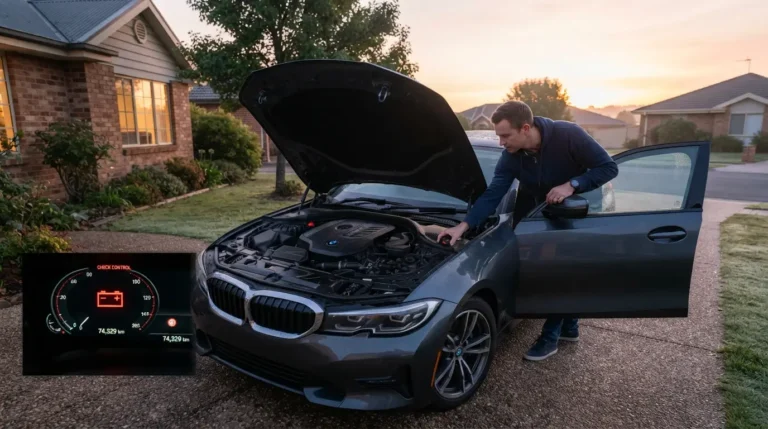
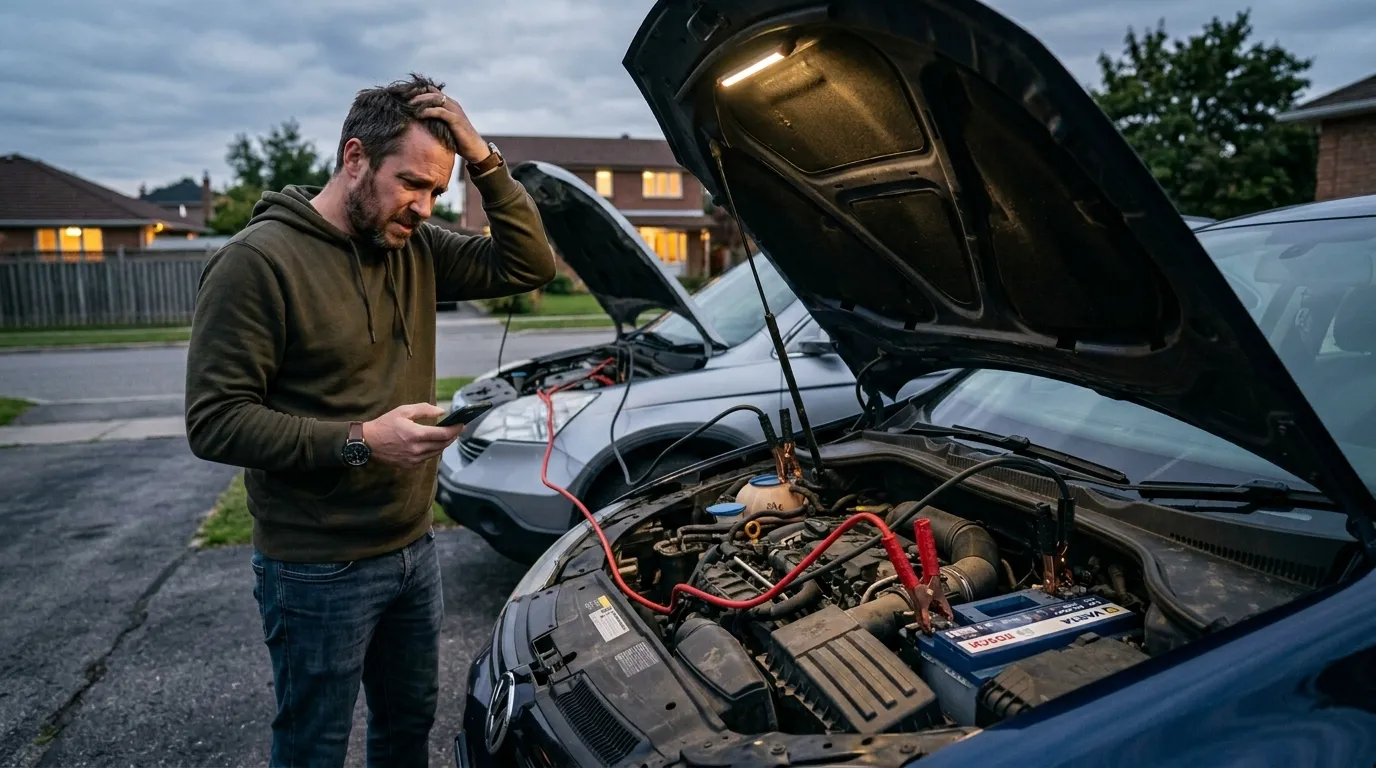
Most dead batteries come from parasitic drain, old cells, bad alternators, or loose, corroded cables.
If your car battery keeps dying causes you stress, you are not alone. I’ve diagnosed hundreds of no-start calls in shops and on driveways. In this guide, I break down every common trigger, how to test it, and the exact fixes that work. Stick with me, and you will spot the car battery keeps dying causes fast, and stop them for good.
The main car battery keeps dying causes you should know
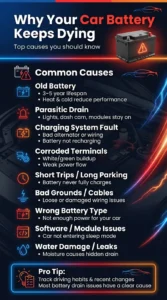
Your battery may be weak due to age. Most lead-acid batteries last three to five years. Heat speeds up wear. Cold slows the chemical reaction and exposes weak cells.
Parasitic drain is a top reason. A glove box or trunk light can stay on. An alarm, dash cam, or bad control module can keep the car awake. Even a stuck relay can sip power all night.
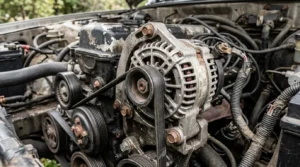
The charging system may be at fault. A worn alternator, bad voltage regulator, loose belt, or bad wiring will not recharge the battery. You may see dim lights, a battery light, or hear belt squeal.
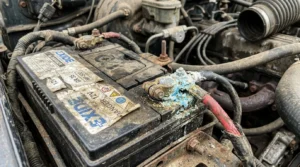
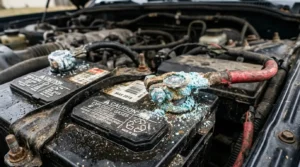
Loose or corroded battery terminals cause high resistance. That means poor charge in, weak power out, and random no-starts. White or green crust on clamps is a clue.
Short trips and long sits drain batteries. If you drive five minutes, then park for two days, the battery never gets full. Add cold weather and it dies fast.
Bad grounds and cable faults show up as odd, random issues. A frayed ground strap or an internal cable break can mimic a dead battery. Wiggle tests often change the symptom.
Wrong battery type or size matters. A small or cheap unit may not meet the car’s needs. Newer cars with stop-start and many modules need higher reserve and proper specs.
Software issues can cause draw. Some cars need a “sleep” cycle to drop into low power. Outdated firmware or a bad sensor can keep modules awake.
Flood, spill, or trunk water leaks corrode junctions and cause drain. Moisture in connectors triggers module wake-ups and sneaky current draw.
When you search for car battery keeps dying causes, the list above covers over 90% of cases I see. Note your driving habits, weather, and any new add-ons. Each hint can point to the exact fix.
How to diagnose car battery keeps dying causes at home
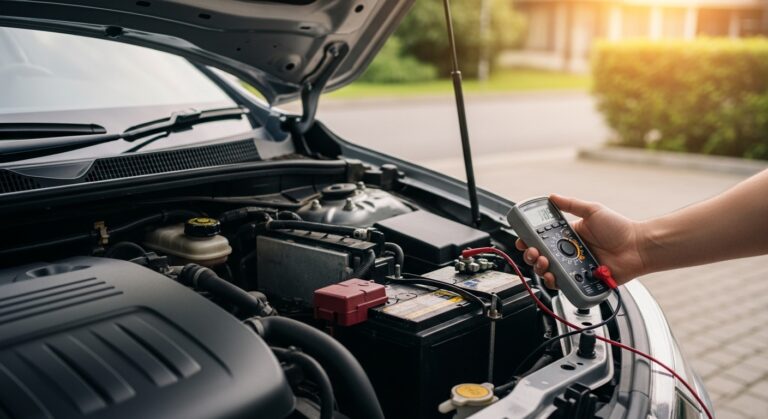
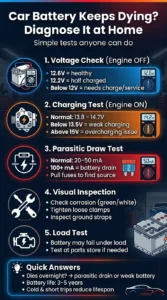
Start with a resting voltage check. After the car sits for at least four hours, a healthy battery reads about 12.6 volts. Around 12.2 volts is half charged. Below 12 volts needs charge or service.
Check charging voltage with the engine on. You should read 13.8 to 14.7 volts at the battery. If it is under 13.5 or over 15, the alternator system needs work.
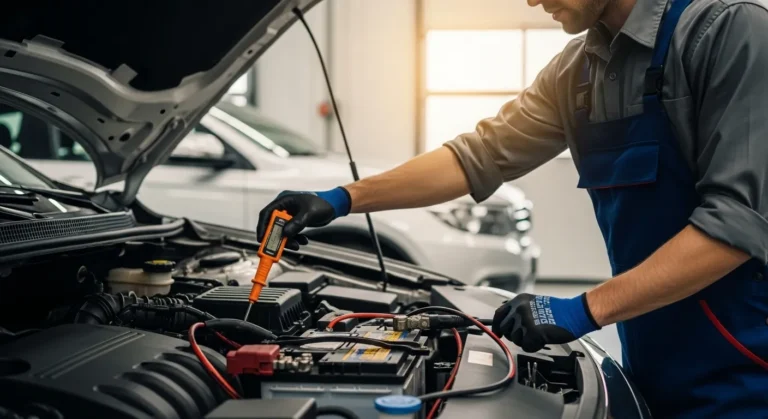
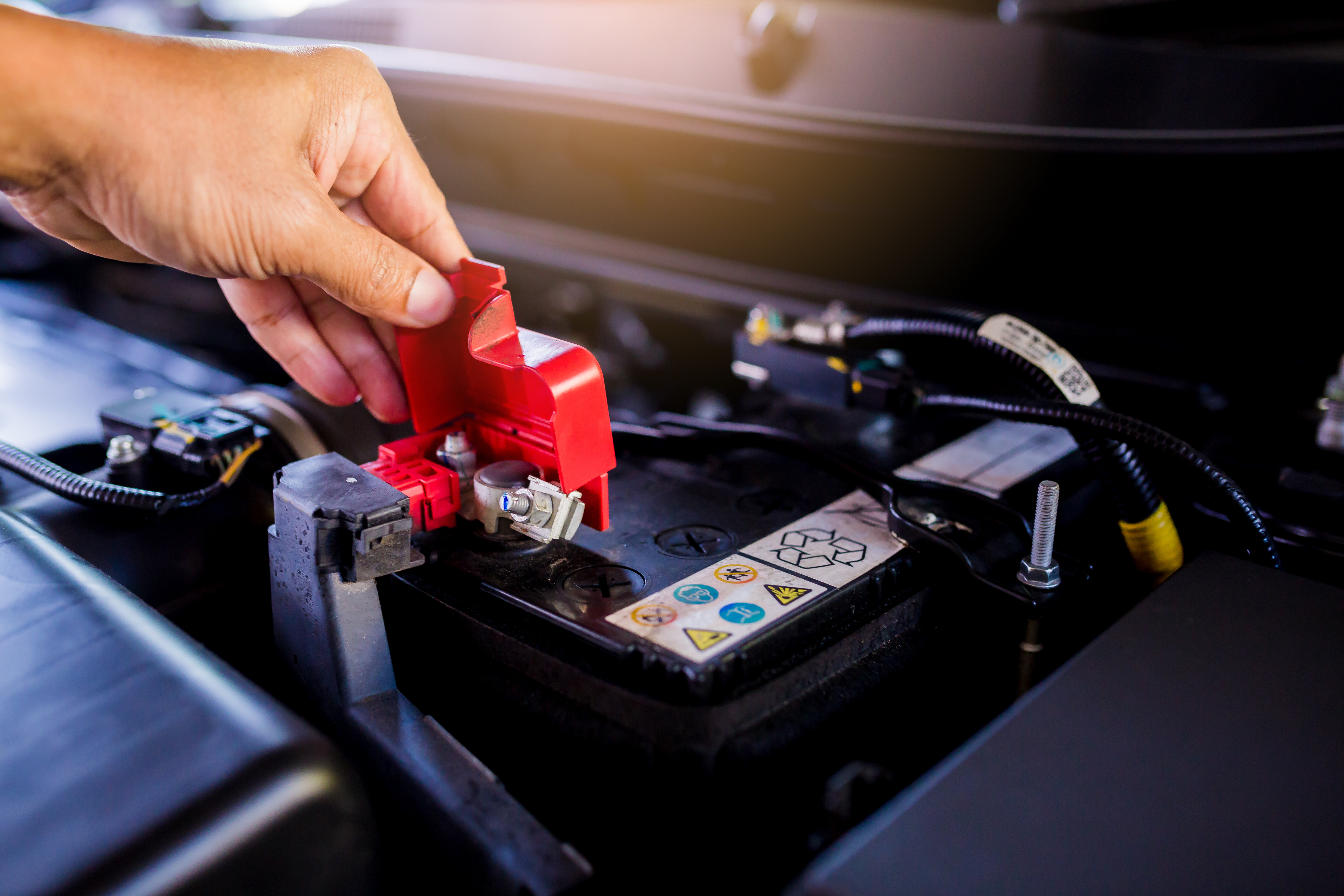
Do a simple parasitic draw test. Turn off the car, remove the key, close doors, and wait 20 to 45 minutes for sleep mode. Use a multimeter in series on the negative cable. Normal draw is often 20 to 50 milliamps. Over 100 milliamps is a drain. Pull fuses one by one to find the bad circuit.
Inspect cables and grounds. Look for green or white crust, loose clamps, and frayed straps. Clean with a battery brush and apply dielectric grease after you tighten.
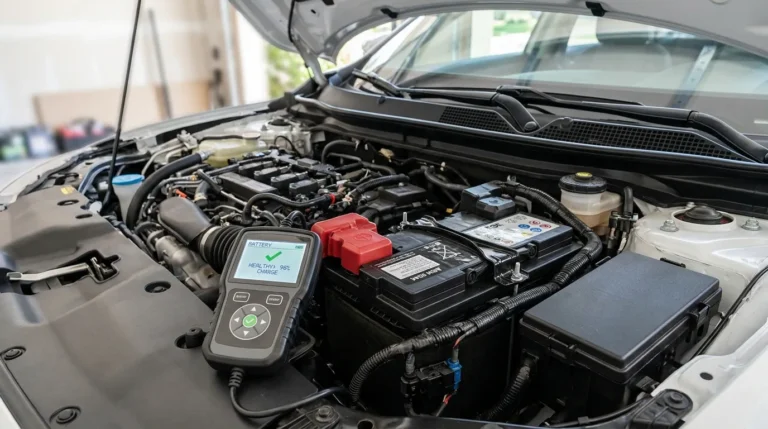
Load test if you can. A weak battery may show good voltage with no load but will sag when cranked. Many parts stores test for free. This step saves time and guesswork.
Why does my car battery die overnight? This is often a parasitic drain or a stuck light. It can also be a weak cell that cannot hold charge in cold weather.
How long should a car battery last? Most last three to five years. Heat, short trips, and deep discharges shorten life.
These steps cover core car battery keeps dying causes. Keep notes on readings, time to sleep, and which fuse drops the draw. That data helps you or a tech hit the bull’s-eye.
Fixes for top car battery keeps dying causes
If the battery fails a load test, replace it with the right group size and specs. Match cold cranking amps and reserve capacity to the car. For stop-start cars, use the correct AGM or EFB type and register it if required.
For alternator or belt issues, replace the bad part and recheck voltage. Inspect the belt tensioner and pulleys. A fresh belt and tight connections prevent a repeat.
For parasitic drain, repair the exact circuit. Common fixes include swapping a sticky relay, fixing a glove box or trunk switch, updating module software, or adding a timed power feed for dash cams. Parking mode devices should use a low-voltage cutoff.
For corroded or loose connections, clean, tighten, and protect. Replace worn clamps and any cable with high resistance. Check the engine and body grounds.
Adjust habits that drive car battery keeps dying causes. Take a longer drive once a week. Use a smart charger if you park for long periods. Unplug OBD gadgets and chargers when not in use.
Prevention habits that stop repeat failures
Charge and test before winter and summer. Extreme cold or heat strains a weak unit. A 15-minute check can save a tow.
Drive long enough to refill the battery. Aim for at least 20 to 30 minutes at a steady speed each week. City sprints are not enough.
Keep terminals clean and dry. Use a brush and baking soda mix for acid residue. Add dielectric grease to slow corrosion.
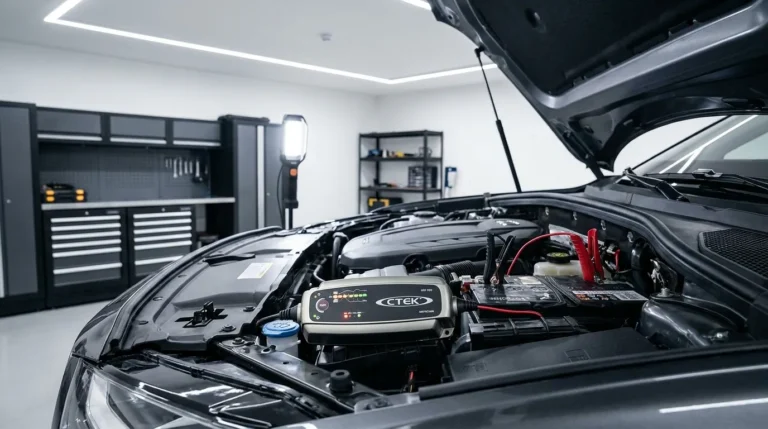
Store the car with a maintainer if you travel or have a weekend toy. A smart trickle charger keeps it topped without overcharge. Set a reminder to check cables monthly.
These habits reduce most car battery keeps dying causes. Small steps add up to strong starts and fewer surprises.
Special cases and edge scenarios for car battery keeps dying causes
Luxury and modern cars have many control modules. They may take 30 to 60 minutes to sleep. A door ajar, weak hood switch, or a bad telematics unit can hold them awake.
Aftermarket gear can be tricky. Dash cams in parking mode, LED kits, or old alarms can cause draw. Use a hardwire kit with a low-voltage cutoff and a fuse tap on an ignition circuit.
Hybrids and stop-start cars need the right battery type and coding. I have seen fresh batteries die in a week because they were not registered. The car then over or under charges them.
Road salt and water leaks create hidden drains. I once fixed a repeat dead-battery case by sealing a tail light leak. The wet connector kept the module awake all night.
Can an alternator drain a battery? Yes, a shorted diode can backfeed at rest and pull power. A diode ripple test or bench test will catch it.
Can a bad battery hurt the alternator? Yes, a weak battery makes the alternator work at max output for too long. That heat can kill bearings and diodes.
These edge cases often sit high on the list of car battery keeps dying causes in complex cars. Slow down, test, and fix the root, not the symptom.
Source: wiscoautomotive.com
Costs, timelines, and when to call a pro about car battery keeps dying causes
Expect to pay a small fee for a diagnostic of a parasitic drain. It can take one to two hours to trace a live draw. Complex cases can take longer if the draw is intermittent.
A new battery runs from budget to premium, based on size and type. Alternator parts and labor vary by car and access. Belts and clamps are lower cost, and worth doing right away.
Call a pro when you see repeated no-starts, strange warning lights, or new modules installed. Share your notes, meter readings, and any fuse that dropped the draw. That clear info helps solve car battery keeps dying causes fast and saves money.
Frequently Asked Questions of car battery keeps dying causes
Why does my car battery keep dying after I just replaced it?
You may have a parasitic drain or a charging system fault. The new battery is masking the real issue for a short time.
Can short trips really kill a good battery?
Yes, frequent short trips do not let the alternator recharge the battery. Over time, it stays undercharged and sulfates.
What is a normal parasitic draw?
Most cars rest at about 20 to 50 milliamps. Over 100 milliamps is a strong clue to a drain.
Do I need an AGM battery?
Only if the car calls for it, like many stop-start systems. Using the wrong type can shorten life and cause charging errors.
How often should I clean battery terminals?
Check monthly and clean at the first sign of buildup. A quick brush and grease can prevent voltage drop and no-starts.
Will a battery maintainer help if I do not drive much?
Yes, a smart maintainer keeps the charge topped and prevents sulfation. It is ideal for stored cars or short-trip drivers.
Can extreme heat cause repeat battery failure?
Yes, heat accelerates chemical wear and water loss in the cells. Parking in shade and checking charge can help.
Conclusion
Most no-starts trace back to a short list of root issues: weak batteries, parasitic drains, poor charging, and bad connections. With a meter, a few checks, and smart habits, you can pinpoint the cause, fix it once, and get your mornings back. Start today by testing resting and charging voltage, then hunt for draw if needed. If you are stuck, share your notes with a trusted tech and solve it fast.
If this helped you understand car battery keeps dying causes, subscribe for more simple guides, ask a question in the comments, and share this with a friend who keeps a jump pack in the trunk.