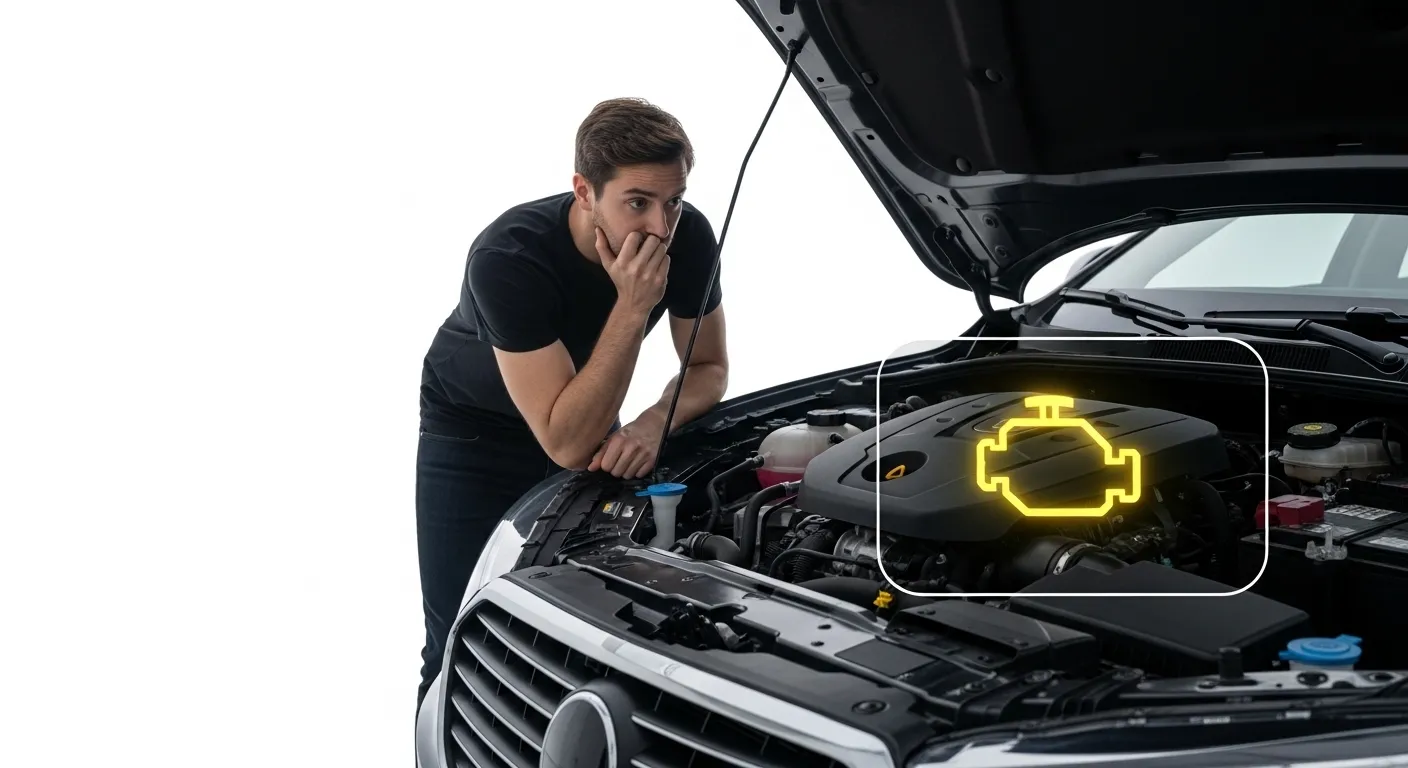
It means your engine computer found a fault affecting emissions, performance, or safety.
If you’ve asked yourself why is my check engine light on, you’re not alone. I’ve helped countless drivers read codes, spot patterns, and fix problems without guesswork. In this guide, I’ll break down what that light really means, what to do next, and how to avoid costly mistakes. Expect clear steps, real examples, and simple terms that make sense.
What the check engine light actually means
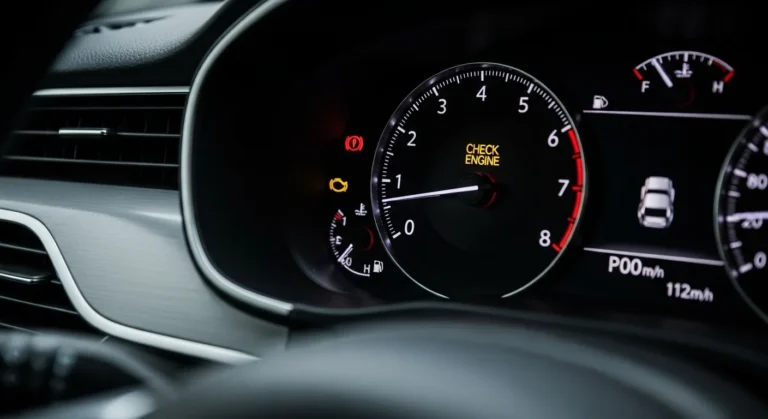
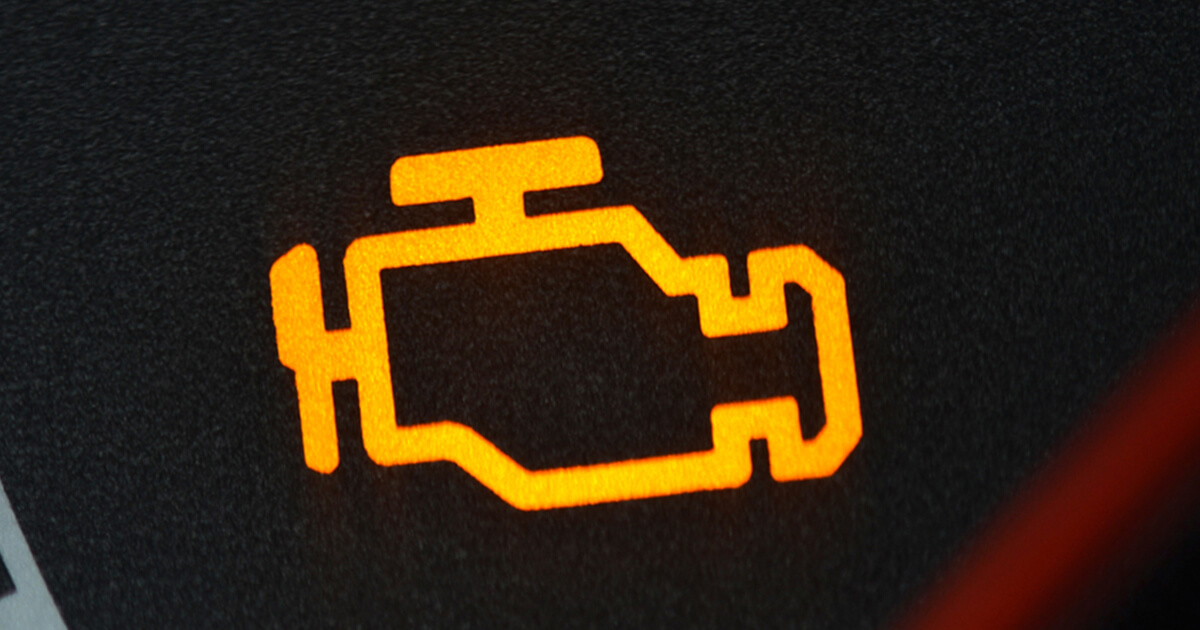
Your car’s computer, often called the ECM or PCM, watches sensors and systems. When it detects a fault that could raise emissions or harm the engine, it turns on the check engine light and stores a code.
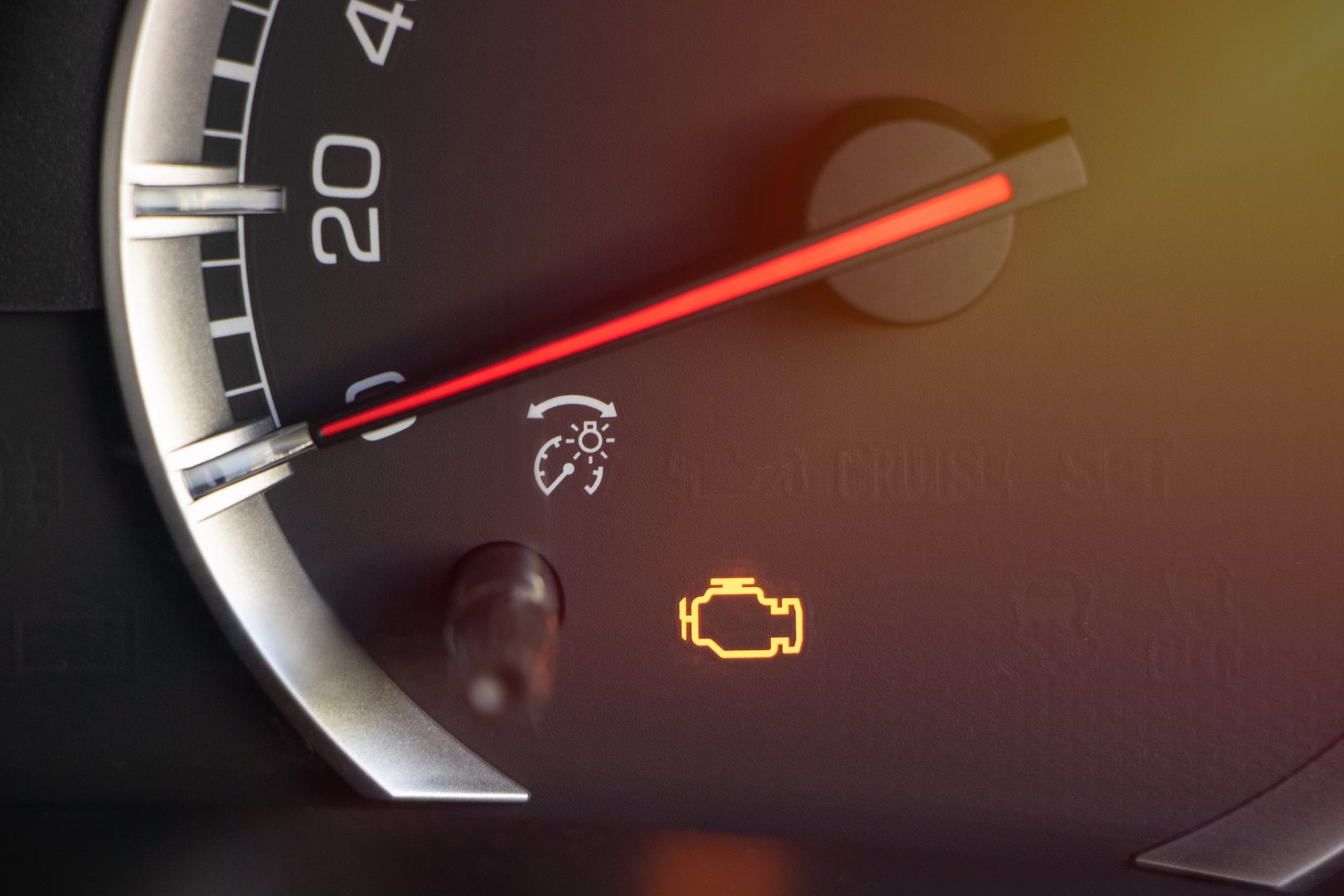
A steady light means the issue is not urgent but needs attention soon. A flashing light signals a misfire or severe fault that could damage the catalytic converter. Stop hard driving right away if it flashes.
Modern cars sold in the US since 1996 use OBD-II. That lets any scanner read trouble codes, freeze-frame data, and live sensor values. These clues tell you why is my check engine light on and where to start.
Source: mobil.com
Common reasons your check engine light is on
Here are the causes I see most often, from quick fixes to bigger repairs. Each can answer why is my check engine light on in different ways.
Loose or faulty gas cap
A cracked or loose cap lets fuel vapors leak. The system finds a leak and sets an EVAP code. Tighten until it clicks. If the light stays on after a few drives, replace the cap.
Oxygen sensor (O2) failure
An O2 sensor tracks oxygen in the exhaust to guide fuel trim. A bad sensor can drop mpg and raise emissions. It often sets codes like P0133 or P0420 related readings.
Catalytic converter issues
The cat cleans exhaust. Misfires, oil burning, or long-term rich fuel can wear it out. Codes often include P0420 or P0430. This is high-cost, so confirm root cause before replacing.
Ignition misfire
Worn spark plugs, bad coils, or damaged wires cause misfires. You may feel a shake or stumble. Codes like P0301 to P0306 point to which cylinder. A misfire can make the light flash.
Mass airflow sensor (MAF) and vacuum leaks
The MAF tracks air going into the engine. Dirt or leaks after it cause wrong readings and rough idle. A split intake hose is cheap to fix and very common.
EVAP system faults
This system traps fuel vapors. Problems with purge or vent valves, canisters, or lines can set small or large leak codes. These often do not affect how the car feels but still turn on the light.
EGR or PCV problems
The EGR controls exhaust gas flow to cut NOx. The PCV manages crankcase vapors. Sticking valves or clogged passages raise emissions and may cause pinging or rough idle.
Fuel delivery issues
Weak pumps, clogged filters, or dirty injectors cause lean or rich running. Codes may show lean banks (P0171, P0174) or fuel trim out of range.
Battery, charging, or ground faults
Low voltage can confuse sensors and modules. Scan tools may show many random codes. Check battery health and grounds before chasing ghosts.
Transmission or sensor issues
Some codes come from the trans, ABS, or body modules. Many are still tied to emissions logic. Reading full-system data helps find why is my check engine light on when the engine feels fine.
What to do right now
Act fast but stay calm. Follow these steps to protect your car and your wallet.
- Check gas cap. Tighten until it clicks. Drive for a day to see if the light clears.
- Note the light type. Steady means schedule service soon. Flashing means reduce speed and avoid hard loads.
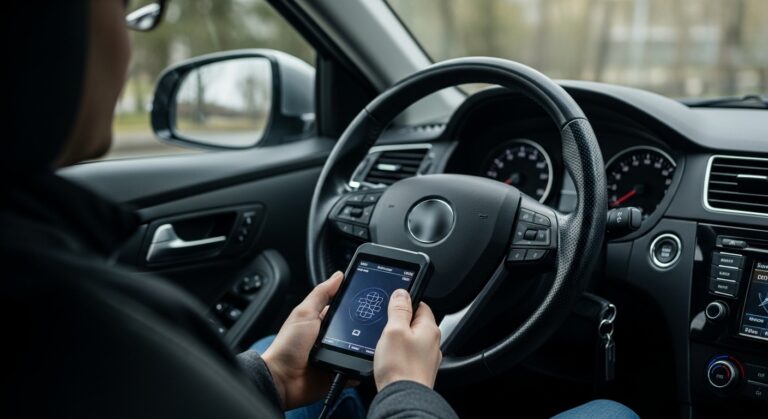
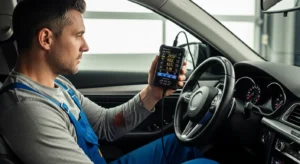
- Scan for codes. Many parts stores read codes free. A simple OBD-II tool or Bluetooth dongle also works.
- Record data. Write down code numbers and any symptoms like rough idle, poor mpg, or smells.
- Prioritize safety. If the engine shakes, smells like rotten eggs, or lacks power, avoid highway speeds. Seek service soon.
These actions help answer why is my check engine light on without guesswork.
Source: telletire.com
How to diagnose at home with OBD-II
A basic scan tool pays for itself fast. Here is how I use it step by step.
- Read codes. Look for confirmed and pending codes. Confirmed means the fault met the test rules. Pending means it might be new or rare.
- Check freeze-frame. This shows speed, load, and sensor data when the code set. It can reveal if the car was cold, hot, or under load.
- View live data. Watch short-term and long-term fuel trims, O2 sensor swings, MAF grams per second, and coolant temp. Learn your car’s normal.
- Clear and retest. Fix simple things first. Then clear codes and run a drive cycle. If the code returns, dig deeper.
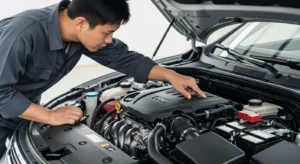
- Inspect basics. Check air filter, intake hoses, vacuum lines, coil boots, and plugs. These simple checks solve many cases of why is my check engine light on.
Tip: A smoke test finds vacuum and EVAP leaks fast. Many shops offer it for a fair fee.

Source: hometowneautorepairandtireofwoodbridge.com
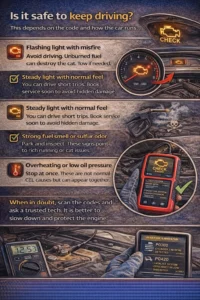
Is it safe to keep driving?
This depends on the code and how the car runs.
- Flashing light with misfire. Avoid driving. Unburned fuel can destroy the cat. Tow if needed.
- Steady light with normal feel. You can drive short trips. Book service soon to avoid hidden damage.
- Strong fuel smell or sulfur odor. Park and inspect. These signs point to rich running or cat issues.
- Overheating or low oil pressure. Stop at once. These are not normal CEL causes but can appear together.
When in doubt, scan the codes and ask a trusted tech. It is better to slow down and protect the engine.
Typical repair costs and time
Costs vary by car and part quality. Here are common ranges I see in the shop.
- Gas cap replacement. 10 to 40 dollars. 5 minutes.
- Spark plugs and coils. 150 to 600 dollars. 1 to 3 hours.
- O2 sensor. 120 to 350 dollars. 0.5 to 1.5 hours.
- MAF sensor clean or replace. 10 dollars for cleaner or 120 to 300 dollars for a new unit. 0.5 hour.
- EVAP purge or vent valve. 120 to 350 dollars. 1 to 2 hours.
- Catalytic converter. 600 to 2,000 dollars or more. 1 to 3 hours, plus diagnostics.
Ask for a full code report and test results, not just parts. That protects you and explains why is my check engine light on in clear terms.
Source: bernardsnorthtown.net
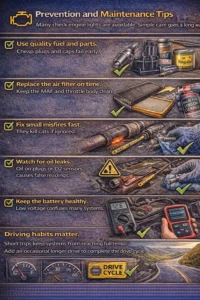
Prevention and maintenance tips
Many check engine lights are avoidable. Simple care goes a long way.
- Use quality fuel and parts. Cheap plugs and caps fail early.
- Replace the air filter on time. Keep the MAF and throttle body clean.
- Fix small misfires fast. They kill cats if ignored.
- Watch for oil leaks. Oil on plugs or O2 sensors causes false readings.
- Keep the battery healthy. Low voltage confuses many systems.
- Scan after any DIY work. A loose connector can set a code.
Driving habits matter. Short trips keep systems from reaching full temp. Add an occasional longer drive to complete the drive cycle.
Real-world examples and lessons learned
Here are cases from my own work that answer why is my check engine light on in real life.
- The gas cap ghost. A driver spent weeks worried about an EVAP code. The cap seal was cracked. A 20 dollar cap solved it. Lesson: check the simple stuff first.
- The flashing-light freeway scare. A small coil crack caused a misfire under load. The cat was saved because the driver slowed and pulled off. Lesson: flashing means act now.
- The cheap sensor trap. A car threw a P0171 lean code. The MAF was dirty, not broken. A 10 dollar cleaner fixed it. Lesson: test before you replace.
These stories show how a calm plan beats guesswork. You can do the same.
Frequently Asked Questions of why is my check engine light on
Why is my check engine light on after getting gas?
A loose or worn gas cap is common. Tighten it until it clicks, then drive a day to see if it clears.
Why is my check engine light on but the car runs fine?
Many EVAP or sensor codes do not affect how the car feels. You still need to fix them to pass emissions and protect the engine.
Why is my check engine light on and flashing?
A flashing light points to a misfire or severe fault. Reduce speed, avoid heavy load, and get it checked right away.
Why is my check engine light on and then off again?
Some faults are intermittent and set pending codes. The light may go off after a few drive cycles but can return if the cause remains.
Why is my check engine light on when it is cold outside?
Cold starts stress sensors and seals. Small vacuum leaks or weak batteries show up more in cold weather.
Why is my check engine light on with a P0420 code?
That code means low catalyst efficiency. Test for misfires, exhaust leaks, or rich fuel before replacing the catalytic converter.
Why is my check engine light on right after a battery change?
Voltage loss can trigger temporary codes. Clear them and run a drive cycle; if they return, test the related systems.
Conclusion
The check engine light is your car’s early warning system. It turns on when the computer finds a fault that affects emissions, power, or long-term health. Start simple, scan for codes, and fix the root cause. That plan saves money and stress.
If you still wonder why is my check engine light on, grab a basic OBD-II scanner and follow this guide. Share your code and symptoms in the comments, subscribe for more step-by-step tips, and take the first easy step today.