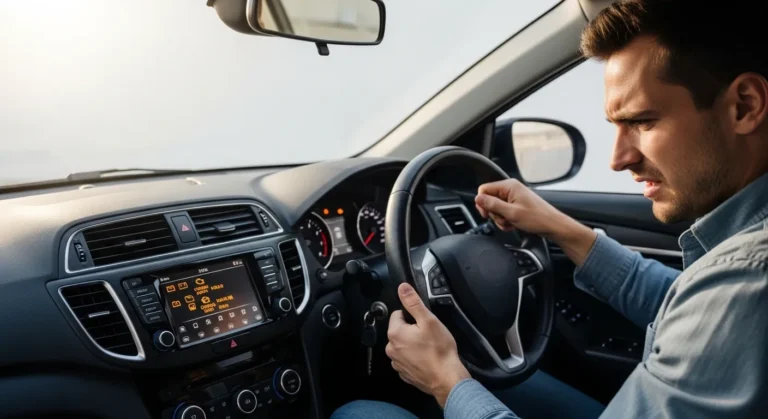
A car can fail to start with a good battery due to starter, fuel, ignition, or security issues.
If you’re asking why does my car not start but battery is good, you’re in the right place. I’ve diagnosed hundreds of no-starts in shops and driveways, and I’ll break it down in plain English. We’ll cover what to check first, what the sounds mean, and how to fix it without guesswork. Stick with me to learn the real reasons why does my car not start but battery is good, plus proven steps to get rolling again.

Source: familyhandyman.com
How the starting system works (and why a good battery isn’t enough)
Your battery powers the starter. The starter cranks the engine. Fuel, air, and spark then make the engine run. If any link in that chain fails, the car will not start.
A healthy battery can still leave you stuck. Bad connections can choke power. A failing starter can spin weakly or not at all. Fuel or spark issues can stop the engine from firing even if it cranks. Modern cars also have security systems that can block starts.
If you wonder why does my car not start but battery is good, think beyond the battery. You need power delivery, proper signals, and a clear path for fuel and spark. Finding the weak link is the key.
Source: com.au
Common reasons your car won’t start even when the battery is good
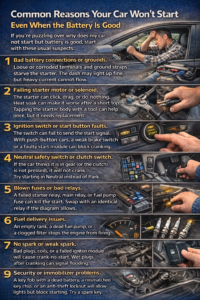
If you’re puzzling over why does my car not start but battery is good, start with these usual suspects:
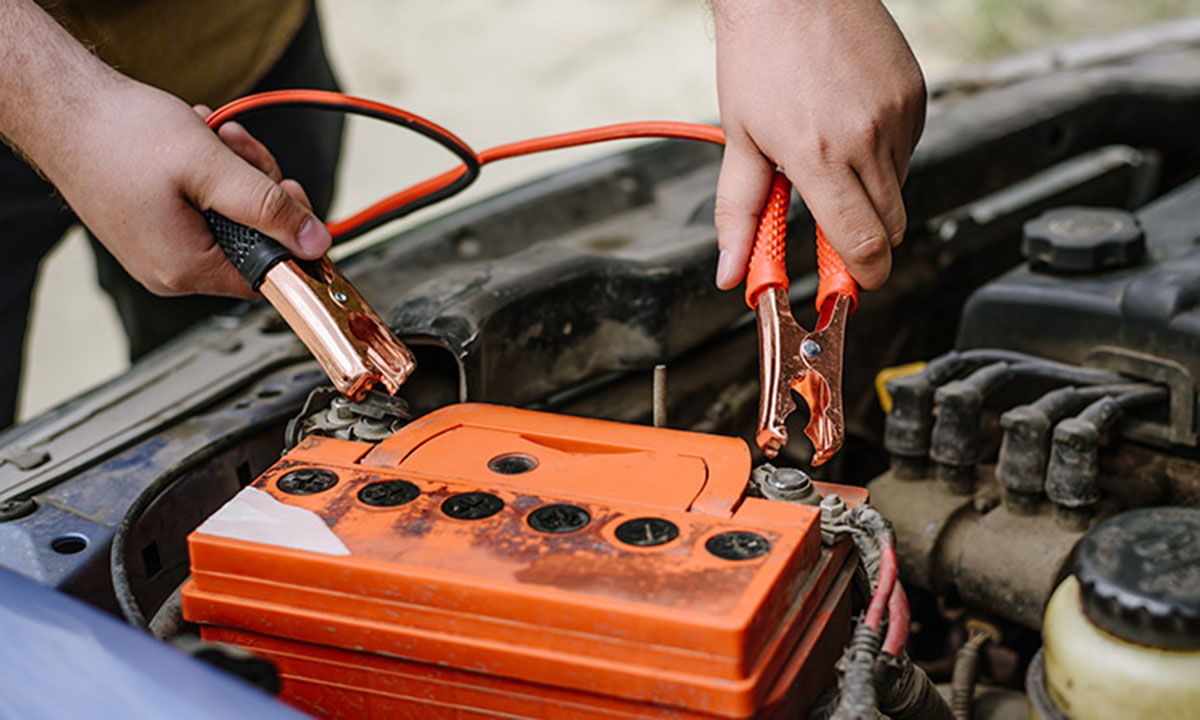
- Bad battery connections or grounds. Loose or corroded terminals and ground straps starve the starter. The dash may light up fine, but heavy current cannot flow. Clean and tighten both ends, including the engine-to-chassis ground.
- Failing starter motor or solenoid. The starter can click, drag, or do nothing. Heat soak can make it worse after a short stop. Tapping the starter body with a tool can help once, but it needs replacement.
- Ignition switch or start button faults. The switch can fail to send the start signal. With push-button cars, a weak brake switch or a faulty start module can block cranking.
- Neutral safety switch or clutch switch. If the car thinks it is in gear (or the clutch is not pressed), it will not crank. Try starting in Neutral instead of Park. Press the clutch all the way.
- Blown fuses or bad relays. A failed starter relay, main relay, or fuel pump fuse can kill the start. Swap with an identical relay if the diagram allows.
- Fuel delivery issues. An empty tank, a dead fuel pump, or a clogged filter stops the engine from firing. Listen for a two-second fuel pump buzz at key-on. No buzz can mean no fuel.
- No spark or weak spark. Bad plugs, coils, or a failed ignition module will cause crank-no-start. Wet plugs after cranking can signal flooding. Dry plugs may point to no fuel.
- Crankshaft or camshaft position sensor failure. The engine computer needs these signals to time spark and fuel. A bad sensor often causes a crank-no-start with no codes at first.
- Security or immobilizer problems. A key fob with a dead battery, a mismatched key chip, or an anti-theft lockout will allow lights but block starting. Try a spare key.
- Air and intake problems. A stuck throttle body or a failed mass airflow sensor can cause hard starts. Unplugging a failing MAF may let the car start in limp mode.
- Timing belt or chain failure. If the belt breaks or jumps, the engine may spin fast with no compression. This is serious and can bend valves on some engines.
- Engine flooded with fuel. Press the gas pedal to the floor while cranking to enter clear-flood mode on many cars. Release as soon as it fires.
As you work through why does my car not start but battery is good, focus on symptoms. They often point to the right system fast.
What the sound tells you when the car won’t start
Your ears are power tools here. If you ask why does my car not start but battery is good, match the sound to the likely cause:
- No crank, no click. Think bad ignition switch, dead starter, locked engine, blown fuse, or immobilizer. Check fuses and try a spare key.
- Single heavy click. The solenoid tries to engage but the starter may be stuck or weak. Also check for poor battery grounds.
- Rapid clicking. Usually low voltage at the starter. Even with a good battery, corroded cables or a bad ground can cause this.
- Cranks strong but won’t start. Fuel or spark issue. Consider fuel pump, crank sensor, coils, or security lockout.
- High-pitched whirring. The starter spins but does not engage the flywheel. The starter drive is likely bad.
If you still wonder why does my car not start but battery is good, record a 10-second audio clip. Many techs can guess the system from that alone.

Source: familyhandyman.com
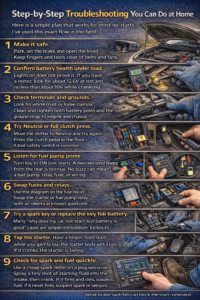
Step-by-step troubleshooting you can do at home
Here is a simple plan that works for most no-starts. I’ve used this exact flow in the field.
- Make it safe. Park, set the brake, and open the hood. Keep fingers and tools clear of belts and fans.
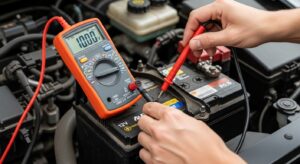
- Confirm battery health under load. Lights on does not prove it. If you have a meter, look for about 12.6V at rest and no less than about 10V while cranking. If voltage dives, charge or test the battery again.
- Check terminals and grounds. Look for white crust or loose clamps. Clean and tighten both battery posts and the ground strap to engine and chassis.
- Try Neutral or full clutch press. Move the shifter to Neutral and try again. Press the clutch pedal to the floor. A bad safety switch is common.
- Listen for fuel pump prime. Turn key to ON (not start). A two-second buzz from the rear is normal. No buzz can mean a bad pump, relay, fuse, or wiring.
- Swap fuses and relays. Use the diagram on the fuse box lid. Swap the starter or fuel pump relay with an identical known-good one.
- Try a spare key or replace the key fob battery. Many “why does my car not start but battery is good” cases are simple immobilizer lockouts.
- Tap the starter. Have a helper hold start while you gently tap the starter body with a tool. If it cranks, the starter is failing.
- Check for spark and fuel quickly. Use a cheap spark tester on a plug wire or coil. Spray a tiny shot of starting fluid into the intake, then crank. If it fires and dies, suspect fuel. If it never fires, suspect spark or sensors. Use starting fluid only with care and only a small amount.
- Scan for codes and live data. A basic OBD-II reader can show crank signal (RPM while cranking), fuel trims, and stored codes. No RPM while cranking often means a crank sensor issue.
- Use clear-flood mode. If the engine is flooded, hold the gas pedal to the floor while cranking. Release once it fires.
- Mind modern quirks. On push-button cars, hold the brake hard and keep the key fob inside the car. Weak brake switches can block the start command.
PAA-style quick answers:
- Why does my car not start but battery is good after refueling? A failing fuel pump can die hot at the gas station. Check for pump prime and relays.
- Why does my car not start but battery is good in cold weather? Thick oil and weak starters show up in the cold. Flooding and sensor issues are also common.
- Why does my car not start but battery is good after washing? Moisture can short coils or sensors. Let it dry, check connectors, and try again.
If you’re still stuck on why does my car not start but battery is good, you’ve at least narrowed it to starter, fuel, spark, or security. That saves time and money at the shop.
Real-world examples from the bay
- The hot coffee stop. Driver says, “It started fine, then nothing at the store.” Battery tested good. Single click heard. A light tap on the starter made it crank. New starter fixed it. Classic heat-soak failure.
- The quiet pump. Car cranked strong but never fired. No buzz from the rear at key-on. Swapped fuel pump relay, car started. Cheap fix, big relief.
- The stealthy sensor. SUV cranked but would not start. No codes. Live data showed zero RPM while cranking. New crankshaft position sensor solved it.
These are all versions of why does my car not start but battery is good. Patterns repeat. Listen, test, confirm.

When to call a pro (and what it might cost)
Call a mobile mechanic or tow the car if you have any of these:
- No crank after checks of fuses, relays, and shifter position.
- Strong crank but no start with no obvious fuel pump sound or spark.
- Suspected timing belt or chain issues.
- Electrical smells, smoke, or melted insulation.
Typical cost ranges (parts and labor vary by car):
- Starter replacement: 300–900
- Fuel pump module: 400–1,200
- Crankshaft or cam sensor: 150–500
- Ignition coils and plugs (set): 200–600
- Battery cables/grounds repair: 100–350
- Key/immobilizer reprogram: 100–300
A solid diagnosis beats parts darts. If you ask a shop “why does my car not start but battery is good,” share your tests and sounds. That can cut your bill.
Prevent it: simple habits that stop surprise no-starts
Preventive steps avoid the stress of why does my car not start but battery is good:
- Clean and tighten battery terminals and grounds twice a year.
- Replace your key fob battery yearly; keep a spare key handy.
- Listen for slow cranking; that’s your early warning to test battery and starter.
- Change spark plugs and filters on time; poor maintenance causes crank-no-starts.
- Use quality fuel and keep at least a quarter tank to protect the pump.
- Scan for codes at the first hint of rough starts; small clues prevent big failures.
- Carry a compact OBD-II scanner and a jump pack for road trips.
- If the car sits, use a battery maintainer to keep it healthy.
These habits reduce chances you’ll ever ask why does my car not start but battery is good again.
Frequently Asked Questions of why does my car not start but battery is good
Why does my car not start but battery is good and there’s a clicking sound?
A click points to a starter or connection problem. Check and clean the battery terminals and grounds, then test the starter and its relay.
Why does my car not start but battery is good and it cranks?
If it cranks but won’t fire, suspect fuel, spark, or security. Check for fuel pump prime, scan for codes, and try a spare key.
Why does my car not start but battery is good after sitting overnight?
Corroded terminals, a weak starter, or fuel pressure bleed-down can show up after a rest. Clean connections and check fuel pressure and relays.
Why does my car not start but battery is good in the rain?
Moisture can enter coils, plugs, or connectors and cause misfire or no-start. Dry the area, use dielectric grease on boots, and check for cracked coils.
Why does my car not start but battery is good and lights work?
Lights need little current; the starter needs a lot. Bad cables, grounds, or a failing starter can stop cranking even with bright lights.
Conclusion
A good battery is only step one. Starting needs strong cables, a healthy starter, working sensors, fuel, spark, and a happy security system. Use the sound clues, run the home tests, and you’ll pinpoint why does my car not start but battery is good without guesswork.
Act now: check your terminals, listen for the fuel pump, and scan for codes. Save this guide, share your results, and drop a comment with your symptoms. Your next start can be the one that gets you back on the road.