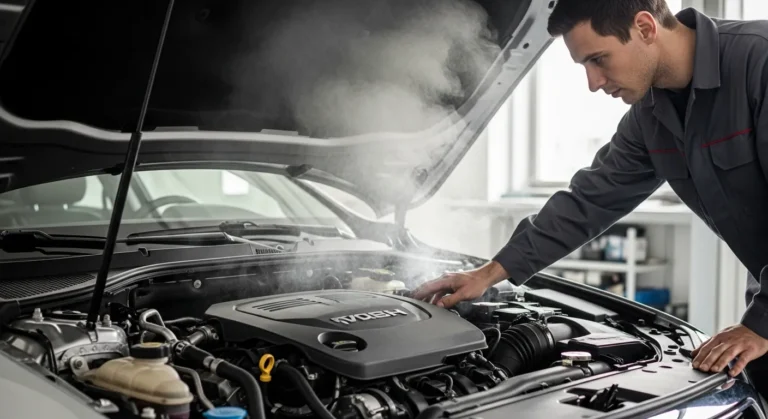
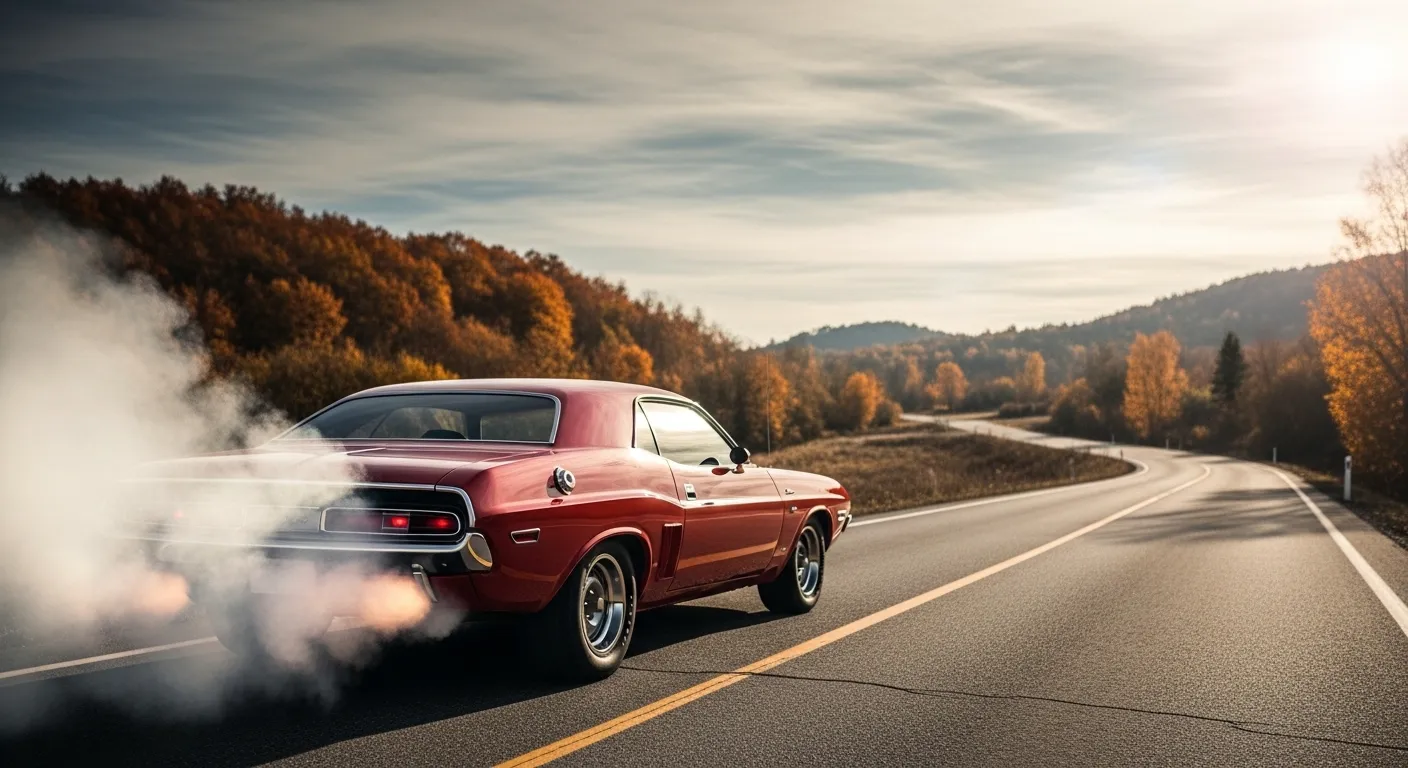
White exhaust smoke usually means coolant or condensation is entering the combustion process.
When drivers ask about white smoke from exhaust meaning, they want a clear, honest answer. I’ve diagnosed this issue in shops, driveways, and on cold winter mornings. In this guide, I’ll unpack what that smoke really tells you, how to pinpoint the cause fast, and what fixes make sense for your car and budget. Stick with me, and you’ll leave with confidence, not guesswork.
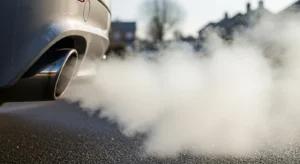
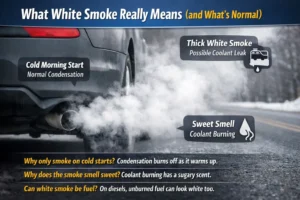
What white smoke really means (and what’s normal)
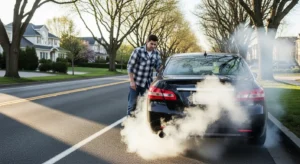
White smoke from exhaust meaning changes with time, smell, and weather. Thin, short-lived vapor on a cold start is usually steam from normal condensation. It fades in a minute or two as the exhaust warms up.
Thick, billowy clouds that keep coming are not normal. That often means coolant is burning in the cylinders. It can smell sweet, hang in the air, and may come with a rough idle. If your coolant level drops and there are white clouds, pay attention.
The smell is a strong clue. Coolant has a sweet odor. Raw fuel smells sharp. Burning oil smells bitter. Use your nose, but be safe and avoid breathing in fumes.
PAA-style quick answers:
- Why does it only smoke on cold starts? Condensation burns off, or a small leak seals as parts heat up.
- Why does the smoke smell sweet? Coolant contains glycols that give off a sweet scent when burned.
- Can white smoke be fuel? On diesels, yes. Unburned fuel can look white or gray at idle.
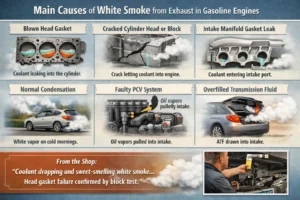
Main causes in gasoline engines
When people search white smoke from exhaust meaning, they often drive gas cars. Here are the top causes I see:
- Normal condensation on cold mornings Vapor looks white but fades fast.
- Blown head gasket Coolant seeps into a cylinder. Watch for milky oil, bubbling in the coolant tank, overheating, and hard starts.
- Cracked cylinder head or block Similar to a gasket, but the crack lets coolant in. Often follows an overheat event.
- Intake manifold gasket failure On some engines, coolant passages run under the intake. A failed gasket feeds coolant into an intake port.
- Faulty PCV system It can pull oil vapor into the intake and mimic light whitish smoke. The smell is not sweet in this case.
- Overfilled transmission fluid On certain cars, a vacuum modulator leak can feed ATF into the intake. Rare today, but it happens on older models.
From the shop floor: a small sedan came in with steady white clouds and a sweet smell. The coolant tank dropped an inch a week. A block test showed combustion gases in the coolant. The head gasket had failed between a water jacket and cylinder.
Common diesel-only causes
On diesels, white smoke from exhaust meaning often points to unburned fuel at low temps or poor ignition, not just coolant.
- Glow plug or grid heater faults Cold combustion leads to white or gray haze at idle.
- Low compression or timing issues Hard starting, rough idle, and white smoke that clears warm.
- Faulty injectors Dripping injectors wash a cylinder and send white mist out the pipe.
- EGR cooler failure Coolant enters the intake via a cracked cooler. Clouds are thick and sweet-smelling.
- Turbo seal failure Oil or coolant can be pulled into the exhaust stream.
Tip from experience: If a diesel clears up as the engine warms, check glow plugs and injector balance before tearing into the head.

Source: bulletproofdiesel.com
How to diagnose at home (step-by-step)
Start simple. You can confirm a lot in one afternoon.
- Observe the pattern
- Note when it smokes: cold start, idle, cruise, or boost.
- Watch the weather. Does it only happen in cold, damp air?
- Check smell and behavior
- Sweet smell and thick, lasting clouds point to coolant.
- Sharp fuel smell on a diesel at idle can be unburned fuel.
- Watch fluid levels
- Mark the coolant tank line when cold. Recheck in a few days.
- Pull the oil dipstick. Milky, tan foam suggests coolant in oil.
- Look for clues under the cap
- Bubbles in the coolant reservoir at idle can hint at head gasket leaks.
- Pressurized hoses long after shutdown can mean combustion gases in coolant.
- Run quick tests
- Cooling system pressure test Find external leaks or pressure drop.
- Block test chemical kit Detects combustion gases in coolant.
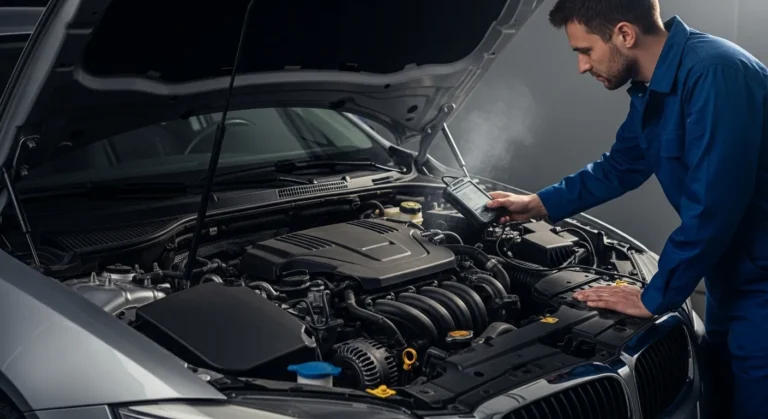
- OBD-II scan Misfires, coolant temp oddities, or sensor codes help.
- Paper towel test Hold a towel near the tailpipe. Water dots and a sweet scent suggest coolant. Oily residue suggests oil.
- Escalate if needed
- Compression and leak-down tests Confirm internal leaks.
- UV dye in coolant Find hidden seepage.
- For diesels, test glow plugs, injector return rates, and EGR cooler integrity.
Real-world note: I chased a “white smoke from exhaust meaning coolant” case for days. The block test was negative. The true culprit was a tiny intake gasket leak feeding one runner. It only smoked on cold mornings. A fresh gasket fixed it.
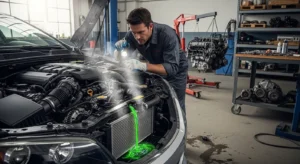
Is it safe to drive with white smoke?
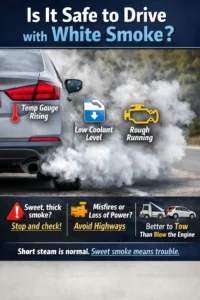
It depends on cause and volume. Light vapor on cold starts is fine. Keep driving. Thick, sweet-smelling clouds are not fine. Coolant in cylinders can cause misfires, catalytic converter damage, O2 sensor failure, and even hydrolock.
- If the temp gauge rises or the coolant drops fast, park it.
- If the engine stumbles or the smoke worsens with load, avoid highway trips.
- Towing is cheaper than a new engine.
When I explain white smoke from exhaust meaning to new drivers, I keep it simple: short steam is normal, steady sweet clouds are a stop-and-check sign.
Fixes and expected costs
Costs vary by make, model, and engine layout. Here are ballpark ranges I see:
- PCV valve or hose 50 to 200 dollars
- Thermostat and coolant service 150 to 350 dollars
- Intake manifold gasket 250 to 900 dollars
- EGR cooler (diesel) 500 to 1,500 dollars
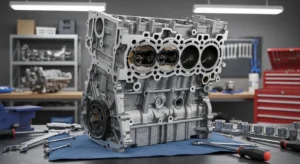
- Head gasket 1,200 to 2,500 dollars, more on some V6/V8 or turbo cars
- Cracked head or block 1,500 to 5,000 dollars, or engine replacement
- Turbocharger 1,000 to 2,500 dollars
Add these good practices to protect your budget:
- Replace coolant with the exact spec. Mixes and tap water can corrode parts.
- Use new head bolts and follow torque specs on gasket jobs.
- Bleed air from the cooling system to avoid hot spots.
Skip temporary stop-leak unless you need a short-term limp home. It can clog heater cores and small passages.
Preventing white smoke in the first place
White smoke from exhaust meaning often ties back to heat, pressure, and old seals. Treat the system well.
- Service coolant every 2 to 5 years Use the right type and a clean mix.
- Change oil on time Fresh oil protects gaskets, seals, and turbo bearings.
- Keep the PCV system clean It prevents pressure buildup and oil pull-over.
- Fix small leaks fast Coolant loss leads to hot spots and warped heads.
- For diesels, maintain glow plugs and check injector health
- Watch temps on long grades If it starts to run hot, back off and cool down.
One habit I swear by: a 30-second idle before shutoff after a hard drive. It helps turbos and coolant stabilize.
Related smoke colors and what they mean
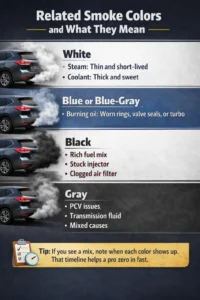
Understanding colors helps when you search for white smoke from exhaust meaning and compare it with other types.
- White Thin and short-lived is steam. Thick and sweet is coolant.
- Blue or blue-gray Burning oil from worn rings, valve seals, or turbo.
- Black Rich fuel mix, stuck injector, clogged air filter, or MAF issues.
- Gray PCV problems, transmission fluid on older setups, or mixed causes.
If you see a mix, note when each color shows up. That timeline helps a pro zero in fast.
Frequently Asked Questions of white smoke from exhaust meaning
What does white smoke from the exhaust mean on startup?
Light steam on cold starts is normal condensation. Thick, sweet-smelling clouds that persist point to coolant entering the cylinders.
Can low coolant cause white smoke?
Yes. If coolant leaks into the combustion chamber, it burns and makes white smoke. You may also see a dropping coolant level.
Is white smoke always a blown head gasket?
No. It can be condensation, an intake gasket leak, an EGR cooler failure, or diesel ignition issues. A block test and pressure test help confirm a gasket failure.
Why does my diesel blow white smoke at idle?
Cold combustion, weak glow plugs, or poor injector spray can cause white haze. If it smells sweet, check the EGR cooler for a coolant leak.
Can I drive with white smoke?
If it is brief steam on a cold day, yes. If it is thick, sweet, and steady, stop driving and diagnose to avoid engine damage.
How do I know if coolant is in my oil?
Check the dipstick and oil cap for milky, tan sludge. Also look for rising oil level, sweet odor, or misfires on startup.
Will a bad turbo cause white smoke?
Yes, on both gas and diesel engines. A failed seal can send oil or coolant into the exhaust or intake, creating white or blue smoke.
Conclusion
White smoke sends a message. Short-lived steam on a cold morning is normal. Thick, sweet, lingering clouds signal a problem you should not ignore. Now you know the white smoke from exhaust meaning, the common causes, how to test at home, and what fixes make sense.
Take five minutes today: check coolant, inspect your oil, and watch the tailpipe on startup. If something feels off, act early and save money. Want more hands-on guides like this? Subscribe, share your symptoms in the comments, or ask a question and I’ll help you troubleshoot.