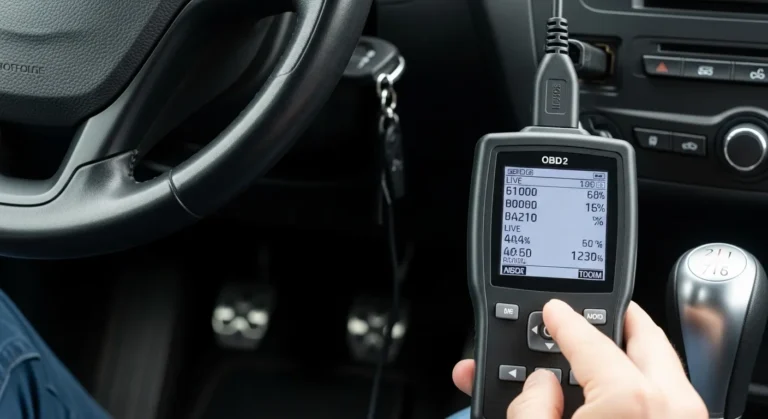
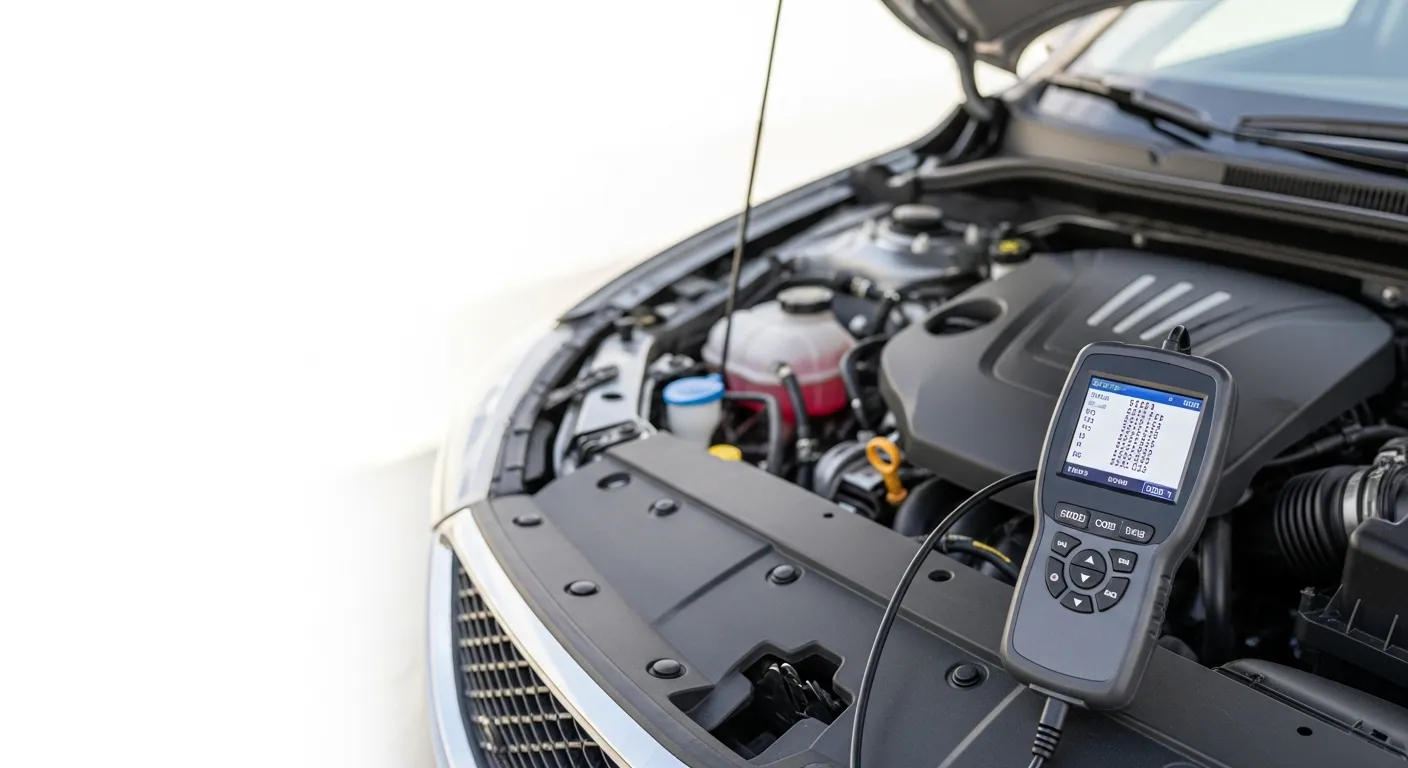
A car code reader is a small device that reads OBD-II trouble codes.
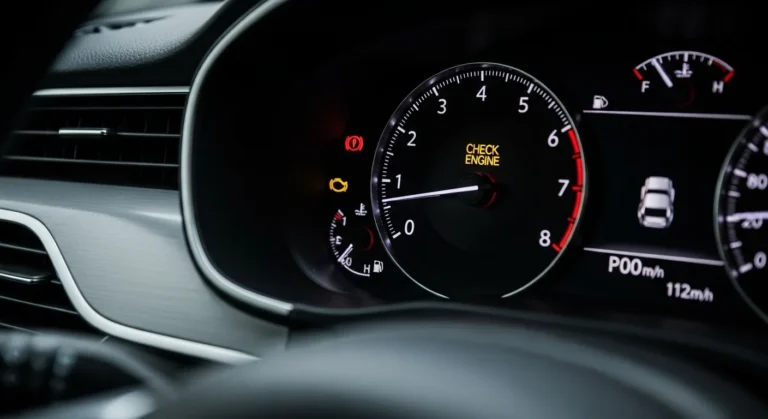
If you’ve ever seen your Check Engine light and felt stuck, this guide is for you. I’ll break down what is a code reader for cars, how it works, what it can and can’t do, and how to use one the right way. I’ve used dozens in my garage and on the road, and I’ll share simple steps, clear examples, and pro tips so you can save time and avoid guesswork.
What is a code reader for cars?
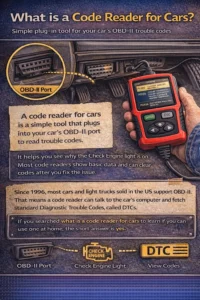
A code reader for cars is a simple tool that plugs into your car’s OBD-II port to read trouble codes. It helps you see why the Check Engine light is on. Most code readers show basic data and can clear codes after you fix the issue.
Since 1996, most cars and light trucks sold in the US support OBD-II. That means a code reader can talk to the car’s computer and fetch standard Diagnostic Trouble Codes, called DTCs. If you searched what is a code reader for cars to learn if you can use one at home, the short answer is yes.
How a code reader works under the hood
The tool connects to the 16-pin OBD-II port, usually under the dash. It sends a simple request to the Engine Control Module. The car replies with stored codes, pending codes, or readiness data.
Modern cars speak CAN (Controller Area Network, ISO 15765). Older models may use ISO 9141 or KWP2000. The reader uses standard “modes,” like:
- Mode 3 for stored codes.
- Mode 7 for pending codes.
- Mode 4 to clear codes.
- Mode 9 for VIN and other info.
When people ask what is a code reader for cars, this data handshake is the core idea. It’s fast, safe, and built into your car by design.

Source: motopowers.com
Code reader vs OBD-II scanner vs professional diagnostic tool
These terms get mixed, but they are not the same:
- Code reader: Reads and clears basic Engine codes. May show freeze frame and I/M readiness. Low cost and easy to use.
- OBD-II scanner: Adds live data (PIDs), graphs, and better code help. Often supports ABS/SRS on some cars.
- Professional diagnostic tool: Dealer-level functions. Bi-directional tests, programming, key coding, service resets, and brand-specific modules.
If you are learning what is a code reader for cars, start with a reader or a mid-tier scanner. You can upgrade as your needs grow.
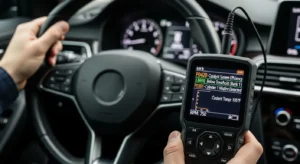
Types, features, and connectivity
There are three main types:
- Handheld readers: Small screen and buttons. No phone needed. Durable and simple.
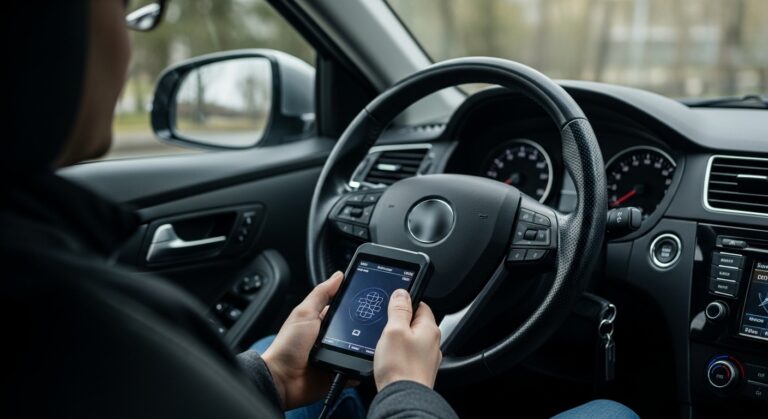
- Bluetooth dongles: Plug into the port, then use a phone app. Great for live data and export.
- Wi‑Fi readers: Similar to Bluetooth but use Wi‑Fi. Handy if Bluetooth is spotty.
Key features to look for:
- Clear basic codes and pending codes.
- Freeze frame data capture at the time of the fault.
- Live data for engine sensors like O2, fuel trim, and coolant temp.
- I/M readiness for emissions tests.
- Mode 6 test results for deeper checks.
- ABS/SRS coverage if offered for your car.
- Updates and wide vehicle coverage.
Understanding these options gives you a full view of what is a code reader for cars in today’s market.
:max_bytes(150000):strip_icc()/GettyImages-1957974508-01b7a20544fe485abd31720cd117362a.jpg)
Source: lifewire.com
Benefits and limitations
Benefits:
- Saves time and money by pointing you to the system at fault.
- Helps pass emissions by checking readiness monitors.
- Builds your skill and confidence with your own car.
Limits:
- A code is a clue, not a full diagnosis.
- Some readers can’t access ABS, airbag, or transmission modules.
- Clearing codes without a fix can mask a real issue.
Keep these in mind as you explore what is a code reader for cars and choose the right model for your needs.
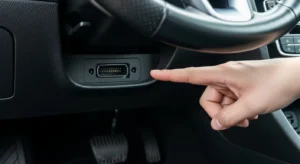
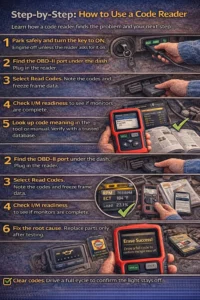
Step-by-step: How to use a code reader
- Park safely and turn the key to ON. Engine off unless the reader asks for it on.
- Find the OBD-II port under the dash. Plug in the reader.
- Select Read Codes. Note the codes and freeze frame data.
- Check I/M readiness to see if monitors are complete.
- Look up code meaning in the tool or manual. Verify with a trusted database.
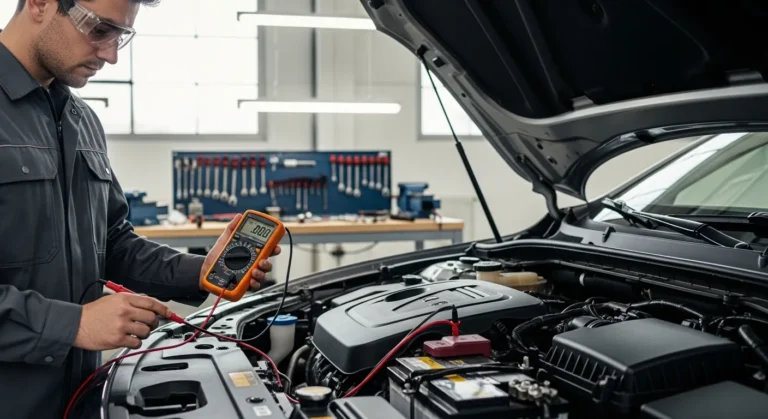
- Fix the root cause. Replace parts only after testing.
- Clear codes. Drive a full cycle to confirm the light stays off.
If your main query is what is a code reader for cars, this workflow is the real value: fast insight and a clear next step.
Understanding codes, live data, and real examples
Code types:
- P-codes: Powertrain, like P0300 (random misfire).
- B-codes: Body systems.
- C-codes: Chassis and brakes.
- U-codes: Network issues.
Useful data:
- Freeze frame: A snapshot when the fault set. Note RPM, speed, load, and temp.
- Live data: Sensor values in real time. Watch O2 sensors, short/long-term fuel trim, and MAF.
- Mode 6: Test results from on-board monitors. Good for misfire counts or catalyst checks.
Common real-world codes:
- P0300: Random misfire. I once traced this to a cracked coil boot on cylinder 3. Live misfire data and a coil swap test confirmed it.
- P0131: O2 sensor low voltage. Fixed a small exhaust leak upstream of the sensor, not the sensor itself.
- P0442: Small EVAP leak. The gas cap seal was worn. A new cap and a drive cycle cleared it.
When people ask what is a code reader for cars, I say it is your map. It points to the area. You still need to follow the roads with tests and data.
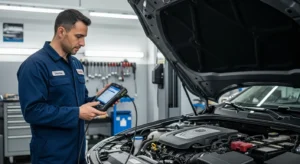
Buying guide: picking the right tool for you
Start with your goal:
- Light DIY: A basic reader with I/M readiness and freeze frame.
- Weekend wrench: A mid-tier scanner with live data, graphing, and ABS/SRS for common brands.
- Advanced DIY or pro: A bi-directional tool with wide coverage and active tests.
Must-have features:
- Fast boot and clear menus.
- VIN auto-detect (Mode 9).
- Update support and clear model-year coverage.
- Good code library with plain-English tips.
From my bench time, I favor tools that graph fuel trims and O2 sensors well. That alone speeds up many jobs. If your budget is tight, a solid Bluetooth reader plus a trusted app can deliver strong value. As you compare what is a code reader for cars across brands, check return policies and firmware updates.
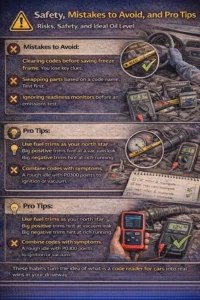
Safety, mistakes to avoid, and pro tips
Mistakes to avoid:
- Clearing codes before saving freeze frame. You lose key clues.
- Swapping parts based on a code name. Test first.
- Ignoring readiness monitors before an emissions test.
Pro tips:
- Use fuel trims as your north star. Big positive trims hint at a vacuum leak. Big negative trims hint at rich running.
- Combine codes with symptoms. A rough idle with P0300 points to ignition or vacuum.
- Do a battery and charging check if you see many odd U-codes. Low voltage causes ghost faults.
These habits turn the idea of what is a code reader for cars into real wins in your driveway.
Real-world stories from the garage
Story 1: A friend’s sedan had a steady Check Engine light. The tool showed P0442. I checked the gas cap and found a cracked seal. New cap, two drive cycles, monitors complete, light out.
Story 2: A pickup had P0171 lean code. Live data showed high positive trims at idle, better at cruise. A smoke test found a split PCV hose. A $12 hose beat a $200 sensor guess.
Each case shows what is a code reader for cars in practice: fast clues, smart tests, and a simple fix.
Frequently Asked Questions of what is a code reader for cars
Do code readers work on all cars?
Most work on OBD-II cars and light trucks from 1996 and newer in the US. For older or specialty vehicles, check coverage before you buy.
Can a code reader clear the Check Engine light?
Yes, most can clear codes. But the light may come back if the root cause is not fixed.
Will a code reader damage my car?
No, it uses a standard, low-risk data link. It only reads and, if you choose, clears codes.
What is the difference between reading and diagnosing?
Reading tells you the fault area. Diagnosing proves the cause with tests, data, and checks.
Can I use a code reader while driving?
Yes, many show live data while you drive. Secure the device and do not let it distract you.
Do I need internet to use a code reader?
The reader works offline. Internet helps with updates and deeper code info.
Conclusion
A code reader is your first step from worry to clarity. It reads fault codes, shows key data, and points you to smart next moves. When you understand what is a code reader for cars, you can plan repairs, pass emissions, and skip guesswork.
Grab a reliable model, learn the basic steps, and start with simple tests. If you want more guides like this, subscribe, ask a question in the comments, or share your own code stories.