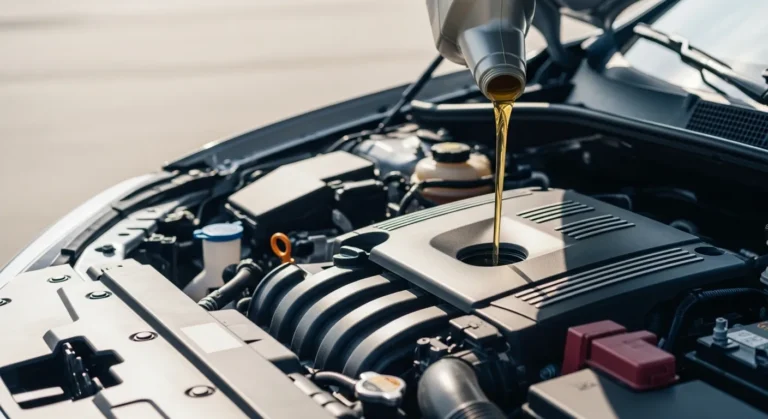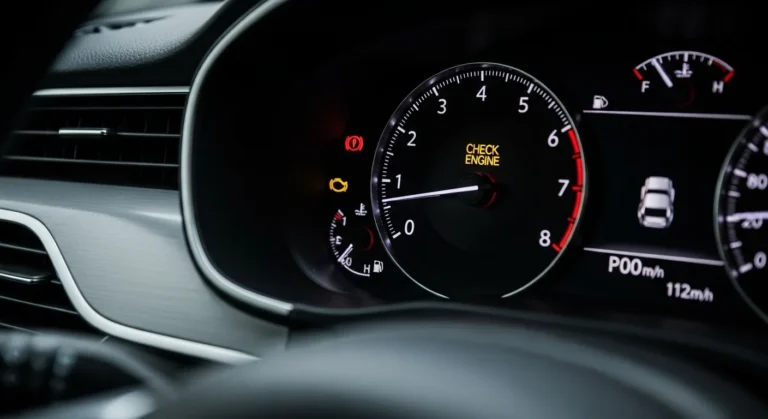
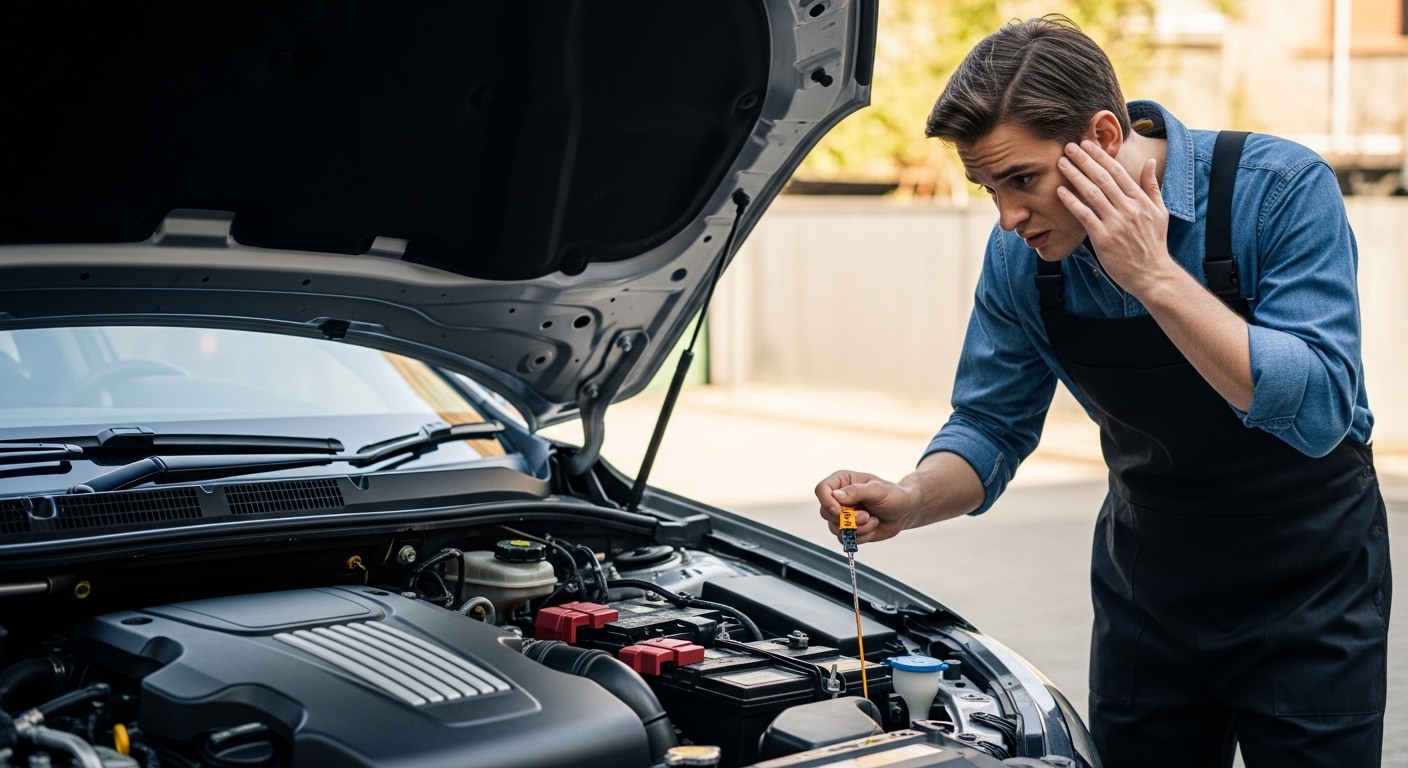
Too much engine oil foams, raises pressure, leaks, and can damage seals and catalysts.
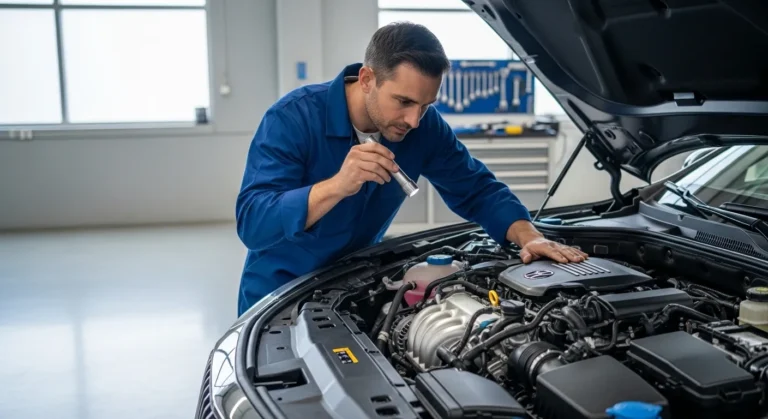
If you’ve wondered what happens if you overfill engine oil, you’re in the right place. I’ve serviced hundreds of vehicles and seen this mistake many times. In this guide, I explain the science, the symptoms, the risks, and the exact steps to fix it fast. You will learn how to check levels the right way and how to prevent problems next time. Read on with confidence.
Source: reddit.com
What happens if you overfill engine oil?
When you add too much oil, the crankshaft dips into the oil bath and whips it like a mixer. That creates foam. Foamy oil does not lubricate well. The oil pump can also pull in air and cavitate, which hurts pressure.
As pressure rises in the crankcase, seals and gaskets get stressed. Excess oil can push through the PCV system, reach the intake, and burn. You may see blue smoke, smell oil, or get a misfire. Over time, oxygen sensors and the catalytic converter can foul.
Here is the typical chain reaction when you overfill engine oil:
- Aeration happens as the crankshaft hits the oil surface.
- Oil pressure readings may swing because of air bubbles.
- Foamy oil loses film strength, so bearings and cam lobes run dry.
- Crankcase pressure climbs, and weak seals can start to leak.
- Oil reaches the intake via the PCV, causing smoke and rough idle.
If you are asking what happens if you overfill engine oil by a little, the answer is often “not much right away.” But the safe move is to correct the level soon.
Why it matters: mechanisms and damage
Oil does more than reduce friction. It also cools, cleans, and seals. When it foams, the film between metal parts breaks. That speeds up wear. In lab tests and OEM guidance, aerated oil can drop pressure and temperature control.
Engines are sealed to work at a set crankcase pressure. Extra oil overwhelms the PCV system. That can push oil vapor into the intake and foul plugs. On turbo engines, the turbo drain can back up, leading to smoke and coking in the turbo.
Diesel engines can suffer too. If oil gets high enough, it may fuel runaway in rare cases. DPF and EGR parts can get loaded with ash faster when oil burns. This is why what happens if you overfill engine oil is not only a leak risk. It touches your whole emissions system.
Symptoms you’ll notice
If you think you added too much, watch for these signs:
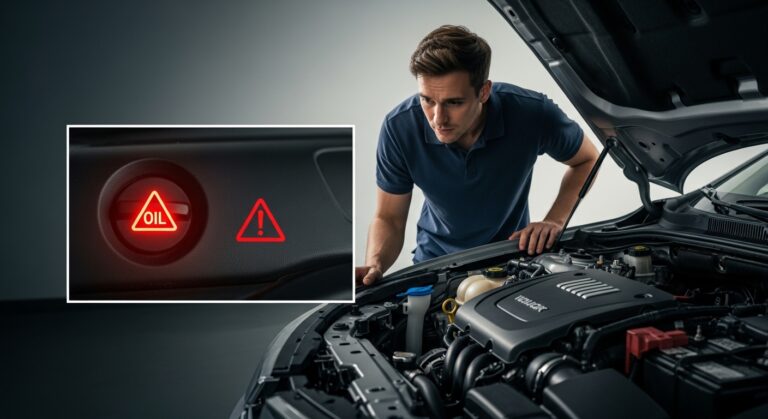
- Dipstick reads above the full mark after the engine has rested.
- Blue or gray smoke from the exhaust, most on startup or after idling.
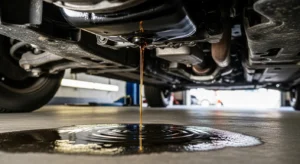
- Oil smell, fresh wet leaks, or a new drip on your driveway.
- Rough idle, misfire, or a check engine light tied to O2 or misfire codes.
- Whining or odd noises as foamy oil fails to protect moving parts.
- Rising oil level after short trips due to fuel dilution plus overfill.
What happens if you overfill engine oil can vary by engine, but these symptoms are common flags.

Source: shieldoils.com
How much is too much?
Most engines can tolerate a small overfill for a short time. Think a few millimeters above the max line on the dipstick. But more than about 5 to 10 percent over the stated capacity raises risk.
Rules of thumb I use in the shop:
- A little over the full mark, like 1 to 3 mm, is usually okay for a short drive.
- About 0.25 to 0.5 quart over on a 5-quart system can start the foaming problem.
- Any level far above the max line should be corrected before more driving.
What happens if you overfill engine oil by a quart can be serious. The crank can live in the oil and whip it full-time. That invites leaks, smoke, and sensor issues.
Quick PAA-style answers
- Can I drive with oil slightly overfilled? Yes, for a short trip, but correct it soon. Keep RPMs low and watch for smoke.
- Will overfilling always cause damage? Not always, but the risk rises with the amount and time. Fix the level to avoid wear.
- How close to the max line is ideal? Right at the upper mark, never past it. Aim for the middle if you are unsure.
What to do right now if you overfilled
Stop, check, and bring the level back to spec. Use this simple plan:
- Park on level ground and let the engine cool 5 to 10 minutes.
- Pull the dipstick, wipe, reinsert, and read again.
- If it’s over max, remove oil until the level sits between min and max.
Ways to remove excess oil:
- Use a fluid extractor through the dipstick tube. This is clean and easy.
- Crack the drain plug and let out small amounts. Wear gloves. Work on a cool engine.
- In a pinch, a turkey baster-style suction tool works on some cars.
Final checks:
- Recheck the dipstick after each small removal. Go slow.
- Start the engine for 30 seconds, shut off, wait 2 minutes, and recheck.
- Dispose of used oil at a recycling center. Never pour it down a drain.
What happens if you overfill engine oil and ignore it? You risk leaks, smoke, and costly sensor or catalyst damage. Ten minutes of correction now can save a big bill later.
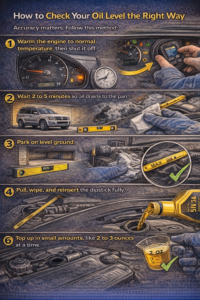
How to check your oil level the right way
Accuracy matters. Follow this method:
- Warm the engine to normal temperature, then shut it off.
- Wait 2 to 5 minutes so oil drains to the pan.
- Park on level ground.
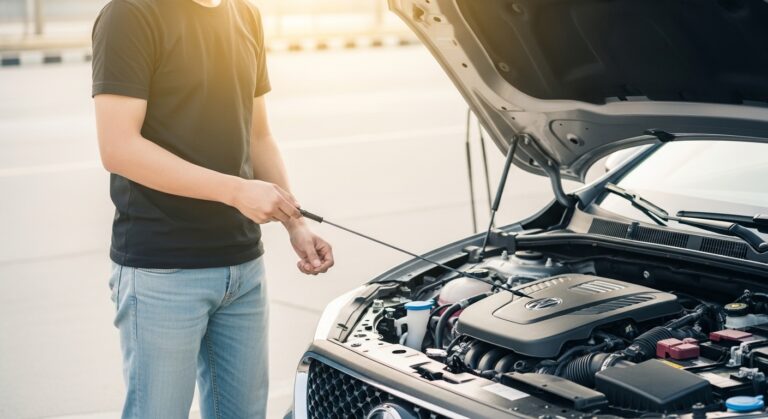
- Pull, wipe, and reinsert the dipstick fully.
- Pull it again and read the film against the marks.
- Top up in small amounts, like 2 to 3 ounces at a time.
Tip from the bay: the width between min and max on most dipsticks is about one quart. Small, slow adds beat one big pour.
Prevention tips for next time
Plan your fill before you open the bottle. Here is how:
- Look up your exact oil capacity with and without filter.
- Pour one bottle less than the full capacity, then measure and top up.
- Pre-measure the final 0.25 to 0.5 quart with a clear cup.
- Replace the PCV valve on schedule. A weak PCV can hide level errors.
- Keep a log of miles, oil brand, and how much you added.
Also, check oil after the first drive post-change. Some filters fill and drop the level a bit. This habit keeps what happens if you overfill engine oil from becoming your story.
Real-world lessons from the shop
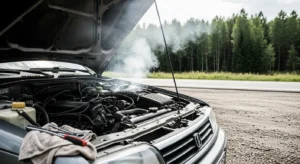
A customer once came in with a small SUV, two quarts over. The engine had blue smoke, a rough idle, and fresh leaks at the valve cover. We drained to spec, replaced the PCV, cleaned the plugs, and the smoke cleared in a day.
I also saw a turbo sedan that was only half a quart over. It had smoke after idling at a drive-thru. The turbo drain sits high on that model, so even a mild overfill backed up oil into the turbine housing. This is a good example of what happens if you overfill engine oil on engines with sensitive layouts. Small errors can show big symptoms.
What happens if you overfill engine oil can depend on capacity, sump design, and PCV routing. When in doubt, stick to the dipstick and the owner’s manual.
Frequently Asked Questions of what happens if you overfill engine oil
Is a small overfill safe if I drive gently?
A slight overfill is often fine for a short time. Keep RPMs low and fix the level soon.
Can overfilled oil cause a check engine light?
Yes. Oil entering the intake can foul plugs and O2 sensors, leading to misfire and sensor codes. Correct the level and clear codes after repairs.
Will a quart too much oil damage the engine?
It can. A full quart over can cause foaming, leaks, and catalyst fouling if driven that way. Remove the extra oil before more driving.
How do I remove excess oil without tools?
You can carefully loosen the drain plug and bleed small amounts. A low-cost fluid extractor makes the job cleaner and safer.
What if the oil level keeps rising after I fix it?
Fuel dilution or coolant contamination may be raising the level. Stop driving and have a pro check for injector leaks or a coolant breach.
Can overfilling harm the catalytic converter?
Yes. Burning oil coats the catalyst, reducing its ability to clean exhaust. Prolonged exposure can require a costly replacement.
Does synthetic oil react differently when overfilled?
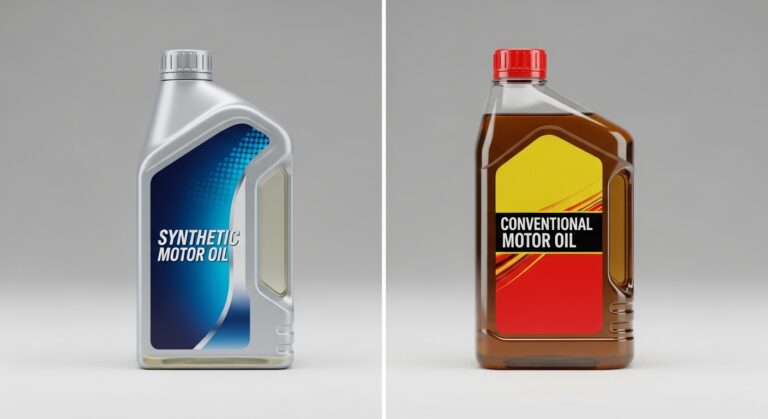
No. Synthetic and conventional both foam when aerated. The fix and risks are the same.
Conclusion
Too much oil sounds harmless, but the costs add up fast. Now you know what happens if you overfill engine oil, why it hurts parts, and how to fix and prevent it. Keep your level on the dipstick mark, make small top-ups, and double-check after every change.
Use this guide on your next service. If you learned something, share it with a friend, subscribe for more practical car care tips, or drop your questions in the comments.