
Park on level ground, shut off engine, wait, pull dipstick, wipe, reinsert, read.
Knowing how to check engine oil level is the simplest way to protect your engine and your wallet. I’ve trained new drivers and managed a small fleet, and I’ve seen engines saved by a 60‑second dipstick check. Stick with me and I’ll show you how to check engine oil level the right way, what the marks mean, and when to act, with clear steps and real examples.
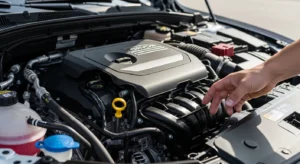
Why checking engine oil level matters
Engine oil does three big jobs. It lubricates moving parts, carries away heat, and traps dirt. If the level is low or the oil is dirty, parts wear fast and heat builds up.
One small habit can prevent a huge repair bill. Learning how to check engine oil level gives you control and early warning. It also helps you spot leaks or oil use before they snowball.
Modern cars are reliable but not perfect. Sensors fail, seals age, and driving in heat or traffic can burn more oil. A quick check keeps you ahead of trouble.
Source: unitedbmw.com
Tools and prep checklist
You need very little to get this done. A paper towel and light are enough most days.
Use this short list:
- A clean paper towel or rag keeps readings clear and hands clean.
- A small funnel helps add oil with no mess.
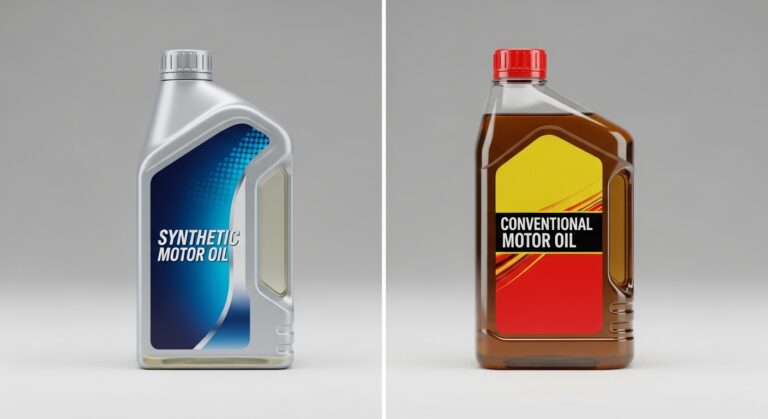
- The right oil grade for your car avoids damage. Check your owner’s manual or oil cap.
- A flashlight makes low light checks easy.
Prep matters for accurate results. Park on level ground. Turn off the engine and wait 3 to 5 minutes so oil drains into the pan. This is key to how to check engine oil level the correct way.
Source: zutobi.com
Step-by-step: how to check engine oil level with a dipstick
This is the most common method. It works on most gas and diesel engines.
Follow these steps:
- Park on a flat surface and turn off the engine. Wait 3 to 5 minutes.
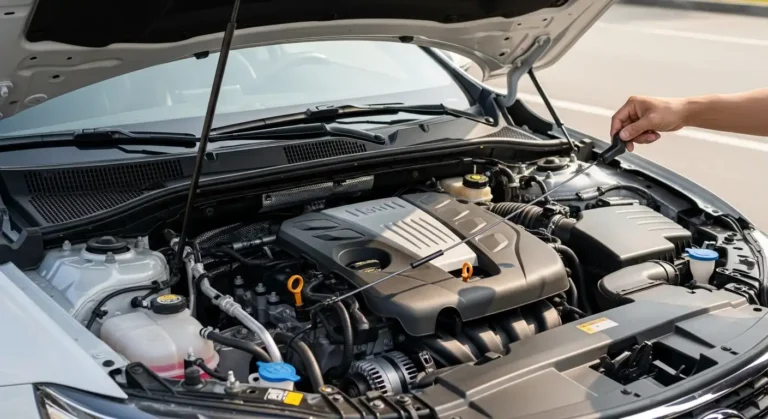
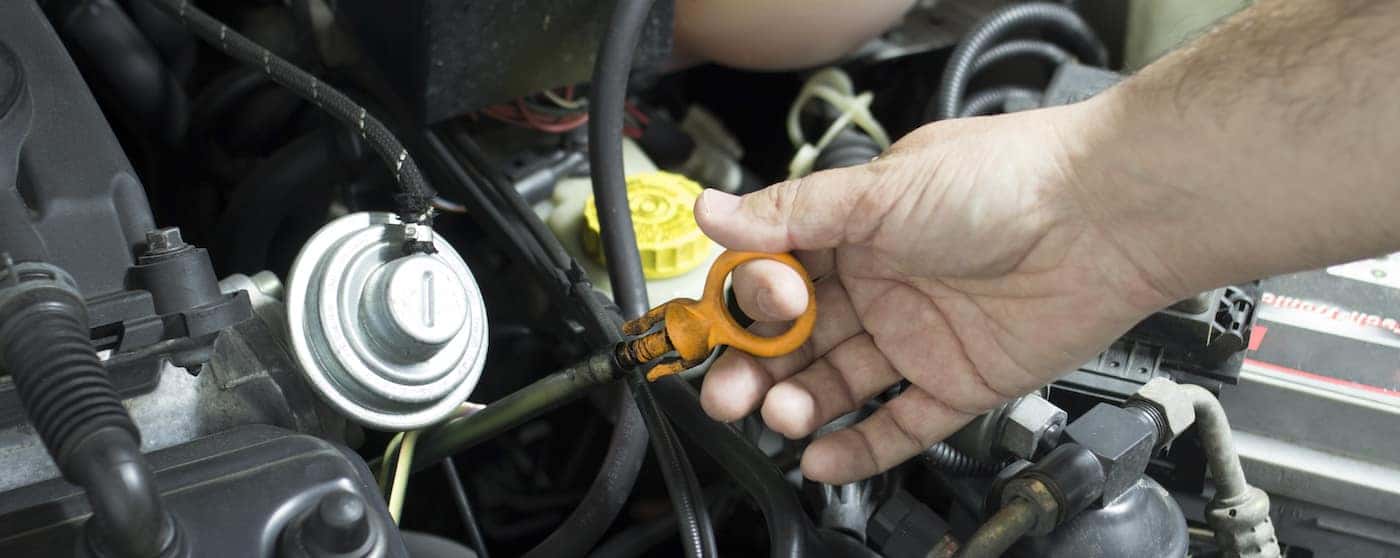
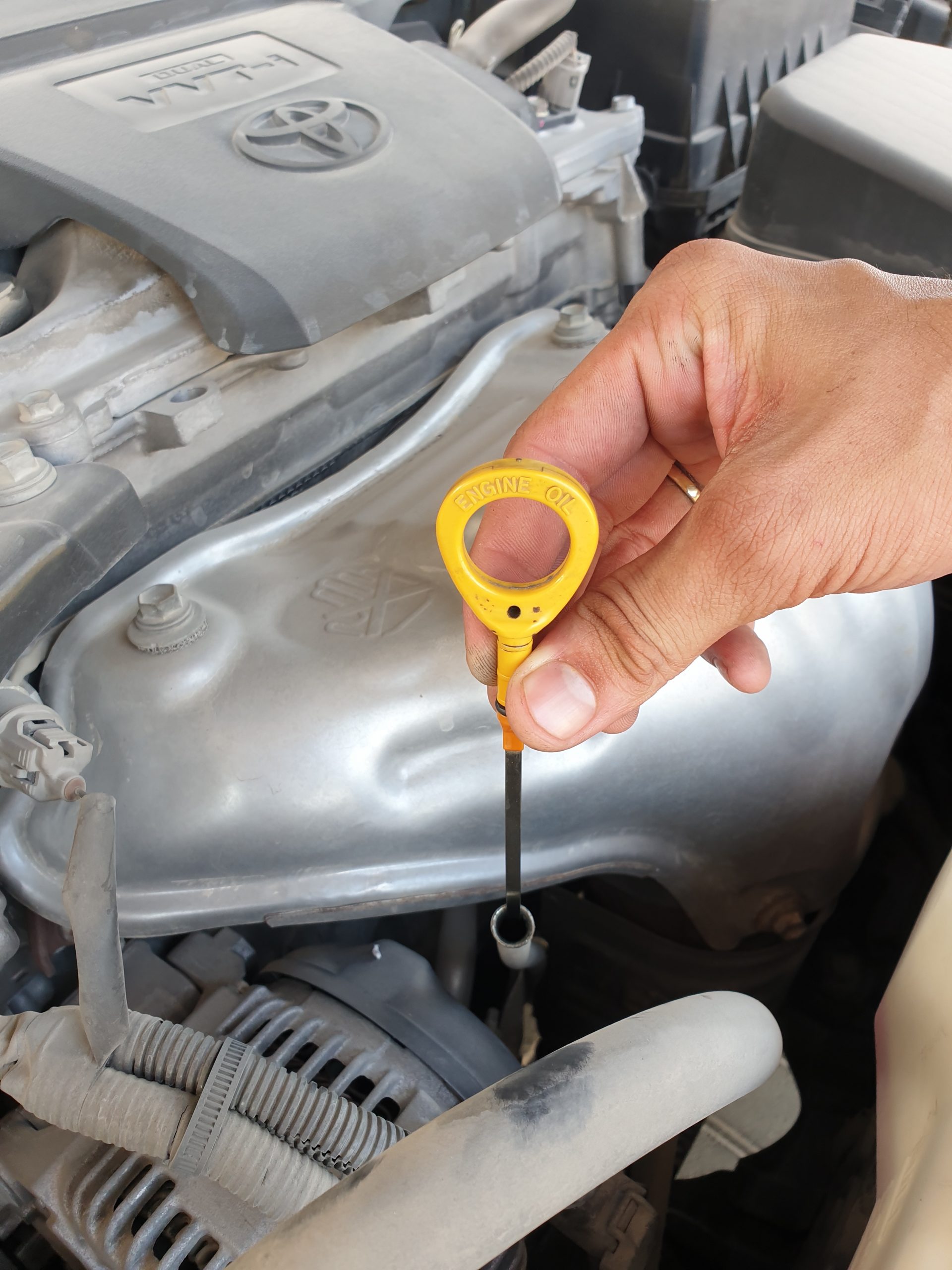
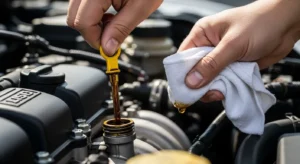
- Pop the hood and find the dipstick. It often has a yellow or orange loop.
- Pull the dipstick out and wipe it clean with a paper towel.
- Reinsert the dipstick fully. Push it all the way in.
- Pull it out again and hold it level. Read the oil mark against the indicators.
- Compare the level to the low and full marks. Note color and smell too.
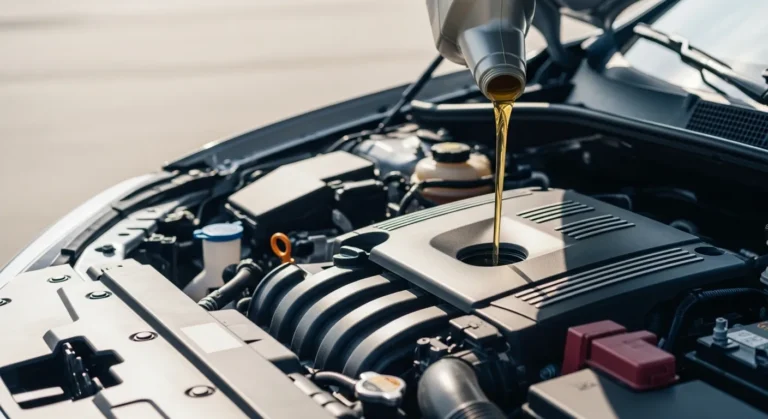
- If low, add a small amount of the correct oil. Recheck until it reaches full.
Two small tips make a big difference. Add oil in small steps to avoid overfill. Keep the cap and area clean so no dirt falls in. This process is the gold standard for how to check engine oil level at home.
Source: olezol.com
How to read dipstick marks and what they mean
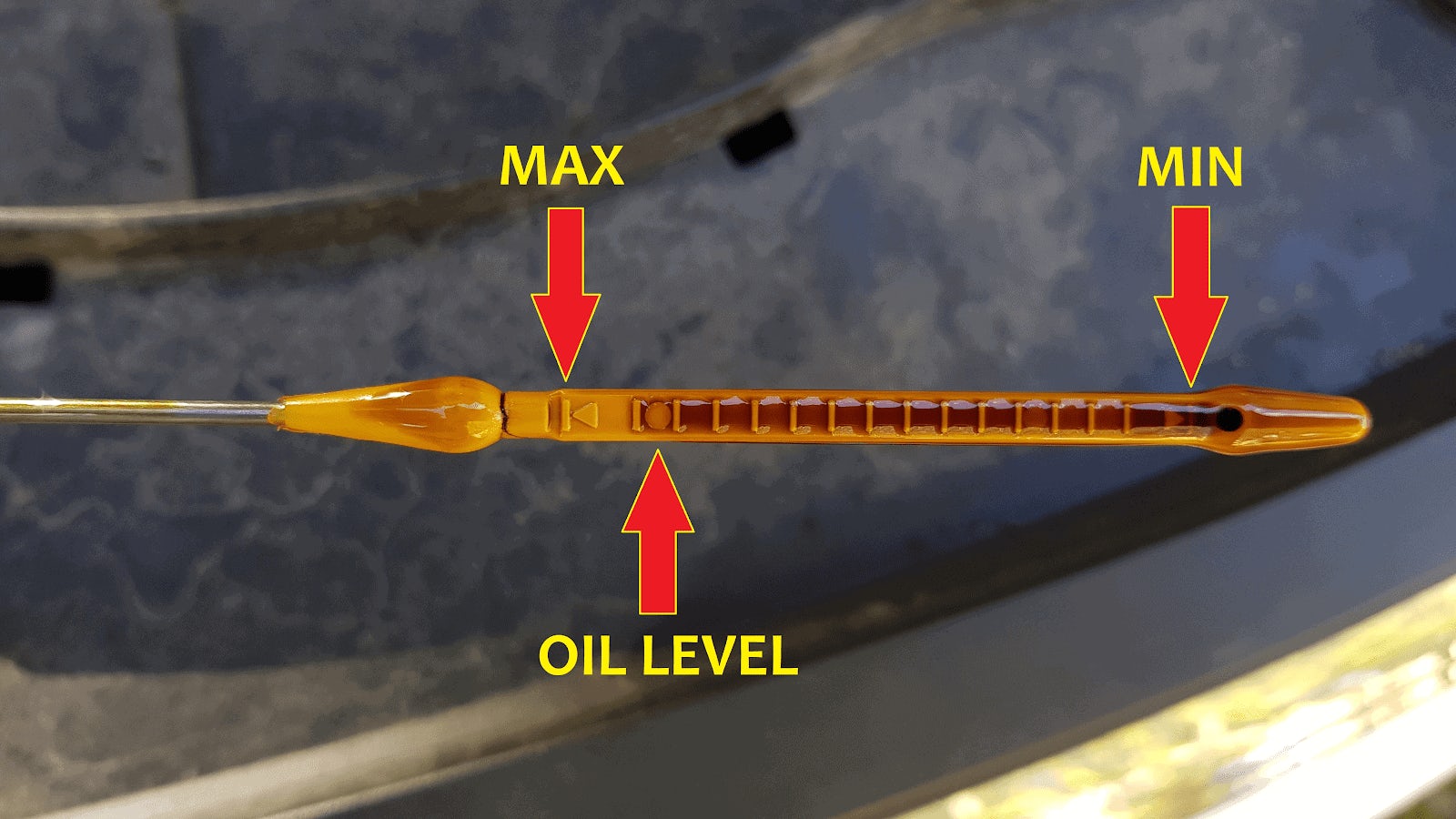
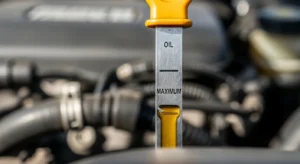
Dipsticks use lines, dots, or crosshatch zones. The bottom mark means low. The top mark means full. The space between them is usually about one quart, but check your manual.
Here is how to read what you see:
- Oil below the low mark means add oil now. Add half a quart, then recheck.
- Oil in the safe zone is fine. Aim for near the top mark for hot weather or long trips.
- Oil above the full mark can foam and harm seals. Drain some if overfilled.
Color tells a story too. Fresh oil is amber or honey. Dark oil can be normal but should not smell burnt. Milky oil can mean coolant mixing with oil. That needs fast attention.
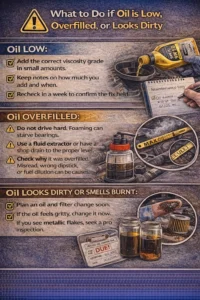
What to do if oil is low, overfilled, or looks dirty
Oil low:
- Add the correct viscosity grade in small amounts.
- Keep notes on how much you add and when.
- Recheck in a week to confirm the fix held.
Oil overfilled:
- Do not drive hard. Foaming can starve bearings.
- Use a fluid extractor or have a shop drain to the proper level.
- Check why it was overfilled. Misread, wrong dipstick, or fuel dilution can be causes.
Oil looks dirty or smells burnt:
- Plan an oil and filter change soon.
- If the oil feels gritty, change it now.
- If you see metallic flakes, seek a pro inspection.
I once caught a low reading on a road trip truck. Adding half a quart and slowing down kept the engine cool and quiet. That simple step is the heart of how to check engine oil level and act on it.
Special cases: cars without dipsticks, turbos, hybrids, and motorcycles
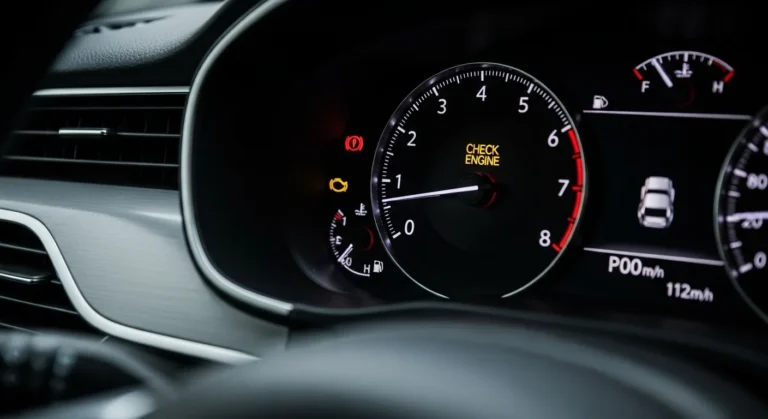
Some newer cars have no dipstick. They use an electronic oil level monitor. You check it from the dash or infotainment while parked on level ground. Follow the on-screen steps and wait for the reading. This is still part of how to check engine oil level, just with screens instead of a stick.
Turbocharged engines drain oil back to the pan a bit slower. Wait the full 5 minutes after shutoff before reading. Avoid revving right before you check.
Hybrids may cycle the engine on and off. Make sure the car is fully off and safe. Consult the owner’s manual for the right sequence.
Motorcycles can have a sight glass or a dipstick. Keep the bike upright and level. Use the service manual method for a correct reading.

Source: gulfoilltd.com
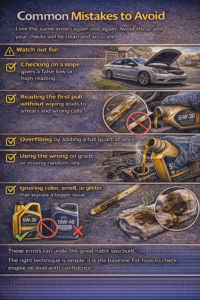
Common mistakes to avoid
I see the same errors again and again. Avoid these and your checks will be clean and accurate.
Watch out for:
- Checking on a slope gives a false low or high reading.
- Reading the first pull without wiping leads to smears and wrong calls.
- Overfilling by adding a full quart at once.
- Using the wrong oil grade or mixing random oils.
- Ignoring color, smell, or glitter that signals a bigger issue.
These errors can undo the good habit you built. The right technique is simple. It is the baseline for how to check engine oil level with confidence.
How often to check and how to track results
A good rule: check monthly or every 1,000 miles. Check before long trips, towing, or hot weather drives. Older cars or turbo cars may need more frequent checks.
Keep simple records. Note date, miles, level, and adds. A note on your phone works great. Patterns reveal slow leaks or oil use. This habit turns how to check engine oil level into a long-term engine health plan.
Match oil change intervals to your driving. Short trips, heat, dust, or towing call for the severe schedule in your manual. That keeps oil fresh and protective.
Troubleshooting leaks and oil consumption
If you add oil often, look for the cause. Check the ground after parking. Inspect the oil filter area and drain plug. Look around valve covers and the front and rear of the engine.
Blue smoke on startup or after idling can mean oil burning. A sweet white cloud can point to coolant. High oil use without leaks could be stuck rings or PCV issues. At that point, get a pro test like a compression or leak-down check.
Stay calm and gather facts. Use a UV dye or a clean engine bay to trace leaks. A clear plan is part of how to check engine oil level and fix the root cause, not just top it off.
Frequently Asked Questions of how to check engine oil level
How long should I wait after shutting off the engine before checking?
Wait 3 to 5 minutes so oil drains into the pan. This gives a stable and accurate reading.
Can I check oil when the engine is cold?
Yes, but be consistent. A cold reading can sit a bit lower; use the same method each time.
What oil should I add if I am low?
Match the viscosity and spec in your owner’s manual or on the oil cap. Mixing brands is okay in a pinch if the grade and spec match.
What if my car has no dipstick?
Use the electronic oil level display in the dashboard or infotainment. Park level, follow prompts, and wait for the final reading.
Is it bad to overfill the engine oil?
Yes. Too much oil can foam, raise pressure, and harm seals. Remove the extra oil to bring it to the full mark.
How to check engine oil level during a road trip?
Check at a fuel stop on level ground after a short wait. Keep a rag, a funnel, and one spare quart in the trunk.
How to check engine oil level if the dipstick is hard to read?
Read in bright light and hold the stick sideways. Flip it over to confirm the line, or place the tip on a paper towel to see the edge.
Conclusion
A fast, clean dipstick check protects your engine and your budget. Park level, wait a few minutes, wipe, reinsert, and read. When you build the habit, how to check engine oil level becomes second nature and pays off for years.
Take five minutes this week to check your car. Note the level, color, and smell. If you found this useful, share it with a friend, subscribe for more hands-on car care guides, or leave a comment with your next topic request.