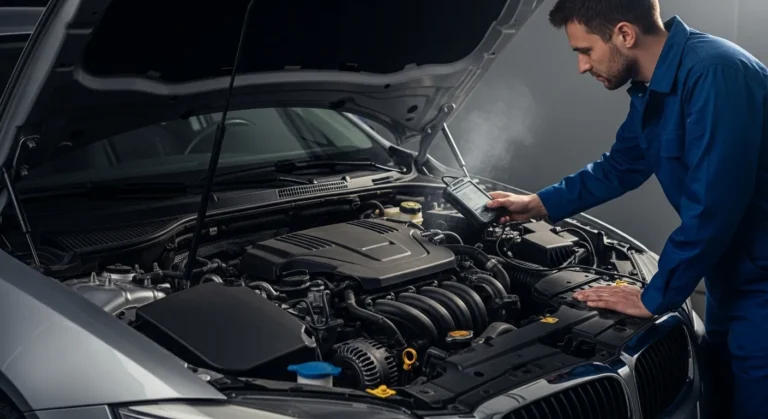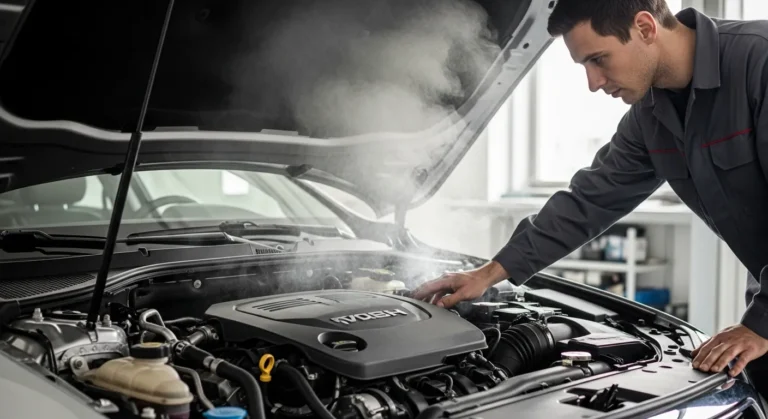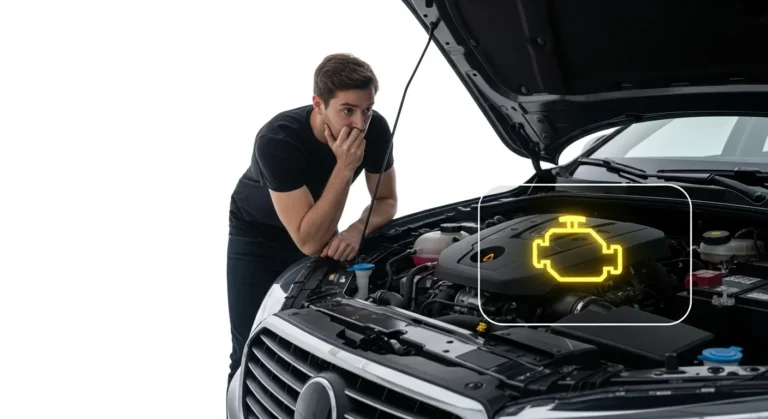
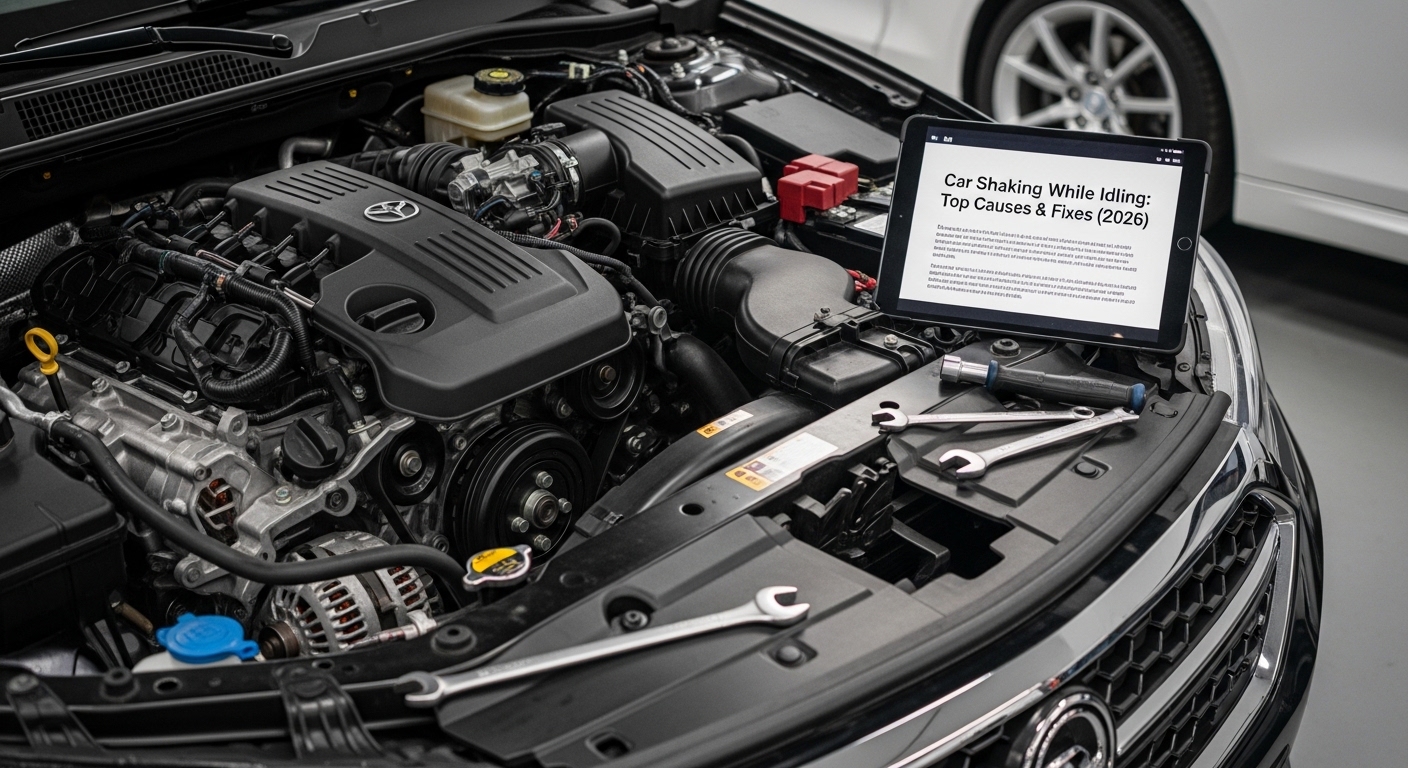
Car shaking while idling often means a misfire, vacuum leak, or weak engine mount.
If your steering wheel chatters at stoplights, you are not alone. Car shaking while idling is one of the most common issues I see in the bay. In this guide, I break down what it means, how to find the cause, and how to fix it fast. You will learn clear steps, real costs, and smart tips to keep car shaking while idling from coming back.
What “car shaking while idling” really means
Idle is when the engine runs with no throttle. It should be smooth and quiet. If the car shakes, one or more cylinders are not happy, or the engine cannot sit still on its mounts.
At idle, the engine has little power reserve. Small faults feel big. That is why a tiny air leak or a weak spark shows up first at a stop. When you press the gas, the shake may fade, but the root cause stays.
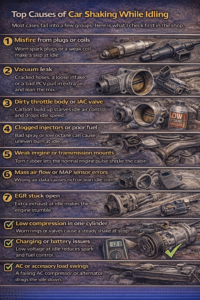
Top causes of car shaking while idling
Most cases fall into a few groups. Here is what I check first in the shop.
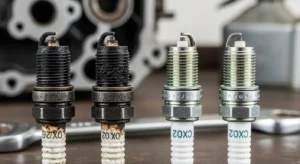
- Misfire from plugs or coils: Worn spark plugs or a weak coil make a skip at idle.
- Vacuum leak: Cracked hoses, a loose intake, or a bad PCV pull in extra air and lean the mix.
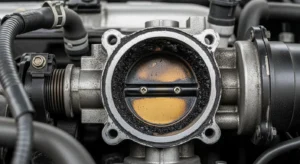
- Dirty throttle body or IAC valve: Carbon build up starves idle air control and drops idle speed.
- Clogged injectors or poor fuel: Bad spray or low octane can cause uneven burn at idle.
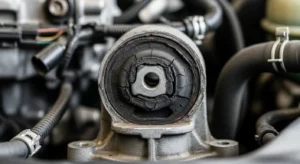
- Weak engine or transmission mounts: Torn rubber lets the normal engine pulse shake the cabin.
- Mass air flow or MAP sensor errors: Wrong air data causes rich or lean idle trim.
- EGR stuck open: Extra exhaust at idle makes the engine stumble.
- Low compression in one cylinder: Worn rings or valves cause a steady shake at stop.
- Charging or battery issues: Low voltage at idle reduces spark and fuel control.
- AC or accessory load swings: A failing AC compressor or alternator drags the idle down.
From experience, plugs and vacuum leaks lead the list. Mounts are a close third, especially on older cars. Direct-injection engines also suffer intake valve carbon, which shows as rough idle.
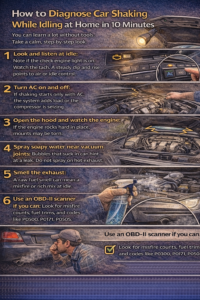
How to diagnose car shaking while idling at home in 10 minutes
You can learn a lot without tools. Take a calm, step by step look.
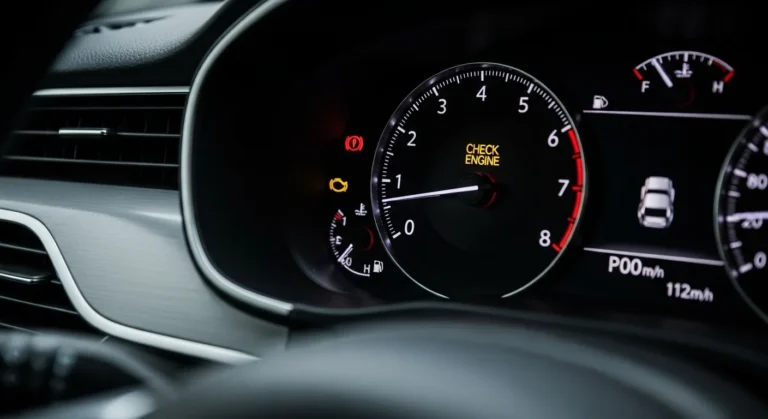
- Look and listen at idle: Note if the check engine light is on. Watch the tach. A steady dip and rise points to air or idle control.
- Turn AC on and off: If shaking starts only with AC, the system adds load or the compressor is seizing.
- Open the hood and watch the engine: If the engine rocks hard in place, mounts may be torn.
- Spray soapy water near vacuum joints: Bubbles that suck in can hint at a leak. Do not spray on hot exhaust.
- Smell the exhaust: A raw fuel smell can mean a misfire or rich mix at idle.
- Use an OBD-II scanner if you can: Look for misfire counts, fuel trims, and codes like P0300, P0171, P0505.
What normal data looks like at warm idle:
- Short-term fuel trim near -5% to +5%.
- Idle speed steady near 650–800 rpm (varies by car).
- Misfire counts at zero on all cylinders.
If you see +15% or more trim, think vacuum leak. If one cylinder shows misfires, check that plug, coil, and injector first.
Fixes for car shaking while idling and typical cost ranges
Parts and labor vary by model and region. These are common fixes I quote in the shop.
- Replace spark plugs: $100–$300. Coils add $150–$500 more.
- Clean throttle body and idle air control: $90–$200. Often paired with an induction service.
- Smoke test and fix vacuum leaks: $150–$450 for hoses or gaskets.
- Fuel injector clean or replace: Clean $120–$200. Replace $200–$600 per injector.
- PCV valve or hose: $50–$250.
- Engine or transmission mounts: $200–$900, based on mount type and access.
- MAF sensor clean or replace: Clean $20. Replace $150–$400.
- EGR repair: Clean $120–$250. Replace $200–$550.
- Charging system repair: Battery $150–$300. Alternator $350–$900.
- Intake valve carbon clean (GDI): Walnut blast $300–$800.
I urge a test first. Guessing gets pricey fast. Simple checks save time and cash, and data leads to the right fix.

Source: paulsautorepair.com
Special cases and what they mean
Some shakes show only in set scenes. Here is how I frame it.
- Only when AC is on: Idle control cannot keep up, or the AC compressor is failing.
- Only on cold start: Normal brief roughness is fine. Long rough runs point to fuel, sensors, or valve carbon.
- After refuel: Bad gas or water in fuel. Try a top-tier fill and a dryer if safe for your car.
- At stop in Drive but not in Neutral: Mounts or torque converter issues. Try a mount check first.
- With a flashing check engine light: Active misfire. Stop and tow to avoid catalyst harm.
On hybrids, the engine starts and stops. Small shakes can be normal. What is not normal is a loud thump or a long rough run on each start. On diesels, look at glow plugs, fuel filters, and air leaks on the intake.
Prevention: keep idle smooth for the long haul
Idle health is a habit. A few simple steps help a lot.
- Follow spark plug intervals: Use the correct plug type and gap.
- Use top-tier fuel: It keeps injectors and valves cleaner.
- Clean the throttle body every 30,000–45,000 miles: Carbon does not wait.
- Inspect vacuum and PCV lines yearly: Rubber ages and cracks.
- Replace the engine air filter on time: The engine breathes better at idle.
- Keep the battery and charging system strong: Low volts mean rough control.
- Do a long, hot drive now and then: It burns off deposits.
These steps echo what factory guides suggest. They work because they remove the roots of rough idle.
Quick answers to common scenarios
Car shakes at idle but smooth when driving
The engine can mask a small fault with more rpm. Think vacuum leaks, plugs, or idle air control first. Check fuel trims and misfire counts.
Car shaking while idling with no check engine light
Some faults do not set a code right away. Look at mounts and carbon buildup. A scanner with live data still helps.
Brand-new mounts but still shakes
New mounts cannot hide a misfire. Re-check ignition, fuel, and vacuum. Verify idle speed and trims.
When it is safe to drive vs when to stop
If the shake is light, no warning lights show, and it smooths above idle, you can drive short trips to a shop. Keep loads low and watch gauges. Avoid long idles.
If the check engine light flashes, stop. A live misfire can melt the catalytic converter fast. If the engine bucks hard, makes sharp knocks, or stalls, tow it.

Source: wikihow.com
Real-world stories and lessons from the bay
A small sedan came in with car shaking while idling at every red light. No codes. Fuel trims were +18% at idle and near 0% at 2,000 rpm. A smoke test found a tiny split in a PCV hose. A $25 hose fixed a month of stress.
A crossover had new plugs and coils, yet the cabin shook in Drive. In Neutral, it felt fine. The front mount had torn and sagged. We replaced it, and the wheel shake was gone. Lesson: do not skip the mount check.
A direct-injection hatchback stumbled only on cold starts. Walnut blasting the intake valves fixed the rough idle. Short trips and cheap fuel had stacked up carbon. The owner now uses top-tier gas and takes a weekly highway loop.
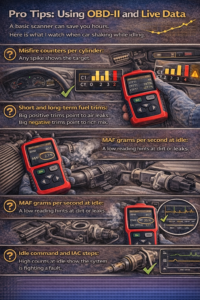
Pro tips: using OBD-II and live data
A basic scanner can save you hours. Here is what I watch when car shaking while idling.
- Misfire counters per cylinder: Any spike shows the target.
- Short and long-term fuel trims: Big positive trims point to air leaks. Big negative trims point to rich mix.
- MAF grams per second at idle: A low reading hints at dirt or leaks.
- Idle command and IAC steps: High counts at idle show the system is fighting a fault.
- O2 sensor behavior: Slow switching can point to fueling or sensor age.
Cross-check data at idle and at 2,500 rpm. If trims fix at higher rpm, focus on vacuum leaks and idle air flow.
Frequently Asked Questions of car shaking while idling
Why does car shaking while idling get worse with the AC on?
The AC adds load, so a weak idle control or failing compressor shows up. Check idle air control, belt tension, and compressor drag.
Can bad motor mounts alone cause car shaking while idling?
Yes, if the rubber is torn or collapsed, normal engine pulses shake the body. Mounts do not cause a misfire, but they can amplify it.
Will fuel injector cleaner fix car shaking while idling?
It can help if the cause is light injector deposits. It will not fix ignition problems, vacuum leaks, or a stuck EGR.
Is it safe to drive with car shaking while idling?
If it is mild and no lights flash, short drives are okay. If the light flashes or it stalls, tow it to avoid damage.
Why does car shaking while idling go away when I rev the engine?
Higher rpm smooths the pulses and can hide small faults. The issue is still there, so find and fix the root cause.
Could a bad battery cause car shaking while idling?
Low voltage can weaken spark and fuel control at idle. Test the battery and alternator before chasing other parts.
How often should I clean the throttle body to prevent car shaking while idling?
Every 30,000–45,000 miles is a good rule. Clean sooner if most trips are short or dusty.
Conclusion
Car shaking while idling is a clue, not a crisis. Start with simple checks, read the data, and fix the root cause. Most cures are fast and fairly priced when you follow a plan.
Use the steps here today. If you are stuck, grab a scanner or call a trusted shop and share your notes. Want more guides like this? Subscribe, ask a question in the comments, and share your car’s symptoms so we can help.