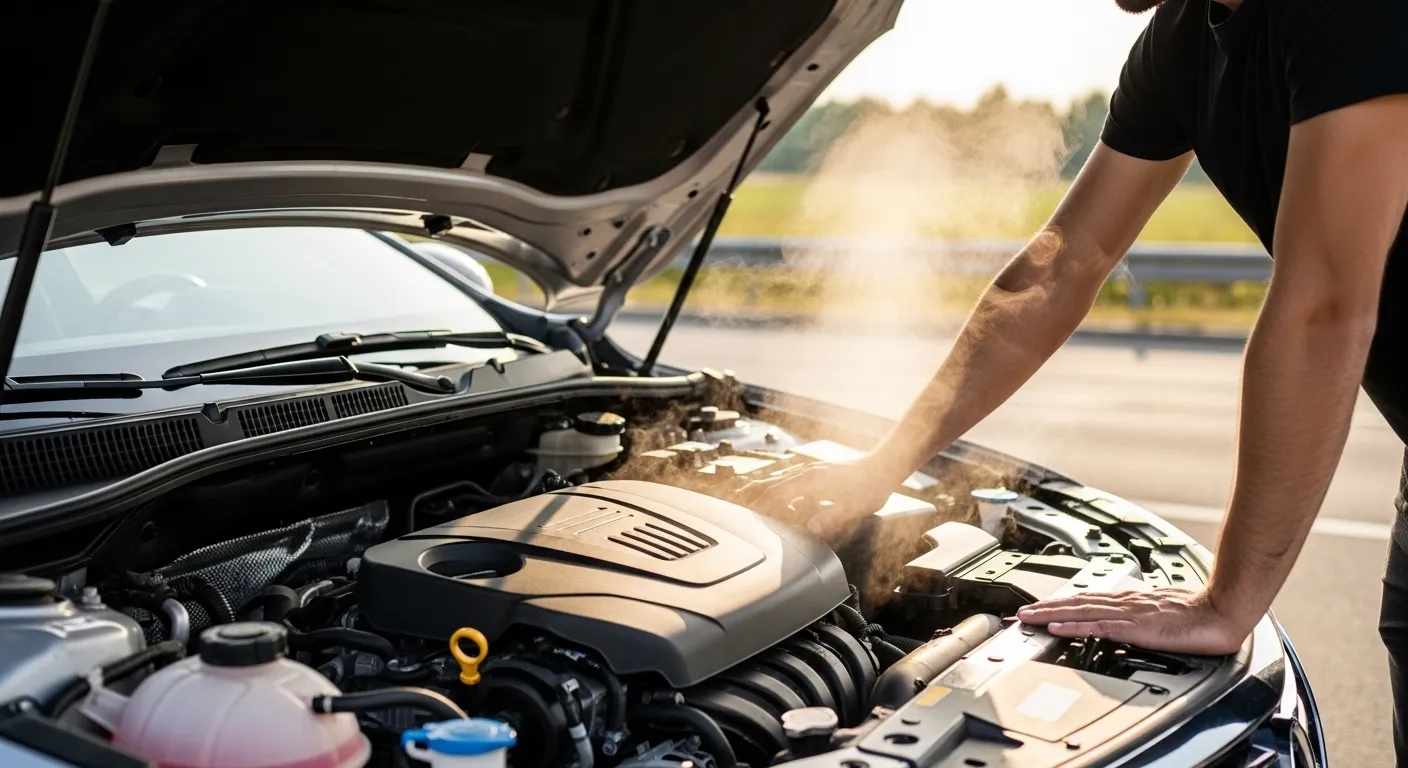
Overheating with a full reservoir points to flow, airflow, sensor, or mechanical issues.
You topped off coolant, yet the needle climbs. I get it. I’ve diagnosed dozens of cases of car overheating but coolant is full. In this guide, I explain why it happens, how to find the root cause fast, and what to fix first. If you’ve searched for “car overheating but coolant is full,” you’re in the right place to get clear, field-tested answers.
What it really means when the temperature spikes even with a full reservoir
A full tank does not mean coolant is moving. Your engine may still run hot if coolant cannot flow, air cannot cool the radiator, or the thermostat and sensors misread heat. It can also be a sign of pressure loss or trapped air.
This is why many drivers see car overheating but coolant is full after a long climb, in traffic, or right after a repair. The system needs the right flow, pressure, and airflow to shed heat. If one link fails, temperatures jump.
In my shop, most “mystery” overheat jobs came down to three things: a stuck thermostat, a weak fan, or air pockets left after a coolant change. Less often, it was a clogged radiator or failing water pump.

Source: capitol-chevy.com
How the cooling system removes heat (fast primer)
Your engine makes heat. Coolant absorbs it in the block and head. The water pump pushes hot coolant to the radiator. Outside air and radiator fans remove the heat. The thermostat controls flow based on temperature. The radiator cap holds pressure so coolant boils at a higher temperature.
If any part fails, you can see car overheating but coolant is full. Most thermostats open around 180–195°F. Many fans kick on near 210–230°F. When these numbers don’t line up, you get heat creep.
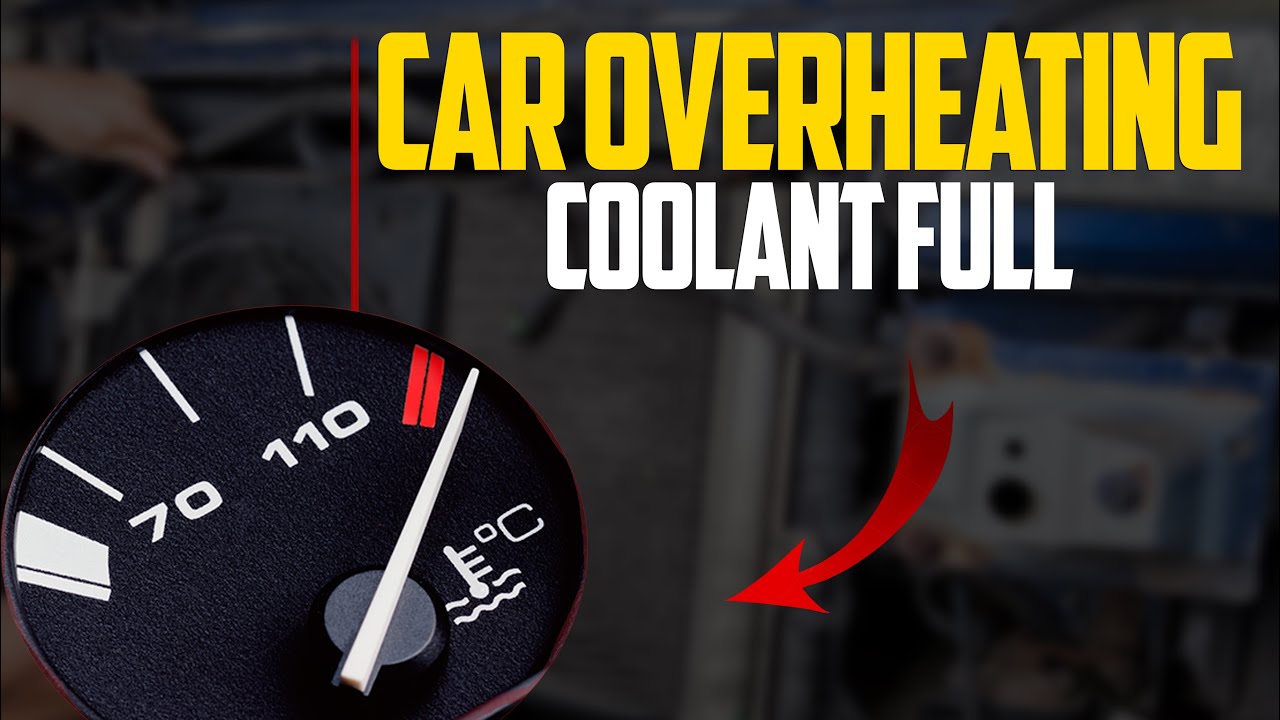
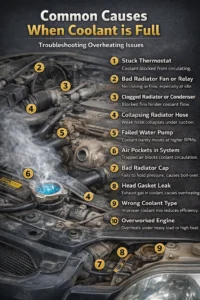
Common causes when coolant is full
These are the usual suspects I check first:
- Stuck thermostat or installed backward Coolant cannot circulate to the radiator.
- Weak or dead radiator fan No airflow at idle or in traffic.
- Bad fan relay, fuse, or temp sensor The fan never gets the signal.
- Partially clogged radiator or condenser Fins blocked by debris or bent fins reduce cooling.
- Collapsing lower radiator hose Weak hose kinks under suction at high RPM.
- Water pump failure or eroded impeller Pump spins but moves little coolant.
- Air pockets after a coolant service Trapped air blocks flow and tricks sensors.
- Faulty radiator cap Loses pressure, coolant flashes to steam.
- Head gasket leak Exhaust gas in coolant adds heat and pressure.
- Mixed or wrong coolant type Additives can gel or reduce heat transfer.
- Overworked engine Towing, steep grades, or high ambient heat overwhelm a marginal system.
Any one of these can cause car overheating but coolant is full, especially during idle or slow speeds.
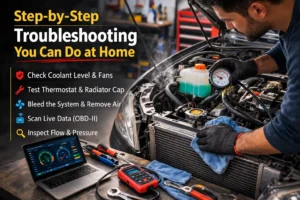
Step-by-step troubleshooting you can do at home
Safety first. Never open the radiator cap hot. Let the engine cool.
- Confirm the level
- Check the radiator itself when cool, not just the overflow bottle.
- If low in the radiator but the bottle is full, the cap may not pull coolant back.
- Watch the fans
- Start the engine and let it idle to operating temp.
- AC on: the radiator fan should run. If not, check fuses, relays, and fan motor.
- Feel the hoses
- Upper hose hot and firm means the thermostat likely opened.
- If one hose is hot and the other stays cold, flow is blocked.
- Check the thermostat and cap
- If overheating happens fast, the thermostat may be stuck closed.
- Replace the radiator cap if it does not hold pressure per spec.
- Bleed the system
- Many cars need a bleed screw opened or a vacuum fill to remove air.
- Park nose-up, run the heater on high, and watch for steady flow and no bubbles.
- Scan live data
- An inexpensive OBD-II reader shows coolant temp and fan commands.
- Compare the dash gauge to actual readings.
- Inspect airflow
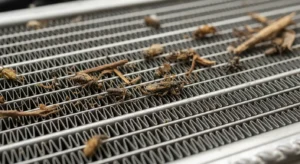
- Look for leaves, plastic bags, or bugs wedged in the radiator.
- Make sure the AC condenser is clean and the shrouds are in place.
- Road test clues
- Overheats at idle only Often a fan or airflow issue.
- Overheats on highway Often a flow restriction, pump, or radiator problem.
- Check for exhaust gas in coolant
- Use a block test fluid kit. Blue fluid turning yellow suggests a head gasket leak.
- If you still see car overheating but coolant is full
- Get a pressure test and a professional cooling system flow test.
Real-world cases from the shop
- The silent fan motor A midsize sedan overheated only in traffic. Coolant level was fine. The fan motor was weak and spun slow. A new fan assembly fixed it.
- The new thermostat installed backward A DIY job on a compact car led to car overheating but coolant is full. The thermostat was flipped. Correct install solved it.
- The smooth but failing water pump A crossover ran hot on the highway. No leaks. The pump impeller had eroded and moved almost no coolant at speed. New pump, problem gone.
- Air pocket after service A coolant change on a V6 left air trapped high in the system. A proper vacuum fill and bleed cleared it in minutes.
Mistake to avoid: mixing green and orange coolants. I have seen gel-like build-up that clogged passages.
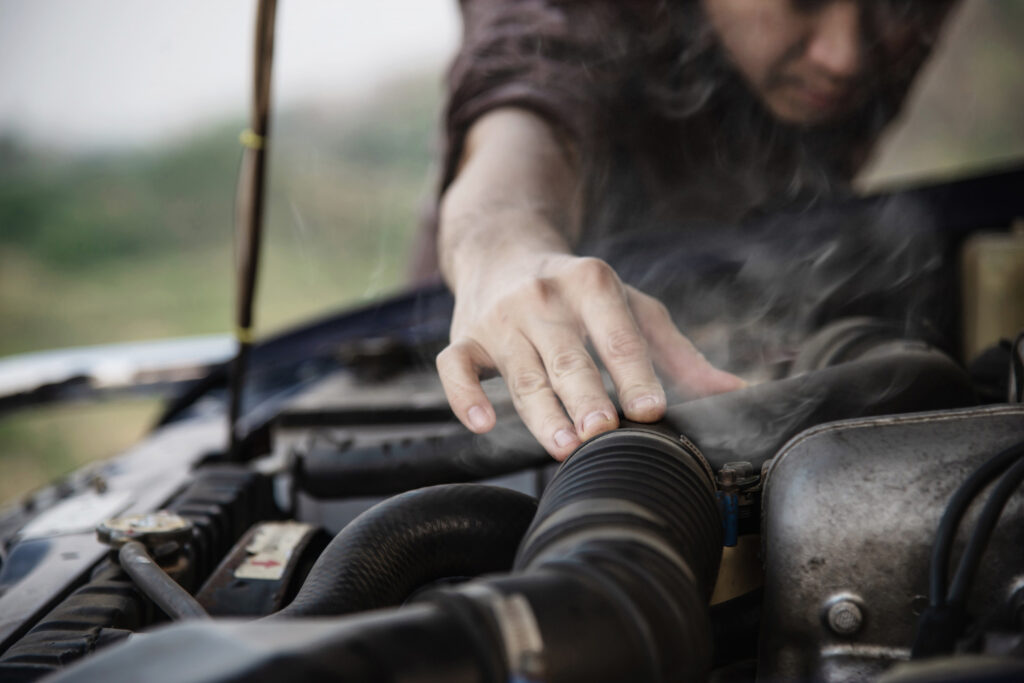
Source: carlosrepairsridge.com
Can you keep driving? What to do right now
If the gauge climbs into the red or a warning says “engine hot,” stop safely. Heat kills head gaskets fast. Do not idle with the AC on and a dead fan. The heat load is high.
Turn off the AC and turn the heater on full hot. This adds a small extra radiator. Watch the gauge drop. If it does not, shut down. If you must top up, wait until cool, then add the correct premix. Water alone is a short-term move and reduces boil protection.
If the car overheating but coolant is full keeps returning, plan a tow. You will save an engine by not forcing it.
Likely fixes, cost ranges, and time
These are ballpark US numbers. Parts and labor vary by model and region.
- Thermostat and gasket 1–2 hours. 60–250 dollars.
- Radiator cap 5 minutes. 10–30 dollars.
- Radiator fan assembly 1–3 hours. 200–650 dollars.
- Fan relay or temp sensor 0.5–1.5 hours. 75–350 dollars.
- Water pump 2–6 hours. 300–1,100 dollars.
- Radiator replacement 2–4 hours. 400–1,200 dollars.
- Coolant flush and bleed 1 hour. 100–250 dollars.
- Head gasket repair 8–20 hours. 1,500–4,500 dollars.
Spending a little to fix a fan or thermostat beats an engine rebuild. That is the real cost of ignoring car overheating but coolant is full.
Prevention checklist and maintenance intervals
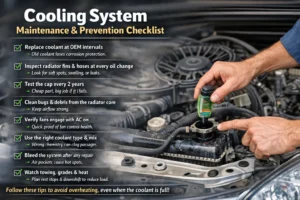
- Replace coolant at OEM intervals Old coolant loses corrosion protection and raises risk.
- Inspect radiator fins and hoses at every oil change Look for soft spots, swelling, or leaks.
- Test the cap every 2 years Cheap part, big job if it fails.
- Clean bugs and debris from the radiator core Keep airflow strong.
- Verify fans engage with AC on Quick proof of fan control health.
- Use the right coolant type and mix Wrong chemistry can clog passages.
- Bleed the system after any repair Air pockets cause hot spots and false readings.
- Watch towing, grades, and heat Plan rest stops and downshift to reduce load.
Follow these and you reduce the odds of car overheating but coolant is full on the hottest days.
Special situations that trigger overheating
Idle or stop-and-go only
Often a dead fan, bad relay, or blocked condenser. Airflow at zero speed depends on those parts.
Highway speed only
Points to flow issues. Think pump, clogged radiator, or a collapsing lower hose.
Cold weather
A stuck-closed thermostat or thick, wrong-mix coolant can cause slow warm-up then a sudden overheat.
After major engine work
Air pockets are common. Bleed again with the nose up or use a vacuum fill. Many “car overheating but coolant is full” calls happen right after repairs.
Towing or mountain climbs
Even a healthy car can run hot if airflow is reduced by debris. Keep the heater ready as a backup radiator. Downshift to raise pump speed and fan speed on mechanical fans.
Frequently Asked Questions of car overheating but coolant is full
Why is my car overheating but coolant is full?
Coolant may be full but not moving, or airflow is weak. A stuck thermostat, dead fan, or clogged radiator are common causes.
Can a bad radiator cap cause overheating with a full tank?
Yes. If the cap cannot hold pressure, coolant can boil and form steam pockets. That reduces heat transfer and spikes temperature.
How do I know if my water pump is failing?
Listen for bearing noise and watch for leaks at the weep hole. Overheating at highway speed with no leaks often points to a worn impeller.
Could the thermostat be the problem even if it’s new?
Yes. New parts can fail or be installed backward. If one hose stays cold while overheating, suspect the thermostat.
Do I need to bleed the cooling system after topping up?
Often, yes. Many cars trap air and need a bleed screw or vacuum fill. Air pockets can cause car overheating but coolant is full.
How risky is it to drive while overheating?
Very risky. A few minutes in the red can warp heads and blow gaskets. Stop, cool, and tow if the temp does not drop fast.
Will turning on the heater help?
It can help short term. The heater core acts like a mini radiator and may drop the temp enough to reach a safe spot.
Can mixing coolant types cause overheating?
Yes. Mixed chemistries can gel and reduce flow. Flush and refill with the correct coolant if types were mixed.
Conclusion
A full reservoir is only one piece of the puzzle. Overheating happens when flow, pressure, or airflow slips, even if the level looks fine. Start with fans, thermostat, radiator cap, and a proper bleed. Use live data to confirm temps and fan commands. If you still face car overheating but coolant is full, schedule a pressure and flow test before damage spreads.
Take action today. Check your fans, scan temps, and clean that radiator. If this helped, share it with a friend, subscribe for more DIY guides, or drop your “car overheating but coolant is full” story in the comments so we can troubleshoot together.