Your car cranks but does not start when fuel, spark, air, or timing fails.
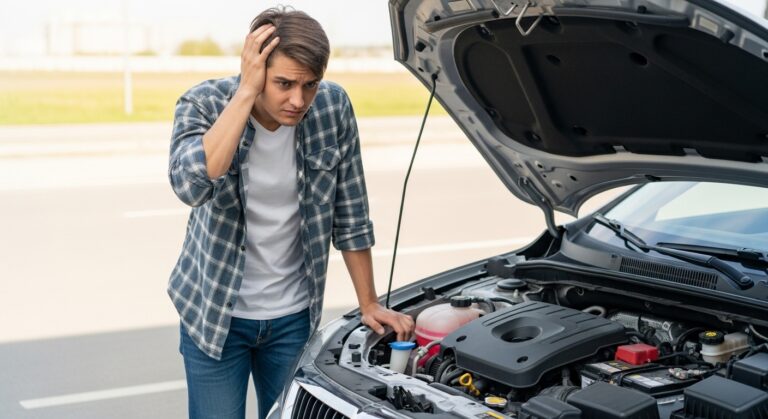
You turn the key, the starter spins, but the engine never catches. If your car cranks but does not start, you’re in the right place. I’ve diagnosed hundreds of these no-start cases in the shop and at the roadside. This guide breaks down real causes, smart checks, and fixes you can do today, with clear steps and pro tips that save time and money. Read on to learn what to test first, common parts that fail, and when to call a pro.
What “car cranks but does not start” actually means
When a car cranks, the starter motor turns the engine. Starting means the engine fires and runs on its own. When a car cranks but does not start, the starter works, but the engine does not get what it needs to run.
Engines need four things to start: air, fuel, spark, and correct timing with enough compression. If any one fails, the result is a car cranks but does not start. Knowing that helps you test fast and avoid guessing.
Source: thedrive.com
How to diagnose fast: a simple checklist
Use this order. It is quick and safe.
- Listen first. Does the crank sound normal, fast, or uneven? Fast crank suggests low compression. Uneven crank can hint at timing issues.
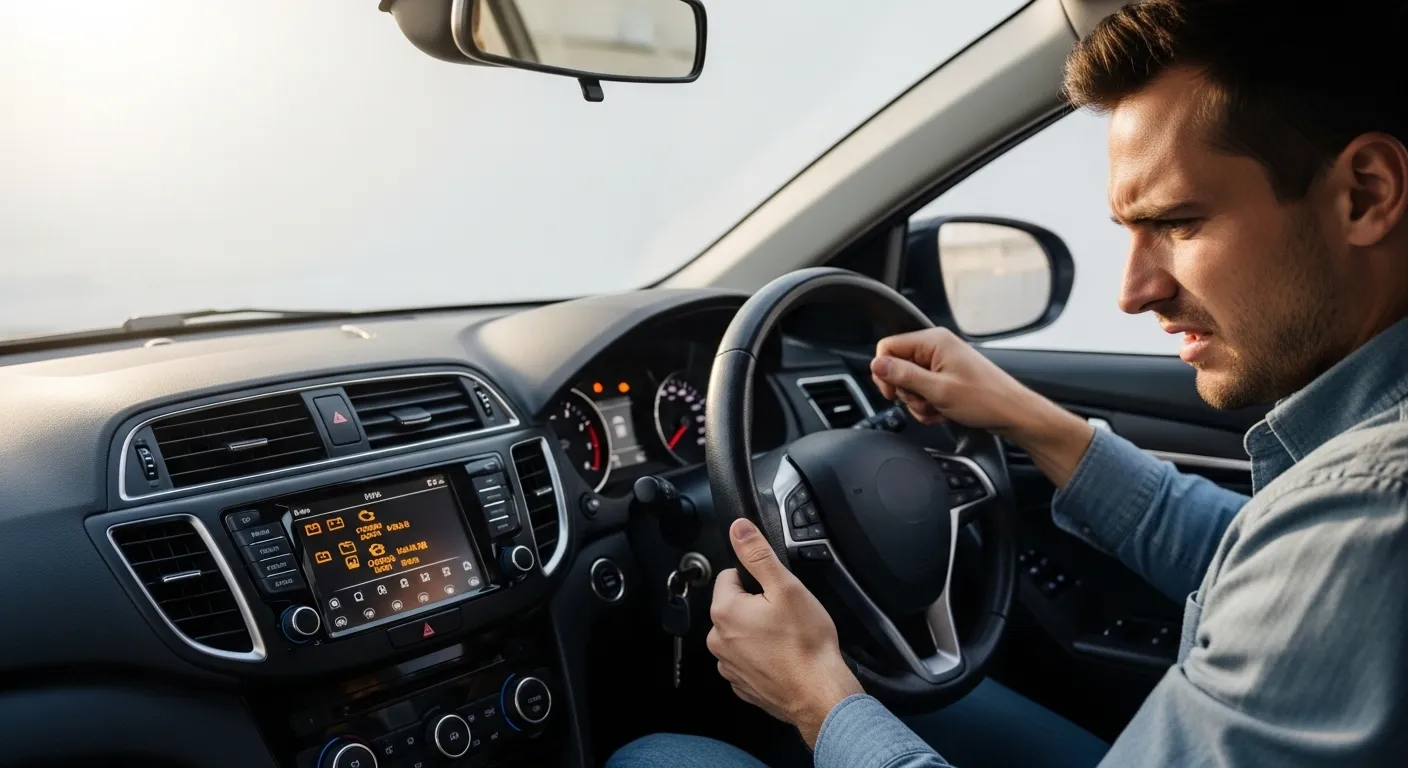
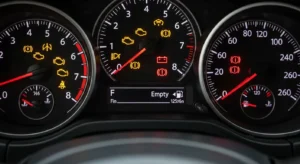
- Watch the dash. Security light flashing or key icon? That can block fuel or spark.
- Try the accelerator. Hold the pedal to the floor while cranking. If it starts, it may be flooded.
- Smell for fuel. Strong gas smell means flooding or no spark. No smell at all may mean no fuel delivery.
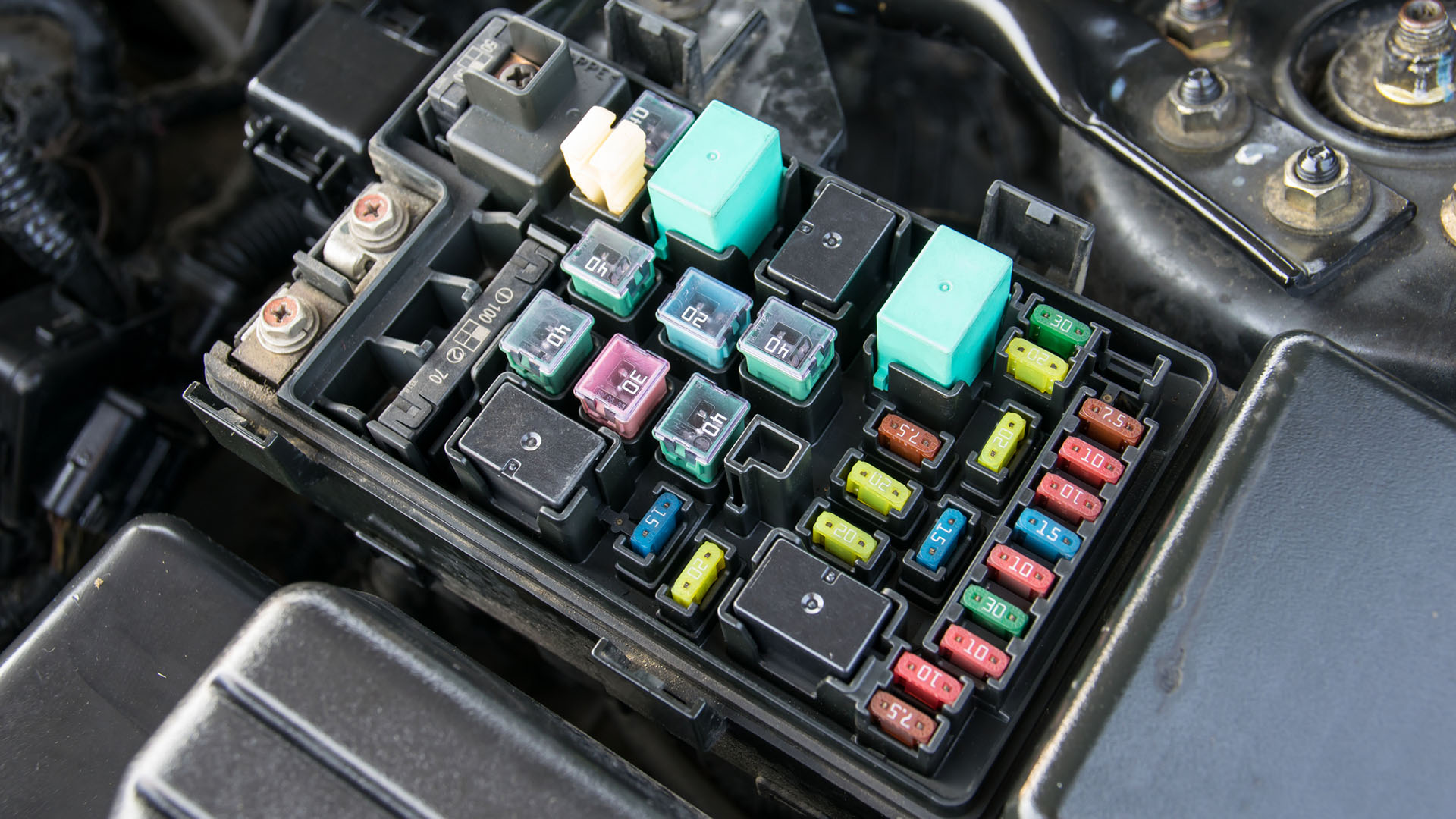
- Check basics. Battery terminals clean and tight. Fuses for fuel pump, ignition, and ECM.
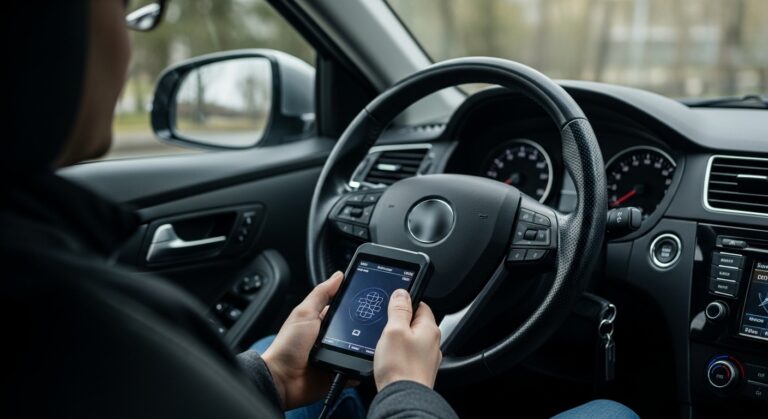
- Scan for codes. An OBD-II scanner can show bad sensors, a crank sensor fault, or immobilizer issues.
- Check fuel pressure. Use a gauge at the rail. No pressure points to pump, relay, fuse, wiring, or a clogged filter.
- Test for spark. Use a spark tester on one plug wire or coil.
- Inspect air path. Make sure the intake is clear and the MAF is plugged in.
- If all three fail checks pass, test compression and timing alignment.
These steps solve most cases where a car cranks but does not start. If you track air, fuel, and spark, you will find the fault without parts darts.
PAA-style quick answers you want right now
Why does my engine crank but not start after fueling?
You may have a bad purge valve or a loose gas cap causing a vapor lock style flood. Try holding the pedal down and crank; if it starts, check the EVAP purge valve and scan for codes.
Why does my car crank but not start in cold weather?
Cold can weaken the battery, thicken oil, and expose weak spark plugs. Use a strong battery, confirm spark, and try a new set of plugs if they are old.
Car cranks but does not start after a short drive?
Heat soak can trigger a failing crankshaft position sensor or a weak fuel pump. Let it cool, then scan for codes and check fuel pressure when hot.
Fuel system: pressure, delivery, and injectors
Fuel is the top culprit when a car cranks but does not start. Focus on these:
- Fuel pump and relay. Turn the key to ON. Do you hear a 2–3 second pump prime? No prime can mean a bad pump, relay, fuse, or inertia switch in some models.
- Fuel pressure. Most port-injected engines need around 40–60 psi. Direct injection runs much higher. No or low pressure points to pump, clogged filter, or a bad regulator.
- Injectors. Use a noid light to check injector pulse. Pulse with no fuel pressure means a pump issue. No pulse can be a PCM, wiring, or security problem.
- Contaminated fuel. Water or diesel in a gas car can cause a car cranks but does not start. A clear tube test or draining a sample can confirm.
Real-world note: I once chased a “random” no-start that only happened after highway runs. The fix was a weak in-tank pump that met pressure at idle but died hot under load. A hot fuel pressure test revealed it.

Source: youtube.com
Ignition system: spark plugs, coils, and sensors
If you lack spark, your car cranks but does not start. Check:
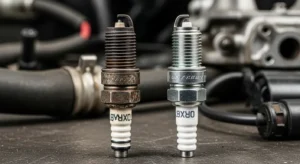
- Spark plugs and coils. Worn plugs or failing coils give a fuel smell and no start. A spark tester shows a strong blue spark versus a weak orange one.
- Crankshaft and camshaft position sensors. A bad sensor can kill spark and injector timing. Many cars will log P0335 or related codes. Some fail only when hot.
- Ignition control and ECM power. Check related fuses, grounds, and relays. Poor grounds can mimic sensor failure.
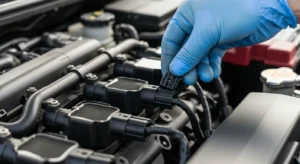
Shop tip: I keep a spare known-good coil for quick swaps on suspect cylinders. It can prove an ignition fault in minutes without full teardown.

Source: reddit.com
Air and intake: MAF, throttle body, and vacuum leaks
No air, wrong air, or misread air can mean a car cranks but does not start.
- Mass air flow sensor. Unplug the MAF and try to start. Some cars will default to a limp map and run. If it starts unplugged, test or replace the MAF.
- Throttle body. A stuck or dirty throttle plate blocks airflow. Clean with throttle-safe cleaner.
- Intake tract and filter. A plastic bag or soaked filter can choke the engine.
- Big vacuum leaks. A blown brake booster hose or PCV hose can upset the mix and flood or starve the engine.
Timing and compression: belts, chains, and head gaskets
Engines must seal and sync. If not, a car cranks but does not start.
- Timing belt or chain. A slipped belt or stretched chain throws valve timing off. Listen for very fast cranking and do a timing mark check.
- Compression test. Healthy cylinders often read 150 psi or more, even and consistent. Near-zero on several cylinders suggests timing or a washed cylinder wall from flooding.
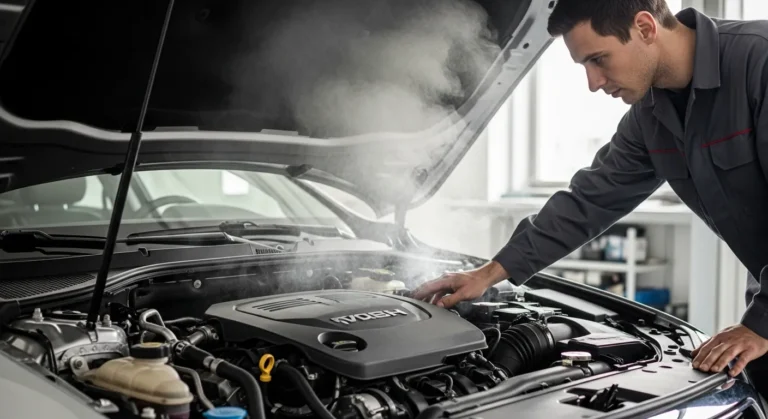
- Head gasket. Coolant-laden plugs, white steam, or milky oil can block a start.
I once saw a quiet chain guide break, cause slight timing drift, and the only clue was a rough crank and a no-start after parking. A cam/crank correlation code led me straight there.
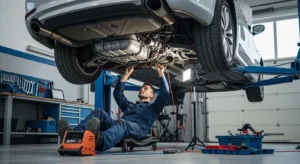
Electrical, immobilizer, and security issues
If the security system is angry, a car cranks but does not start.
- Key and immobilizer. A weak key fob battery or wrong key can disable injectors. Look for a flashing security light.
- Aftermarket alarms or remote starts. Poor installs can cut the starter or fuel circuit. Check under-dash wiring for add-ons.
- Main relays and ECM power feeds. Some cars use a “main relay” that powers fuel and spark systems. Heat cracks can make it intermittent.
Weather and environment: hot soak, cold start, and flooding
Weather exposes weak parts and can make a car cranks but does not start.
- Cold. Weak batteries, old plugs, and thick oil reduce cranking speed and spark strength.
- Hot soak. Heat can kill a borderline crank sensor or a tired fuel pump until it cools.
- Flooding. Repeated short trips can flood cylinders. Floor the pedal while cranking to enable clear-flood mode on many cars.
Use your scan tool and basic meters
A $30 OBD-II scanner and a cheap multimeter save guesswork when a car cranks but does not start.
- Read codes and freeze frame. Check for P0335 (crank sensor), P0230 (fuel pump), P0101 (MAF), or security-related codes.
- Live data. Look for RPM while cranking. No RPM usually means the PCM is not seeing the crank sensor.
- Fuel trims once it runs. Extreme trims after it starts can confirm leaks or sensor bias.
Costs, when to tow, and how pros solve it
If roadside checks fail and your car cranks but does not start, tow it.
- Typical costs. Fuel pump replacement can be moderate to high. Crank sensor, coils, and plugs are usually lower. Timing repairs are higher.
- How pros work. We test, not guess. Fuel pressure, spark test, and data scan come first. Only then do we replace parts.
If the car is in a risky spot, do not keep cranking. Repeated cranking can wash cylinders and kill the battery.
Prevent it next time
Prevention beats a tow when a car cranks but does not start.
- Replace plugs and air filter on schedule.
- Use quality fuel and keep the tank above one-quarter to cool the pump.
- Clean the throttle body and MAF during service.
- Inspect battery, terminals, and grounds twice a year.
- Scan for pending codes monthly; small clues prevent big failures.
Real-world case studies and lessons learned
- The quiet no-start: A Subaru would crank fine but not start after grocery runs. Hot crank sensor. It tested good cold, failed hot. Lesson: test parts under the condition that fails.
- The fuel tease: A truck had 42 psi at key-on but dropped to 10 psi while cranking. Weak pump. Lesson: watch pressure during crank, not just prime.
- The “it starts when floored”: A small hatchback started only with the pedal down. Leaky injector flooding cylinders. Lesson: pedal-down start hints at a rich fault.
These patterns repeat. When a car cranks but does not start, match the symptom to the system. You will land on the cause faster and spend less.
Frequently Asked Questions of car cranks but does not start
What’s the difference between no-crank and no-start?
No-crank means the starter does not turn the engine. No-start means the engine turns but does not fire.
Can a bad battery cause a crank-no-start?
Yes, if the battery is weak enough to spin but not fast or stable. Low voltage can rob the ignition and fuel systems of power.
Will bad spark plugs cause a crank but no start?
Yes. Worn or fouled plugs can soak with fuel and never ignite. A quick plug check often reveals the issue.
Could a blown fuse cause this problem?
Yes. A fuel pump fuse, ECM fuse, or ignition fuse can fail and stop starting. Check fuses with a test light rather than by eye.
How long should I crank before stopping?
Crank for 5–7 seconds, then rest the starter for 20–30 seconds. Long cranks can overheat the starter and drain the battery.
Can a clogged fuel filter cause a crank-no-start?
Yes. A clogged filter can block pressure and flow, especially under load or after sitting. A pressure test confirms it fast.
Does the security light matter in a no-start?
If it flashes while cranking, the immobilizer may be active. Try a spare key or relearn the key if the manual allows it.
Conclusion
If your car cranks but does not start, think like a pro: confirm air, fuel, spark, then timing and compression. Use quick tests such as fuel pressure, a spark tester, and an OBD-II scan to cut guesswork and costs. Small checks catch big problems before they grow.
Take one section from this guide and try it today, even if it is just cleaning grounds or scanning for pending codes. If you found this helpful, subscribe for more hands-on fixes and drop a comment with your no-start story so we can solve it together.