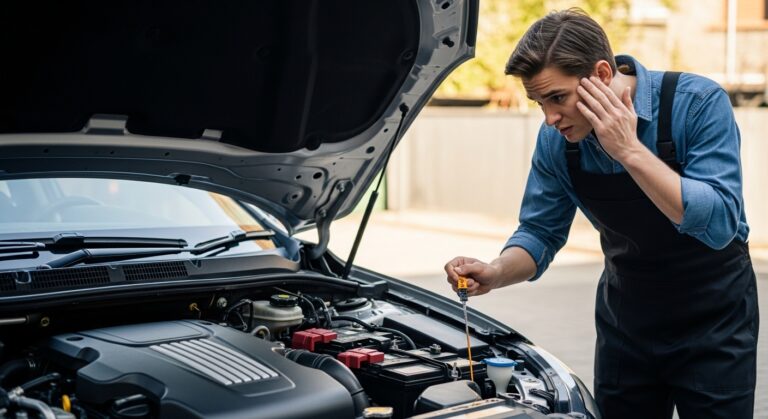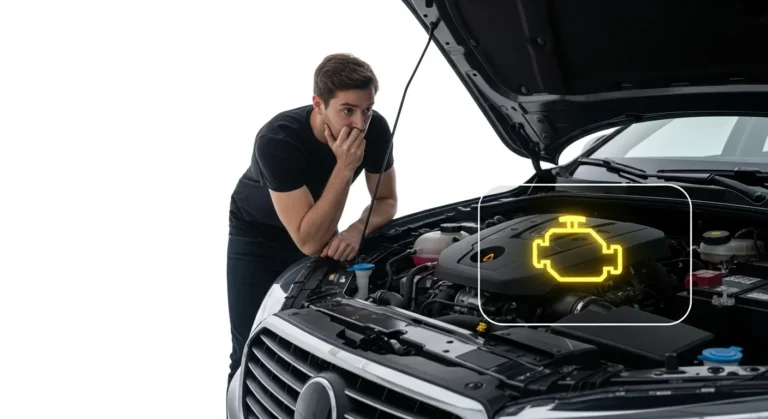
Yes, you can drive a short distance if the light is steady; flashing means stop now.
If you’ve asked yourself can i drive with check engine light on, you’re not alone. I’ve helped many drivers weigh safety, cost, and urgency in this exact moment. In this guide, I’ll show you what the light means, when it’s safe to drive, and the right steps to protect your engine and wallet. Expect simple checks, real examples, and pro tips you can use today.
What the check engine light actually means
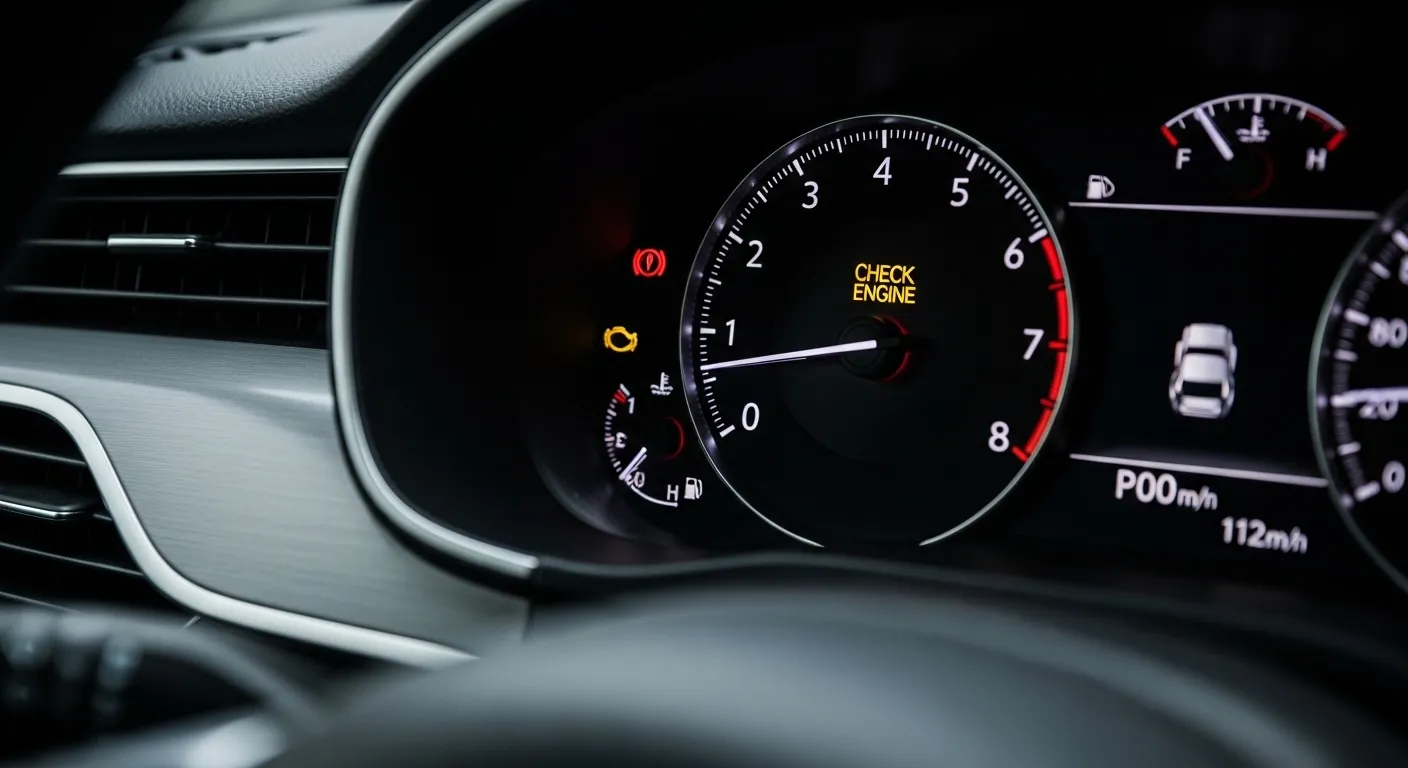
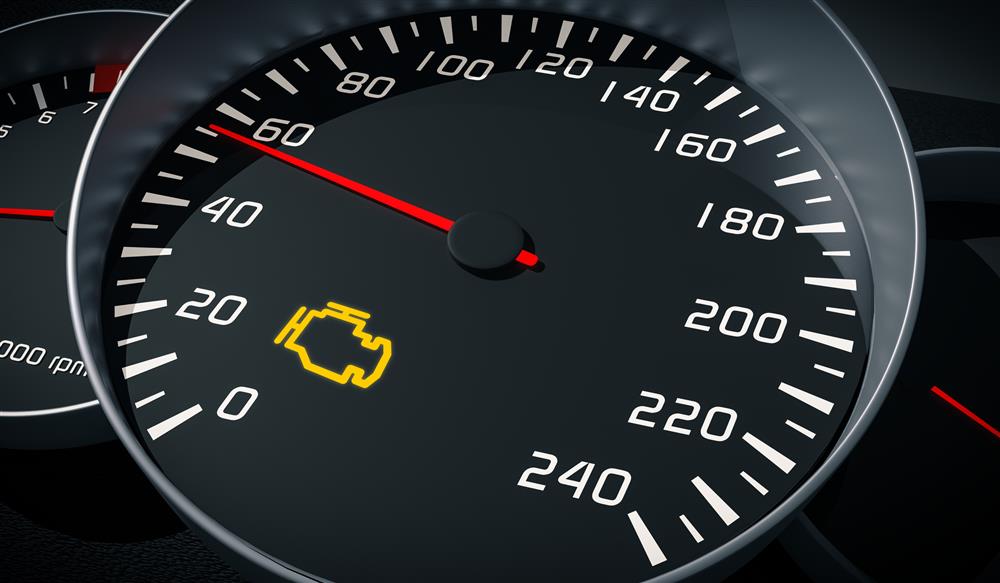
Your check engine light is the Malfunction Indicator Lamp. It turns on when your car’s computer (ECU) logs a fault in the engine or emissions system. It can be a minor issue, or one that can harm the engine or the catalytic converter.
Here’s the key:
- Solid light means the car detected a fault. You can often drive a short distance if the car feels normal.
- Flashing light means a severe misfire or damage risk. Slow down and stop as soon as it’s safe.
Modern cars use OBD-II. The ECU stores trouble codes that point to systems like the oxygen sensors, ignition coils, EVAP system, or fuel trim.
Is it safe to drive? How to judge risk fast
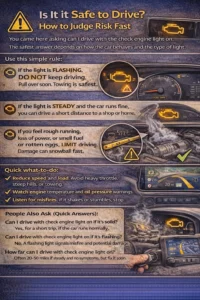
You came here asking can i drive with check engine light on. The safest answer depends on how the car behaves and the type of light.
Use this simple rule:
- If the light is flashing, do not keep driving. Pull over soon. Towing is safest.
- If the light is steady and the car runs fine, you can drive a short distance to a shop or home.
- If you feel rough running, loss of power, or smell fuel or rotten eggs, limit driving. Damage can snowball fast.
Quick what-to-do:
- Reduce speed and load. Avoid heavy throttle, steep hills, or towing.
- Watch engine temperature and oil pressure warnings.
- Listen for misfires. If it shakes or stumbles, stop.
People also ask (quick answers):
- Can i drive with check engine light on if it’s solid? Yes, for a short trip, if the car runs normally.
- Can i drive with check engine light on if it’s flashing? No. A flashing light signals misfire and potential damage.
- How far can i drive with check engine light on? Often 20–50 miles if steady and no symptoms, but fix it soon.
Common causes and what they mean
When drivers ask can i drive with check engine light on, the cause matters. These are common triggers and how urgent they are.
Minor to moderate issues:
- Loose or faulty gas cap. Can cause an EVAP leak code. Usually safe to drive short term.
- Aging oxygen sensor. Can hurt fuel economy. Fix when you can.
- Dirty mass airflow sensor. May cause rough idle or poor mpg. Moderate urgency.
Urgent or severe issues:
- Engine misfire (plugs, coils, injectors). Flashing light common. Stop driving to avoid catalytic damage.
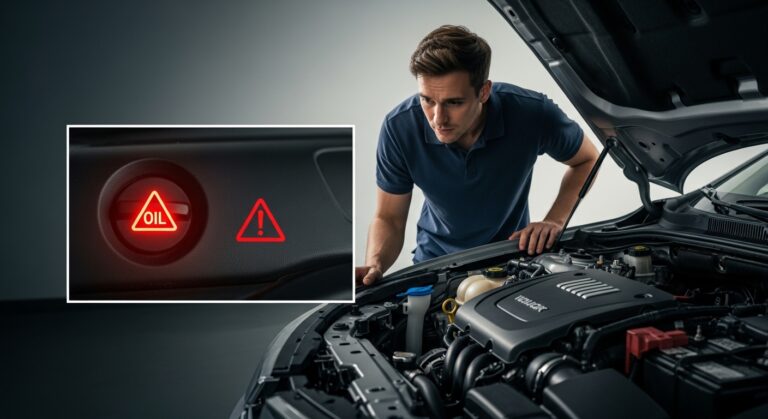
- Overheating or low oil pressure. Not just a check engine issue. Stop right away.
- Catalytic converter damage or clog. Can overheat and restrict flow. Avoid driving.
Other possible triggers:
- EGR valve faults
- Vacuum leaks
- Fuel pump or filter issues
- Transmission-related codes in some cars

Source: wendlefordsales.com
What to do right now: a step-by-step plan
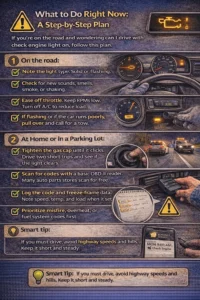
If you’re on the road and wondering can i drive with check engine light on, follow this plan.
On the road:
- Note the light type. Solid or flashing.
- Check for new sounds, smells, smoke, or shaking.
- Ease off throttle. Keep RPMs low. Turn off A/C to reduce load.
- If flashing or if the car runs poorly, pull over and call for a tow.
At home or in a parking lot:
- Tighten the gas cap until it clicks. Drive two short trips and see if the light clears.
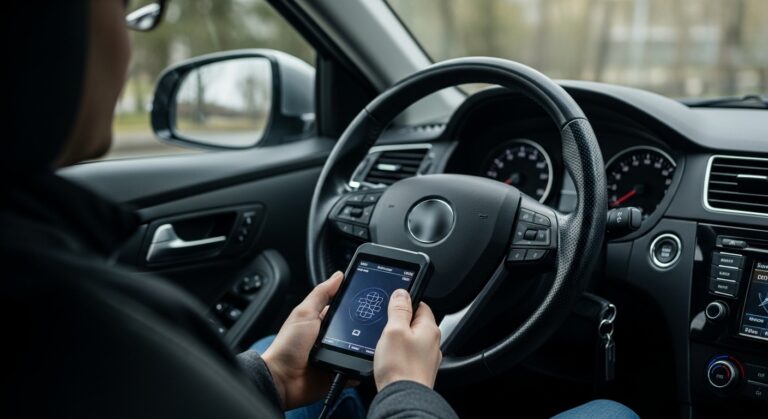
- Scan for codes with a basic OBD-II reader. Many auto parts stores scan for free.
- Log the code and freeze-frame data. Note speed, temp, and load when it set.
- Prioritize misfire, overheat, or fuel system codes first.
- Schedule service soon, even if the car drives fine.
Smart tip:
- If you must drive, avoid highway speeds and hills. Keep it short and steady.
How to diagnose like a pro (without overthinking it)
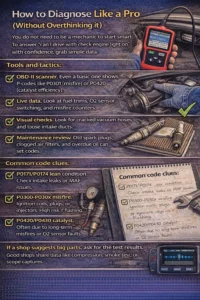
You do not need to be a mechanic to start smart. To answer can i drive with check engine light on with confidence, grab simple data.
Tools and tactics:
- OBD-II scanner. Even a basic one shows P-codes like P0301 (misfire) or P0420 (catalyst efficiency).
- Live data. Look at fuel trims, O2 sensor switching, and misfire counters.
- Visual checks. Look for cracked vacuum hoses and loose intake ducts.
- Maintenance review. Old spark plugs, clogged air filters, and overdue oil can set codes.
Common code clues:
- P0171/P0174 lean condition. Check intake leaks or MAF issues.
- P0300-P030x misfire. Ignition coils, plugs, or injectors. High risk if flashing.
- P0420/P0430 catalyst. Often due to long-term misfires or O2 sensor faults.
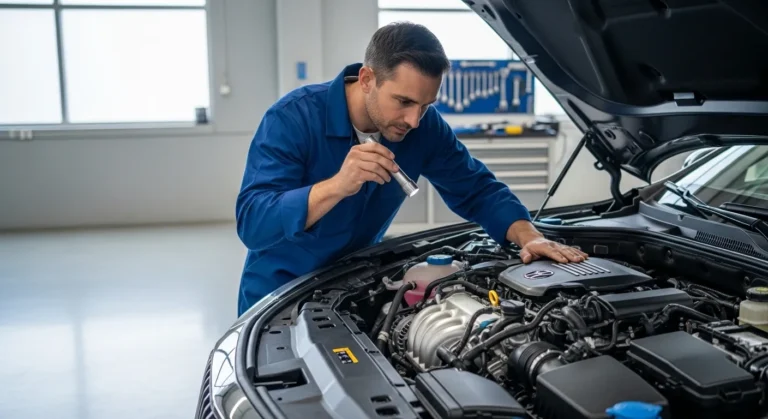
If a shop suggests big parts, ask for the test results. Good shops share data like compression, smoke test, or scope captures.
Damage, costs, and when to stop driving
The cost of waiting is real. Here is why the answer to can i drive with check engine light on is often “only briefly.”
What can go wrong:
- Misfires dump fuel into the exhaust. This can overheat and melt the catalytic converter.
- Lean or rich running can score cylinder walls and foul plugs.
- Overheating or oil pressure issues can destroy the engine fast.
Typical cost ranges:
- Gas cap: 10–40 dollars
- Spark plugs and coils: 150–600 dollars
- Oxygen sensor: 150–400 dollars
- Catalytic converter: 800–2,500 dollars or more
When to stop right now:
- Flashing light, strong fuel smell, or rotten-egg odor
- Smoke, loud backfires, or severe shaking
- Temperature spikes or oil warnings

Source: vatire.com
My real-world take after years in the bay
I often get calls that start with, “can i drive with check engine light on?” Here are two cases that stick.
Case 1: Flashing light, light load misfire. The driver kept going “just five more miles.” The cat overheated and failed. A 200-dollar ignition fix turned into a 1,500-dollar bill.
Case 2: Solid light, car ran smooth. We found a loose gas cap and a small EVAP leak. The driver made it to the shop fine. Cost was under 100 dollars.
Lesson learned:
- Trust the flashing light. It is your red alert.
- Even a steady light can hide trouble. Scan early and save money.
- Keep a cheap scanner in the glove box. Knowledge lowers stress.
Prevent it: small habits that keep the light off
Good habits make the can i drive with check engine light on question rare.
Easy wins:
- Replace spark plugs and air filters on schedule.
- Use top-tier fuel if your manual suggests it.
- Keep the gas cap tight and the seal clean.
- Fix small misfires fast. They grow into big bills.
- Scan after any rough run, even if the light goes off.
Before trips:
- Check fluids, belts, and hoses.
- Clear stored codes and verify no pending codes return.
- Carry a small scanner and a spare gas cap gasket.
Frequently Asked Questions of can i drive with check engine light on
Can I drive with the check engine light on if the car feels normal?
Yes, for a short distance, if the light is steady and there are no other warnings. Still, schedule a scan soon.
What does a flashing check engine light mean?
It signals an active misfire that can damage the catalytic converter. Reduce speed and stop as soon as it is safe.
Will a loose gas cap cause the check engine light?
Yes. A loose or cracked cap triggers EVAP leak codes. Tighten it until it clicks and drive a few cycles.
How long can I ignore a check engine light?
Avoid ignoring it. Some faults are minor, but others can destroy expensive parts. Scan it within a day or two.
Can a low battery cause the check engine light?
Yes, low voltage can set odd codes. If your battery is weak, test or replace it and clear codes after.
Will the car fail inspection with the light on?
Yes, most states fail inspection if the light is on or monitors are not ready. Fix and reset monitors first.
Can bad fuel cause the light?
It can. Poor fuel can trigger misfires or lean codes. Use fresh fuel and consider an additive if advised.
Conclusion
You now know when it is okay to keep moving and when to stop. If the light is steady and the car runs fine, you can drive a short trip. If it flashes or the engine runs rough, stop and protect your car. The best answer to can i drive with check engine light on is simple: use caution, scan early, and act fast.
Take the next step today. Grab a basic scanner, learn your codes, and make a plan. Want more tips like this? Subscribe, ask a question, or share your story in the comments.