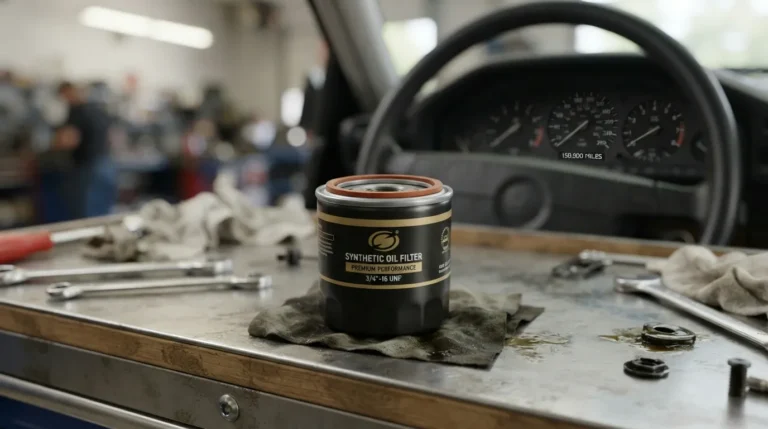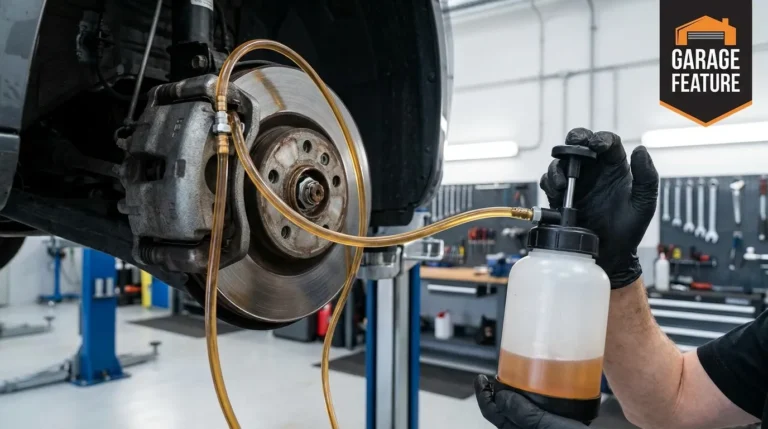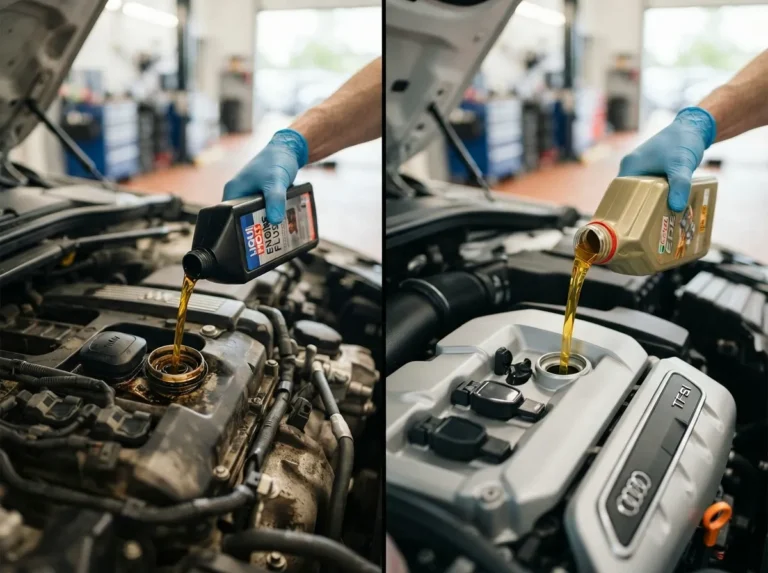
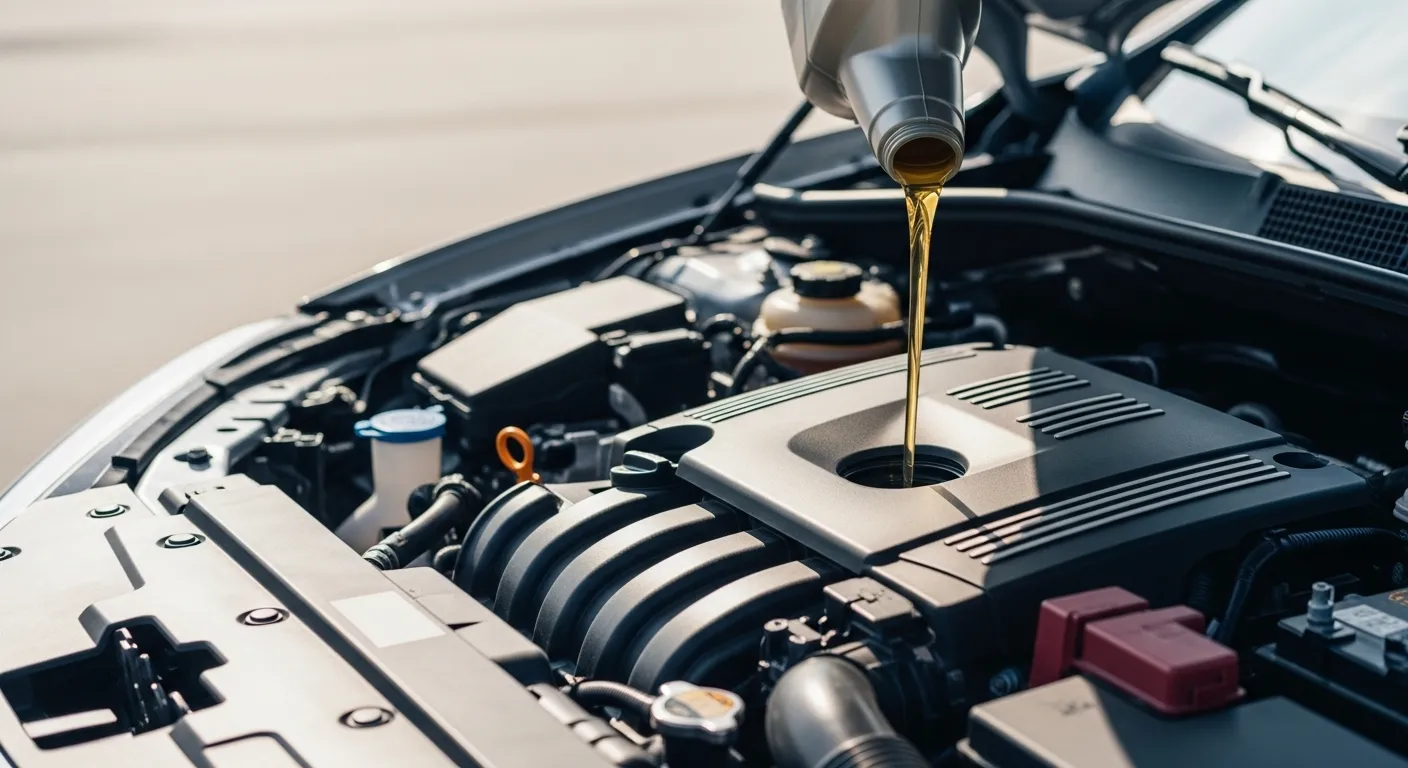
Most cars need oil changes every 5,000–7,500 miles or at least every 6–12 months.
If you want your engine to last, you need a smart plan. In this guide, I share clear steps, real shop stories, and data-backed advice on how often to change engine oil. I will help you set the right schedule for your car, your oil, and your driving style. Read on to learn how often to change engine oil with confidence and avoid costly mistakes.
Why oil change intervals matter
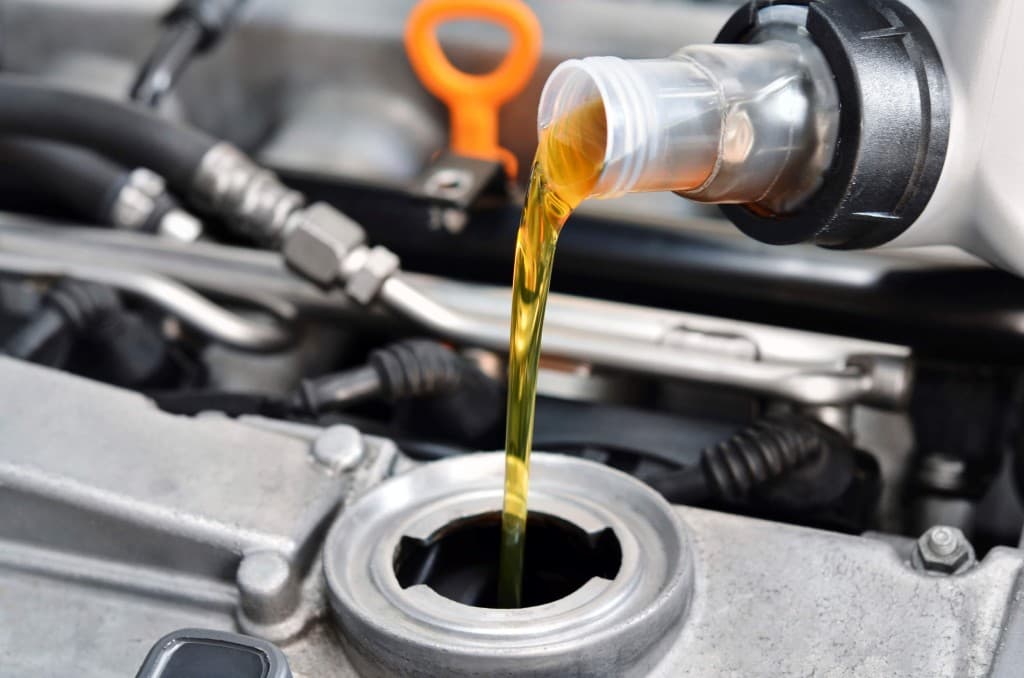
Engine oil is your car’s blood. It cools, cleans, and reduces wear. Over time, the oil breaks down and collects dirt and fuel. That hurts protection.
I have seen engines with thick sludge at 60,000 miles. The cause was slow oil changes. A simple, steady plan can save your engine and your wallet. That is why the question of how often to change engine oil matters.
What fresh oil does for your engine:
- Reduces friction so parts last longer
- Carries heat away from hot spots
- Traps dirt and soot in the filter
- Protects seals and prevents rust
- Helps turbos and timing systems live longer
Source: meineke.com
Typical intervals by vehicle and oil type
Let’s set a safe base. Then you can fine-tune.
- Modern gas engines with synthetic oil: 7,500 miles or 12 months is common
- Older cars or conventional oil: 3,000–5,000 miles or 6 months
- Turbocharged or direct-injected gas engines: 5,000–7,500 miles due to heat and fuel dilution
- Diesel light trucks or SUVs: Follow 5,000–10,000 miles, but check soot load and duty cycle
- High-mileage oil users: 5,000–7,500 miles with regular checks for leaks and usage
This is the starting point for how often to change engine oil. Your owner’s manual should match or set the exact range. If you are not sure how often to change engine oil for your model, the manual and oil life monitor are your best guides.

What changes your interval: driving, climate, and load
Your route and habits matter more than you think.
Conditions that shorten intervals:
- Many short trips under 10 miles where oil never warms up
- Stop-and-go traffic and long idling
- Towing, hauling, or roof boxes that add load
- Hot summers, very cold winters, or big temperature swings
- Dusty roads or gravel drives
Conditions that can extend intervals:
- Steady highway miles at warm temps
- Light loads and smooth driving
- Quality synthetic oil that meets the right spec
A quick story from my bays: a courier car came in at 9,000 miles on synthetic. The driver did 60 miles of highway each day. The oil was still healthy and the filter looked fine. For that car, we set 7,500 miles. This is how I decide how often to change engine oil in real life.
Source: meineke.com
Owner’s manual, oil specs, and the oil life monitor
Your owner’s manual is the rulebook. Use the oil grade and spec it lists. That might be 0W-20, 5W-30, or a brand spec like Dexos or VW 504.
Many cars have an oil life monitor. It tracks starts, trips, temp, and idle time. It does not test the oil, but it is a smart timer. Here is how to use it well:
- Follow it, but set a floor like 5,000–7,500 miles for safety
- Reset it only after each proper oil and filter change
- If it says change soon after many short trips, trust it
This helps you decide how often to change engine oil without guesswork.

Conventional vs synthetic: what’s the real difference?
Conventional oil protects well for short spans. Synthetic handles heat, cold, and shear much better. It also resists sludge and helps keep turbos clean.
Choose synthetic if:
- You have a turbo or direct-injection engine
- You face very hot or cold weather
- You want longer, safer intervals
High-mileage oil can help with seals and slow minor leaks. But it will not fix bad gaskets. Using the right oil spec is more important than the brand. This choice shapes how often to change engine oil and still keep your warranty.
Signs you need an oil change sooner
Do not wait for a problem to grow. Watch for:
- Oil life monitor close to zero or a check engine/oil light
- Oil level dropping fast or oil that smells like fuel
- Ticking noise at start-up or under load
- Rough idle, worse fuel economy, or a burning smell
- Very dark, gritty oil on the dipstick
A lab oil analysis can confirm fuel dilution, metals, or soot. I use this when owners want to push longer intervals. It is a great tool when judging how often to change engine oil for unique cases.

Source: hopkinsacura.com
Cost, warranty, and the environment
Oil changes are cheap insurance. A modern synthetic change might cost less than one tank of gas. An engine rebuild costs thousands.
Warranty basics:
- Use the oil grade and spec listed in your manual
- Keep receipts and records with dates and mileage
- Follow the normal or severe schedule as defined by your brand
Green tips:
- Avoid very short intervals if you do not need them
- Recycle used oil and filters at approved sites
- Fix leaks fast to keep oil off roads and soil
A balanced plan cuts waste and lowers total cost. This is the smart way to decide how often to change engine oil without fear.

Build your custom oil change plan
Use this quick checklist to set a plan that fits you.
- Check your manual for grade and spec
- Decide if you drive under severe service
- Pick synthetic if you face heat, cold, towing, or turbos
- Set a floor of 5,000–7,500 miles or 6–12 months
- Follow the oil life monitor and do not ignore alerts
- Track oil level every month and before trips
- Adjust by season and driving pattern
- Keep all records in a simple log
Do this once, and the question of how often to change engine oil becomes simple and stress-free.

Frequently Asked Questions of how often to change engine oil
How often to change engine oil if I drive very little?
Aim for every 12 months even with low miles. Short trips cause moisture and fuel dilution that age the oil.
How often to change engine oil on a brand-new car?
Follow the manual and first service schedule. Many new cars with synthetic still need the first change around 7,500 miles or one year.
Can I trust the oil life monitor for how often to change engine oil?
Yes, it is a smart guide. Set a floor like 5,000–7,500 miles to avoid pushing too far.
Does towing change how often to change engine oil?
Yes, towing adds heat and stress. Shorten your interval by 25–40 percent when you tow often.
What happens if I wait too long to change oil?
You raise wear, sludge, and turbo risk. Fuel economy can drop, and warranty claims may be denied.
Is synthetic worth it for longer intervals?
Usually yes. It holds up better to heat and cold, which keeps protection strong for longer spans.
How often to change engine oil on a high-mileage car?
Use the manual’s schedule, but check oil level more often. High-mileage oil and 5,000–7,500 miles work well for many older engines.
Conclusion
A clear plan beats guesswork. Use the right oil, track your habits, and set a floor you will follow. Most drivers do best at 5,000–7,500 miles or every 6–12 months, then adjust with data and common sense.
Take five minutes today to check your manual, note your oil spec, and set calendar reminders. Your engine will thank you for years. If this helped, share it with a friend, subscribe for more simple car care guides, or drop your questions in the comments.