Regular checks, timely oil changes, and simple upkeep keep your engine running longer.
I’ve worked on cars for years and helped many beginners learn how to maintain a car engine (Beginner Guide) with clear, safe steps. This article breaks down practical tasks, schedules, and tools so you can care for your engine confidently, avoid costly repairs, and feel proud of doing basic maintenance yourself. Read on for step-by-step advice, real-world tips, and simple checks you can start today.
Why engine maintenance matters
A well-kept engine saves money, time, and stress. Following a clear How to Maintain a Car Engine (Beginner Guide) routine prevents small problems from turning into big repairs. Regular care keeps fuel use low, performance steady, and the car safer on the road. I’ll show easy checks anyone can do, even with little experience.
Essential tools and safety basics
You do not need a full garage to start. A basic tool kit, a jack and stands, gloves, safety glasses, and a torque wrench cover most beginner jobs. Learning safe steps is part of How to Maintain a Car Engine (Beginner Guide); always work on a flat surface and cool engine. Small habits like disconnecting the battery for some jobs reduce risk and build confidence.
Basic maintenance tasks for beginners
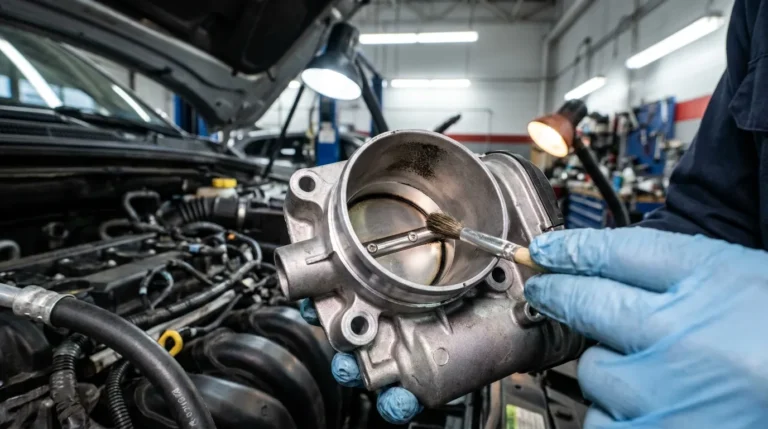
Start with simple, high-impact tasks. These steps form the core of How to Maintain a Car Engine (Beginner Guide) and will keep your engine healthy.
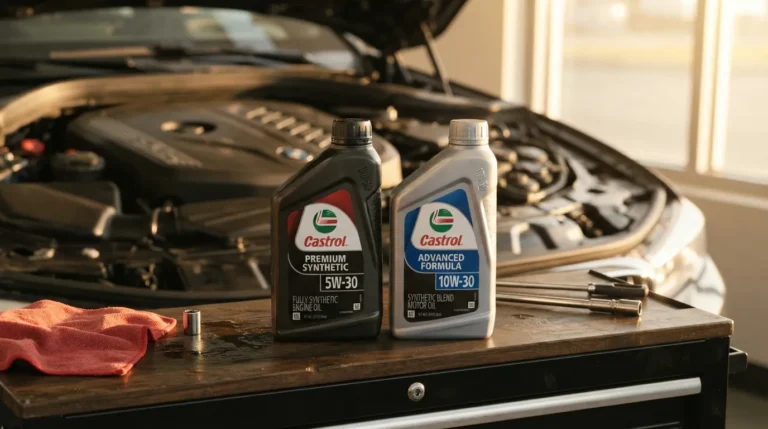
Check and change engine oil
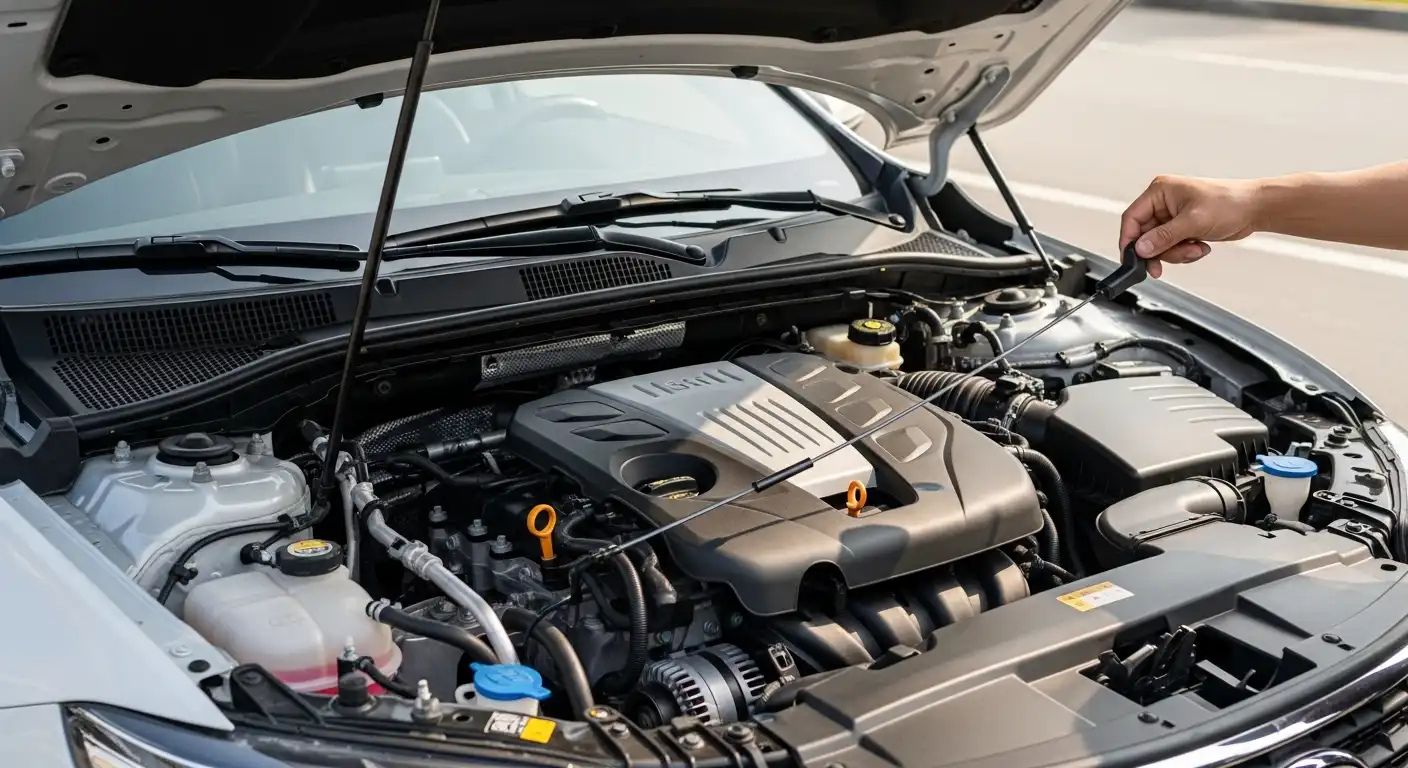
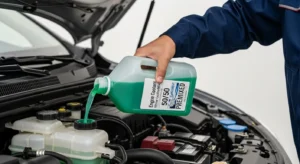
Check oil level with the dipstick when the engine is warm and parked level. Change oil and filter on the schedule in your owner’s manual or every 3,000–7,500 miles depending on oil type and driving. Fresh oil lubricates, cools, and protects engine parts.
Inspect coolant and radiator
Look at coolant level and color in the reservoir when the engine is cold. Top with the correct coolant mix if low and inspect hoses for cracks or bulges. Proper coolant prevents overheating and corrosion.
Replace air filter
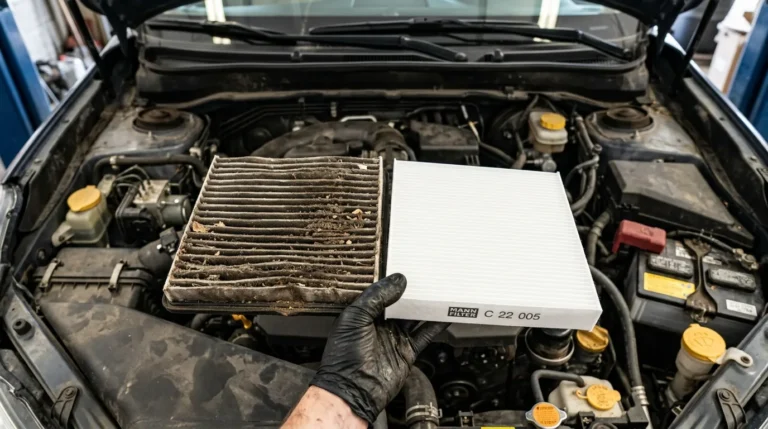
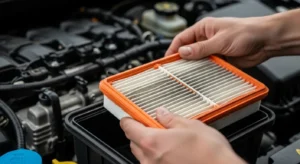
A clean air filter helps the engine breathe and improves fuel economy. Check the air filter every 12,000–15,000 miles and replace sooner in dusty areas. It’s an easy DIY job that boosts performance.
Check and change fuel filter (if applicable)
Some cars have replaceable fuel filters that affect engine smoothness. Follow the vehicle’s maintenance guide for intervals, or have a mechanic replace it during service. A clogged fuel filter can cause stalling or poor acceleration.
Inspect belts and hoses
Check belts for cracks, fraying, or glazing and hoses for soft spots or leaks. Replace worn belts or hoses to avoid breakdowns. This is a simple visual check that prevents sudden failures.
Test the battery and charging system
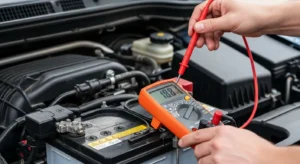
Look for corrosion on terminals and secure connections. A weak battery or failing alternator affects starting and electronics. Use a multimeter to check voltage or ask for a free test at many auto shops.
Check spark plugs and ignition components
Worn spark plugs hurt fuel economy and idle quality. Inspect and replace spark plugs at recommended miles; swapping them is a great beginner task on many cars. Also check wires or coils for wear.
Monitor exhaust and emissions
Watch for unusual smoke color or loud noises from the exhaust. These signs may point to engine or emission system issues. Early checks help you decide if a mechanic is needed.
Step-by-step maintenance schedule
Build a repeating plan you can follow. This schedule is a practical How to Maintain a Car Engine (Beginner Guide) checklist.
- Every month: Check oil level, coolant, tire pressure, lights, and look for leaks.
- Every 3,000–5,000 miles: Change oil if using conventional oil; inspect air filter and belts.
- Every 12,000–15,000 miles: Replace air filter and inspect spark plugs and hoses.
- Every 30,000 miles: Replace fuel filter if applicable and inspect the cooling system.
- Every 60,000–100,000 miles: Replace spark plugs, timing belt (if required), and major tune-up items.
Common problems and simple troubleshooting
Knowing common symptoms saves time and money. This section helps you spot issues that fall within a beginner’s skill level in How to Maintain a Car Engine (Beginner Guide).
- Engine overheating: Check coolant level, radiator fan operation, and thermostat. If simple checks fail, seek professional help.
- Rough idle or misfire: Inspect spark plugs and ignition parts; check for vacuum leaks around hoses.
- Poor fuel economy: Replace dirty air filter, check tire pressure, and ensure regular oil changes.
- Unusual noises: Squealing often signals a loose belt; knocking may mean low oil or internal wear.
Tips from experience: mistakes to avoid
I learned a lot from early mistakes. Sharing them will save you time and frustration as you follow your How to Maintain a Car Engine (Beginner Guide).
- Waiting too long between oil changes causes wear. Change oil on time.
- Using the wrong coolant or oil grade can harm components. Always use recommended fluids.
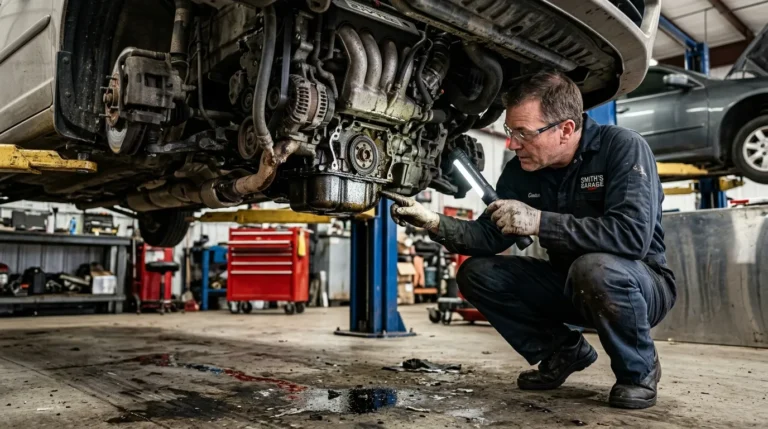
- Ignoring small leaks because they seem minor can lead to big repairs later.
- Skipping safety: working on a hot engine or using only a jack is risky. Use stands and wait for cool-down.
When to call a mechanic
Some problems need a pro. If you see consistent warning lights, major leaks, smoking, or loss of power, get help. For complex tasks like timing belt replacement or internal engine work, use a certified mechanic. Asking for a written estimate helps you compare options and avoid surprises.
Frequently Asked Questions of How to Maintain a Car Engine (Beginner Guide)
What is the simplest thing a beginner can do to maintain an engine?
Check oil level and tire pressure monthly, and top up fluids as needed. These small tasks prevent common problems and improve safety.
How often should I change my engine oil?
Follow your owner’s manual; typical intervals are 3,000–7,500 miles based on oil type and driving. Using synthetic oil often allows longer intervals.
Can I change spark plugs myself?
Yes, many cars let beginners replace spark plugs with basic tools and a torque wrench. Follow the manual for gap and torque specs and work one plug at a time.
Is it important to use manufacturer-recommended fluids?
Yes. Using the correct oil and coolant helps engine longevity and keeps warranties intact. Wrong fluids can cause wear or system failures.
How do I know if the cooling system has a problem?
Look for overheating, coolant leaks, or a sweet smell under the hood. If you spot these signs, check levels and hoses and seek service if needed.
Can routine maintenance improve fuel economy?
Yes. Regular oil changes, a clean air filter, correct tire pressure, and tuned spark plugs all raise efficiency. Small fixes add up to noticeable savings.
When should I replace the timing belt?
Check the owner’s manual but many cars need timing belt replacement between 60,000 and 100,000 miles. A failing belt can cause major engine damage, so replace it on schedule.
Conclusion
Keeping your engine healthy is a mix of regular checks, timely fluid changes, and learning a few safe DIY tasks. Follow this How to Maintain a Car Engine (Beginner Guide) plan, use the right tools, and act fast when you spot problems. Start small, build skills, and your car will reward you with better performance and fewer surprises. Try one new maintenance task this week, bookmark for more car tips, or leave a comment about what you’d like to learn next.