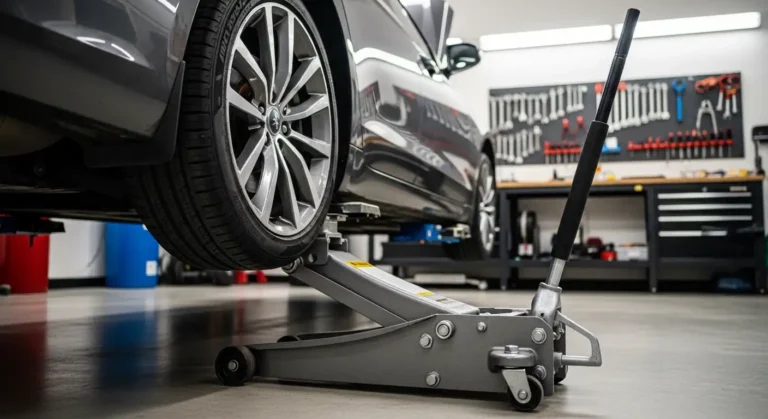
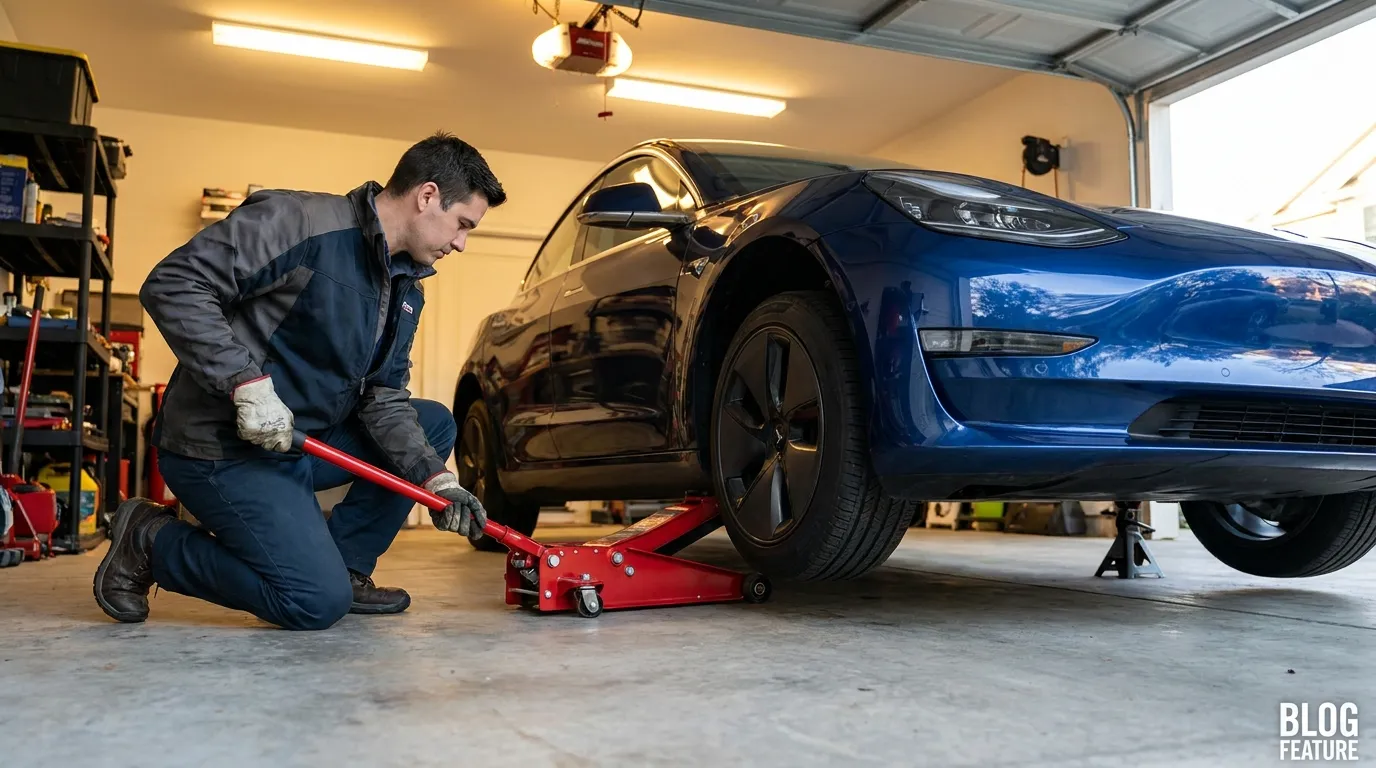
Use a hydraulic car jack by positioning it at the vehicle lift point, pumping to lift, and securing with stands.
I’ve used hydraulic car jacks for years in garages and on the roadside. This guide explains, step by step, how to use a hydraulic car jack safely and correctly. I’ll share clear instructions, common mistakes, and maintenance tips so you can lift your car with confidence and avoid costly errors. Read on for practical, experience-based advice that keeps safety first.
How a hydraulic car jack works
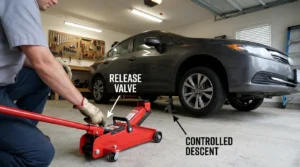
A hydraulic car jack uses fluid pressure to lift heavy loads with little effort. It converts small hand force into larger lifting force through a piston and cylinder system. When you pump the handle, fluid pushes the piston up and raises the saddle. Releasing a valve lets fluid return and lowers the load slowly and safely.
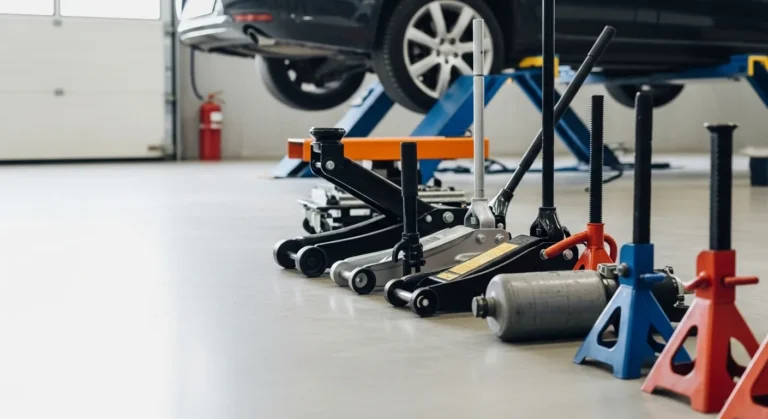
Hydraulic jacks come in two common forms: floor jacks and bottle jacks. Floor jacks are low and roll under the car easily. Bottle jacks are compact and tall, good for trucks and higher lifts. Both use the same hydraulic principle.
Safety first
Safety matters more than speed. A hydraulic car jack lifts heavy weight. That weight can crush or injure if the jack fails or slips. Always follow safety steps before lifting.
- Park on a flat, level surface and set the parking brake.
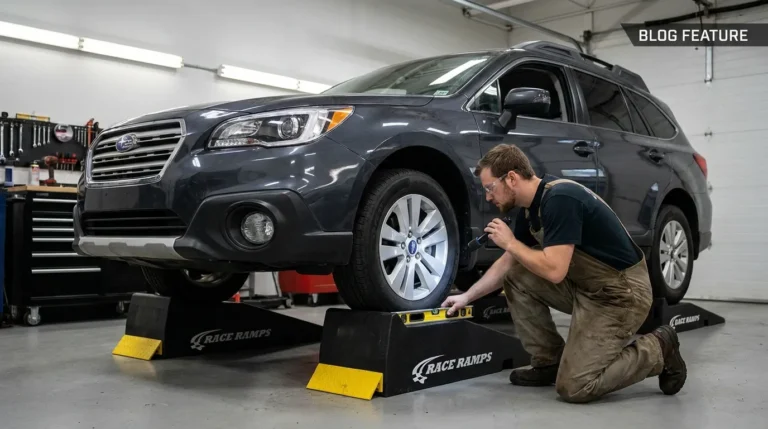
- Chock the wheels opposite the lift point to stop rolling.
- Wear gloves and eye protection for debris and pinches.
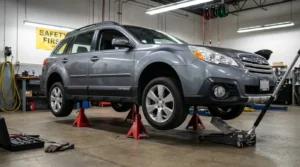
- Never work under a car supported only by a hydraulic car jack; use jack stands.
- Inspect the jack for leaks, rust, and damage before each use.
Tools and preparation
Be ready before you lift. Proper tools and a quick check save time and reduce risk.
- Hydraulic car jack rated for your vehicle’s weight and low enough to fit under the sill.
- Pair of jack stands rated for at least half your vehicle’s weight each.
- Wheel chocks to block movement.
- Lug wrench or socket set to loosen and tighten lug nuts.
- Flat-faced metal or rubber pad if the saddle needs extra grip.
- Flashlight and gloves for low light and hand protection.
From my experience, keeping the jack and stands in the trunk makes roadside lifts less stressful. I once forgot chocks and had to fight movement; now I always carry them.
Step-by-step: Using a hydraulic car jack
Follow these steps slowly and deliberately. Check each step before moving on.
- Park and prepare: Park on level ground, set the parking brake, and place wheel chocks.
- Loosen lug nuts: Slightly loosen the wheel nuts while the car is on the ground. Do not remove them yet.
- Locate lift point: Find the vehicle’s recommended lift point in the owner’s manual or on pinch welds. Position the jack saddle under that point.
- Position the jack: Slide the hydraulic car jack under the lift point and center the saddle. Ensure the jack rests on solid contact and not on plastic or oil-soaked spots.
- Pump to lift: Pump the handle steadily until the tire is 1–2 inches off the ground. Stop and check stability.
- Place jack stands: Set jack stands under the recommended support points. Lower the car slowly onto the stands by opening the release slightly.
- Secure and remove wheel: Remove lug nuts and take off the wheel if needed. Keep lug nuts in a safe place.
- To lower: Reinstall the wheel loosely, raise the car slightly with the jack to remove stands, remove stands, then lower the car slowly. Tighten lug nuts in a star pattern to the correct torque.
A quick tip from me: always re-check the saddle alignment after lifting a little. I once had the jack roll a few degrees and it made the lift unstable. Small adjustments early prevent large problems later.
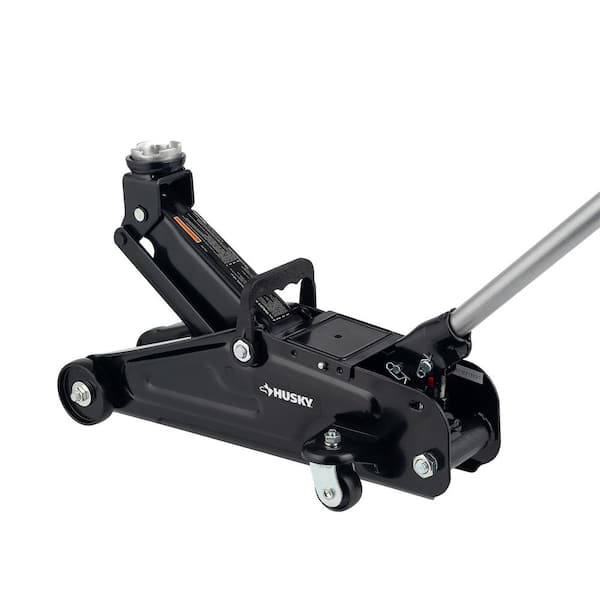
Source: homedepot.com
PAA-style questions (short answers)
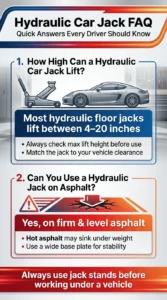
How high can a hydraulic car jack lift?
Most floor jacks lift between 4 and 20 inches, depending on design. Check the jack’s maximum height before use to ensure it fits your vehicle needs.
Can I use a hydraulic car jack on asphalt?
Yes, but choose a firm, level spot. Hot asphalt can deform under heavy loads; use a wide base plate to spread the load if needed.
Common mistakes and troubleshooting
Avoid common errors that make using a hydraulic car jack risky.
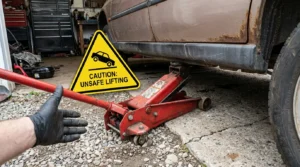
- Trusting the jack alone: Never stay under a car supported only by a hydraulic car jack. Always use jack stands.
- Wrong lift point: Lifting from a non-recommended spot can bend or damage body panels and fail.
- Overextending capacity: Using a jack rated lower than vehicle weight can cause collapse.
- Skipping inspection: Fluid leaks, worn seals, and rust weaken the jack. Inspect before each lift.
- Rapid release: Opening the release too fast makes the car drop quickly. Always lower slowly and controlled.
If the jack won’t lift, check for low hydraulic fluid or trapped air. Bleed the jack by opening the release valve and pumping several times, then top up the hydraulic fluid to the manufacturer’s recommended level. If leaking, retire the jack until repaired.
Maintenance and storage
Good maintenance keeps a hydraulic car jack reliable for years.
- Inspect seals and cylinders for leaks regularly.
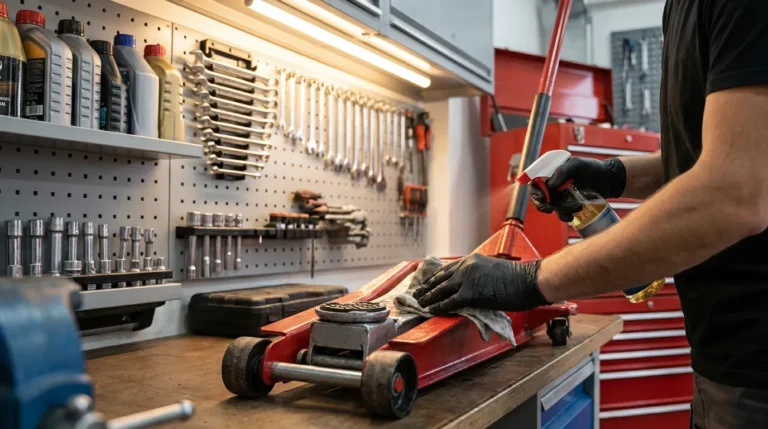
- Wipe off dirt and rust after use. Clean the saddle and pivot.
- Top up hydraulic fluid per manufacturer guidelines. Use the correct type of oil.
- Test lift periodically with a safe load to ensure smooth operation.
- Store the jack lowered in a dry place to prevent strain on seals.
I once ignored a small oil stain and later found the jack’s pump was air-bound. Regular checks caught problems early and saved the jack.
Choosing the right hydraulic car jack
Select a jack that fits your vehicle and use.
- Capacity: Match the jack rating to at least one-quarter of your vehicle’s gross weight for a single corner lift. For whole-vehicle lifts, choose higher capacity.
- Type: Use a low-profile floor jack for cars with low clearance. Choose a bottle jack for trucks and SUVs.
- Build quality: Look for quality steel construction, good saddle grip, and a wide base for stability.
- Portability: If you travel by road, balance weight versus performance for trunk storage.
- Safety features: Overload valves and rubber saddle pads add protection.
If you change tires often, a durable, easy-to-operate floor jack pays for itself in time saved and safety gained.
Frequently Asked Questions of how to use hydraulic car jack
How do I know the correct lift points on my car?
Check the vehicle owner’s manual or look for factory indentations along the pinch welds and frame. Lift points are designed to support weight without damage.
Can a hydraulic car jack lift a full-size truck?
Yes, if the jack’s rated capacity equals or exceeds the truck’s weight at the lift location. Use bottle jacks or higher-capacity floor jacks for heavier trucks.
Is it safe to leave the car on jack stands overnight?
Yes, if the jack stands are rated correctly and placed on a firm, level surface. Double-check stability and chock the wheels to prevent movement.
What fluid does a hydraulic car jack use?
Most hydraulic car jacks use hydraulic jack oil or a light machine oil as specified by the manufacturer. Avoid using engine oil or brake fluid unless recommended.
My jack won’t lift anymore. What should I check?
Check for low hydraulic fluid, air in the system, or leaks around seals. Bleed the jack and top up fluid; if leaks persist, seek repair or replacement.
How tight should lug nuts be after lowering?
Tighten lug nuts to the vehicle’s specified torque using a torque wrench. After driving a short distance, re-check torque to ensure nuts remained tight.
Conclusion
Using a hydraulic car jack safely is about preparation, correct technique, and respect for limits. Follow the steps here: prepare the car, use the right lift points, pump carefully, and always support the vehicle with jack stands. Regular maintenance and choosing the right jack make lifting reliable and safe.
Take action: inspect your jack today, pack a basic lifting kit for emergencies, and practice a safe lift in your driveway. Leave a comment with your experience or questions, and subscribe or share this guide if it helped you.