Use regular oil changes, filters, and simple checks to dramatically extend engine life.
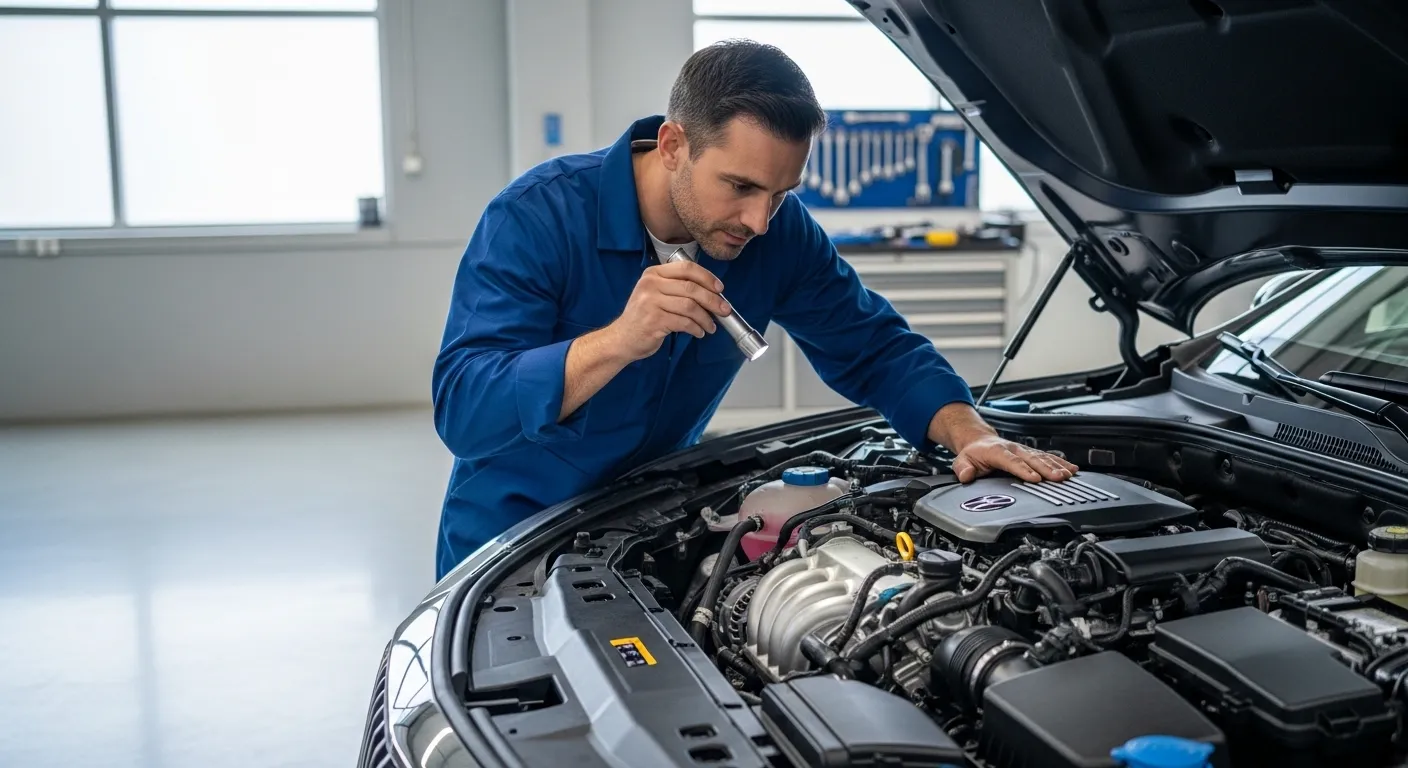
I have spent years writing and working with mechanics and vehicle owners to keep engines healthy. This guide on 15 engine maintenance tips to extend engine life blends hands-on experience, manufacturer best practices, and clear steps you can use today. Read on for practical advice, common pitfalls, and an easy routine that helps your engine run longer and worry less.
Why regular engine maintenance matters
A well-maintained engine costs less to run. It uses less fuel and breaks down less often. Small fixes now stop big failures later. Regular care protects resale value and safety. These engine maintenance tips focus on actions you can take every month, every service interval, and before long trips.
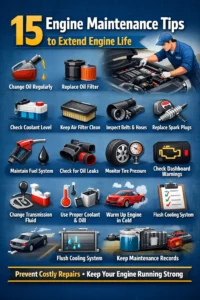
15 Engine Maintenance Tips to Extend Engine Life
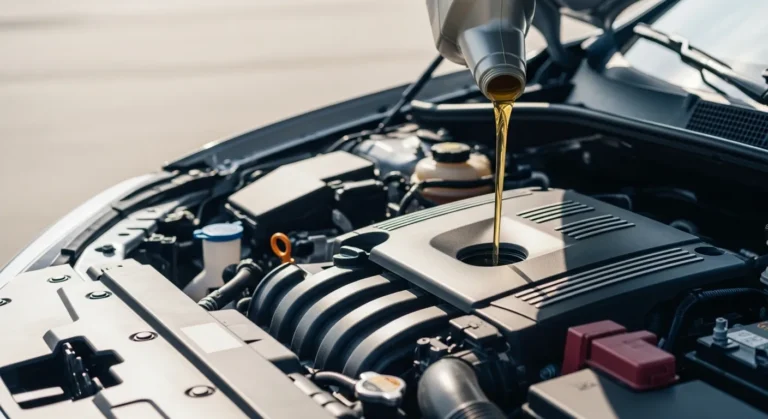
- Change engine oil on schedule
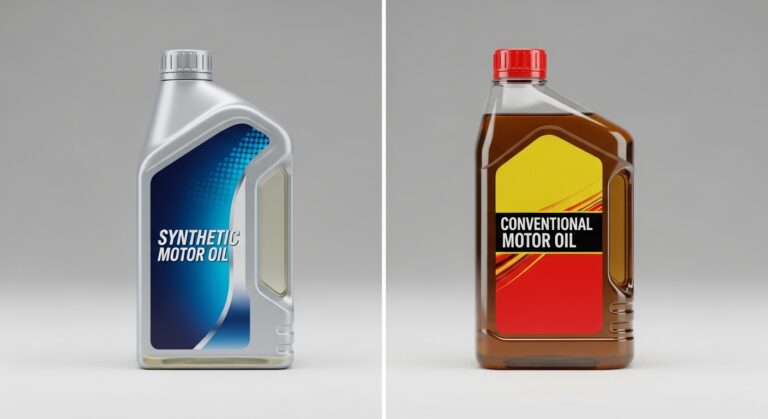
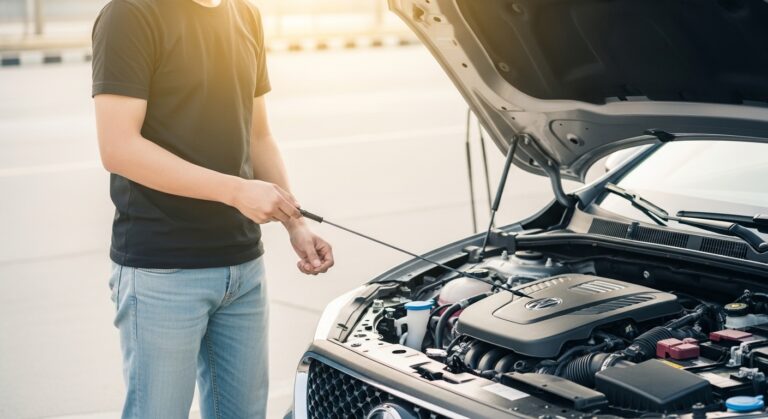
Use the oil grade your owner’s manual specifies. Fresh oil reduces wear and removes contaminants. I once saved a car from early wear by swapping from a generic oil to the maker’s recommended grade. - Replace the oil filter with every oil change
A clean filter keeps oil flow steady. Cheap or clogged filters let sludge circulate. That speeds engine wear. - Monitor and top off coolant regularly
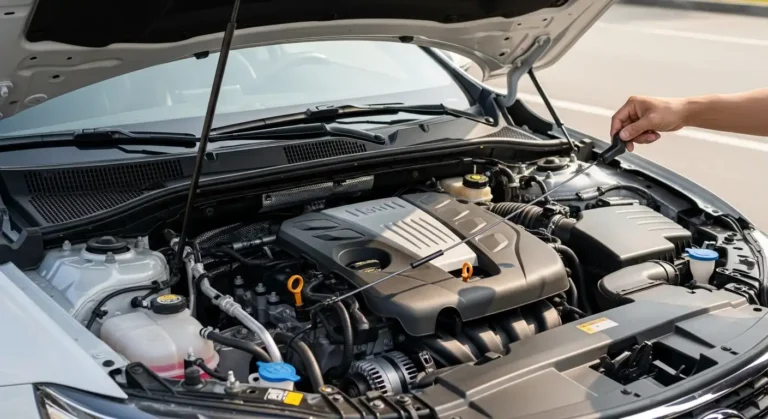
Coolant prevents overheating and corrosion. Check levels and condition every month. Low coolant or old fluid can warp heads and damage gaskets. - Keep the air filter clean
A dirty air filter chokes the engine and wastes fuel. Replace it when it looks dirty or at the interval in your manual. It’s an easy win for longevity. - Maintain the fuel system
Use quality fuel and replace the fuel filter as recommended. Run a fuel-system cleaner if the car has rough idles or poor economy. Proper fuel care protects injectors and pumps. - Check and replace spark plugs and ignition parts
Worn plugs cause misfires and stress the engine. Swap plugs and wires per schedule. You’ll feel smoother starts and better mileage. - Inspect belts and hoses often
Cracked belts or soft hoses can fail without warning. Look and feel for wear every few months. Replace on any sign of aging. - Change transmission and differential fluids as needed
Dirty fluids can make gears grind and increase load on the engine. Follow service intervals for fluid changes and filter replacements. - Watch for oil leaks and fix them fast
Even small leaks lower oil levels and invite dirt. Fix leaks early to avoid low oil and engine damage. - Maintain proper tire pressure and alignment
While not internal to the engine, low pressure or bad alignment forces the engine to work harder. Good tires help fuel economy and reduce strain. - Use the right coolant and oil types for your climate
Thinner oils suit cold starts. High-temp areas may need different coolant mixes. Match fluid specs to conditions to reduce wear. - Let the engine warm up in cold weather, but avoid idling too long
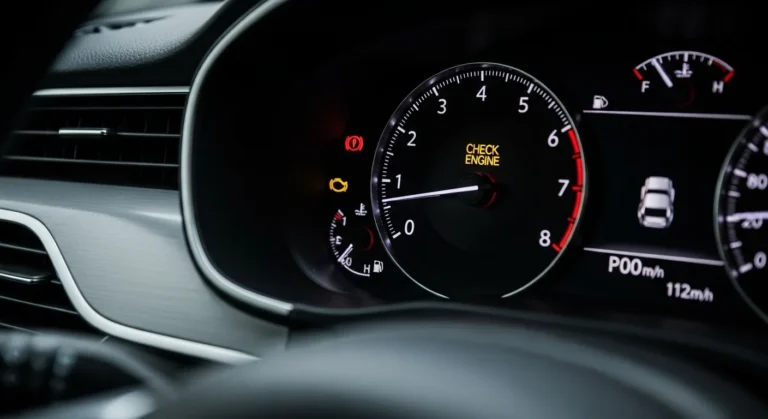
A quick warm-up helps oil circulate. Extended idling wastes fuel and can build deposits. Drive gently until the engine reaches operating temperature. - Address dashboard warnings immediately
A check-engine light means the car knows something. Ignoring it can compound damage. Scan codes or see a mechanic quickly. - Keep the cooling system flushed and pressure-tested
Old coolant can corrode parts and lower boil point. Flushing and pressure testing every few years prevents hidden leaks and overheating. - Follow scheduled maintenance and document service
Keep a log of dates and parts replaced. A clear history helps catch missed items and proves care when selling. Consistency is the most powerful of these engine maintenance tips.
These 15 engine maintenance tips to extend engine life are practical. Most tasks are low cost. The biggest cost savings come from avoiding catastrophic engine repairs.
Common causes of premature engine wear
- Dirty oil and neglected oil changes lead to friction and deposits.
- Overheating from low coolant or a failed thermostat can warp components.
- Poor fuel quality and clogged injectors reduce efficiency and cause knock.
- Broken timing belts or chains cause catastrophic valve and piston damage.
- Repeated short trips that never let the engine reach operating temp increase sludge.
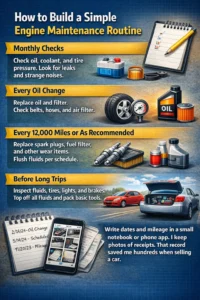
How to build a simple engine maintenance routine
- Monthly checks
Check oil, coolant, and tire pressure. Look for leaks and strange noises. - Every oil change
Replace oil and filter. Check belts, hoses, and air filter. - Every 12,000 miles or as recommended
Replace spark plugs, fuel filter, and other wear items. Flush fluids per schedule. - Before long trips
Inspect fluids, tires, lights, and brakes. Top off all fluids and pack basic tools.
Write dates and mileage in a small notebook or phone app. I keep photos of receipts. That record saved me hundreds when selling a car.
Cost vs benefit: Why maintenance saves money
Regular maintenance costs far less than a major engine rebuild. A $100 oil change prevents thousands in repairs. Preventive work keeps parts from cascading into bigger failures. Budget a small monthly amount for care. You will avoid sudden bills and keep your vehicle reliable.
PAA-style quick questions
How often should I change engine oil?
Change oil per your owner’s manual. For many cars it’s every 5,000–7,500 miles with modern oil. Severe use may need shorter intervals.
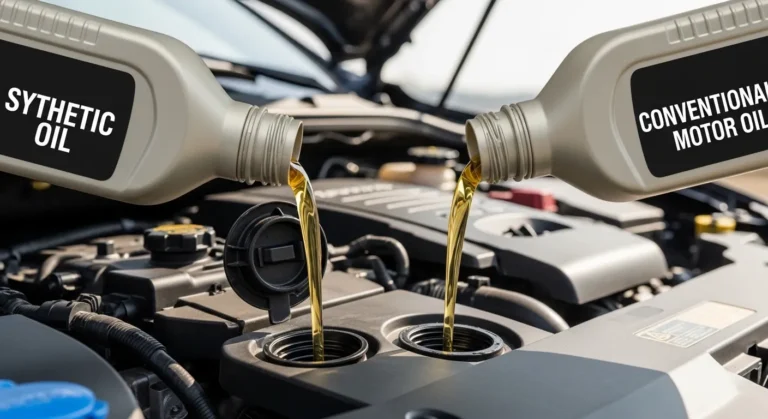
Can I use synthetic oil in an older engine?
Yes in most cases. Synthetic oil flows better and resists breakdown. Check your manual or ask a mechanic if the engine has specific needs.
Will short trips harm my engine?
Frequent short trips can cause sludge because the engine never fully warms. Combine trips or take a longer drive occasionally to burn off deposits.
Frequently Asked Questions of 15 Engine Maintenance Tips to Extend Engine Life
What is the single best engine maintenance tip?
Regular oil and filter changes are the most critical. Clean oil reduces wear and prevents buildup.
How long can an engine last with good maintenance?
Many engines last 200,000 miles or more with regular care. Proper service and gentle driving extend life dramatically.
How do I know when a belt or hose needs replacement?
Look for cracks, frays, bulges, or soft spots. Replace items showing visible age or per the recommended interval.
Is it worth paying for dealer maintenance?
Dealers use manufacturer parts and keep digital service records. Independent shops can also do great work for less. Choose trusted providers.
Can poor coolant damage the engine even if it doesn’t overheat?
Yes. Old or wrong coolant can corrode parts and clog passages, reducing heat transfer and causing long-term harm.
Conclusion
Keeping an engine healthy is mostly about steady care. These engine maintenance tips help you avoid big failures and save money. Start with oil and filters, then add simple checks to your monthly routine. Make a plan, stick with it, and your engine will reward you with more miles and fewer surprises. Try one tip this week, track it, and share your results or questions below.